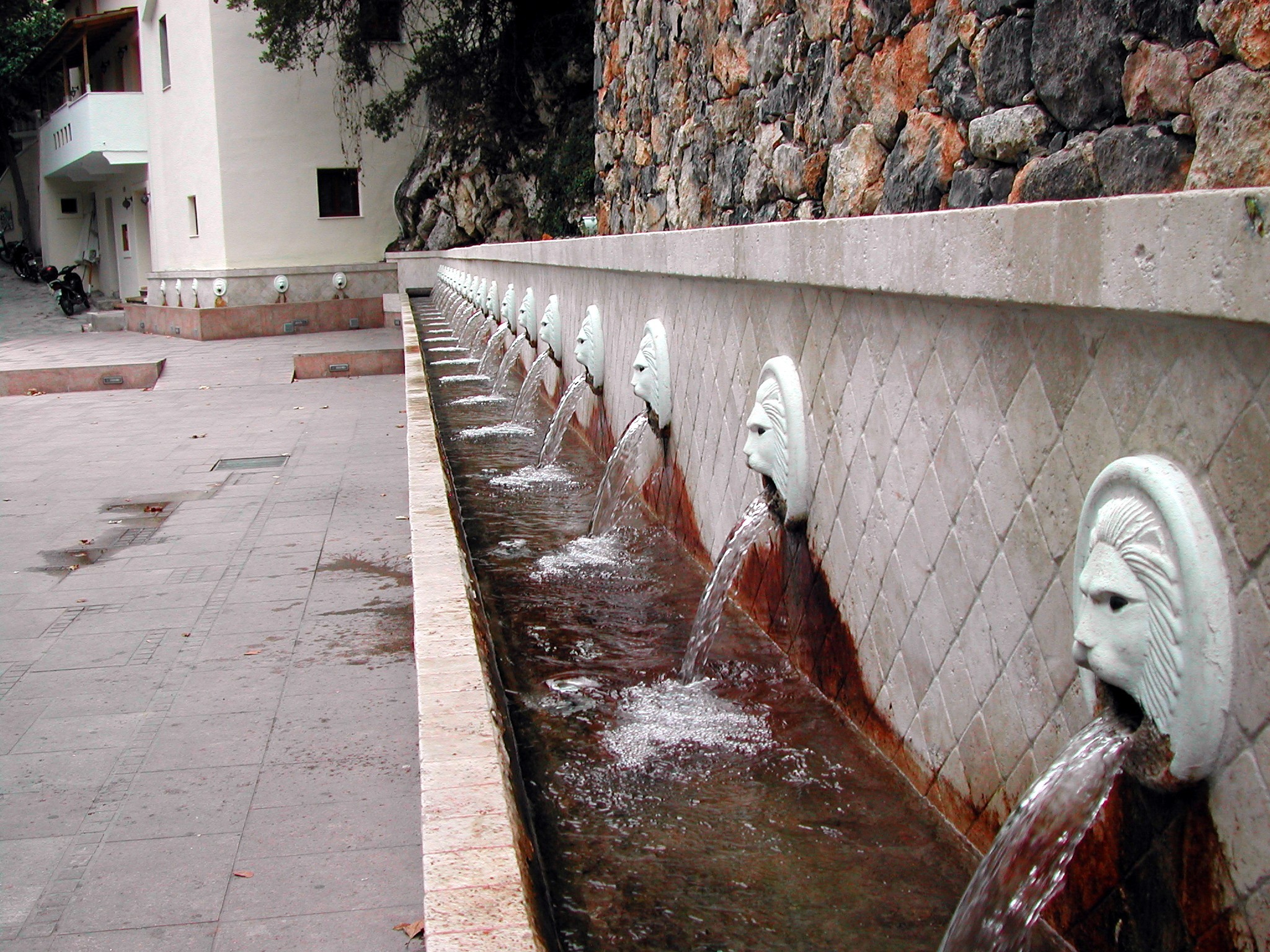
Discover the Hidden Gem of Crete: Κεφαλοβρυση Fountain
If you think you’ve seen every sparkling spring and cascading waterfall that Crete has to offer, think again. Tucked away near the tranquil village of Agia Foteini, the Κεφαλοβρυση fountain (Greek for “Head Spring”) is a secret oasis that beckons wanderers, nature lovers, and photography enthusiasts alike. In this guide we’ll dive into everything you need to know to make the most of your visit to this enchanting Crete landmark.
1. Introduction
Imagine stepping off the dusty road of a traditional Cretan village and being greeted by the gentle murmur of crystal‑clear water spilling from a natural stone basin. The air smells of pine and wild thyme, and the surrounding hills echo with the distant call of a shepherd’s goat. This is Κεφαλοβρυση, a modest yet mesmerizing fountain that has quietly sustained locals for generations.
While the more famous waterfalls of Crete—like the spectacular Samaria Gorge or the towering Kourtaliotiko falls—draw crowds, Κεφαλοβρυση remains a peaceful retreat for those who crave authenticity. Whether you’re on a road‑trip across the island, a hiking adventure in the White Mountains, or simply looking for a picturesque spot to cool off, this hidden spring is worth the detour.
2. About Κεφαλοβρυση
Description
- Name: Κεφαλοβρυση (Head Spring)
- Type: Natural fountain / spring
- Location: Agia Foteini, Crete, Greece
- Coordinates: 35.218055 N, 24.536368 E
The fountain emerges from a rocky outcrop, forming a shallow pool that reflects the surrounding olive groves and the azure sky. The water is cool year‑round, fed by underground aquifers that surface at this point. While the exact height of the water flow and the altitude of the site are not officially recorded, the serene ambience tells the story of a spring that has long been a lifeline for the nearby community.
History & Significance
Historically, Κεφαλοβρυση served as a communal water source for the residents of Agia Foteini and the neighboring villages. In traditional Cretan life, such springs were more than just utilities—they were gathering places where stories were shared, children played, and seasonal festivals were celebrated.
Although there is limited documentation, the fountain is referenced in the Greek Wikipedia entry for “Κρήνη του Σπηλίου” (Spring of the Cave), indicating a possible connection to local legends about hidden caves and underground streams. The name “Head Spring” suggests that it may be the primary source feeding downstream brooks that eventually join larger rivers on the island.
3. How to Get There
By Car
- From Heraklion: Take the E75 highway heading west toward Rethymno. Exit at Koulouras (signs for Agia Foteini).
- Follow the local road EO 90 for about 12 km. The route winds through olive orchards and offers occasional panoramic views of the Cretan Sea.
- Look for a modest signpost pointing to Κεφαλοβρυση—the turn‑off is just before the village’s main square. Parking is available in a small lot near the road.
By Public Transport
- Bus: KTEL Crete runs a regional bus from Heraklion to Agia Foteini (line 24). The stop is a short 10‑minute walk from the fountain.
- Taxi: Taxis are readily available in larger towns like Rethymno and Chania. A shared ride with other travelers can keep costs low.
On Foot / Hiking
If you’re already trekking the White Mountains (Lefka Ori), you can incorporate Κεφαλοβρυση into a day‑hike. The spring lies on a gentle descent trail that connects to the Kourtaliotiko River path, making it an ideal rest point.
4. Best Time to Visit
| Season | Weather | Why Visit | Tips |
|---|---|---|---|
| Spring (March‑May) | Mild temperatures, blooming wildflowers | Water flow is strongest; surrounding flora is vibrant | Wear waterproof shoes as the pool can be slippery |
| Summer (June‑August) | Hot, dry inland; cooler near the coast | Perfect for a refreshing dip; early mornings are peaceful | Arrive early to avoid the few local visitors |
| Autumn (September‑November) | Pleasant, occasional rain | Water clarity improves; fewer tourists | Bring a light jacket for cooler evenings |
| Winter (December‑February) | Cooler, occasional rain | The spring remains active year‑round; serene atmosphere | Check road conditions; some local roads may be icy |
Overall, late spring to early autumn offers the most comfortable climate and the richest natural backdrop for photography.
5. What to Expect
The Experience
- First Glimpse: As you approach, the gentle sound of bubbling water grows louder, guiding you through a narrow path lined with stone walls.
- The Fountain: A natural stone basin collects the spring’s flow, forming a mirror‑like pool that reflects the surrounding hills. The water is crystal clear, revealing smooth river stones at the bottom.
- Flora & Fauna: Expect to see aromatic thyme, sage, and rosemary growing in the rocky cracks. Small birds—often sparrows and finches—flit nearby, while occasional lizards bask on sun‑warmed rocks.
- Photography: The combination of water, stone, and Mediterranean vegetation creates perfect composition opportunities. Sunrise casts a golden hue over the fountain, while the late afternoon light adds a warm glow.
Facilities
- Restrooms: None on site. The nearest public facilities are in the village of Agia Foteini (≈300 m away).
- Picnic Area: A modest stone table and a few benches have been placed by the local community for visitors. Feel free to bring a light snack, but remember to pack out any waste.
- Safety: The pool is shallow, but the stones can be slippery when wet. Keep an eye on children and wear appropriate footwear.
6. Nearby Attractions
Exploring the area around Κεφαλοβρυση adds depth to your Crete itinerary. Here are the most accessible natural sites within a 7‑km radius:
| Distance | Attraction | Type | Quick Link |
|---|---|---|---|
| 2.9 km | Unnamed Spring | Spring | More info |
| 6.1 km | Unnamed Spring | Spring | More info |
| 6.5 km | Unnamed Spring | Spring | More info |
| 6.8 km | Big Waterfall | Waterfall | More info |
| 6.8 km | Θέση κολύμβησης στον Κουρταλιώτη Ποταμό (Swimming spot on the Kourtaliotiko River) | Waterfall / Swimming | More info |
Why add these to your plan?
- Variety of Water Features: From tranquil springs to a dramatic waterfall, the region showcases Crete’s diverse hydro‑geology.
- Hiking Loops: The springs and the Kourtaliotiko River are linked by marked trails, allowing you to create a circular hike that starts and ends at Κεφαλοβρυση.
- Local Culture: Small villages near each site often host traditional tavernas where you can sample Cretan specialties such as dakos and raki.
7. Travel Tips
| Tip | Details |
|---|---|
| Bring Cash | Many rural establishments accept only cash (euros). |
| Stay Hydrated | Even though you’ll be near water, the Cretan sun can be intense, especially in summer. |
| Respect the Environment | The spring is a vital water source for locals and wildlife. Avoid litter and do not disturb the natural flow. |
| Timing | Early morning (sunrise to 9 am) offers the best light for photos and the least foot traffic. |
| Local Guidance | If you’re unsure about the trail conditions, ask a resident of Agia Foteini. They are happy to share stories and directions. |
| Combine with Culinary Stops | After your visit, head to the nearby taverna “To Stiho” (≈5 min walk) for fresh grilled fish and a glass of retsina. |
| Safety First | While the water is generally safe for a quick dip, avoid swimming after heavy rain as water levels can rise quickly. |
| Connectivity | Mobile signal can be spotty; download offline maps (Google Maps or Maps.me) before you set out. |
| Photography Gear | A wide‑angle lens captures the full spring, while a macro lens highlights the tiny stones and plant life. Bring a polarizing filter to reduce glare on the water. |
| Seasonal Events | In late August, the village of Agia Foteini celebrates a “Water Festival” where locals gather near the spring for traditional music and dance. Check local calendars if your travel dates align. |
Final Thoughts
Κεφαλοβρυση may not appear on the typical “Top 10 Things to Do in Crete” list, but that’s precisely why it feels like a personal discovery. Its quiet charm, crystal‑clear water, and the surrounding Cretan landscape combine to create a memorable stop that enriches any island adventure.
So, pack your hiking boots, charge your camera, and set your GPS to 35.218055 N, 24.536368 E. When you arrive, take a moment to listen to the gentle rush of the fountain, breathe in the fragrant Mediterranean air, and let the timeless rhythm of Crete’s natural springs refresh both body and soul.
Happy travels, and may your journey through Crete be as refreshing as the waters of Κεφαλοβρυση itself!
