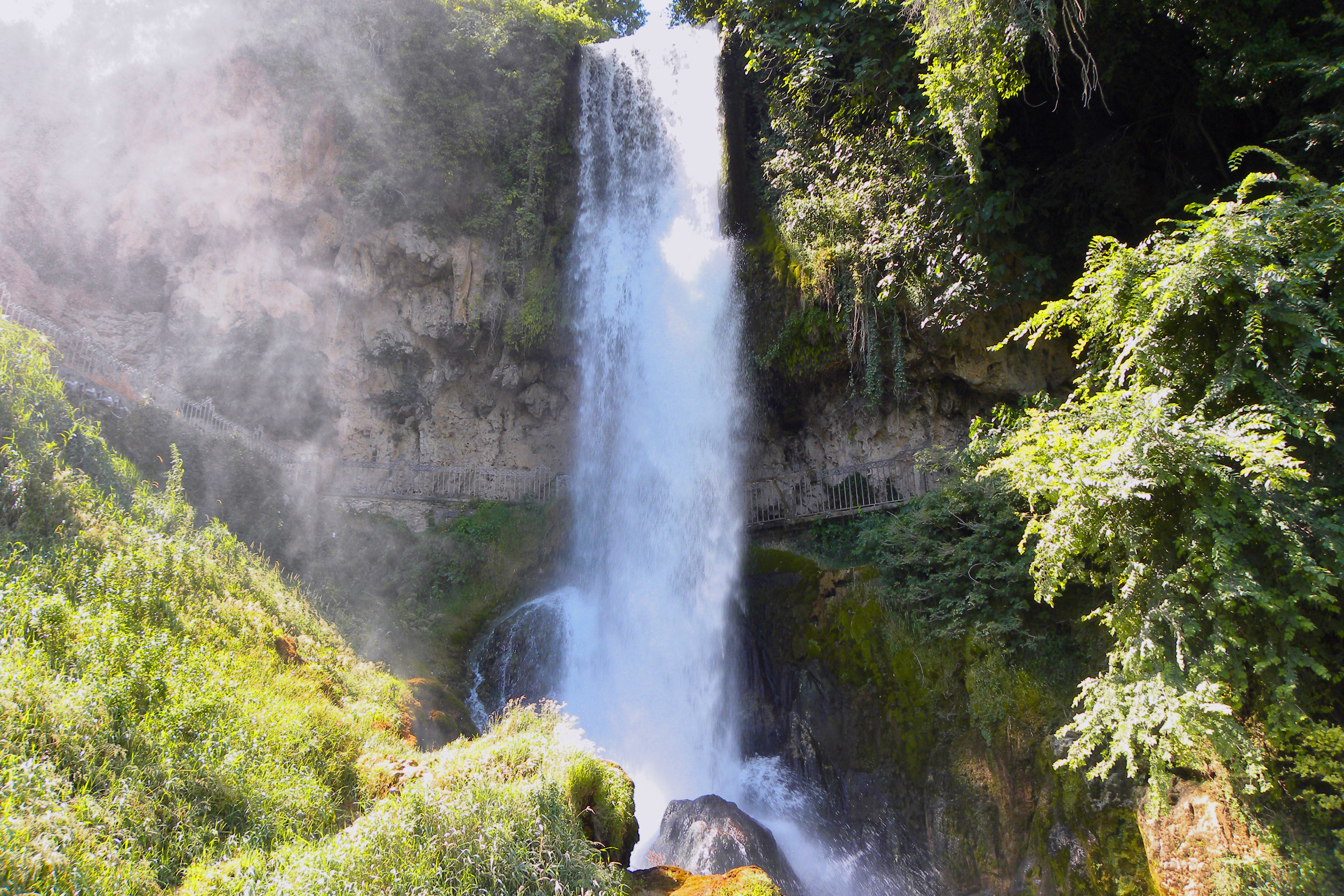
Καταρράκτες Έδεσσας – The Enchanting Waterfalls of Edessa, Central Macedonia
If you’re wandering through the heart of Central Macedonia, a short detour to the city of Edessa will reward you with one of Greece’s most dramatic natural spectacles – the Καταρράκτες Έδεσσας (Edessa Waterfalls). Cascading down the rocky cliffs that frame the old town, these waterfalls have been drawing travelers, photographers, and locals alike for centuries. Whether you’re a seasoned waterfall hunter or simply looking for a refreshing spot to pause on your Greek itinerary, the Edessa waterfalls promise a splash of wonder that’s hard to forget.
About Καταρράκτες Έδεσσας
A Brief Description
The Καταρράκτες Έδεσσας are a series of powerful water streams that plunge from the heights above Edessa’s historic quarter. The falls are situated at the coordinates 40.803812, 22.055219, right in the centre of the city, making them easily accessible on foot from most hotels and guesthouses. While the exact height and altitude of the falls remain undocumented, the sheer volume of water—especially after rain or during the spring melt—creates a thunderous roar that can be heard throughout the surrounding streets.
Historical Roots
Edessa’s name itself is tied to water; the ancient Macedonian city was known as “the city of waterfalls.” Throughout history, the falls powered watermills, supplied drinking water, and served as a natural defensive barrier. In the Ottoman era, the waterfalls were a source of both livelihood and legend, inspiring poets and travelers who described the mist‑kissed air and the rainbow arches that often appeared on sunny days. Today, the Καταρράκτες Έδεσσας continue to be a cultural landmark, featured in local festivals and illuminated at night to showcase their luminous beauty.
Why It Matters
Beyond their visual appeal, the waterfalls are an ecological hub. The constant spray nurtures a unique micro‑habitat for mosses, ferns, and small amphibians, contributing to the biodiversity of the region. For visitors, the falls offer a sensory experience—cool mist on the skin, the scent of fresh river water, and the rhythmic sound of water hitting stone—that instantly transports you away from the hustle of modern life.
How to Get There
By Air
- Thessaloniki International Airport (SKG) is the nearest major gateway, about 90 km (≈ 1 hour) north of Edessa. From the airport, rent a car or catch a regional bus to the city.
By Train
- The Greek railway line connects Thessaloniki to Edessa (stop: Edessa Railway Station). Trains run several times daily, and the journey takes roughly 1 hour 15 minutes.
By Bus
- Intercity buses from Thessaloniki, Kavala, and other Macedonian towns stop at the Edessa Bus Station, located a short walk from the waterfalls.
By Car
- From Thessaloniki, follow the A2/Egnatia Odos highway eastward, then take the A25 toward Edessa. Parking is available in several public lots near the Πλατεία Τημενιδών (Timeless Square) and along the riverbanks.
On Foot
- If you’re staying in the historic centre, the falls are a 5‑minute walk away. Follow the signs for “Καταρράκτες” or simply let the sound of rushing water guide you.
Best Time to Visit
| Season | What to Expect | Why It’s Ideal |
|---|---|---|
| Spring (March‑May) | Snowmelt and seasonal rains swell the river, creating powerful cascades. | Lush vegetation, vibrant rainbows, and comfortable temperatures. |
| Summer (June‑August) | Warm weather, but the falls remain a cool oasis. Evening illumination adds a magical glow. | Longer daylight hours for photography; less crowd on weekdays. |
| Autumn (September‑November) | Light rains keep the water flow steady, while foliage turns golden. | Pleasant climate, fewer tourists, perfect for relaxed strolls. |
| Winter (December‑February) | Water flow may be lower, but mist and occasional frost give a mysterious atmosphere. | Quietest period; great for those seeking solitude and atmospheric shots. |
Tip: If you want to see the falls at their most dramatic, aim for late spring after a rainstorm, when the water volume peaks.
What to Expect
The Sights
- Multiple Cascades: The main waterfall drops directly onto a stone platform, while smaller side streams—locally called Μικρά Καταρρακτάκια—trickle down the surrounding cliffs.
- Illuminated Nightfall: After sunset, the falls are bathed in soft LED lighting, turning the water into a shimmering ribbon of light.
- Historic Architecture: The old stone bridges and the adjacent Πλατεία Τημενιδών fountain blend natural and built heritage.
The Sounds
- The constant roar of water creates a natural soundtrack, ideal for meditation or simply unplugging from the city’s buzz.
The Feel
- A gentle mist kisses your face, especially near the base of the main cascade. The cool air is a welcome respite during hot summer days.
Activities
- Photography: Capture long‑exposure shots of the water’s silky flow, or snap close‑ups of the moss‑covered rocks.
- Strolling: Walk along the well‑maintained promenade that follows the river, stopping at viewpoints and benches.
- Picnicking: Small green areas near the Πλατεία Τημενιδών fountain provide shaded spots for a quick bite.
Nearby Attractions
While the Καταρράκτες Έδεσσας are the star of the show, the surrounding area offers several complementary sights that can easily fill a half‑day itinerary:
- Waterfalls of Edessa (waterfall) – Just 0.1 km away, this is essentially the same natural system, but the name is sometimes used to refer to the broader cascade complex.
- Μικρά Καταρρακτάκια – A charming set of smaller waterfalls located 0.5 km from the main falls. Perfect for a short side‑trip.
- Πλατεία Τημενιδών – A historic fountain and square only 0.5 km away, ideal for coffee breaks and people‑watching.
- [Unnamed Fountain] – A picturesque water feature 0.8 km from the falls, offering a quiet spot for reflection.
- [Unnamed Weir] – Located 1.1 km away, this engineering structure showcases the region’s historic water management.
(All nearby attractions are within walking distance, and you can easily map them using the coordinates provided.)
Travel Tips
- Wear Comfortable Shoes – The promenade can be uneven near the water’s edge, especially after rain.
- Bring a Light Rain Jacket – Even on sunny days, the mist can make you feel damp. A compact waterproof layer keeps you comfortable.
- Carry a Small Towel – If you plan to get close to the splash zone, a quick wipe‑down helps.
- Mind the Lighting Schedule – Evening illumination typically starts around sunset (≈ 19:00 in summer, ≈ 17:30 in winter). Arriving a bit early lets you see the transition from natural to artificial light.
- Respect the Environment – Stick to marked paths, avoid littering, and don’t climb on the rocks—preserve the natural habitat for future visitors.
- Photography Gear – A tripod and neutral density filter are useful for capturing silky water effects during daylight.
- Local Cuisine – After exploring, head to the nearby Πλατεία Τημενιδών where tavernas serve traditional Macedonian dishes such as mpougatsa (cream pastry) and kavourmas (cured meat).
- Currency & Language – The euro is the official currency; basic Greek phrases like “Καλημέρα” (Good morning) and “Ευχαριστώ” (Thank you) go a long way.
- Safety – The rocks can be slippery when wet. Keep an eye on children and avoid venturing too close to the water’s edge during high flow.
Final Thoughts
The Καταρράκτες Έδεσσας are more than just a scenic backdrop—they’re a living piece of Greek natural and cultural heritage. From the thunderous cascade that greets you at the city’s edge to the tranquil mist that cools your skin, the waterfalls deliver a multi‑sensory adventure that resonates with every traveler. Pair your visit with nearby attractions, savor local flavors, and let the rhythm of the water guide your exploration of Central Macedonia.
Ready to chase the mist? Pack your camera, slip on those walking shoes, and let the Edessa waterfalls become the highlight of your Greek journey. 🌊✨
