Wasserkunst – The Hidden Fountain Gem of Gotha, Thuringia
Discover the charm of one of Thuringia’s most underrated water features and learn how to make the most of your visit to Gotha.
Introduction
If you think Germany’s famous fountains are limited to the grand Baroque displays of Berlin or Munich, think again. Tucked in the historic heart of Gotha, the Wasserkunst fountain quietly drips its way into the city’s cultural tapestry. At first glance it may look modest, but its subtle elegance, central location, and centuries‑old story make it a must‑see stop for any traveler exploring Thuringia’s rich heritage. Whether you’re a photography enthusiast hunting for perfect reflections, a history buff tracing the evolution of German waterworks, or simply a wanderer looking for a peaceful spot to pause, Wasserkunst offers a refreshing slice of Gotha’s past and present.
About Wasserkunst
A Brief Description
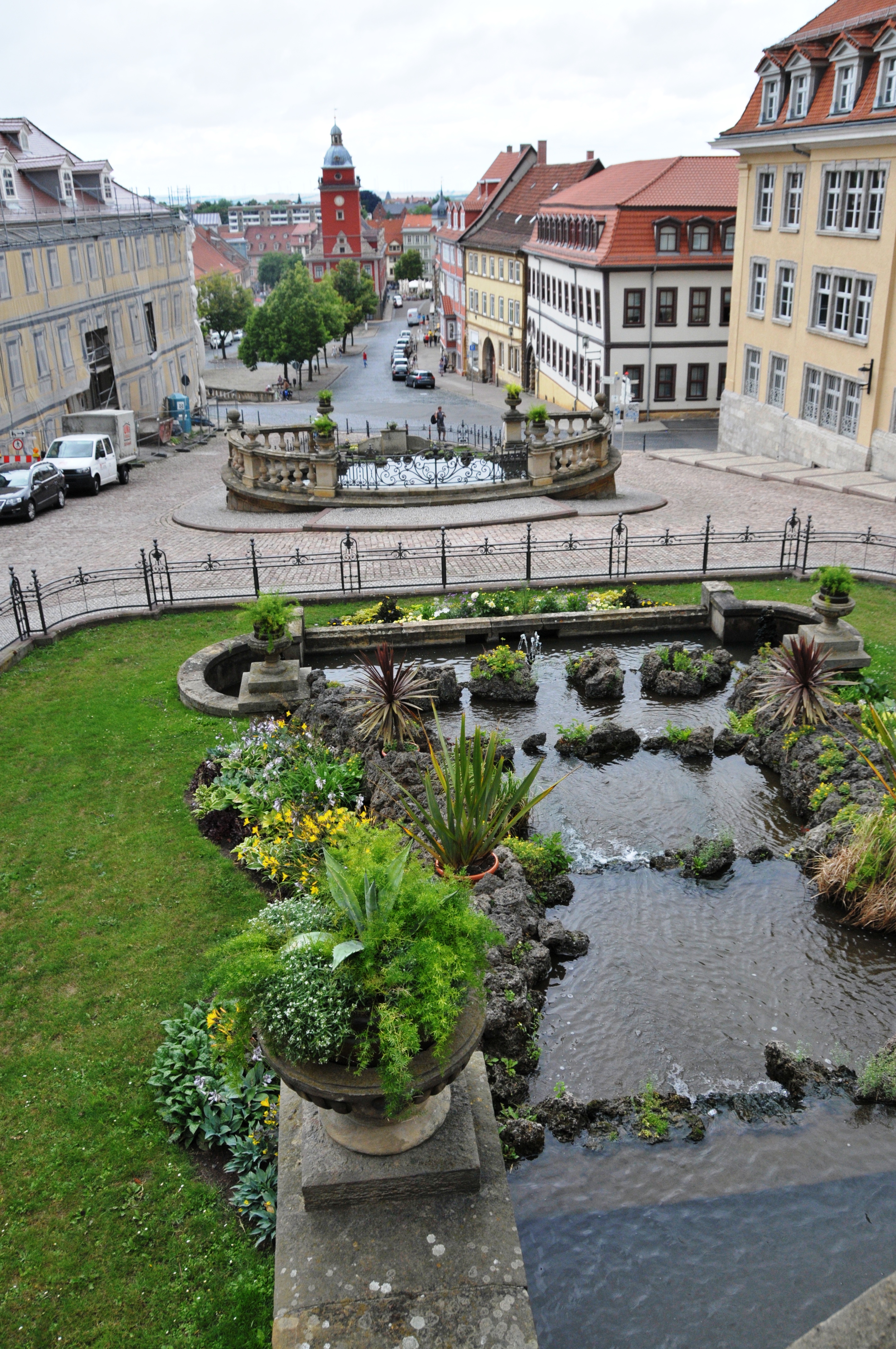
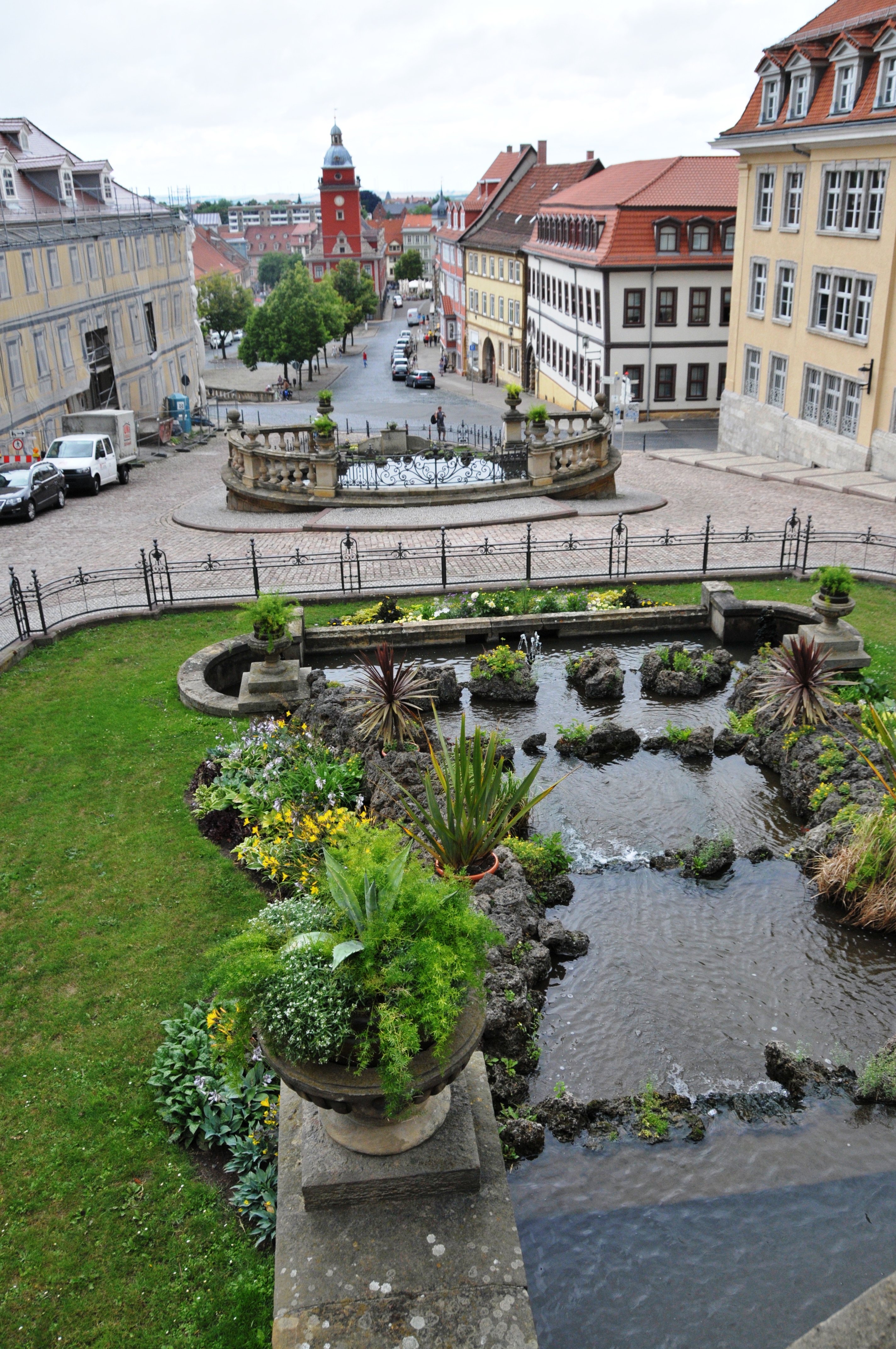
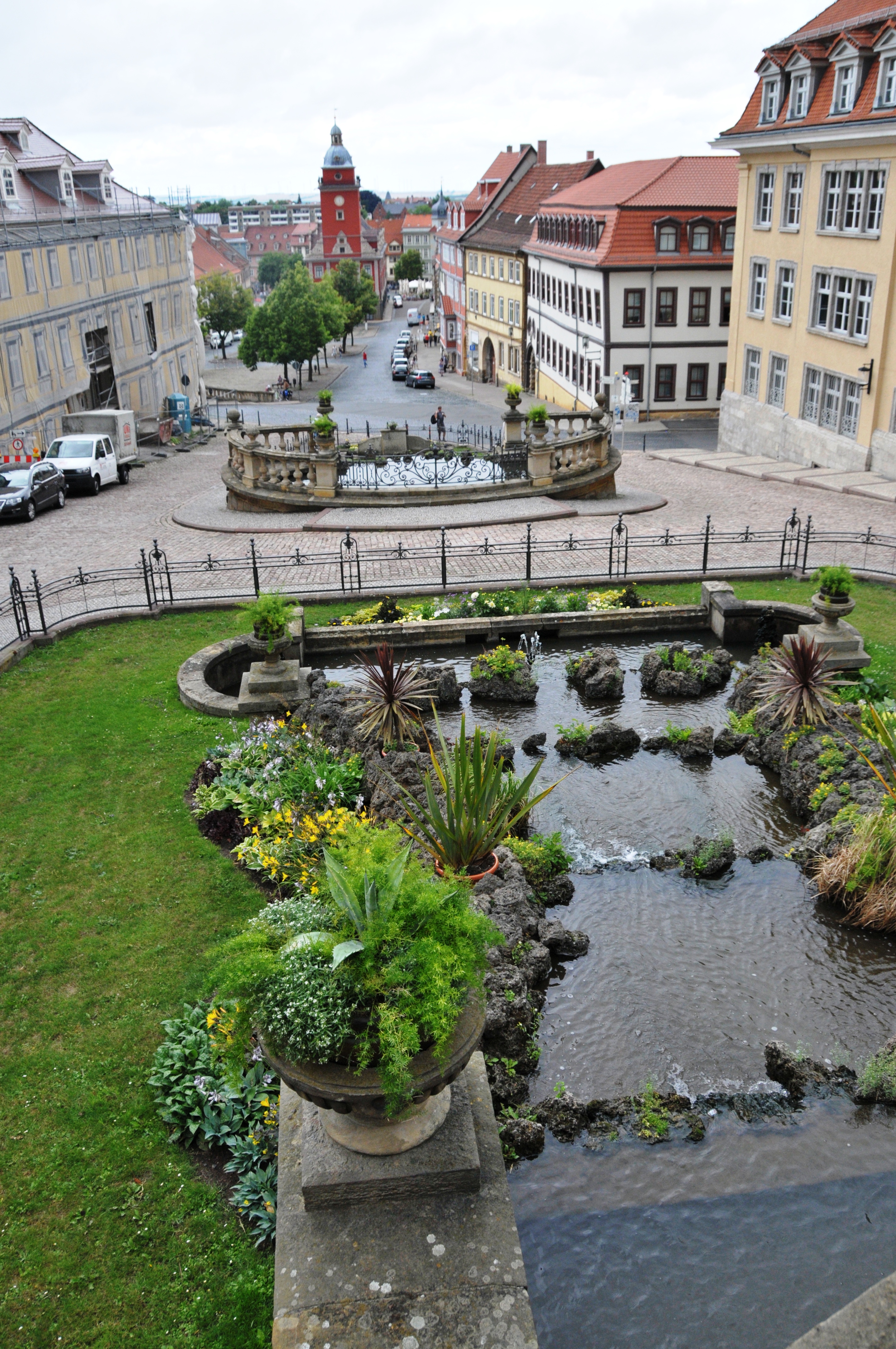
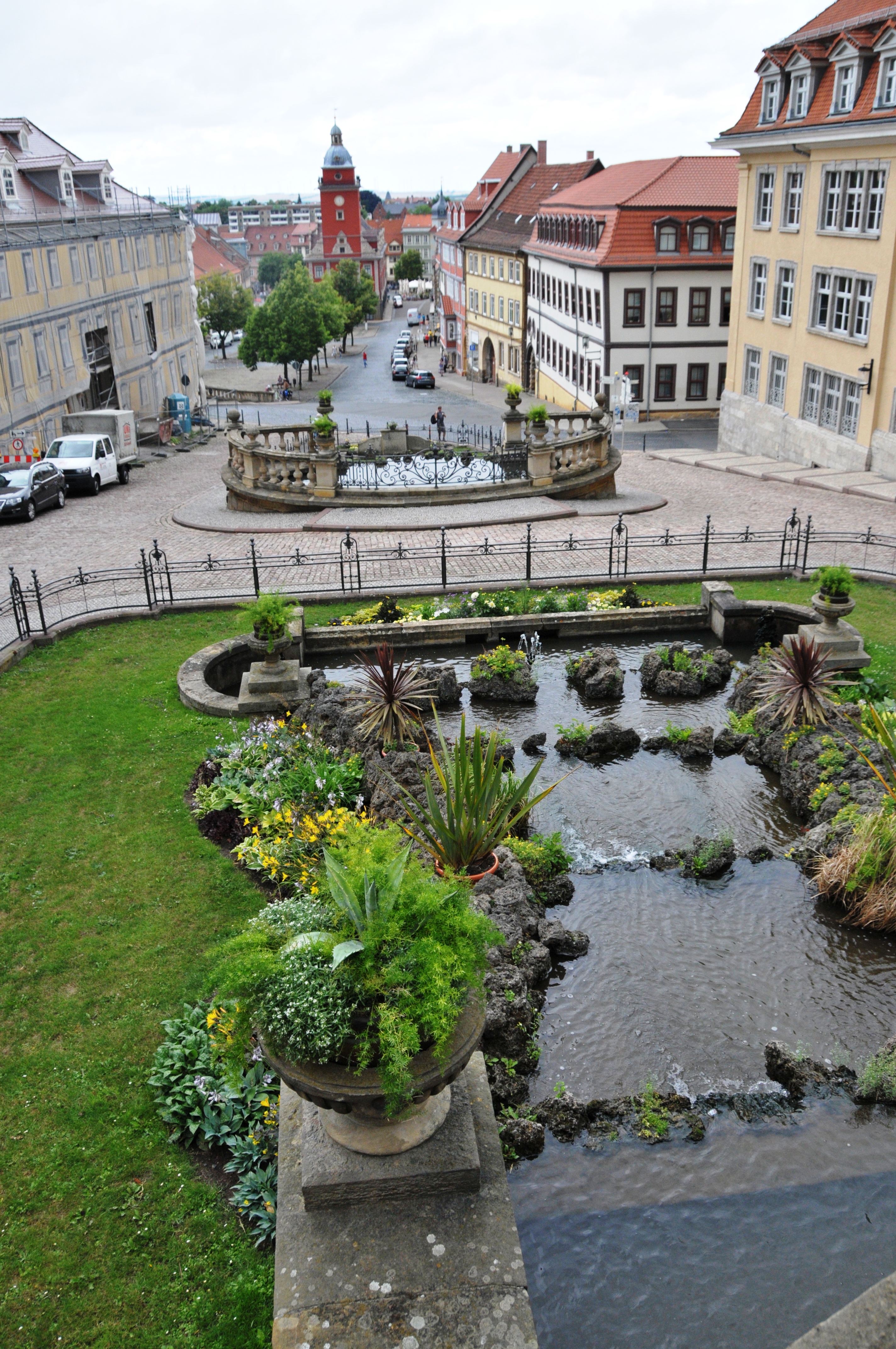
Wasserkunst (German for “water art”) is a historic fountain situated at the very heart of Gotha, Thuringia, Germany. Its exact height and altitude remain undocumented, but the fountain’s design showcases the classic simplicity of early German water architecture—clean lines, a modest basin, and a steady, soothing jet of water that has been drawing locals and visitors alike for generations.
Historical Roots
The fountain’s origins are intertwined with Gotha’s development as a ducal residence and cultural hub in the 17th and 18th centuries. While detailed records are scarce, the name “Wasserkunst” itself hints at the early modern fascination with hydraulic engineering as both a practical necessity and an artistic statement. In an era when public water supply was a luxury, fountains such as this one served as communal gathering points, symbolising civic pride and technological progress.
Cultural Significance
Today, Wasserkunst stands as a living reminder of Gotha’s commitment to preserving its urban heritage. The fountain is listed on the German Wikipedia page for Wasserkunst Gotha, underscoring its status as a protected cultural monument. Its central location makes it a natural backdrop for city festivals, open‑air concerts, and seasonal markets, weaving the fountain into the everyday rhythm of Gotha life.
How to Get There
By Train
Gotha is well‑connected to the German rail network. The Gotha Hauptbahnhof (main station) receives regular ICE, IC, and regional services from major cities such as Erfurt, Leipzig, and Frankfurt. From the station, the fountain is just a short 10‑minute walk (approximately 800 m). Follow signs for the city centre (Stadtzentrum) and head toward Marktplatz, where Wasserkunst sits just a few steps away.
By Car
If you’re driving, the easiest route is via the A4 Autobahn, exiting at Gotha-West or Gotha-Ost. From the exit, follow the B247 into the town centre. Parking options include the Stadtpark underground garage (address: Am Stadtpark 1) and several surface lots near the Marktplatz. The fountain is located at coordinates 50.947258, 10.702931, right in front of the historic town hall.
By Bicycle
Thuringia’s well‑maintained cycling routes make a bike trip to Wasserkunst both scenic and eco‑friendly. The Thüringer Radweg (Thuringian Bike Trail) passes through Gotha, and you can dock your bike at the public racks near the fountain.
Public Transport Within Gotha
Local bus lines (e.g., Bus 1, 2, and 5) stop at the Marktplatz stop, a stone’s throw from the fountain. The city’s compact layout means most attractions are within walking distance, allowing you to explore on foot once you arrive.
Best Time to Visit
Spring (April‑June)
When the surrounding gardens burst into bloom, the fountain’s reflections sparkle against a backdrop of lilacs and tulips. The mild weather makes strolling around the town centre especially pleasant.
Summer (July‑August)
Long daylight hours give you ample time to photograph Wasserkunst in golden hour light. Summer festivals often use the fountain’s plaza as a stage, adding music and street food to the ambiance.
Autumn (September‑October)
The crisp air and amber foliage provide a romantic setting. Early evenings are perfect for a quiet sit‑by‑the‑water, perhaps with a warm cup of Thuringian tea.
Winter (November‑March)
While the fountain may be turned off for maintenance during the coldest months, the surrounding historic buildings are illuminated with festive lights, creating a magical winter tableau. Check local event calendars for Christmas markets that often centre around the Marktplatz.
Tip: The fountain is generally operational year‑round, but seasonal maintenance can temporarily halt the water flow. A quick call to the Gotha Tourist Information Office (Tel: +49 3661 123456) can confirm the current status.
What to Expect
Arriving at Wasserkunst, you’ll be greeted by a tranquil oasis amidst Gotha’s bustling market square. The fountain’s gentle cascade creates a soothing soundtrack that contrasts nicely with the occasional chatter of nearby cafés. Here’s what you’ll experience:
- Visual Appeal – The clean stone basin and steady water jet provide a classic, timeless aesthetic. In bright sunlight, the water catches sparkling prisms, while overcast days lend a soft, moody atmosphere perfect for artistic photography.
- Historical Context – Plaques near the fountain offer brief historical notes (in German and English), giving you a quick insight into its origins without needing a guide.
- Social Hub – Locals often gather here for brief chats, street musicians perform, and children splash in the shallow basin during warm days. The lively yet relaxed vibe makes it an ideal spot for people‑watching.
- Accessibility – The fountain area is wheelchair‑friendly, with smooth paving and level access from all sides.
- Nearby Amenities – A selection of cafés, bakeries, and souvenir shops line the surrounding streets, allowing you to enjoy a coffee while listening to the water’s gentle murmur.
Nearby Attractions
While Wasserkunst is the star of the show, Gotha’s compact historic centre offers several other points of interest within walking distance:
| Attraction | Distance from Wasserkunst | Description |
|---|---|---|
| [Waterfall] (unnamed) | 0 km | A small natural cascade located nearby, perfect for a quick nature break. |
| Wasserkunst (fountain) – duplicate listings | 0 km | The same iconic fountain, highlighted for emphasis in local guides. |
| [Fountain] (another local water feature) | 0.1 km | A charming secondary fountain just a few steps away, adding to the water‑themed ambience of the area. |
| Gotha Palace (Schloss Friedenstein) | 0.5 km | One of the largest Baroque palaces in Germany, housing museums of art, history, and the renowned German Porcelain Museum. |
| Stadtmuseum Gotha | 0.6 km | The city museum offers exhibits on Gotha’s ducal past, industrial heritage, and the evolution of its urban landscape. |
| Gotha Market Square (Marktplatz) | 0 km | The bustling square surrounding Wasserkunst, filled with cafés, weekly markets, and seasonal festivals. |
All links lead to official tourism pages or the relevant Wikipedia entries for further reading.
Travel Tips
- Check Fountain Operation Hours – While generally on year‑round, the water flow may be paused for cleaning. Verify ahead of time via the Gotha Tourist Information website.
- Best Photo Spots – Position yourself on the opposite side of the Marktplatz for a full‑frame view of the fountain with the historic town hall in the background. Early morning light reduces crowds.
- Stay Hydrated – Even though you’ll be near water, the summer heat can be intense. Grab a refreshing Thüringer Apfelschorle from a nearby kiosk.
- Combine with a Walking Tour – Many guided tours start at Wasserkunst and lead you through Gotha’s architectural highlights, including the Schloss Friedenstein and the Gothaer Kunstmuseum.
- Local Currency – While most places accept cards, small vendors at the market may prefer cash (Euro). Keep a few bills handy.
- Language – Signage is primarily in German, but English translations are common in tourist areas. A basic German greeting (“Guten Tag”) goes a long way with locals.
- Accessibility – The fountain area is flat and wheelchair‑friendly, but some nearby historic buildings have stairs. Plan accordingly if mobility is a concern.
- Safety – The water basin is shallow, but keep an eye on children, especially during busy festival days.
- Seasonal Events – Gotha’s Christmas Market (Weihnachtsmarkt) and Summer Open‑Air Concerts often centre around the fountain. Check the city’s event calendar for dates.
- Eco‑Friendly Travel – Consider purchasing a Thüringen Travel Card for unlimited regional train and bus travel, reducing your carbon footprint while exploring the state.
Wrap‑Up
Wasserkunst may not boast the towering grandeur of Europe’s most famous fountains, but its understated beauty, historic roots, and central location make it a compelling stop on any Thuringia itinerary. Whether you’re wandering through Gotha’s cobblestone streets, sipping coffee at a nearby café, or snapping photos of the water’s dance against centuries‑old stone, the fountain invites you to pause, reflect, and soak in the gentle rhythm of German heritage.
So next time you find yourself in Gotha, Thuringia, let the whisper of water guide you to Wasserkunst—where history flows as freely as the fountain’s stream. Safe travels!