Wasserkunst Fountain – Gotha’s Hidden Water Jewel in Thuringia, Germany
If you’re wandering through the charming streets of Gotha, a sudden splash of history and elegance awaits you at the Wasserkunst—a historic fountain that has been delighting locals and travelers alike for centuries. In this guide we’ll dive into everything you need to know to make the most of a visit to this iconic water feature, from its fascinating back‑story to practical travel tips and nearby attractions.
1. Introduction
Imagine a crisp morning in the heart of Thuringia, the sun glinting off a cascade of water that has been flowing for generations. That’s the experience at Wasserkunst, Gotha’s celebrated fountain. Nestled amid the city’s historic center, the fountain is more than just a decorative water display; it’s a living piece of Gotha’s cultural tapestry. Whether you’re a history buff, a photography enthusiast, or simply looking for a tranquil spot to pause on a city stroll, Wasserkunst offers a refreshing splash of intrigue that’s hard to find elsewhere in Germany.
2. About Wasserkunst
A Brief Description
- Name: Wasserkunst
- Type: Fountain ⛲
- Location: Gotha, Thuringia, Germany
- Coordinates: 50.947113 N, 10.703046 E
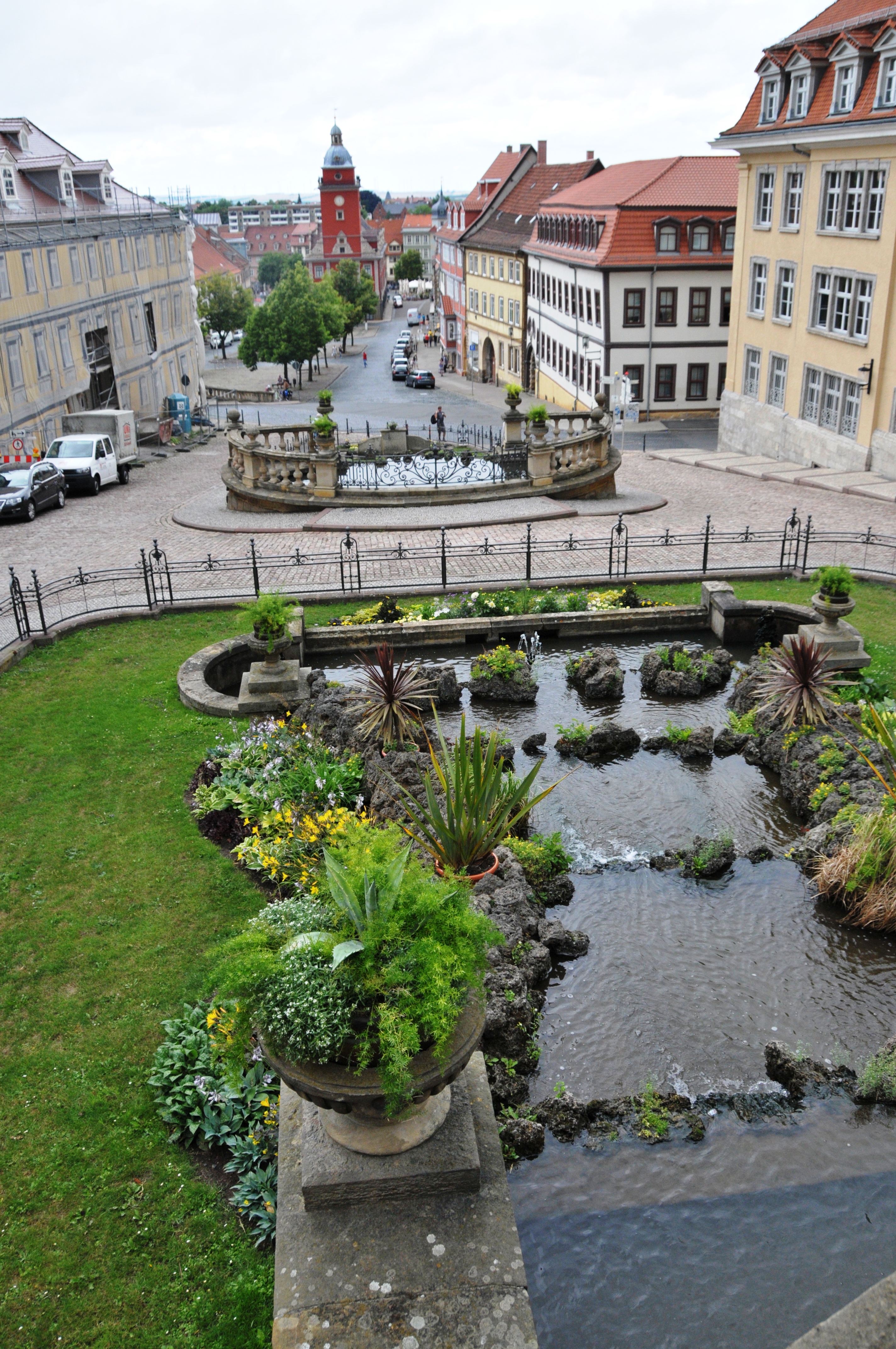
The fountain sits in a modest plaza surrounded by historic buildings, creating a picturesque backdrop that frames the water’s gentle arc. While the exact height and altitude of the structure remain undocumented, its presence is unmistakable—an elegant stone basin fed by a steady stream that has been maintained for centuries.
Historical Roots
Wasserkunst’s origins are rooted in Gotha’s rich ducal past. According to the German Wikipedia entry on the fountain, it was originally commissioned as a “water art” (the literal translation of Wasserkunst) for the city’s court gardens. Over the years, the fountain has survived wars, renovations, and shifting urban landscapes, emerging each time as a symbol of the city’s resilience and love for public art.
Cultural Significance
In German towns, fountains often serve as communal gathering points, and Wasserkunst is no exception. It has traditionally been a meeting place for locals, a backdrop for seasonal festivals, and a favorite subject for postcard photographers. Its continuous flow reflects the city’s commitment to preserving heritage while providing a family‑friendly attraction that blends history with everyday life.
3. How to Get There
By Train
- Gotha Station (Gotha Hauptbahnhof) is a major stop on the Thuringian Railway (Thüringer Bahn) and is well‑connected to major German cities such as Erfurt, Leipzig, and Frankfurt.
- From the station, the fountain is a 10‑minute walk (approximately 800 m). Head south on Bahnhofstraße, turn left onto Marktstraße, and you’ll spot the fountain’s stone basin in the historic square.
By Car
- Parking: The city offers several public parking garages within walking distance of the city center, notably the Parkhaus Am Markt and Parkhaus Am Schloss. Street parking is also available but be mindful of local time‑restricted zones.
- Navigation: Input the coordinates 50.947113, 10.703046 into your GPS or use “Wasserkunst Gotha” as the destination.
By Bike or On Foot
Gotha is a bike‑friendly city with dedicated lanes that lead straight to the historic core. If you’re staying at a local hotel or guesthouse, a short stroll will bring you to the fountain, allowing you to soak in the city’s medieval atmosphere en route.
4. Best Time to Visit
Spring (April–June)
- Why: The surrounding gardens burst into bloom, providing a colorful frame for the fountain’s clear water.
- Tip: Early mornings are quieter, perfect for photography.
Summer (July–August)
- Why: Warm weather makes the fountain’s cool mist especially refreshing.
- Tip: Look out for local festivals; the fountain often becomes a centerpiece for evening concerts and open‑air markets.
Autumn (September–October)
- Why: Golden foliage adds a romantic hue to the stonework, and the tourist crowds thin out.
- Tip: Bring a light jacket; evenings can be crisp.
Winter (November–March)
- Why: While the water may be partially frozen, the fountain takes on a serene, almost mystical quality.
- Tip: Check the city’s event calendar—holiday lights sometimes illuminate the fountain, creating a magical winter scene.
5. What to Expect
Visual & Sensory Experience
Approaching Wasserkunst, you’ll first notice the gentle sound of flowing water, a calming soundtrack that contrasts with the bustling city streets. The fountain’s design features a stone basin that collects the water before it cascades down a modest, sculpted lip, creating a steady, rhythmic splash.
Photographic Opportunities
- Golden Hour: The low sun casts warm highlights on the stone, making for striking silhouettes.
- Nighttime: When illuminated, the fountain glows with soft amber light—ideal for long‑exposure shots.
Social Atmosphere
Locals often gather on the surrounding benches, especially in the summer, to chat, read, or enjoy a coffee from nearby cafés. The fountain’s central location makes it a natural meeting point for guided walking tours, so you may hear snippets of local history being shared by enthusiastic guides.
6. Nearby Attractions
While Wasserkunst is a highlight on its own, the surrounding area offers several complementary sites that can fill an entire day of exploration:
| Attraction | Distance | Type | Quick Note |
|---|---|---|---|
| [Waterfall] (unnamed) | 0.0 km | Waterfall | A small natural cascade hidden nearby—perfect for a quick splash. |
| Wasserkunst (fountain) | 0.0 km | Fountain | The same historic fountain—revisit from different angles! |
| Wasserkunst (fountain) | 0.0 km | Fountain | Another viewpoint of the fountain’s basin. |
| Wasserkunst (fountain) | 0.1 km | Fountain | A short walk leads to a secondary stone basin. |
| [Unnamed Fountain] | 0.1 km | Fountain | A charming municipal fountain just around the corner. |
All distances are walkable, making it easy to create a “water‑themed” walking tour of Gotha.
Additional Recommendations
- Gotha Palace (Schloss Friedenstein): A short 15‑minute walk north, this baroque palace houses several museums, including the German Fairy Tale Museum.
- St. Margarethen Church: An impressive Gothic structure offering panoramic city views from its tower.
- Eisenach’s Wartburg Castle: While a bit farther (about 30 km), it’s a doable day‑trip for history enthusiasts.
7. Travel Tips
| Tip | Details |
|---|---|
| Bring a reusable water bottle | You can refill it at the fountain’s spout—eco‑friendly and free! |
| Wear comfortable shoes | The historic cobblestones can be uneven. |
| Check local event calendars | Seasonal festivals often feature live music near the fountain. |
| Respect the space | While the fountain is public, avoid climbing on the stonework to preserve its condition. |
| Currency | Germany uses the Euro (€). Most places accept credit cards, but small vendors may prefer cash. |
| Language | German is the primary language; however, most tourism staff speak English. |
| Safety | The area is safe day and night, but keep an eye on personal belongings, especially during crowded events. |
| Connectivity | Free Wi‑Fi is available at many cafés around the historic center; you can also use the city’s public Wi‑Fi hotspots. |
Final Thoughts
Wasserkunst may not be the towering marble masterpiece of Rome’s Trevi Fountain, but its modest charm and deep roots in Gotha’s history make it a must‑see destination for any traveler exploring Thuringia. The fountain offers a perfect blend of cultural heritage, visual beauty, and peaceful respite—all within a compact, walkable city center.
So, the next time you find yourself in the heart of Germany’s “green heart,” pause at Wasserkunst. Let the cool mist refresh your senses, capture a few memorable photos, and soak up the stories that have flowed through this fountain for generations. Happy travels!