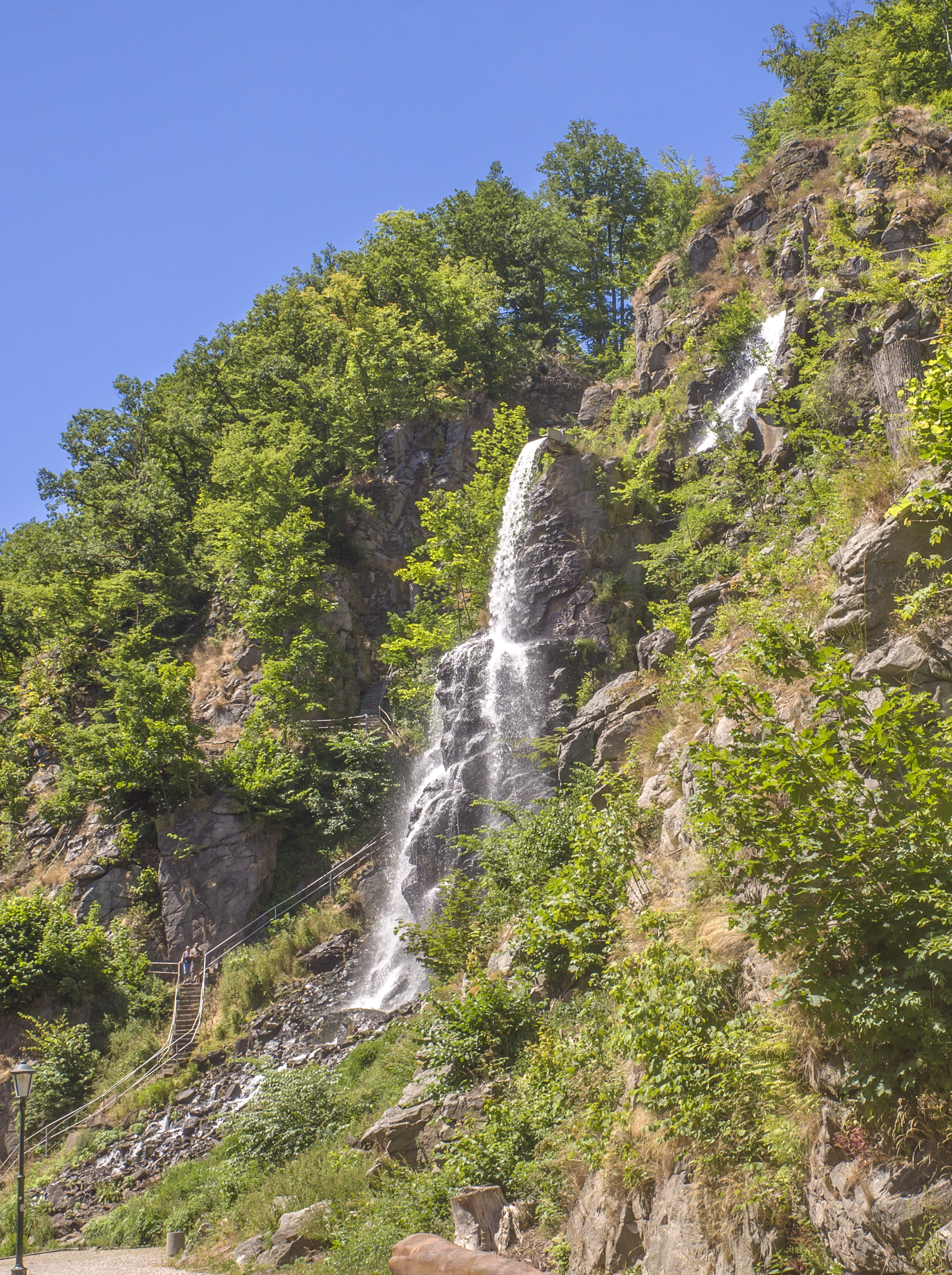
Trusetaler Wasserfall – A Hidden Gem in Thuringia’s Forested Heart
If you’re chasing the sound of rushing water deep in the German countryside, the Trusetaler Wasserfall is the secret waterfall you’ve been waiting for. Nestled in the tranquil valley of Trusetal, this modest cascade may not boast towering heights, but its serene setting, crisp forest air, and untouched charm make it a must‑see stop for any nature‑lover exploring Thuringia. In this guide we’ll uncover everything you need to know to plan an unforgettable visit—from how to get there, to the best time of year to soak up the scenery, and the nearby attractions that round out a perfect day in the region.
1. About Trusetaler Wasserfall
Location: Trusetal, Thuringia, Germany
Coordinates: 50.795366 N, 10.417597 E
The Trusetaler Wasserfall (literally “Trusetal Waterfall”) is a small but enchanting waterfall that tumbles over a rocky ledge into a clear, shallow pool surrounded by mixed beech and spruce forest. While official records list the waterfall’s height and altitude as “unknown,” the lack of commercial development around it tells you everything you need to know: this is a place where nature still writes its own script.
Historically, the Trusetal valley has been a quiet agricultural and forestry region. The waterfall itself is not associated with a famous legend or historic battle, but locals have long regarded it as a natural “water‑spirit” spot—a place for quiet reflection, picnics, and occasional summer swims. Its relative obscurity has helped preserve the surrounding ecosystem, making the area a haven for birds, amphibians, and hikers seeking a slice of unspoiled German wilderness.
2. How to Get There
By Car
The most straightforward way to reach the Trusetaler Wasserfall is by car. From the A4 motorway (the main east‑west artery across Thuringia), take the exit for Bad Salzungen and follow the signs toward Trusetal. The drive from Bad Salzungen to the waterfall is roughly 15 km on well‑maintained country roads (B85 and local L‑roads). Parking is available at the designated trailhead just outside the village of Trusetal; look for the small wooden sign that reads “Wanderparkplatz Trusetaler Wasserfall.”
By Public Transport
If you prefer trains, catch a regional service to Bad Salzungen (Deutsche Bahn RE/ RB lines). From the Bad Salzungen station, a local bus (line 610) runs twice daily to Trusetal. The bus stop is a short walk from the trailhead. Note that the bus schedule is limited on weekends, so plan accordingly.
Hiking from the Village
The waterfall is a gentle 1.5 km hike from the center of Trusetal. The trail is marked with yellow “Wanderweg” signs and is suitable for all fitness levels. Expect a mild ascent of about 80 m, with occasional wooden boardwalks that keep your boots dry during wetter months.
Pro tip: If you’re staying in Bad Salzungen or the nearby town of Ruhla, consider renting a bike. The bike route follows the same country roads and offers a scenic, low‑traffic ride to the waterfall.
3. Best Time to Visit
| Season | What to Expect | Why It’s Ideal |
|---|---|---|
| Spring (April–June) | Fresh meltwater swells the cascade, wildflowers carpet the forest floor. | The waterfall is at its most vigorous, and the forest is alive with birdsong. |
| Summer (July–August) | Warm days make the pool inviting for a quick dip. | Longer daylight hours give you more time for hiking and picnicking. |
| Autumn (September–October) | Brilliant foliage—golden beech and copper spruce. | The waterfall’s flow steadies, and the cooler air is perfect for photography. |
| Winter (November–March) | Snow‑covered trees, icy spray, occasional frozen sections. | For the adventurous, a winter walk offers dramatic, quiet landscapes. |
Overall, late spring to early autumn provides the most comfortable weather and the most reliable water flow, making it the peak season for visitors.
4. What to Expect
When you arrive at the trailhead, the first thing you’ll notice is the crisp, pine‑scented air. The path gently winds through a mixed forest, and after a few minutes you’ll hear the faint murmur of water before the waterfall comes into view.
The Trusetaler Wasserfall itself is modest—about a few meters wide and a short drop—yet the surrounding pool is crystal clear, reflecting the canopy above like a natural mirror. In summer, locals often sit on smooth stones to cool their feet, while photographers chase the interplay of light and water droplets.
Because the area is not heavily trafficked, you’ll likely enjoy a sense of solitude. Wildlife such as European green woodpeckers, red‑breasted bullfinches, and occasional Eurasian otters can be spotted near the water’s edge. The trail is well‑maintained but still retains a rustic feel, with occasional wooden bridges and informative boards that explain the local flora.
5. Nearby Attractions
While the waterfall is the star of the show, the Trusetal valley offers several complementary natural sights within a short walk:
| Attraction | Distance | Type | Why Visit |
|---|---|---|---|
| Local Spring | 1.0 km | Spring | A clear, bubbling spring perfect for a quick refresh. |
| Historic Fountain | 1.2 km | Fountain | A charming stone fountain that once supplied water to the village. |
| Small Weir | 1.3 km | Weir | An old wooden weir that showcases traditional water‑management techniques. |
| Second Fountain | 1.3 km | Fountain | A picturesque spot ideal for a photo break. |
| Additional Weir | 1.4 km | Weir | Offers insight into the valley’s historic milling industry. |
These attractions are all accessible via the same forest trail, allowing you to create a relaxed, self‑guided loop that takes about 2 hours total. For more detailed information on each site, you can consult the Trusetal municipality website or the local tourist office in Bad Salzungen.
6. Travel Tips
| Tip | Details |
|---|---|
| Footwear | Wear sturdy, waterproof hiking boots. The trail can be slippery after rain. |
| Weather Check | The Thuringian weather can change quickly; bring a lightweight rain jacket. |
| Leave No Trace | There are no trash bins at the waterfall, so pack out all litter. |
| Photography | Early morning or late afternoon provides the best natural light; bring a polarizing filter to reduce glare on the water. |
| Food & Drink | Carry a water bottle and a packed lunch. There are no cafés directly at the waterfall, but the village of Trusetal has a small bakery offering fresh pretzels and coffee. |
| Safety | The pool is shallow but can be slippery; keep an eye on children and avoid swimming after heavy rain when currents may be stronger. |
| Seasonal Gear | In winter, dress in layers and consider crampons or microspikes for icy sections. |
| Local Events | Check the Bad Salzungen tourism calendar—sometimes the region hosts “Wasserfallfest” (waterfall festivals) with guided hikes and local crafts. |
7. Wrap‑Up: Why Trusetaler Wasserfall Should Be on Your List
The Trusetaler Wasserfall may not make the headlines like the mighty Rhine or the dramatic Triberg Waterfalls, but its quiet allure is exactly what many travelers crave today: an authentic, low‑key encounter with nature that feels untouched by mass tourism. Its easy accessibility, gentle hiking route, and surrounding forest make it a perfect half‑day excursion for families, solo adventurers, and photographers alike.
When you combine the waterfall with the nearby springs, historic fountains, and traditional weirs, you get a compact yet rich portrait of Thuringia’s natural and cultural heritage. Whether you’re on a road trip across Germany, a dedicated “waterfall‑hopping” tour, or simply looking for a peaceful spot to unwind, the Trusetaler Wasserfall invites you to pause, listen to the soothing rush of water, and let the forest’s calm restore your spirit.
Ready to chase the cascade? Pack your boots, map out your route, and head to Trusetal—where the water whispers, the trees welcome, and every visit feels like a secret discovered.
Happy travels, and may the sound of Trusetaler Wasserfall echo in your memories for years to come!