Ochsenauge (Leutraquelle) – A Hidden Fountain Gem in Weimar, Thuringia
Discover the tranquil charm of the Leutraquelle, a historic fountain tucked away in the heart of Weimar’s green landscape.
1. Introduction
If you think the cultural highlights of Weimar are limited to Goethe’s house, the Bauhaus Museum, and the historic Schlosspark, think again. Just a short stroll from the city centre lies Och senauge (Leutraquelle) – a modest yet captivating fountain that has quietly quenched the thirst of locals for centuries. The name “Ochsenauge” (literally “ox’s eye”) evokes the crystal‑clear spring that bubbles up from the Leutra River’s source, while “Leutraquelle” simply means “Leutra spring.” Whether you’re a history buff, a nature lover, or a photographer hunting for off‑the‑beaten‑path scenery, this little water‑feature offers a peaceful pause in the bustling cultural itinerary of Weimar, Thuringia.
2. About Ochsenauge (Leutraquelle)
A Brief Description
- Type: Fountain (spring source)
- Location: Weimar, Thuringia, Germany
- Coordinates: 50.979750 N, 11.334426 E
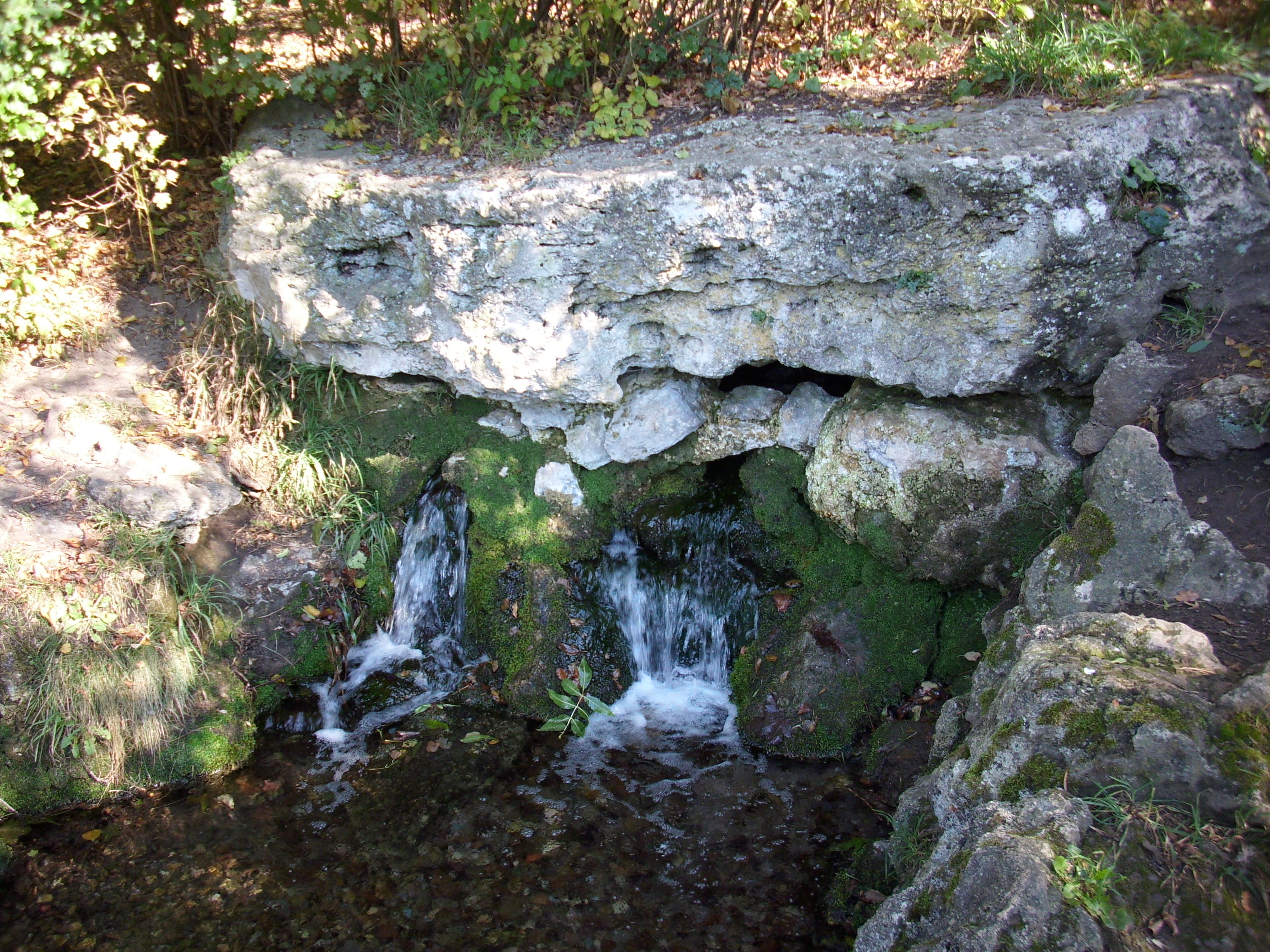
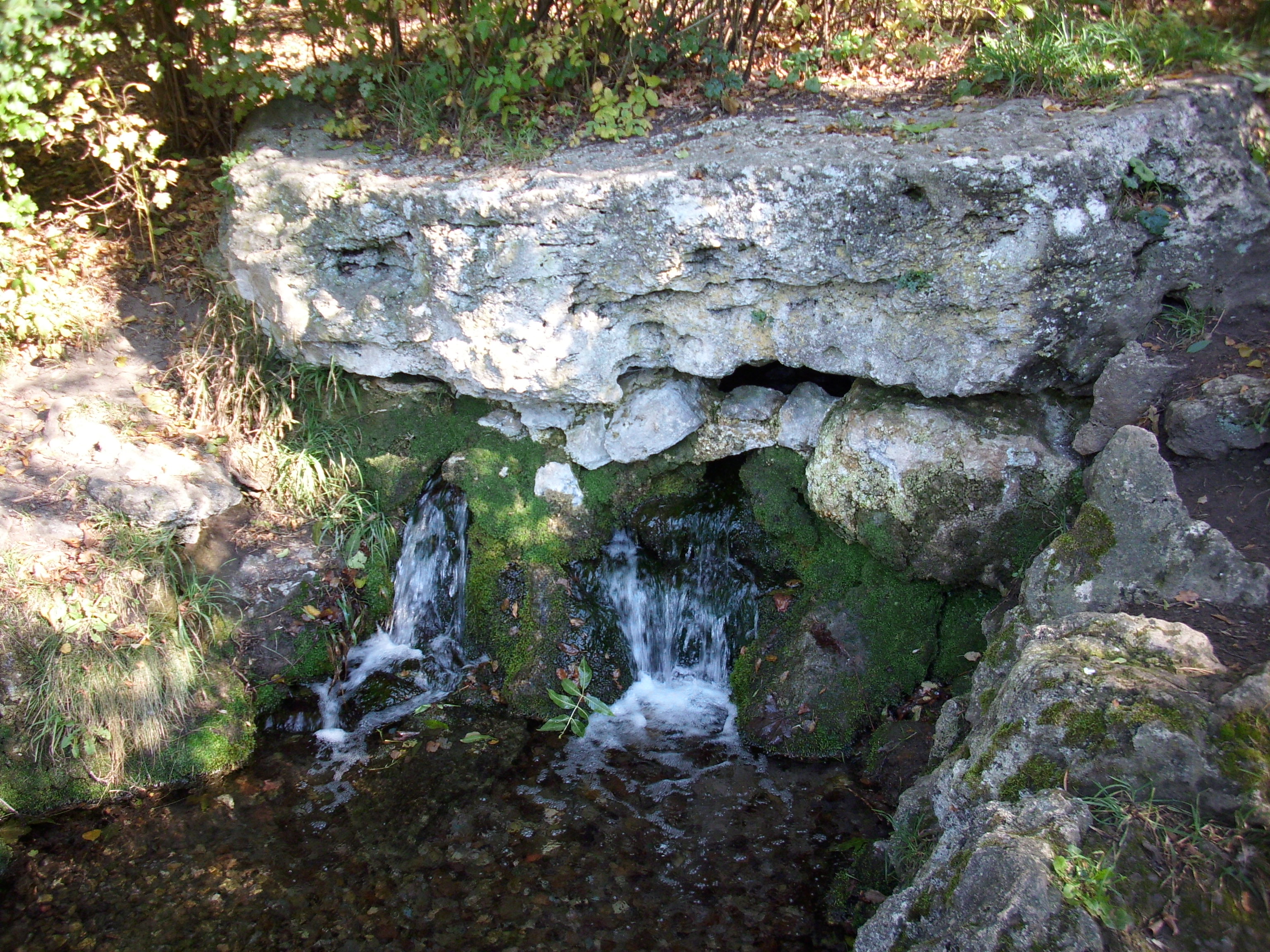
The fountain consists of a stone basin that captures the natural spring water of the Leutra River. The water emerges from a modest opening that resembles an “ox’s eye,” giving the site its nickname. The surrounding area is a lightly wooded, park‑like setting that feels like a small oasis within the city limits.
Historical Roots
The Leutraquelle has been part of Weimar’s water supply network since medieval times. While exact construction dates are not documented, the spring’s presence is recorded in local archives and on the German Wikipedia page for the Leutraquelle in Weimar. Historically, the spring fed the nearby Leutra River, which in turn powered mills and provided drinking water for the town. Over the centuries, the fountain has been maintained by the city and remains a symbol of the region’s close relationship with its natural water sources.
Cultural Significance
In a city celebrated for its literary and artistic heritage, the Ochsenauge fountain stands as a reminder of the everyday life that sustained Weimar’s great thinkers. Goethe and Schiller were known to take walks along the Leutra’s banks, and the fountain would have been a familiar landmark for them. Today, it serves as a quiet meeting point for locals, a spot for picnics, and a photo backdrop for travelers seeking a glimpse of authentic Thuringian charm.
3. How to Get There
By Train
- Weimar Hauptbahnhof is the main railway hub, served by ICE, IC, and regional trains from Berlin, Leipzig, and Frankfurt.
- From the station, hop on bus line 5 (direction “Weimar‑Weißensee”) and alight at the “Leutraquelle” stop (approximately a 10‑minute ride).
By Car
- From the A4 motorway, take the Weimar exit and follow signs for the city centre (Weimar‑Altstadt).
- Parking is available at the Parkhaus am Markt (city centre) or the free street parking near the Kleinode. From there, it’s a 15‑minute walk (≈1 km).
On Foot or Bike
- The fountain lies 0.0 km from the historic centre, making it a perfect walking or cycling destination.
- Use the city’s bike‑share system (e.g., Nextbike) and dock a bike near the Kunstmuseum; the route to Ochsenauge follows well‑marked bike lanes along the Leutra River.
Quick Map
Open in Google Maps – coordinates 50.979750, 11.334426.
4. Best Time to Visit
| Season | Why It Works | Tips |
|---|---|---|
| Spring (April‑May) | The surrounding trees burst into fresh green, and the spring water feels especially crisp. | Bring a light jacket; the area can be misty. |
| Summer (June‑August) | Longer daylight hours allow for relaxed picnics and sunset photography. | Arrive early to avoid occasional crowds from nearby parks. |
| Autumn (September‑October) | Golden foliage adds a warm glow to the fountain’s stone. | Perfect for a quiet walk after the city’s museum crowds thin out. |
| Winter (November‑March) | The fountain takes on a serene, almost mystical look when dusted with snow. | Dress warmly; the water may be partially frozen but still beautiful. |
Overall, late spring to early autumn offers the most comfortable weather for strolling and enjoying the natural setting.
5. What to Expect
When you arrive at Ochsenauge, you’ll be greeted by a modest stone basin filled with clear, gently flowing water. The sound of the spring creates a soothing backdrop, especially on warm days when the surrounding trees provide shade. The area is maintained as a public space, so you’ll find benches, a few informational plaques (in German), and well‑kept pathways.
Photography – The fountain’s simple design makes it ideal for minimalist shots. Capture the water’s ripple, frame the stone against the canopy, or experiment with long‑exposure techniques for a silky‑smooth effect.
Relaxation – Many locals sit on the benches to read, chat, or simply enjoy the quiet. The spot is also popular with dog walkers and families on weekend outings.
Accessibility – The path leading to the fountain is paved and wheelchair‑friendly, though a slight incline exists near the riverbank. The site is open year‑round and free of charge.
6. Nearby Attractions
While Ochsenauge is a destination in itself, the surrounding area boasts several other points of interest that can easily be combined into a half‑day itinerary.
| Attraction | Distance | What to See |
|---|---|---|
| Läuterquelle (fountain) | 0.0 km | Another historic spring, perfect for a quick water‑taste comparison. |
| Wehr Burgmühle (weir) | 0.2 km | A small historic weir on the Leutra River; great for a short walk along the water. |
| Ildefonso‑Brunnen (fountain) | 0.2 km | A decorative fountain with ornate ironwork, located near the city’s cultural quarter. |
| Brunnen am Haus der Frau von Stein (fountain) | 0.3 km | A charming fountain situated beside the historic “Haus der Frau von Stein,” a small museum dedicated to local heritage. |
All links above can be turned into clickable anchors to local tourism pages or Wikipedia entries when publishing online.
7. Travel Tips
- Check the Weather – The fountain’s surroundings are open and exposed; a rainy day can make the path slippery. Pack a waterproof jacket just in case.
- Stay Hydrated – While the spring water is beautiful to look at, it is not recommended for drinking unless clearly marked as potable. Bring your own bottle.
- Respect the Space – Keep the area clean; there are waste bins nearby, but they fill up quickly during peak tourist seasons.
- Timing – Early morning (7 – 9 am) offers the softest light for photography and the fewest visitors.
- Combine with Culture – After visiting Ochsenauge, walk to the nearby Bauhaus Museum or Goethe National Museum for a full cultural immersion.
- Bike Rental – If you’re staying outside the city centre, renting a bike is the most efficient way to reach the fountain and the other nearby springs.
- Local Events – Occasionally, the city hosts small outdoor concerts or art installations near the Leutra River. Check the Weimar tourism website for current events.
Final Thought
Ochsenauge (Leutraquelle) may not have the grandeur of a palace or the fame of a world‑renowned museum, but its understated beauty offers a genuine slice of Weimar life. It’s a place where water, stone, and history converge, inviting travelers to pause, breathe, and soak in the quiet rhythm of Thuringia’s natural heritage. Add this hidden fountain to your itinerary, and you’ll discover a refreshing perspective on a city already celebrated for its artistic legacy.
Happy travels, and may the spring’s clear waters inspire your own journey!