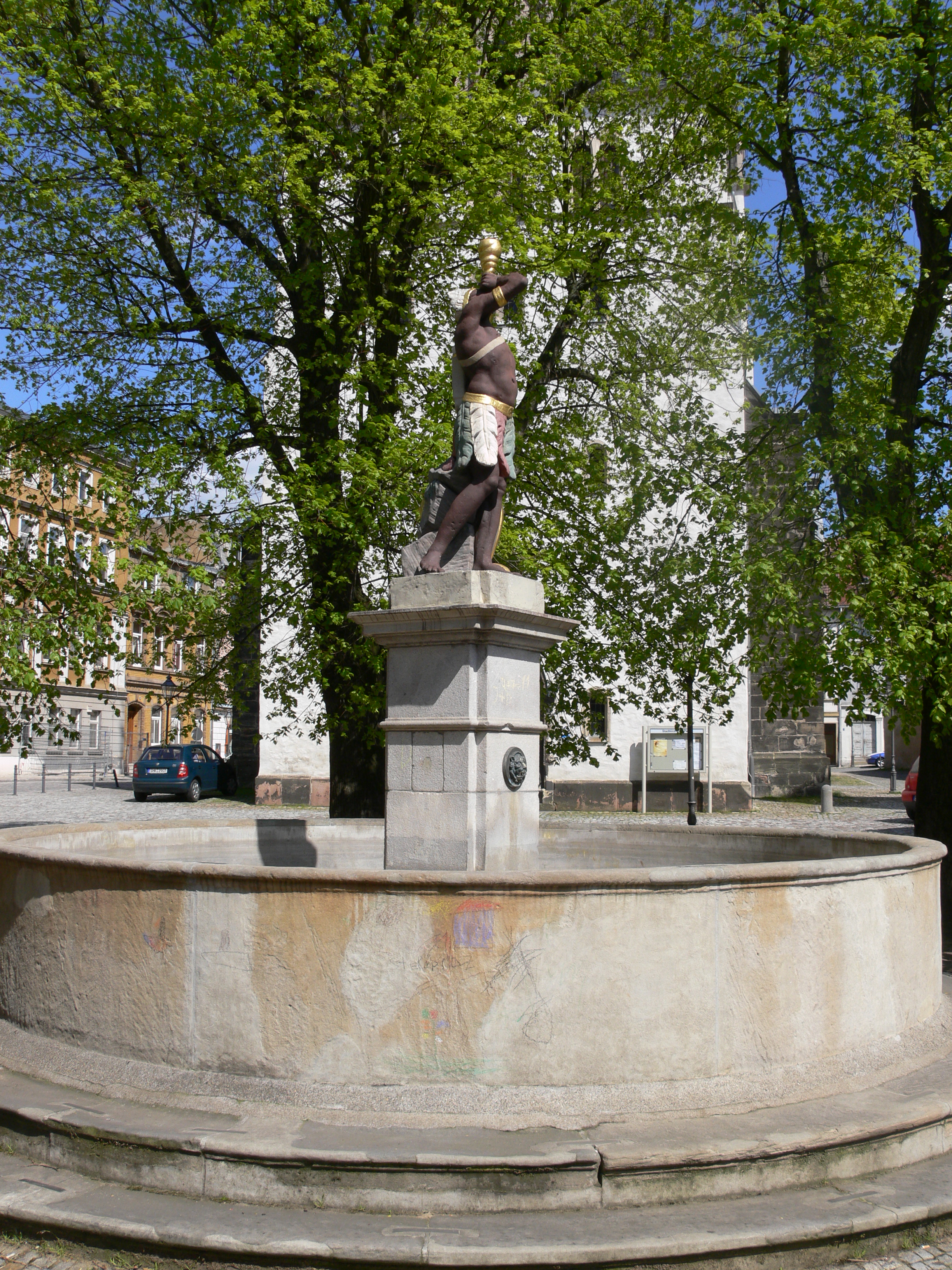
Mohrenbrunnen – The Hidden Fountain Gem of Eisenberg, Thuringia
Discover the charm of a historic German fountain tucked away in the heart of Thuringia. Whether you’re a cultural explorer, a photography enthusiast, or simply passing through Eisenberg, Mohrenbrunnen offers a quiet moment of beauty and local heritage.
1. Introduction
Imagine strolling through the cobblestone streets of a small German town, the scent of fresh‑baked pretzels drifting from a nearby bakery, and the gentle sound of water bubbling from a centuries‑old stone basin. That’s the experience waiting at Mohrenbrunnen, a modest yet captivating fountain perched in the historic center of Eisenberg, Thuringia. While it may not dominate guidebooks, this fountain is a perfect illustration of the region’s layered history and the understated elegance of German public art.
If you’re planning a road trip across central Germany, a weekend getaway to Thuringia, or simply looking for a photogenic spot off the beaten path, Mohrenbrunnen should earn a place on your itinerary. In this guide, we’ll dive into the fountain’s background, how to reach it, the ideal visiting times, what you’ll see on site, nearby attractions, and practical travel tips to make your visit smooth and memorable.
2. About Mohrenbrunnen
A Brief Description
Mohrenbrunnen is a historic fountain located at the coordinates 50.968505, 11.905423 in the town centre of Eisenberg. The fountain’s stone basin and sculptural elements blend seamlessly with the surrounding Renaissance‑era architecture, creating a picturesque focal point for locals and visitors alike. While the exact height of the fountain remains undocumented, its modest scale invites close‑up appreciation of the craftsmanship and the water’s soothing flow.
Historical Roots
The name “Mohrenbrunnen” (literally “Moor’s Fountain”) traces back to a period when such fountains often bore names reflecting the cultural or artistic influences of their era. Though detailed records of its construction date are scarce, the fountain is believed to have been erected during the 18th‑century Baroque revival that swept through many Thuringian towns, a time when public water sources were both functional and decorative.
Over the centuries, Mohrenbrunnen has served as a communal gathering point—first as a source of drinking water, later as a meeting spot for market days, and today as a tranquil backdrop for tourists snapping photos. Its endurance mirrors Eisenberg’s own resilience, having weathered wars, political changes, and urban development while retaining its historic charm.
Cultural Significance
In Eisenberg, the fountain is more than a decorative element; it’s a symbol of civic pride. Local festivals often incorporate the fountain’s square, and the water’s steady flow is a reminder of the town’s long‑standing relationship with its natural resources. For history buffs, the fountain offers a tangible link to the town’s past public‑works projects and the broader tradition of German fountains that combine utility with artistry.
3. How to Get There
By Car
- From Erfurt (Thuringia’s capital): Take the A71 southbound toward Saalfeld, exit at Eisenberg (approximately 90 km, 1 hour 15 minutes). Follow signs for the town centre; Mohrenbrunnen sits within walking distance of the main parking area near the Stadtpark.
- From Leipzig: Follow the A9 north to the B180 exit for Eisenach, then continue on B4 and B85 to Eisenberg. The drive is roughly 120 km (about 1 hour 45 minutes).
Parking tip: The municipal parking lot on Marktplatz offers short‑term spaces free of charge. From there, it’s a 2‑minute walk to the fountain.
By Train
Eisenberg is served by regional trains on the Saale‑Thüringen Railway line. The Eisenberg (Thür) station is a 10‑minute walk from Mohrenbrunnen. Frequent connections run from Erfurt, Jena, and Saalfeld.
- From Erfurt Hauptbahnhof: Direct regional train (RE) to Eisenberg, approx. 1 hour.
- From Jena Paradies: RE train, about 45 minutes.
From the station, head south on Bahnhofstraße, cross the Kleine Saale bridge, and you’ll spot the fountain’s stone basin at the intersection of Marktplatz and Marktstraße.
By Bike
Thuringia’s well‑maintained cycling routes make Mohrenbrunnen an attractive stop for bike tourists. The Thüringer Radweg (Thuringian Bike Trail) passes near Eisenberg; you can join the local loop that leads directly into the town centre. Bike racks are available beside the fountain for secure parking.
GPS Navigation
Enter the coordinates 50.968505, 11.905423 into your navigation app, or click this Google Maps link for instant directions.
4. Best Time to Visit
| Season | Weather & Atmosphere | Why Visit |
|---|---|---|
| Spring (April‑June) | Mild temperatures (10‑20 °C), blooming gardens around the town square. | The fountain’s water glistens under fresh sunshine; perfect for photos and leisurely walks. |
| Summer (July‑August) | Warm (20‑28 °C), occasional thunderstorms. | Longer daylight hours let you enjoy the fountain’s cool mist in the evening; nearby cafés stay open late. |
| Autumn (September‑October) | Crisp air, colorful foliage in surrounding parks. | The historic stone looks striking against amber leaves; fewer tourists, a tranquil vibe. |
| Winter (November‑March) | Cold (0‑5 °C), occasional snow. | The fountain takes on a magical, quiet ambiance; ideal for a serene winter stroll. |
Recommendation: For optimal lighting and comfortable weather, aim for late spring (May‑June) or early autumn (September). Both periods provide pleasant temperatures, vibrant surroundings, and fewer crowds than peak summer.
5. What to Expect
Visual Experience
Approaching Mohrenbrunnen, you’ll first notice its stone basin, expertly carved with subtle ornamental motifs that echo Baroque sensibilities. The water emerges from a modest central nozzle, forming a gentle plume that cascades back into the basin, creating a soothing, rhythmic sound. The fountain is framed by historic half‑timbered houses, their pastel façades reflecting the soft glow of the afternoon sun.
Atmosphere
The square surrounding the fountain is a lively yet relaxed space. Locals often sit on nearby benches, sipping coffee from the adjacent café, while children play nearby. During market days, stalls line the streets, and the fountain becomes a natural backdrop for local produce and handcrafted goods.
Photographic Highlights
- Close‑up details: Capture the texture of the stone and the water’s movement.
- Wide‑angle cityscape: Include the surrounding historic buildings for context.
- Night shots: The fountain is illuminated by subtle lighting, offering a romantic evening scene.
Accessibility
The fountain sits on a level, paved plaza, making it wheelchair‑friendly. Ramps are present at the main entrances to the square, and the surrounding sidewalks are smooth and well‑maintained.
6. Nearby Attractions
While Mohrenbrunnen is a highlight on its own, the Eisenberg area boasts several other points of interest within walking distance. Here are the most convenient spots to add to your itinerary:
| Attraction | Distance | Type | Quick Link |
|---|---|---|---|
| Fountain A | 0.2 km | Fountain | View on Map |
| Fountain B | 0.3 km | Fountain | View on Map |
| Fountain C | 0.6 km | Fountain | View on Map |
| Spring D | 2.4 km | Spring | View on Map |
| Spring E | 2.7 km | Spring | View on Map |
Other Must‑See Sites in Eisenberg
- St. Michael’s Church: A Gothic‑Renaissance church just a few minutes from the fountain, known for its impressive organ and historic frescoes.
- Eisenberg Castle Ruins: Perched on a hill overlooking the town, the ruins offer panoramic views and a glimpse into medieval fortifications.
- Thuringian Museum of Local History: Located on Marktstraße, this museum presents artifacts that trace Eisenberg’s development from a medieval market town to the present day.
7. Travel Tips
- Timing is everything – Arrive early (around 9 am) on weekdays to enjoy the fountain before any market stalls set up. This gives you a quiet environment for photos and contemplation.
- Cash for small purchases – While most cafés accept cards, some local vendors at the market still prefer cash (Euro). Carry a modest amount for souvenirs or snacks.
- Stay hydrated – Even though the fountain is beautiful, the water is not potable. Bring a reusable bottle for drinking water, which you can refill at nearby public fountains or cafés.
- Respect the heritage – Mohrenbrunnen is a protected historic monument. Avoid climbing on the stonework and keep the area clean.
- Photography etiquette – If you’re using a tripod, be mindful of other visitors and check local regulations; some plazas restrict tripod use during busy periods.
- Local events – Check Eisenberg’s municipal website before your trip. The town often hosts folk music evenings, craft fairs, and seasonal festivals that use the fountain square as a central stage.
- Public transport tickets – If you’re traveling by train, consider a Thüringen Ticket (regional day pass) for unlimited travel on regional trains and buses throughout Thuringia. It’s cost‑effective and eco‑friendly.
- Weather preparedness – In summer, bring a lightweight rain jacket; thunderstorms can develop quickly. In winter, wear insulated footwear as the stone can become slippery when wet.
Final Thoughts
Mohrenbrunnen may be modest in size, but its blend of historic charm, serene water, and central location make it a must‑visit stop for anyone exploring Eisenberg or the broader Thuringian region. Pair the fountain with a leisurely stroll through the town’s cobbled streets, a coffee at a local café, and perhaps a visit to the nearby castle ruins, and you’ll experience a slice of authentic German small‑town life.
Pack your camera, slip on comfortable shoes, and let the gentle splash of Mohrenbrunnen guide you into the heart of Thuringia’s timeless allure.
Keywords: Mohrenbrunnen, Eisenberg Thuringia, German fountain, travel Thuringia, things to do in Eisenberg, historic fountains Germany, day trip Thuringia, visit Eisenberg, Thuringian attractions