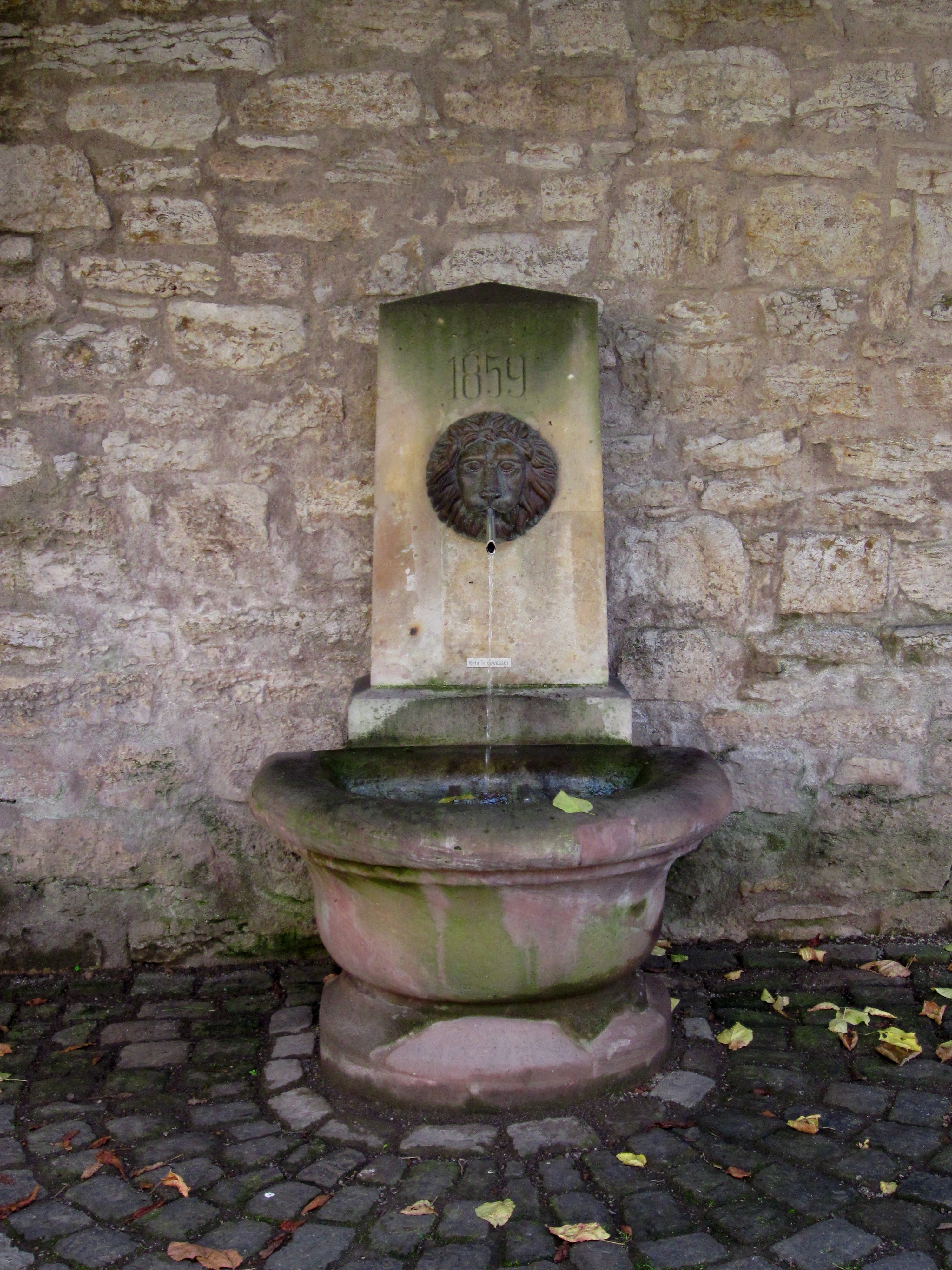
Brunnen am Graben – A Hidden Fountain Gem in the Heart of Weimar, Thuringia
Discover the charm of one of Weimar’s lesser‑known water features, explore its historic surroundings, and plan a perfect day in Thuringia’s cultural capital.
Introduction
If you’re wandering the elegant streets of Weimar, the city that birthed German classicism and the Bauhaus movement, you might think the main attractions are the Goethe‑Schiller‑Museum or the historic Bauhaus sites. Yet, tucked away on a quiet corner of the city’s historic “Graben” (the old moat) lies Brunnen am Graben, a modest yet captivating fountain that offers a peaceful pause amid the cultural bustle. This unassuming water feature is more than just a decorative element – it’s a living piece of Weimar’s urban fabric, echoing centuries of city planning, public life, and the simple joy of a cool splash on a summer’s day.
In this guide, we’ll dive into the story behind Brunnen am Graben, share practical tips on how to reach it, suggest the best times to visit, and point you toward nearby attractions that together create a perfect Weimar itinerary.
About Brunnen am Graben
A Brief Description
- Name: Brunnen am Graben
- Type: Fountain ⛲
- Location: Weimar, Thuringia, Germany
- Coordinates: 50.981998 N, 11.326451 E
The fountain sits on the historic Graben, the former defensive ditch that once surrounded the medieval town. While its exact height and altitude remain undocumented, the structure blends seamlessly with the surrounding cobblestones and the leafy avenues of the old city center. Its stone basin collects clear water that gently cascades over simple ornamental edges, creating a soothing soundscape that contrasts with the nearby bustling cafés and museums.
Historical Context
The Graben itself dates back to the 12th‑century fortifications of Weimar. Over the centuries, as the city evolved from a fortified medieval town into a cultural hub of the Enlightenment, the ditch was transformed into a pleasant promenade lined with trees and public amenities. Brunnen am Graben was installed as part of this urban renewal, providing a communal water source and a decorative focal point for residents and visitors alike.
Although specific archival records about the fountain’s construction year are scarce, its presence is documented in the German Wikipedia entry for Brunnen am Graben (Weimar), confirming its role as a longstanding element of the cityscape. The fountain has survived wars, regime changes, and the ebb and flow of tourism, remaining a quiet testament to Weimar’s dedication to preserving public spaces.
Cultural Significance
In a city celebrated for its literary giants (Goethe, Schiller) and artistic innovators (Bauhaus), Brunnen am Graben represents the everyday life that nurtured those great minds. Public fountains in German towns historically served both practical and social functions: they supplied clean water, acted as meeting points, and often featured in local festivals. Today, Brunnen am Graben continues to be a meeting spot for locals enjoying a coffee break, a backdrop for Instagram photos, and a subtle reminder of Weimar’s layered history.
How to Get There
By Train
- From Frankfurt/Hamburg/Dresden: Direct ICE or regional trains run to Weimar Hauptbahnhof (main station). The journey from Frankfurt takes about 2 hours, while from Dresden it’s roughly 1.5 hours.
- From the station to the fountain: Exit the station onto Bahnhofstraße, walk east toward the Klassikstadt (Classical City) area, and follow signs to the historic city center. The fountain is a 10‑minute walk (≈800 m) from the station, passing the Bauhaus Museum and the Goethe National Museum.
By Car
- From Autobahn A4: Take the Weimar exit (Kreuz Weimar), follow the B84 toward the city center. Parking options include the Parkhaus am Hauptbahnhof (central parking garage) or several surface lots near the Marktplatz. From any central parking spot, the fountain is a short walk.
By Bus / Tram
- Local bus lines 1, 2, and 8 stop at Weimar, Marktplatz. The tram network is limited, but the bus routes provide convenient access to the historic quarter where Brunnen am Graben sits.
Walking & Cycling
Weimar’s compact old town is pedestrian‑friendly. If you’re staying at a hotel near the Klassikstadt or the Bauhaus-Universität, a leisurely stroll (5–10 minutes) will bring you to the fountain. The city also offers a bike‑share program; a short ride along the Ilm River trail leads directly to the Graben area.
Best Time to Visit
| Season | Why Visit? | Tips |
|---|---|---|
| Spring (April–June) | Blossoming trees along the Graben create a picturesque backdrop. The fountain’s water is especially refreshing after a cool morning walk. | Wear comfortable shoes; the cobblestones can be slippery after rain. |
| Summer (July–August) | Warm days make the fountain’s mist a pleasant cooling spot. Evening concerts are sometimes held nearby. | Arrive early to avoid crowds; bring a refillable water bottle. |
| Autumn (September–October) | Golden foliage adds a romantic ambience; fewer tourists mean a tranquil experience. | Pack a light jacket; evenings can be crisp. |
| Winter (November–March) | The fountain may be partially frozen, offering a unique photo opportunity. The surrounding historic buildings look especially magical with holiday lights. | Check local listings for any seasonal closures; the area is still accessible for a quiet stroll. |
Overall, late spring to early autumn provides the most comfortable weather for enjoying the fountain and its surroundings, but each season offers its own charm.
What to Expect
When you arrive at Brunnen am Graben, you’ll find a modest stone basin set into a paved square, surrounded by mature lime trees and historic façades. The water flows gently, producing a soft, continuous sound that blends with the occasional chatter of passersby.
- Atmosphere: A blend of quiet contemplation and lively city life. Locals often sit on nearby benches, reading or sipping coffee from the cafés that line the Graben.
- Photography: The fountain’s simple design makes it a versatile subject for both wide‑angle shots of the historic street and close‑up details of the water’s texture. Early morning light or golden hour in the evening adds a warm glow.
- Accessibility: The area is wheelchair‑friendly; the path leading to the fountain is level and paved. The water basin is at a low height, allowing easy viewing for all ages.
- Nearby Amenities: A handful of cafés, bakeries, and souvenir shops line the street, offering a perfect spot for a snack after admiring the fountain. Public restrooms are available at the Weimar Tourist Information Center (a short walk away).
Nearby Attractions
While you’re in the vicinity of Brunnen am Graben, take the opportunity to explore several other historic fountains and cultural sites—all within a 0.2 km radius:
| Attraction | Distance | Description |
|---|---|---|
| Bürgerschulbrunnen | 0.1 km | A charming fountain originally placed in front of the former citizens’ school. |
| Geleitbrunnen | 0.1 km | Known for its decorative ironwork, this fountain once marked the city’s ceremonial entrance. |
| Delphinbrunnen | 0.1 km | Featuring dolphin motifs, it adds a playful touch to the historic streetscape. |
| Brunnen am Lesemuseum | 0.1 km | Situated near the Lesemuseum, this fountain complements the literary heritage of Weimar. |
| (Unnamed Fountain) | 0.2 km | Another small water feature that contributes to the city’s network of public fountains. |
All attractions are easily reachable on foot; simply follow the cobblestone lanes that weave through the historic center.
Quick Links:
- Bürgerschulbrunnen (Wikipedia)
- Geleitbrunnen (Wikipedia)
- Delphinbrunnen (Wikipedia)
- Brunnen am Lesemuseum (Wikipedia)
Travel Tips
- Combine with a Cultural Walk – Start at the Goethe National Museum, stroll toward the Bauhaus Museum, and finish at Brunnen am Graben. This route covers major cultural highlights within a 2‑km loop.
- Use the Weimar Tourist Card – The card offers free entry to many museums and unlimited use of public transport, making it cost‑effective for day‑trippers.
- Stay Hydrated – Even though the fountain is decorative, you’ll find refill stations in nearby cafés. Carry a reusable bottle.
- Mind the Weather – In summer, the stone can become warm; a light umbrella or hat provides shade while you admire the water. In winter, wear insulated footwear to navigate any icy patches.
- Respect the Site – As a historic public space, avoid climbing on the fountain’s stonework and keep litter to a minimum.
- Photography Etiquette – If you’re photographing people, ask for permission, especially in close‑up shots. The fountain’s backdrop is ideal for portraiture without needing to intrude.
- Language – Most signs are in German, but English is widely understood in tourist areas. Having a translation app handy can help with menu items or museum descriptions.
Wrap‑Up
Brunnen am Graben may not be the most famous landmark in Weimar, but its quiet elegance offers a unique glimpse into the city’s everyday history. Whether you’re a lover of architecture, a fan of German literature, or simply a traveler seeking a peaceful spot amid cultural riches, this fountain deserves a place on your itinerary.
Plan your visit, wander the historic Graben, and let the gentle flow of water guide you through Weimar’s timeless charm. Happy travels!