Asmussen‑Woldsen‑Denkmal – Husum’s Hidden Fountain Gem
If you think you’ve seen every historic fountain in Germany, think again. Tucked in the heart of Husum, the Asmussen‑Woldsen‑Denkmal (also known as the Tine‑Brunnen) is a beautifully preserved piece of early‑20th‑century art that offers a quiet pause amid the town’s bustling streets. Whether you’re a history buff, an architecture lover, or simply hunting Instagram‑worthy spots, this fountain deserves a place on your Schleswig‑Holstein itinerary.
About Asmussen‑Woldsen‑Denkmal
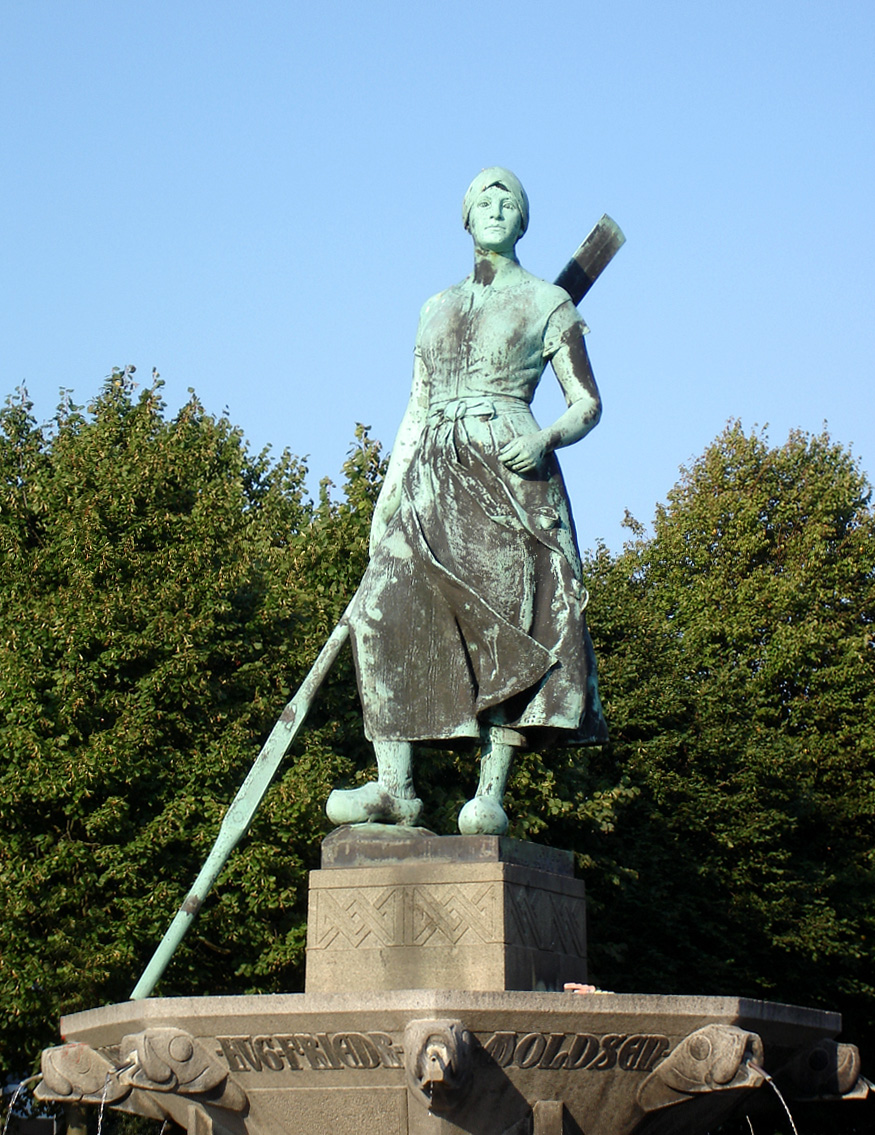
The Asmussen‑Woldsen‑Denkmal is a historic fountain erected in 1902. Designed by the renowned German sculptor Adolf Brütt, the work is officially listed as the Tine‑Brunnen von Adolf Brütt (Tine Fountain). Brütt, celebrated for his naturalistic bronze statues, brought his signature elegance to this public water feature, blending functional design with artistic flair.
Located at 54.476979 N, 9.051674 E in the coastal town of Husum, the fountain stands as a testament to the city’s civic pride at the turn of the 20th century. While the exact height and altitude of the monument remain undocumented, its presence is unmistakable: a gracefully sculpted basin surrounded by ornamental stonework, crowned with a modest yet striking sculptural element that reflects Brütt’s mastery of form.
The name Asmussen‑Woldsen‑Denkmal honors two prominent local families—Asmussen and Woldsen—who contributed to Husum’s cultural and economic development during the late 1800s. Their patronage helped fund the fountain’s construction, making it both a public utility and a commemorative monument. Today, the fountain is not only a functional source of water but also a cultural landmark that connects residents and visitors to Husum’s rich heritage.
How to Get There
By Train
Husum is well‑connected to the German rail network. The Husum Hauptbahnhof lies on the Norddeutsche Bahn line, offering direct services from Hamburg, Kiel, and Flensburg. From the station, the Asmussen‑Woldsen‑Denkmal is a pleasant 10‑minute walk (≈ 800 m) through the town centre. Follow signs for the Marktplatz and you’ll soon spot the fountain’s stone silhouette.
By Car
If you’re driving, plug the coordinates 54.476979, 9.051674 into your GPS. The fountain sits just off Bahnhofstraße, a short detour from the A7 motorway (the main north‑south highway through Schleswig‑Holstein). Parking is available at the municipal Parkhaus Am Markt, a few blocks away, and a short stroll brings you to the monument.
By Bike or On Foot
Husum’s compact historic centre makes the fountain an ideal stop for cyclists and walkers. The city’s bike‑share program, HusumBike, has stations near the train station and the waterfront, allowing you to pedal to the fountain and continue exploring the town’s seaside charm.
Best Time to Visit
- Spring (April–June) – The surrounding gardens begin to bloom, adding a splash of colour to the fountain’s stone. Longer daylight hours mean you can linger without rushing.
- Summer (July–August) – Warm weather draws locals to sit on nearby benches, creating a lively atmosphere. Early mornings are perfect for tranquil photos before the crowds arrive.
- Autumn (September–October) – Soft golden light enhances the bronze details of Brütt’s sculpture, and the cooler temperatures make a relaxed walk pleasant.
- Winter (November–March) – While the fountain may be quieter, the crisp air and occasional frost give the stone a magical, almost ethereal look. Check local event calendars; Husum sometimes hosts seasonal markets near the town centre.
Overall, late spring to early autumn offers the most comfortable weather for strolling and photographing the monument, but each season brings its own unique charm.
What to Expect
Arriving at the Asmussen‑Woldsen‑Denkmal, you’ll first notice the harmonious balance between water, stone, and sculpture. The fountain’s basin gently ripples with fresh water, creating a soothing soundscape that contrasts with Husum’s bustling streets. The central sculptural element—crafted by Adolf Brütt—exudes a quiet dignity, reflecting the neoclassical influences that defined his work.
Visitors often pause to read the inscription (in German) that commemorates the Asmussen and Woldsen families, offering a glimpse into the town’s philanthropic history. The surrounding cobblestones and historic façades of nearby merchant houses provide an authentic backdrop, making the spot perfect for photo opportunities—especially during the golden hour.
Because the fountain is publicly accessible year‑round, you’ll encounter a mix of locals sipping coffee, children playing, and fellow travelers snapping pictures. The atmosphere is relaxed yet reverent, inviting you to linger, reflect, or simply enjoy the gentle spray of water on a warm day.
Nearby Attractions
While the Asmussen‑Woldsen‑Denkmal is a highlight on its own, Husum offers several other points of interest within walking distance:
| Distance | Attraction | Type | Why Visit |
|---|---|---|---|
| 0.0 km | Asmussen‑Woldsen‑Denkmal | Fountain | The main focus of your visit. |
| 0.4 km | Unnamed Fountain | Fountain | A complementary water feature that showcases local design trends. |
| 0.4 km | Viehtränke | Fountain | Historically used as a livestock watering point; offers a rustic contrast. |
| 0.4 km | Another Nearby Fountain | Fountain | Adds to the cluster of public art in Husum’s centre. |
| 4.7 km | Local Weir | Weir | Ideal for a short nature walk and to see the engineering of the region’s water management. |
Tip: Use the coordinates above to locate each spot on your map app. Most of these attractions are clustered around Husum’s historic market square, so you can comfortably explore them on foot.
Travel Tips
- Bring a Compact Umbrella – Even on sunny days, the fountain’s mist can create a light drizzle; an umbrella protects your camera gear.
- Check Opening Hours of Nearby Cafés – The cafés around the market square open early and close late, perfect for a coffee break after admiring the monument.
- Wear Comfortable Shoes – Cobblestone streets can be uneven; sturdy walking shoes ensure you can explore the surrounding attractions without fatigue.
- Respect the Water Feature – While it’s tempting to splash, keep the fountain clean for future visitors and preserve its historic integrity.
- Use the German Phrase “Entschuldigung, wo ist das Asmussen‑Woldsen‑Denkmal?” – Locals will appreciate the effort and may point you to hidden viewpoints.
- Capture the Details – Bring a macro lens or zoom function to photograph the fine bronze work of Adolf Brütt up close.
- Stay Updated on Local Events – Husum frequently hosts cultural festivals near the town centre; the fountain often becomes a scenic backdrop for performances and markets.
Final Thoughts
The Asmussen‑Woldsen‑Denkmal may not appear on every mainstream travel list, but its blend of artistic heritage, community history, and serene ambiance makes it a must‑see for anyone touring Schleswig‑Holstein. Nestled in Husum’s charming streets, the fountain offers a peaceful pause, a photo‑worthy scene, and a tangible connection to the town’s early‑20th‑century spirit.
Next time you find yourself in northern Germany, carve out an hour (or more) to wander to 54.476979 N, 9.051674 E. Let the gentle cascade of water, the timeless sculpture of Adolf Brütt, and the surrounding historic ambience transport you to a bygone era—while still enjoying the comforts of modern travel. Happy exploring!
For more details, see the Wikipedia entry: Asmussen‑Woldsen‑Denkmal (German).