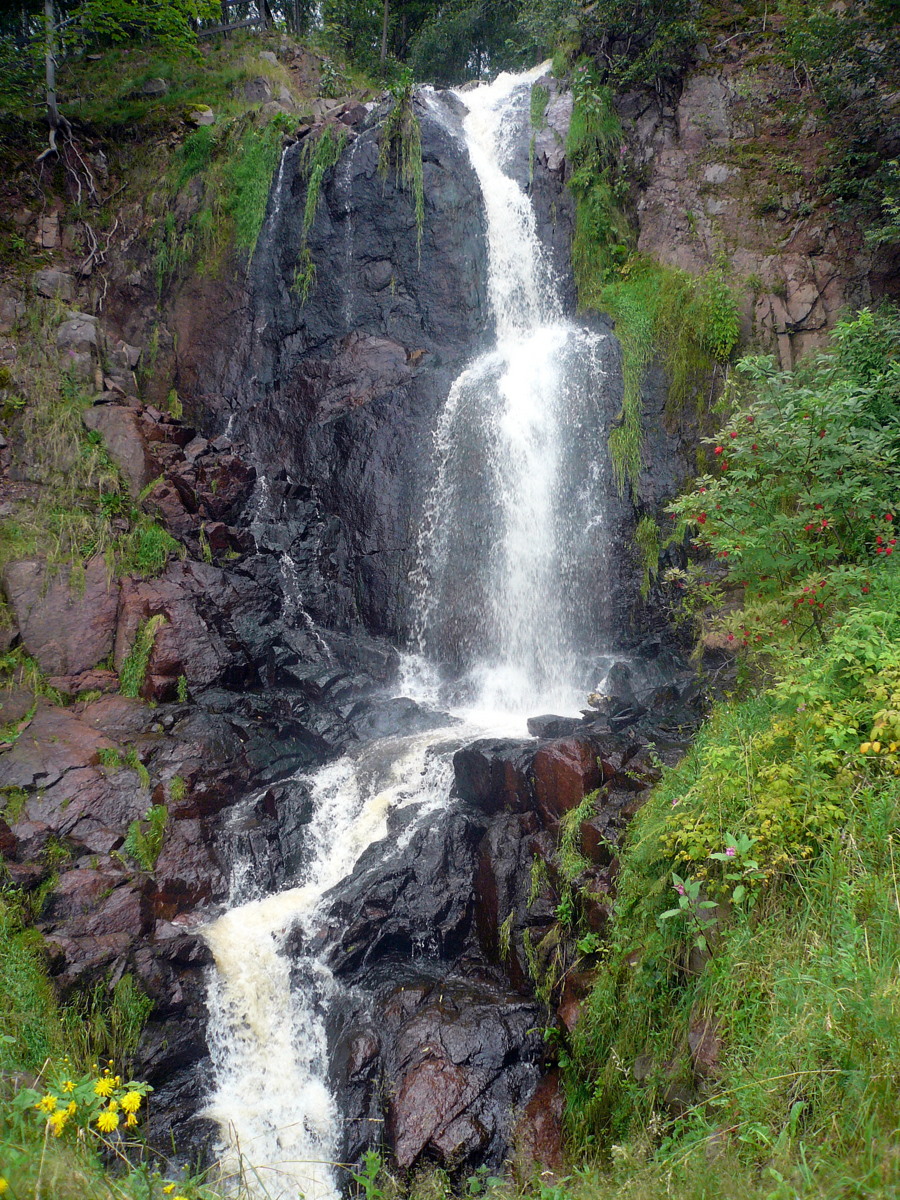
Tiefenbach‑Wasserfall – A Hidden Waterfall Gem in Saxony, Germany
Discover the tranquil charm of Tiefenbach‑Wasserfall, a secluded cascade nestled in the rolling hills of Geising, Saxony. Whether you’re a seasoned hiker, a photography enthusiast, or simply looking for a peaceful spot to unwind, this waterfall offers a slice of natural beauty that’s still off the typical tourist radar.
1. Introduction
Imagine the sound of water slipping over smooth stone, the fresh scent of moss‑laden forest, and a view that feels like a secret shared only with the birds. That’s the experience waiting at Tiefenbach‑Wasserfall – a modest yet captivating waterfall tucked away in the Saxon countryside. While the Ore Mountains (Erzgebirge) are famed for their historic mining towns and winter sports, this quiet cascade reminds us that Saxony also boasts serene water‑landscapes perfect for day‑trippers and nature lovers alike.
2. About Tiefenbach‑Wasserfall
A Brief Description
Tiefenbach‑Wasserfall (German for “Deep Brook Waterfall”) is situated near the small town of Geising in the district of Sächsische Schweiz‑Osterzgebirge. Its exact height and altitude remain undocumented, adding a touch of mystery to the site. What’s certain, however, is the waterfall’s gentle flow that tumbles over a series of limestone ledges, creating a modest spray that glistens in the sunlight. The surrounding forest is a mixture of spruce, beech, and oak, offering a classic Central European woodland atmosphere.
Historical Context
The waterfall itself has not been the focus of major historical events, but its location is steeped in the broader story of Saxony’s mining heritage. Geising once served as a gateway to the silver mines of the Ore Mountains, and the water from the Tiefenbach stream historically powered small mills and weirs in the region. Today, those historic water‑management structures—like the nearby weirs—serve as quiet reminders of the area’s industrial past while framing the natural scenery.
Significance
For locals, Tiefenbach‑Wasserfall is a beloved spot for family picnics, casual walks, and seasonal photography. For visitors, it offers an authentic slice of Saxon nature that contrasts with the more crowded attractions such as the Bastei Bridge or Dresden’s historic center. Its low profile makes it ideal for those seeking solitude, and its proximity to other natural sites creates a perfect mini‑itinerary for a day out in the countryside.
3. How to Get There
By Car
The most straightforward way to reach Tiefenbach‑Wasserfall is by car. From Dresden, take the A17 motorway toward Görlitz, then exit onto B170 toward Geising. Follow the signs for Geising and look for local road signs pointing to “Tiefenbach‑Wasserfall” (coordinates: 50.760146, 13.776903). Parking is available in a small lot near the trailhead; from there, a short, well‑marked path leads to the cascade.
By Public Transport
- Train: The Sächsische Dampfeisenbahngesellschaft (Saxon Steam Railway) runs regional services to Geising‑Schlema station. From the station, you can catch a local bus (line X) toward the “Tiefenbach” stop, or simply walk the remaining 2 km following the marked forest trail.
- Bus: Regional bus routes VOG (Verkehrsverbund Oberelbe) connect Dippoldiswalde and Bärenstein with Geising. Check the latest timetables on the VOG website for the most convenient connection.
Walking & Cycling
The area is popular among cyclists and hikers. The Erzgebirgsweg (Ore Mountains Trail) passes close to the waterfall, offering a scenic route for those who prefer to travel on foot or bike. The trail is well‑maintained and signposted, making it suitable for moderate fitness levels.
4. Best Time to Visit
| Season | What to Expect | Why It’s Ideal |
|---|---|---|
| Spring (April‑May) | Water flow is at its peak after snowmelt; wildflowers begin to bloom. | The waterfall is most vibrant, and the forest is lush and fragrant. |
| Summer (June‑August) | Warm days, longer daylight hours. | Perfect for picnics and extended hikes; the water may be slightly calmer but still scenic. |
| Autumn (September‑October) | Golden foliage, crisp air. | The contrast between amber leaves and the cascading water creates stunning photo opportunities. |
| Winter (November‑March) | Possible ice formations, quiet atmosphere. | If you enjoy a quiet, snowy landscape, the waterfall takes on a magical, hushed character—just ensure safe footing. |
Overall, late spring to early autumn offers the most reliable conditions for a comfortable visit, especially if you plan to explore nearby attractions on the same day.
5. What to Expect
Arriving at Tiefenbach‑Wasserfall, you’ll first notice the gentle murmur of water cutting through the forest. A short, gravel‑covered path leads you to a small clearing where the cascade drops over a series of rock ledges. The water isn’t thunderous; instead, it creates a soothing, rhythmic sound that blends with birdsong.
Photography tip: The best light occurs in the early morning or late afternoon when the sun filters through the canopy, casting soft shadows and highlighting the spray. A polarizing filter can help reduce glare on the water surface.
Wildlife: Keep an eye out for local fauna—European hedgehogs, woodpeckers, and occasionally deer graze near the water’s edge. The area is also a favorite spot for butterfly watchers during summer months.
Facilities: There are no built‑in amenities such as cafés or restrooms directly at the waterfall. However, a modest picnic bench near the trailhead provides a place to rest. Bring water, snacks, and a portable toilet if needed.
6. Nearby Attractions
While you’re in the Geising area, consider adding these nearby points of interest to your itinerary. All are within a short drive or walk, making them perfect for a day of exploration.
| Attraction | Type | Distance from Tiefenbach‑Wasserfall | Quick Info |
|---|---|---|---|
| Hanggraben | Waterfall | 0 km (right next to Tiefenbach) | Another small cascade sharing the same brook—great for a quick side‑trip. |
| Weir (Unnamed) | Weir | 0.8 km | Historic water‑control structure that once powered local mills. |
| Weir (Unnamed) | Weir | 0.9 km | Similar to the previous weir; offers insight into traditional Saxon water management. |
| Bergarbeiterbrunnen | Fountain | 1.2 km | A historic miner’s fountain, commemorating the region’s mining heritage. |
| Weir (Unnamed) | Weir | 1.3 km | Yet another example of the intricate network of waterworks that shaped the local landscape. |
For more details on each site, you can explore their respective Wikipedia pages or local tourism portals.
7. Travel Tips
- Dress for the Terrain – Wear sturdy, waterproof hiking shoes with good grip. The forest path can be slippery, especially after rain.
- Check Weather Forecasts – The waterfall’s flow varies with precipitation. A rainy day can make the cascade more impressive, but also increase trail mud.
- Bring a Map or GPS – While the main trail is signposted, cell service can be spotty in the forest. Download offline maps (e.g., via Komoot or Google Maps) using the coordinates 50.760146, 13.776903.
- Leave No Trace – Pack out all litter, stay on marked paths, and respect any wildlife you encounter. The area’s tranquility depends on responsible visitor behavior.
- Timing – Arrive early in the morning during peak season (May‑September) to avoid the occasional weekend crowd and to capture the best light for photos.
- Combine with Local Cuisine – After your hike, head to the nearby town of Geising for a hearty Saxon meal. Try the regional specialty Sauerbraten or a slice of Eierschecke, a traditional cake.
- Accessibility – The trail to Tiefenbach‑Wasserfall is not wheelchair‑friendly due to uneven terrain. It’s best suited for walkers and hikers with moderate mobility.
Final Thought
Tiefenbach‑Wasserfall may not dominate travel brochures, but its quiet charm and the surrounding Saxon forest make it a rewarding destination for anyone seeking a genuine connection with nature. Pair it with a stroll through nearby historic weirs, a sip of local coffee in Geising, and you’ve crafted a day‑trip that captures the heart of Saxony’s hidden waterfalls. Pack your camera, lace up those boots, and let the gentle roar of Tiefenbach‑Wasserfall guide you into a world where time slows down and the landscape tells its own story.
Happy travels!