Stürmische Wogen – Dresden’s Whispering Fountain That Captivates Every Traveler
If you think you’ve seen every corner of Dresden, think again. Tucked away in the heart of Saxony’s capital, the Stürmische Wogen fountain is a hidden gem that blends art, water, and history into a single, mesmerizing splash. Whether you’re a seasoned traveler, a photography enthusiast, or simply looking for a tranquil spot to pause on a city‑walk, this fountain deserves a place on your Dresden itinerary.
About Stürmische Wogen
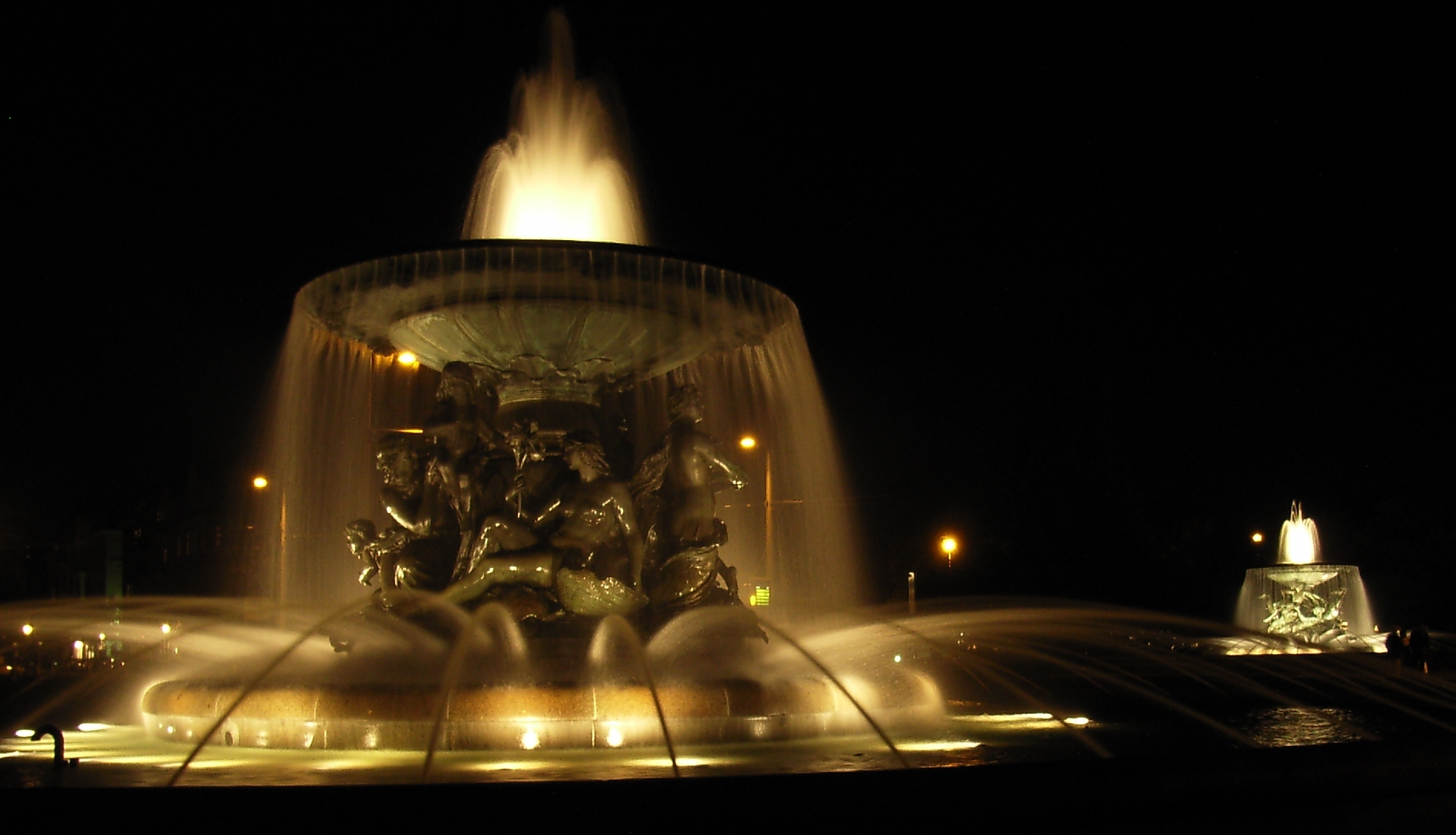
The name Stürmische Wogen (German for “Stormy Waves”) conjures images of turbulent seas, yet the fountain itself offers a surprisingly serene experience. Located at 51.062994, 13.745861 in central Dresden, the fountain is part of the larger “Stille Wasser und Stürmische Wogen” ensemble—a pair of water features that were designed to symbolize the contrast between calm and chaos, stillness and movement.
History & Significance
The fountain dates back to the early 20th century, a period when Dresden was blossoming into a cultural hub. While the exact year of its installation remains undocumented, the piece reflects the city’s longstanding tradition of integrating water art into public spaces. The Stürmische Wogen was conceived as a visual dialogue with its sister fountain, Stille Wasser (the “Silent Water”), located just a few steps away. Together, they form a narrative that has inspired locals and visitors alike for decades.
From an artistic perspective, the fountain’s design embraces the Art Nouveau aesthetic that was popular in Saxony at the time—fluid lines, organic motifs, and a playful interaction between water and stone. Its symbolic meaning resonates with Dresden’s own history: a city that has weathered wars, floods, and political upheavals, yet continues to rise with undiminished vigor.
For a deeper dive into the fountain’s background, you can explore the German‑language Wikipedia entry: Stille Wasser und Stürmische Wogen.
How to Get There
By Public Transport
- Tram: Take Tram Line 4 or Line 9 and alight at the „Bautzner Straße“ stop. The fountain is a short 3‑minute walk north of the stop.
- Bus: Routes 62 and 73 both stop at „Bautzner Straße“ as well.
By Car or Bike
- Driving: If you’re renting a car, head toward the Bautzner Straße district. Parking is limited, but several public garages (e.g., Parkhaus Altmarkt) are within a 10‑minute walk.
- Biking: Dresden’s extensive bike‑lane network makes cycling a pleasant option. The fountain sits near the Dresden Cycle Path that follows the Elbe River, offering scenic views on the way.
Walking Directions
If you’re staying in the historic Altstadt (Old Town), simply follow the signs for Bautzner Straße. The walk takes roughly 15‑20 minutes, winding past charming cafés, boutique shops, and the iconic Frauenkirche.
Best Time to Visit
Spring (April–June)
- Why: The surrounding gardens burst into color, and the temperature is comfortable for strolling. Early morning light creates a soft glow on the water, perfect for photography.
Summer (July–August)
- Why: Longer daylight hours mean you can linger longer. Evening concerts are sometimes held near the fountain, adding a lively soundtrack to the water’s gentle roar.
Autumn (September–October)
- Why: The foliage turns golden, providing a striking contrast to the fountain’s blue water. Fewer tourists mean a more intimate experience.
Winter (November–March)
- Why: While the fountain may be partially shut down during extreme cold, the surrounding area is beautifully illuminated for the holiday season, and the quiet ambiance is ideal for reflective moments.
Pro tip: Visit during golden hour (just after sunrise or before sunset) for the most dramatic lighting and fewer crowds.
What to Expect
Approaching Stürmische Wogen, you’ll first notice the rhythmic cascade of water that seems to dance across sculpted stone. The fountain’s design encourages interaction—children love to splash at the base, while adults often pause to listen to the soothing sound of flowing water against the backdrop of Dresden’s historic architecture.
The water jets are choreographed to create a subtle “stormy” effect, with higher arcs interspersed among gentler streams. This dynamic movement mirrors the fountain’s name and provides a constantly changing visual spectacle.
Because the fountain is part of a larger water‑feature ensemble, you’ll also hear the gentle hush of Stille Wasser nearby, offering a complementary sense of calm. The contrast between the two creates a unique, almost meditative atmosphere—ideal for a quick coffee break, a photo session, or simply a moment of contemplation.
Nearby Attractions
While you’re in the area, make the most of the cluster of water‑themed sites and cultural landmarks that lie within walking distance. Below are the top spots you can explore, each just a short stroll away:
| Attraction | Distance | What to See | Link |
|---|---|---|---|
| Stille Wasser (fountain) | 0.1 km | The “Silent Water” counterpart—calm, reflective pools. | Stille Wasser |
| Artesische Quelle (spring) | 0.1 km | A natural spring with crystal‑clear water, perfect for a quick sip. | Artesische Quelle |
| Tempietto – Artesischer Brunnen (fountain) | 0.1 km | Small classical temple housing an elegant artesian fountain. | Tempietto – Artesischer Brunnen |
| Wasserspiel (fountain) | 0.2 km | Interactive water play area, especially popular with families. | Wasserspiel |
| Rebecca‑Brunnen (fountain) | 0.3 km | A beautifully sculpted bronze fountain with a mythological theme. | Rebecca‑Brunnen |
| Frauenkirche Dresden | 0.5 km | Iconic Baroque church rebuilt after WWII. | Frauenkirche |
| Zwinger Palace | 0.7 km | Grand baroque palace with museums and gardens. | Zwinger Palace |
All links lead to additional information, helping you plan a seamless day of sightseeing.
Travel Tips
| Tip | Details |
|---|---|
| Bring a reusable water bottle | Dresden’s public fountains, including the Artesische Quelle, are safe for drinking. |
| Wear comfortable shoes | The cobblestone streets around Bautzner Straße can be uneven. |
| Check local event calendars | Seasonal festivals or open‑air concerts sometimes take place near the fountain. |
| Capture the moment | Use a polarizing filter to reduce glare on the water and enhance colors. |
| Respect the space | While it’s a public attraction, avoid climbing on the sculptures and keep noise levels low, especially during early mornings. |
| Currency | Germany uses the Euro (€). Most shops accept contactless payments, but it’s handy to have some cash for small vendors. |
| Language | German is the official language, but most locals in tourist areas speak English. A few basic German phrases (e.g., “Danke” for thank you) go a long way. |
| Safety | The area is well‑lit at night and generally safe. Keep an eye on personal belongings, especially in crowded periods. |
Final Thought
Stürmische Wogen may not appear on every mainstream travel guide, but that’s precisely why it shines for the curious explorer. Its blend of artistic flair, historical resonance, and tranquil ambiance makes it a perfect micro‑adventure within Dresden’s vibrant urban tapestry. Pair it with a stroll to the neighboring fountains, a coffee at a nearby café, and you’ve crafted a uniquely Saxon experience—one that captures the spirit of both stormy waves and still waters.
Pack your camera, lace up your walking shoes, and let the rhythm of the water guide you through Dresden’s hidden heart. Happy travels!