Pferdekopfbrunnen – Dresden’s Hidden Fountain Gem
Discover the charm of a historic horse‑drinking fountain tucked in the heart of Saxony’s capital. Whether you’re a fountain fanatic, a history lover, or just wandering the streets of Dresden, the Pferdekopfbrunnen (also known as the Pferdetränkbrunnen) is a small but unforgettable stop on your itinerary.
1. Introduction
Imagine strolling through Dresden’s baroque‑rich old town, the Elbe River glimmering nearby, and stumbling upon a modest stone basin crowned with a sculpted horse’s head. Water gently bubbles from the mouth of the steed, echoing a centuries‑old tradition of caring for the city’s working animals. This is the Pferdekopfbrunnen, a quiet yet captivating fountain that tells a story of urban life, transportation, and public welfare in historic Saxony.
If you’ve searched for “things to do in Dresden” or “historic fountains in Germany,” this hidden treasure should be at the top of your list. It’s not just a photo‑op spot; it’s a slice of living history that connects modern visitors with the everyday rhythms of 18th‑ and 19th‑century Dresden.
2. About Pferdekopfbrunnen
A Brief Description
- Name: Pferdekopfbrunnen (German for “horse‑head fountain”)
- Type: Public drinking fountain (historical)
- Location: Dresden, Saxony, Germany – coordinates 51.062853, 13.755497
- Altitude/Height: Not documented (the structure blends seamlessly into the surrounding cobblestones)
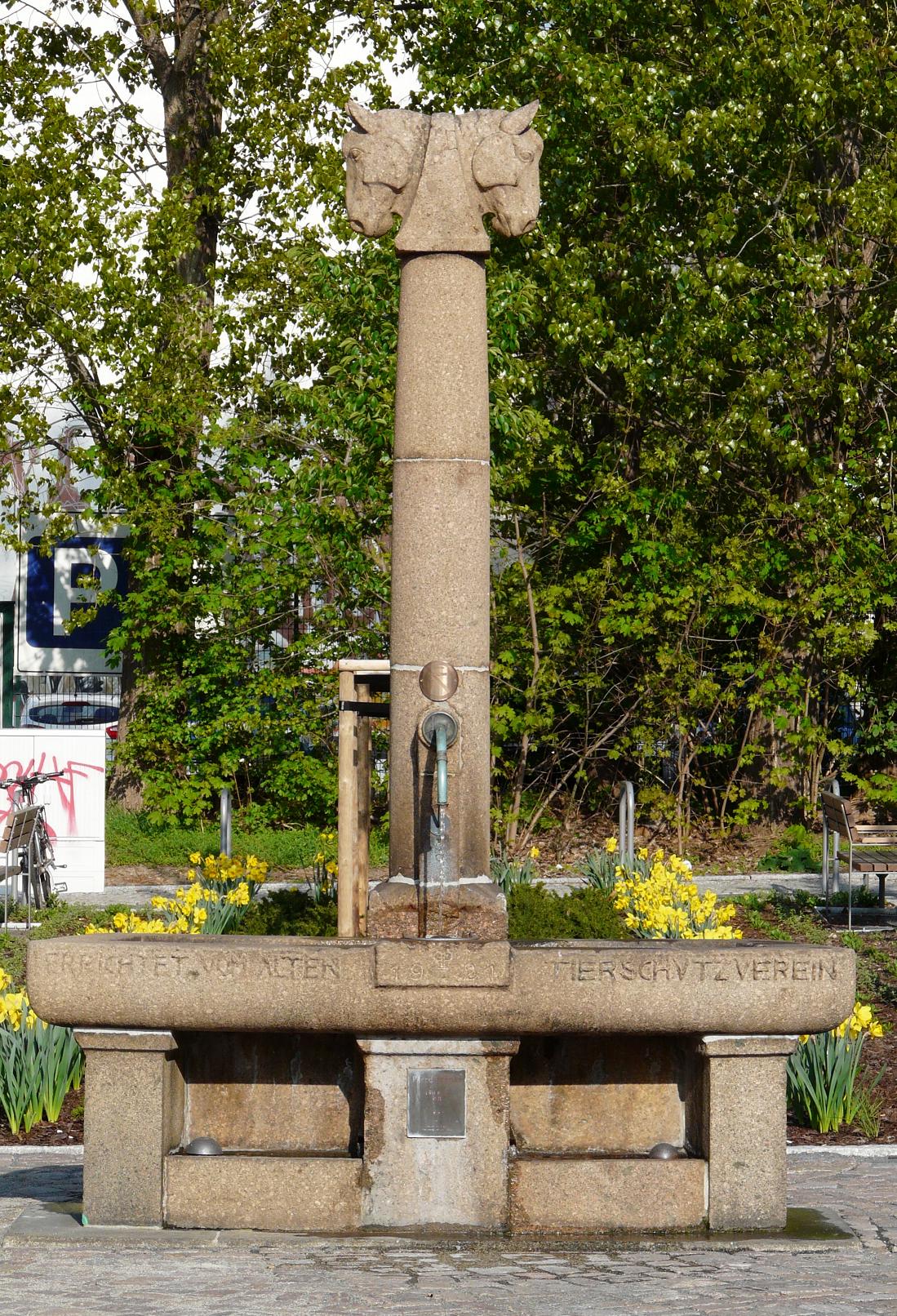
The fountain consists of a low stone basin topped by a sculpted horse’s head from which water flows. Its design is simple, functional, and unmistakably Saxon, reflecting the city’s commitment to providing fresh water for both people and horses during the era of horse‑drawn carriages.
Historical Roots
The Pferdekopfbrunnen dates back to a period when Dresden’s bustling streets were dominated by horse‑drawn wagons, postal coaches, and cavalry. Municipal authorities installed a network of “horse‑drinking fountains” to ensure that working animals—essential for trade, transport, and military movements—had reliable access to clean water.
While the exact construction year is not recorded in public sources, similar fountains across Central Europe emerged in the late 1700s and early 1800s. The Pferdekopfbrunnen therefore stands as a testament to Dresden’s forward‑thinking urban planning and its respect for the animals that powered the city’s economy.
Cultural Significance
Today, the fountain is more than a relic; it’s a cultural marker that highlights Dresden’s layered history. Locals recognize it as a meeting point, a quiet pause in a busy day, and a reminder of the city’s evolution from a horse‑driven hub to a modern, pedestrian‑friendly destination.
The fountain is listed on the German Wikipedia page for Pferdetränkbrunnen (see the reference: de:Pferdetränkbrunnen), confirming its place in the heritage inventory of Saxony.
3. How to Get There
By Public Transport
| Mode | Line(s) | Nearest Stop | Walking Time |
|---|---|---|---|
| Tram | 4, 9, 13 | Altmarkt | 3‑5 minutes |
| Bus | 62, 63 | Neustädter Markt | 4‑6 minutes |
| S‑Bahn | S1, S3 | Dresden Hauptbahnhof (main station) – transfer to tram line 4 or 9 | 15‑20 minutes total |
All tram and bus tickets are integrated into the Dresden Verkehrsverbund (DVB) system, so a single day pass covers your journey.
By Foot or Bike
If you’re staying in Dresden’s Altstadt (Old Town), the Pferdekopfbrunnen is within a comfortable 10‑minute walk from major hotels, the Frauenkirche, and the Zwinger Palace. The city’s bike‑share program (d.bike) has docking stations just a block away, making a quick ride a breeze.
Driving & Parking
Driving in the historic center is discouraged due to limited parking and pedestrian zones. However, if you arrive by car, the Parkhaus Altmarkt (underground garage) is only a 5‑minute stroll away. Use the address Altmarkt 1, 01067 Dresden for navigation.
4. Best Time to Visit
| Season | Why It Works |
|---|---|
| Spring (April‑May) | Mild temperatures, blooming gardens, and fewer crowds make it ideal for leisurely walks and photo sessions. |
| Summer (June‑August) | Longer daylight hours let you enjoy the fountain’s gentle spray in the evening; just watch for occasional tourist peaks near the nearby Zwinger. |
| Autumn (September‑October) | Golden foliage adds a warm backdrop; the fountain’s stone glows beautifully under the soft autumn light. |
| Winter (November‑March) | While the water may be turned off for maintenance, the surrounding historic architecture looks magical with festive lights. |
Insider tip: Visit early on a weekday (7‑9 am) to experience the fountain in quiet serenity before the midday rush of shoppers and tour groups.
5. What to Expect
Approaching the Pferdekopfbrunnen, you’ll notice its understated elegance. The stone basin is set flush with the cobblestones, allowing you to step right up and listen to the soft murmur of water flowing from the horse’s mouth. The water is fresh, and although it historically served horses, today it’s primarily decorative—still, you can feel the cool mist on a warm day.
Surrounding the fountain are narrow lanes lined with traditional Saxon houses, boutique cafés, and small artisan shops. The ambiance is a blend of historic charm and contemporary vibrancy. Expect:
- Photo Opportunities: The horse head offers a unique focal point; experiment with low angles to capture the water’s movement.
- Quiet Reflection: The fountain’s modest size makes it a perfect spot to pause, sip a coffee from a nearby café, and watch locals go about their day.
- Cultural Context: Look for informational plaques (often in German) that explain the fountain’s purpose and history. If you’re curious, ask a nearby shopkeeper—they love sharing local stories.
6. Nearby Attractions
The Pferdekopfbrunnen sits in a fountain‑rich micro‑district, making it easy to hop from one water feature to another. Below are the top nearby spots (all within a 600‑meter radius) with quick links for deeper exploration:
| Attraction | Distance | Highlights |
|---|---|---|
| Kugelbrunnen | 0.2 km | A spherical stone fountain known for its smooth marble globe. |
| [Unnamed Fountain #1] | 0.3 km | A modest water feature tucked behind a historic townhouse. |
| [Unnamed Fountain #2] | 0.5 km | Small basin with ornate ironwork, perfect for a quick snapshot. |
| Tempietto – Artesischer Brunnen | 0.6 km | A miniature temple‑style fountain showcasing artesian water flow. |
| Stille Wasser | 0.6 km | Translating to “Silent Waters,” this calm fountain offers a reflective pond. |
All attractions are reachable on foot in 5‑10 minutes, allowing you to craft a “Fountain Trail” that showcases Dresden’s dedication to public water art.
7. Travel Tips
- Bring a Compact Umbrella – While the fountain is outdoors, Dresden’s weather can be unpredictable. A small, foldable umbrella won’t hinder your walking tour.
- Wear Comfortable Shoes – Cobblestone streets can be uneven; sturdy, cushioned footwear will keep you comfortable all day.
- Use a Mobile Map App – Input the coordinates 51.062853, 13.755497 for precise navigation, especially if you’re exploring on foot.
- Respect the Space – The fountain is a historic public amenity. Avoid climbing on the stone or leaving litter.
- Combine with a Café Break – Just a few steps away, you’ll find cafés serving Eierschecke (a local cake) and a strong Saxon coffee—perfect for recharging.
- Check Seasonal Maintenance – Occasionally, the water flow is paused for cleaning. The city’s tourism website posts updates; a quick glance before you go ensures you see the fountain in action.
- Photography Etiquette – If you’re using a tripod, be mindful of other visitors. Handheld shots usually work fine given the fountain’s modest size.
Final Thought
The Pferdekopfbrunnen may not dominate travel brochures, but its quiet presence captures the soul of Dresden—where history, art, and everyday life intertwine. By adding this fountain to your itinerary, you’ll experience a piece of Saxony’s past while enjoying the vibrant present of one of Germany’s most beautiful cities.
Ready to sip history? Pack your camera, slip on those walking shoes, and let the horse‑head fountain guide you through Dresden’s charming streets. Happy travels!