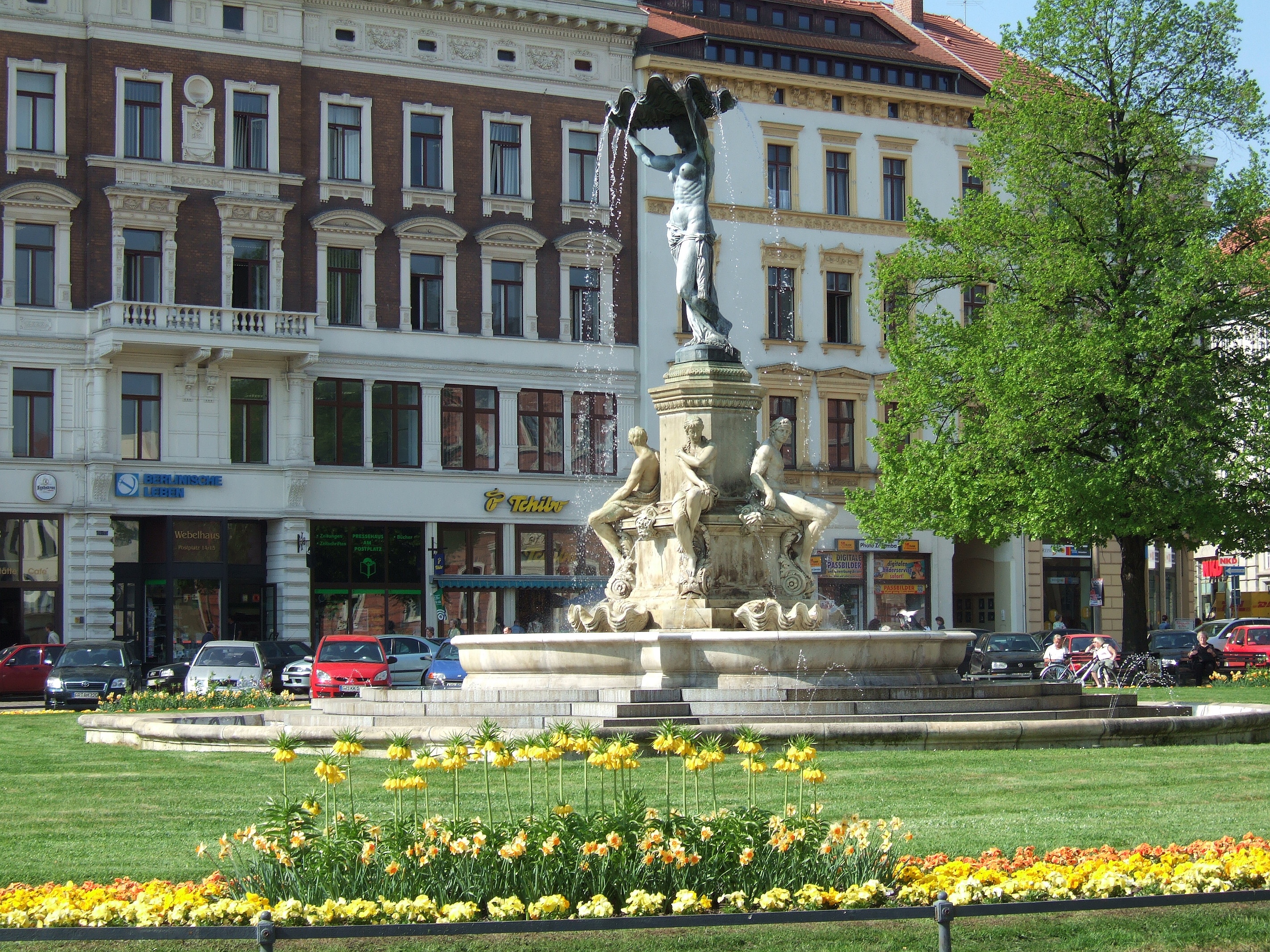
Muschelminna – The Hidden Fountain Gem of Görlitz, Saxony
If you think you’ve seen every charming water feature Germany has to offer, think again. Nestled in the historic streets of Görlitz, the Muschelminna fountain (German: Muschelminna) is a quiet masterpiece that beckons travelers seeking authentic Saxon charm. In this guide we’ll explore the fountain’s story, how to reach it, the best time to visit, what you’ll experience on‑site, and the cluster of nearby fountains that turn this corner of eastern Germany into a water‑lover’s playground.
1. About Muschelminna
Location: Görlitz, Saxony, Germany
Coordinates: 51.151953 N, 14.986081 E
Muschelminna is a historic fountain situated in the heart of Görlitz, a town famed for its well‑preserved medieval architecture and the longest preserved town wall in Europe. While the exact construction date, height, and altitude of the fountain remain undocumented, the structure is listed on the German Wikipedia page de:Muschelminna and is recognized as part of the city’s cultural heritage.
The name “Muschelminna” translates loosely to “shell‑loving” (Muschel = shell, Minna = a personal name), hinting at a possible decorative motif of shells or a dedication to a local figure named Minna. The fountain’s design reflects the modest yet elegant stonework typical of Saxon public water sources from the 18th‑19th centuries, serving both functional and aesthetic purposes for townsfolk and travelers alike.
Beyond its visual appeal, Muschelminna is a symbol of communal life. In historic German towns, fountains were gathering points where residents fetched water, exchanged news, and celebrated festivals. Today, Muschelminna continues that tradition, offering a tranquil spot for a quick photo, a reflective pause, or a meeting place for friends exploring Görlitz’s cobblestone lanes.
2. How to Get There
By Air
The nearest major airport is Dresden Airport (DRS), about 120 km (≈ 75 mi) west of Görlitz. From Dresden, you can rent a car or catch a regional train to Görlitz (approximately 2 hours).
By Train
Görlitz is well‑connected via Deutsche Bahn. Direct regional trains run from Dresden Hauptbahnhof and Leipzig Hauptbahnhof to Görlitz Hauptbahnhof. The journey from Dresden takes roughly 1 hour 45 minutes. Once you arrive at Görlitz station, the Muschelminna fountain is a short 10‑minute walk.
By Car
If you prefer driving, take the A4 motorway eastward from Dresden toward Görlitz. Exit at Görlitz-Ost and follow the signs for the city centre (Altstadt). Parking options include the Stadthafen underground garage and several street‑side bays near the historic market square.
Walking Directions from the Market Square (Rathausplatz)
- Head north on Marktplatz toward Königstraße.
- Turn right onto Königstraße and continue for about 300 m.
- Look for the stone fountain on the left side of the street—this is Muschelminna, marked by a modest plaque and a gentle water flow.
Pro tip: The fountain sits just a few steps away from the Neumarkt pedestrian zone, making it an easy addition to any walking tour of Görlitz’s Old Town.
3. Best Time to Visit
| Season | Why Visit | Weather Tips |
|---|---|---|
| Spring (April‑May) | Blossoming linden trees line the streets, and the fountain’s water glistens against fresh greenery. | Light jacket; occasional rain—bring a compact umbrella. |
| Summer (June‑August) | Long daylight hours let you linger by the water well into the evening; nearby cafés spill onto the sidewalks. | Sunscreen and water bottle; early evenings can be warm, perfect for a cool drink at a nearby terrace. |
| Autumn (September‑October) | Golden foliage creates a picture‑perfect backdrop; fewer tourists mean a more intimate experience. | Layered clothing; cooler evenings. |
| Winter (November‑March) | The fountain takes on a serene, almost magical quality when dusted with snow; a quiet moment in a bustling city. | Warm coat, gloves, and sturdy shoes for icy sidewalks. |
Overall recommendation: Late spring to early autumn (May‑September) offers the most comfortable climate for strolling, photography, and enjoying nearby cafés. However, if you love atmospheric winter scenes, the fountain’s subtle mist against a frosty backdrop is worth the chill.
4. What to Expect
When you arrive at Muschelminna, you’ll be greeted by a modest stone basin that gently circulates clear water. The fountain’s design is understated—no towering spouts or elaborate statues—but its simplicity is precisely what makes it compelling.
- Soundscape: The soft bubbling creates a calming ambience that drowns out city traffic, perfect for a brief meditation or a quiet conversation.
- Photographic Appeal: The fountain’s stone texture, combined with the surrounding historic facades, offers excellent opportunities for both wide‑angle street shots and close‑up details. Early morning light or the golden hour just before sunset produces the most flattering illumination.
- Cultural Vibe: You may encounter locals refilling reusable water bottles, tourists snapping photos, or street musicians adding a gentle soundtrack. The fountain functions as a micro‑social hub, echoing its historic role.
Because the fountain is free to access, you can linger as long as you like. Feel free to sit on the nearby stone bench, sip a coffee from a neighboring café, and watch the world drift by.
5. Nearby Attractions
Görlitz’s Old Town is a treasure trove of historic fountains, each with its own story. The following spots lie within a 300‑meter radius of Muschelminna, making them perfect for a self‑guided “fountain crawl.”
| Attraction | Distance | Brief Note | Link |
|---|---|---|---|
| Wasserband | 0.2 km | A sleek, modern water feature that contrasts with Muschelminna’s historic stone. | Wasserband (Wikipedia) |
| Der Engel | 0.2 km | Literally “The Angel,” this fountain features a delicate angelic figure spouting water. | Der Engel (Wikipedia) |
| Der Teufel | 0.2 km | “The Devil” offers a playful, slightly mischievous design—great for a quirky photo. | Der Teufel (Wikipedia) |
| Klosterbrunnen | 0.3 km | Historically linked to the nearby monastery, this fountain once supplied water to monks. | Klosterbrunnen (Wikipedia) |
| Die Tanzende | 0.3 km | “The Dancing” fountain showcases a dynamic water display that seems to move with music. | Die Tanzende (Wikipedia) |
Suggested route: Start at Muschelminna, walk east to Wasserband, then head north to Der Engel and Der Teufel, loop west to Klosterbrunnen, and finish at Die Tanzende. The entire circuit takes roughly 20‑30 minutes at a relaxed pace, with plenty of time for photos and a coffee break.
6. Travel Tips
| Tip | Details |
|---|---|
| Bring a reusable water bottle | The fountain’s water is safe to drink, allowing you to stay hydrated while reducing plastic waste. |
| Wear comfortable shoes | Cobblestone streets can be uneven; sturdy, cushioned footwear makes walking between fountains pleasant. |
| Check local events | Görlitz hosts seasonal markets and cultural festivals that may temporarily block pedestrian routes. The city’s tourism website lists dates in advance. |
| Currency | While most places accept cards, some small kiosks or street vendors prefer cash (Euro). Carry a modest amount for souvenirs. |
| Language | German is the primary language, but many locals in the tourism sector speak English. A few German phrases—“Entschuldigung, wo ist die Muschelminna?” (Excuse me, where is Muschelminna?)—can go a long way. |
| Photography etiquette | Respect private property and avoid using flash when photographing nearby residents or inside historic interiors. |
| Weather preparedness | Saxony’s weather can shift quickly; a lightweight rain jacket is advisable year‑round. |
| Accessibility | The route to Muschelminna is mostly level, but some cobblestone sections may be challenging for wheelchair users. Contact the Görlitz tourism office for specific accessibility information. |
7. Wrap‑Up: Why Muschelminna Should Be on Your Saxony Bucket List
Muschelminna may not boast the grandeur of a palace or the height of a modern skyscraper, but its quiet charm encapsulates the essence of Görlitz’s historic heart. It offers travelers a genuine slice of everyday Saxon life—a place where water, stone, and community intersect.
When you combine Muschelminna with the surrounding fountains—Wasserband, Der Engel, Der Teufel, Klosterbrunnen, and Die Tanzende—you get a compact, walkable itinerary that showcases the city’s love for water art across centuries. Whether you’re a history buff, a photography enthusiast, or simply a wanderer seeking off‑the‑beaten‑path gems, Muschelminna invites you to pause, listen to the gentle splash, and feel the pulse of Görlitz’s past and present.
Ready to add Muschelminna to your travel itinerary? Pack your camera, slip on those comfortable shoes, and let the fountain’s quiet flow guide you through one of Saxony’s most enchanting towns. Safe travels!