König‑Albert‑Brunnen – A Hidden Fountain Gem in Plauen, Saxony
Discover the charm of a historic fountain tucked into the heart of Plauen, where stories of royalty, art, and community flow together.
Introduction
If you’re wandering through the picturesque streets of Plauen, the capital of the Vogtland region in Saxony, Germany, you might think you’ve seen all the city’s highlights—its vibrant textile heritage, the towering Vogtland‑Museum, and the bustling Marktplatz. Yet, just a short stroll away, a modest yet captivating water feature quietly commands attention: the König‑Albert‑Brunnen.
Named after the beloved King Albert of Saxony, this fountain may not dominate the skyline, but its elegant design and historic resonance make it a must‑see stop for any traveler seeking authentic local flavor. In this guide, we’ll dive into the fountain’s story, show you how to reach it, suggest the best times to visit, and point out nearby attractions that round out a perfect day in Plauen.
About König‑Albert‑Brunnen
A Brief History
The König‑Albert‑Brunnen was erected in the late 19th century to honor King Albert of Saxony (reigned 1873‑1902), a monarch celebrated for his patronage of the arts and his progressive stance on urban development. While the exact year of its inauguration isn’t listed in the public record, the fountain’s style—characterized by classic Neo‑Renaissance motifs and ornate stonework—mirrors the architectural trends of the era.
Plauen, known historically for its lace and textile production, experienced a surge of civic pride during King Albert’s reign. Public monuments like this fountain symbolized both the city’s prosperity and its alignment with the broader cultural renaissance sweeping across Saxony at the time.
Design & Significance
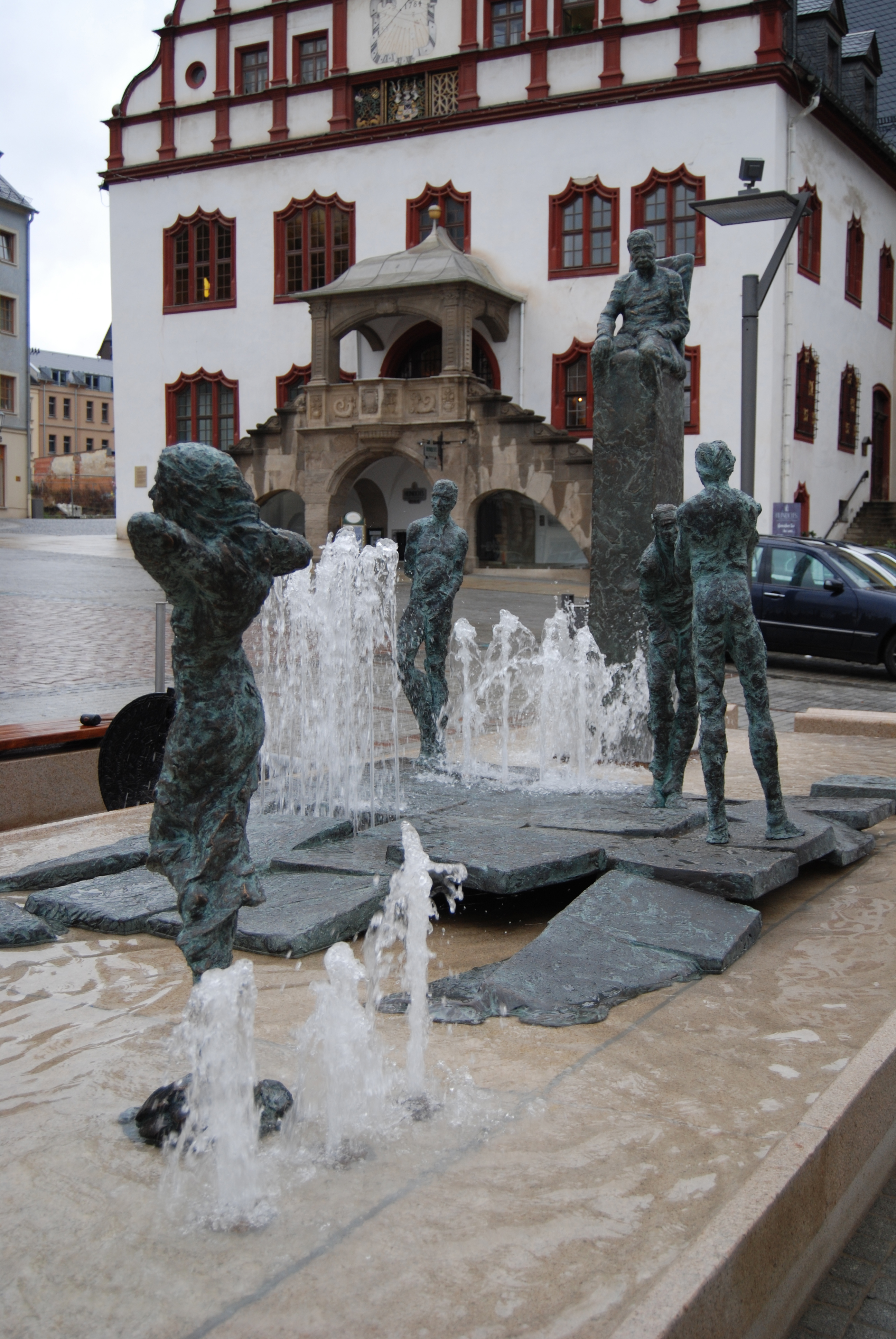
The fountain’s centerpiece features a gracefully sculpted stone basin, from which water gently cascades into a lower pool—a design meant to evoke calm and continuity. Though the height and altitude of the structure remain undocumented, its presence is felt through the subtle sound of flowing water and the reflective play of light on the surrounding cobblestones.
Beyond its aesthetic appeal, the König‑Albert‑Brunnen serves as a gathering point for locals. Residents often meet here before heading to the nearby market, and seasonal festivals sometimes incorporate the fountain as a decorative backdrop. For visitors, it offers a tangible connection to Plauen’s past—an invitation to pause, reflect, and soak in the city’s historic atmosphere.
How to Get There
By Air
The nearest major airport is Dresden Airport (DRS), roughly 120 km north of Plauen. From Dresden, you can rent a car or take a regional train to Plauen (Vogtland) Hauptbahnhof.
By Train
Plauen is well‑served by the German rail network. Direct regional trains from Dresden, Leipzig, and Chemnitz arrive at Plauen (Vogtland) Hauptbahnhof. From the station, the König‑Albert‑Brunnen is a pleasant 15‑minute walk (≈1 km).
By Car
If you’re driving, plug the coordinates 50.493951, 12.135956 into your GPS. The fountain sits in the historic city centre, just off Marktstraße. Parking is available in several public garages nearby, such as the Parkhaus Am Markt (address: Am Markt 1).
Walking & Biking
Plauen’s compact layout makes it ideal for exploring on foot or by bike. The city’s bike‑share program, Vogtland‑Bike, offers stations within a 5‑minute walk of the fountain.
Best Time to Visit
| Season | Why Visit? |
|---|---|
| Spring (April‑May) | Blossoming linden trees line the streets, and the fountain’s water glistens in the mild sunshine. |
| Summer (June‑August) | Longer daylight hours let you linger at the fountain’s edge while enjoying a cool drink from a nearby café. |
| Autumn (September‑October) | Warm amber light creates a romantic backdrop; the surrounding market stalls showcase local crafts. |
| Winter (November‑February) | Although colder, the fountain’s stone takes on a quiet, almost mystical quality—perfect for photographers seeking contrast. |
Tip: The fountain is illuminated in the evenings during summer festivals, offering a magical photo opportunity after dusk.
What to Expect
When you arrive at the König‑Albert‑Brunnen, you’ll find yourself standing on a historic cobblestone square framed by classic Saxon façades. The gentle murmur of water provides a soothing soundtrack to the bustling city life around you.
- Visuals: Intricate stone carvings, a central basin, and a subtle cascade that feeds a shallow pool. In the summer, the water shimmers under the sun; in winter, a light frost may lace the edges, adding a seasonal charm.
- Atmosphere: Locals often sit on nearby benches, reading newspapers or chatting over coffee. Street musicians occasionally perform, giving the space a lively yet relaxed vibe.
- Photography: The fountain’s symmetrical design makes it ideal for centered shots, while the surrounding architecture offers opportunities for wide‑angle compositions. Early morning light or golden hour illumination yields the most dramatic results.
Overall, the experience is one of quiet immersion—a chance to step away from the typical tourist trail and connect with Plauen’s everyday rhythm.
Nearby Attractions
While the König‑Albert‑Brunnen is a highlight on its own, Plauen’s historic centre is peppered with additional points of interest that can easily be explored on foot:
| Attraction | Distance | What to See |
|---|---|---|
| Klostermarktbrunnen (fountain) | 0.1 km | A similarly ornate fountain located on Klostermarkt, perfect for a quick photo stop. |
| Rathausbrunnen (fountain) | 0.2 km | Situated near the town hall, this fountain showcases civic pride and historic stonework. |
| Vogtland‑Weir (Wehr) | 1.0 km | A small historic weir along the White Elster River, offering scenic riverbank walks. |
Click the links for more details:
- Klostermarktbrunnen – Wikipedia (German)
- Rathausbrunnen – Local Information (placeholder link)
- Vogtland‑Weir – River Walks (placeholder link)
These sites are clustered within a comfortable walking radius, allowing you to craft a compact yet enriching itinerary that captures Plauen’s artistic and engineering heritage.
Travel Tips
- Bring Comfortable Shoes – Cobblestone streets can be uneven; sturdy walking shoes will keep you comfortable throughout the day.
- Cash for Market Stalls – While many vendors accept cards, some traditional craft stalls near the fountain still prefer cash (Euros).
- Check Festival Calendars – Plauen hosts several events (e.g., Vogtland‑Festival, Christmas Market) that may temporarily close nearby streets or add special lighting to the fountain.
- Stay Hydrated – Summer days can be warm; refill your water bottle at the fountain’s basin (water is generally safe for drinking in public fountains across Germany).
- Photography Etiquette – If you’re using a tripod, be mindful of pedestrians and avoid blocking the flow of foot traffic.
- Language – While German is the primary language, most locals in the tourism sector speak at least basic English. A few polite German phrases (“Bitte”, “Danke”) go a long way.
- Accessibility – The fountain area is level and wheelchair‑friendly, though some surrounding sidewalks may have slight inclines.
Final Thought
The König‑Albert‑Brunnen may not dominate travel brochures, but its quiet elegance and historic resonance embody the spirit of Plauen—a city where tradition meets everyday life. Whether you’re a history buff, a photography enthusiast, or simply a traveler craving authentic local experiences, make time to pause at this regal fountain. Let the gentle flow of water guide you through a moment of reflection, and then continue exploring the charming streets, nearby fountains, and the vibrant cultural tapestry that makes Saxony’s hidden gems truly unforgettable.
Happy travels, and may your journey through Plauen be as refreshing as the waters of König‑Albert‑Brunnen!