Discover the Hidden Gem of Dresden: The Eckbrunnen im Hof des Taschenbergpalais
If you think you’ve seen every fountain Dresden has to offer, think again. Nestled in the elegant courtyard of the historic Taschenberg Palace, the Eckbrunnen (corner fountain) is a quiet masterpiece that captures the city’s baroque charm and invites travelers to pause, sip a coffee, and soak in the atmosphere of Saxony’s cultural heart.
1. Introduction – A Whisper of Water in the Heart of Dresden
Dresden, often called “Florence on the Elbe,” is renowned for its grand palaces, world‑class museums, and the iconic Frauenkirche. Yet, amid the bustling streets and towering landmarks, there lies a modest water feature that many visitors overlook: the Eckbrunnen im Hof des Taschenbergpalais. This corner fountain may not roar like the famous Brühl’s Terrace fountains, but its subtle elegance, historic setting, and tranquil soundscape make it a perfect stop for any traveler seeking an authentic slice of Saxon life.
Whether you’re a history buff, a photography enthusiast, or simply a wanderer looking for a peaceful spot to rest, the Eckbrunnen offers a unique blend of art, history, and local flavor that embodies the spirit of Dresden.
2. About the Eckbrunnen – History, Design, and Significance
A Brief History
The Eckbrunnen is situated in the inner courtyard of the Taschenberg Palace (Taschenbergpalais), a building that dates back to the early 18th century. The palace originally served as a residence for Saxon nobility and later transformed into a prestigious hotel, preserving its aristocratic aura while welcoming travelers from around the world.
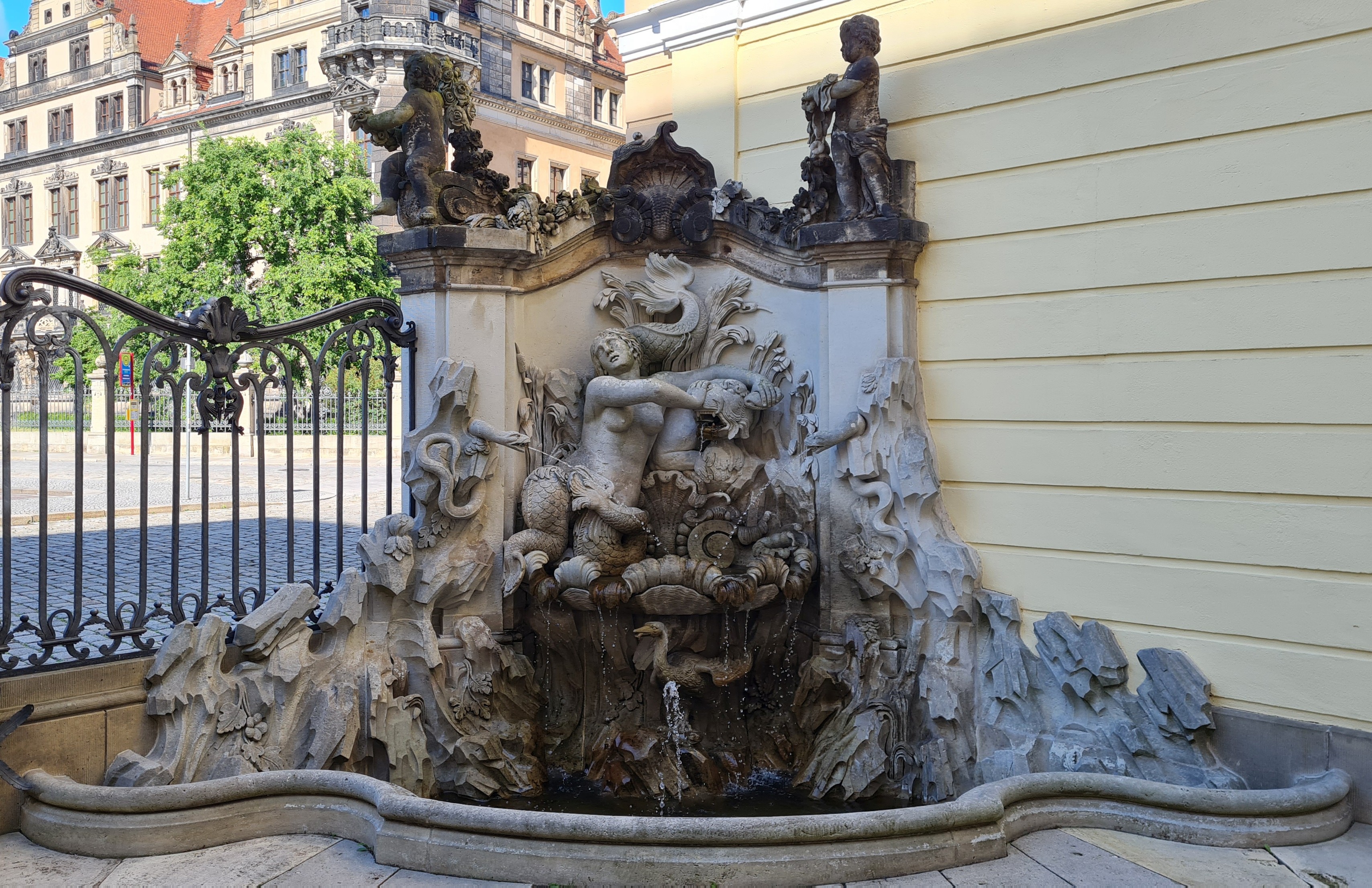
While exact construction dates for the fountain are not publicly documented, the water feature is an integral part of the palace’s baroque garden layout, reflecting the 18th‑ and 19th‑century European tradition of integrating ornamental fountains into aristocratic estates. The fountain’s name—Eckbrunnen (corner fountain)—refers to its placement at a prominent corner of the courtyard, where it catches the light and draws the eye of anyone strolling through the palace grounds.
Design Details
- Style: Baroque‑inspired ornamental stonework, typical of Saxon court architecture.
- Materials: Likely carved limestone or sandstone, common in Dresden’s historic structures.
- Height & Altitude: Not officially recorded; the fountain’s modest stature blends harmoniously with the surrounding courtyard.
The water gently cascades from a sculpted basin, creating a soothing ambience that contrasts with the city’s lively streets. Though simple, the fountain’s design showcases the craftsmanship of local artisans who once supplied the courts of Saxony with decorative stonework.
Cultural Significance
The Eckbrunnen may be small, but its presence in the courtyard of a former royal palace underscores Dresden’s dedication to preserving its cultural heritage. It serves as a reminder of the city’s aristocratic past and the importance of water features in European garden design. For locals, the fountain is a beloved backdrop for outdoor cafés, impromptu concerts, and seasonal markets that often pop up in the palace’s courtyard.
3. How to Get There – Practical Travel Information
By Public Transport
- Tram: Lines 4, 6, 7, 10, and 11 stop at Dresden Hauptbahnhof (main train station). From there, hop on tram line 4 toward Dresden Neustadt and alight at "Neumarkt" (stop 13). The Taschenberg Palace is a short 2‑minute walk from the tram stop.
- Bus: Bus routes 62 and 73 also serve the Neumarkt stop, providing an alternative if you’re coming from the southern districts.
By Foot
If you’re staying in the Altstadt (Old Town), the palace is within a comfortable 10‑minute walk. From the Semperoper, head east along Sächsische Str., turn left onto Taschenberg, and you’ll see the palace’s elegant façade.
By Car / Taxi
Parking in Dresden’s historic centre can be limited. The nearest public car park is Parkhaus am Zwinger (address: Am Zwinger 1). From there, it’s a 5‑minute walk to the Taschenberg Palace. Ride‑sharing services (e.g., Uber, Free Now) are also readily available.
Coordinates
- Latitude: 51.052220
- Longitude: 13.735286
Enter these coordinates into any GPS app for precise navigation.
4. Best Time to Visit – Seasonal Recommendations
| Season | Why Visit | Tips |
|---|---|---|
| Spring (April‑May) | Blossoming trees and mild temperatures make the courtyard especially photogenic. | Bring a light jacket; the fountain’s mist can feel cool. |
| Summer (June‑August) | Warm evenings bring outdoor cafés to life; you can enjoy a cold drink while listening to the water. | Arrive early to secure a seat at the terrace cafés that line the courtyard. |
| Autumn (September‑October) | Golden foliage adds a dramatic backdrop; fewer tourists mean a more tranquil experience. | Perfect time for sunset photography; the fountain reflects the amber light beautifully. |
| Winter (November‑March) | The courtyard takes on a quiet, almost magical feel, especially after a light snowfall. | Check opening hours of nearby cafés; the fountain may be turned off during extreme cold, but the architecture remains stunning. |
Overall, late spring and early autumn provide the best combination of pleasant weather, vibrant colors, and manageable crowds.
5. What to Expect – The Visitor Experience
A Quiet Oasis
As you step into the courtyard, the first thing you’ll notice is the gentle murmur of water. The Eckbrunnen’s steady flow creates a calming soundtrack that masks the occasional tram clatter from the street outside. The fountain’s stone basin reflects the sky, offering a mirror‑like surface that changes with the weather—bright and sparkling on sunny days, misty and ethereal after a light rain.
Café Culture
The Taschenberg Palace now houses several stylish cafés and restaurants that spill onto the courtyard’s stone paving. Grab a Café Müller or a Saxon apple strudel, sit at a wrought‑iron table, and let the fountain’s rhythm accompany your conversation. Many visitors treat the spot as a perfect place for a mid‑day break while exploring Dresden’s museums and galleries.
Photo Opportunities
- Close‑up Details: Capture the intricate carvings of the fountain’s basin.
- Wide Shots: Frame the fountain with the palace’s elegant façade for a classic Dresden postcard.
- Nighttime: The courtyard is softly illuminated after dark, giving the water a golden glow—ideal for romantic evening photos.
Accessibility
The courtyard is level and wheelchair‑friendly, with smooth paving that makes it easy for visitors of all abilities to approach the fountain.
6. Nearby Attractions – Extend Your Dresden Adventure
The Eckbrunnen’s central location means you can easily explore a cluster of historic sites within a short walk. Here are the top attractions just a stone’s throw away:
| Attraction | Distance | Why Visit | Link |
|---|---|---|---|
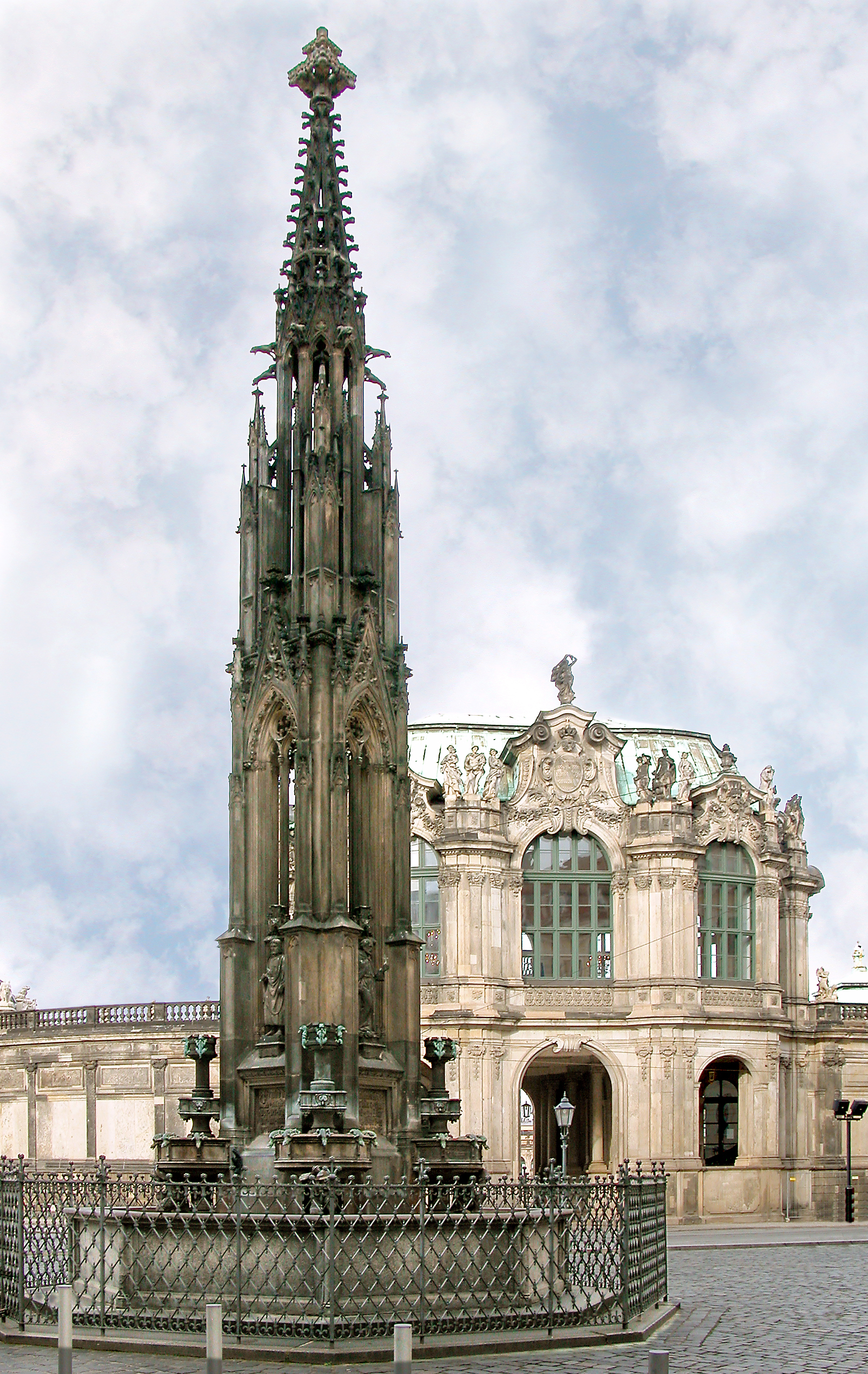
| Cholerabrunnen (fountain) | 0.1 km | Another charming baroque fountain, known for its ornate bronze sculpture. | Cholerabrunnen – Wikipedia |
| Semperoper Dresden | 0.2 km | World‑famous opera house with stunning Neo‑Renaissance architecture. | Semperoper – Official Site |
| Dresden Zwinger | 0.3 km | Baroque palace complex housing the Old Masters Picture Gallery and the Royal Cabinet of Mathematical and Physical Instruments. | Zwinger – Wikipedia |
| Frauenkirche | 0.4 km | Rebuilt Lutheran church and symbol of Dresden’s resilience. | Frauenkirche – Official Site |
| Neumarkt & Altmarkt | 0.5 km | Historic market squares bustling with shops, street performers, and seasonal markets. | Neumarkt – Dresden Tourism |
All of these sites are comfortably reachable on foot, allowing you to weave a full day of culture, history, and leisure around the simple pleasure of the Eckbrunnen.
7. Travel Tips – Make the Most of Your Visit
- Combine with a Café Stop – The courtyard’s cafés often serve locally roasted coffee and Saxon pastries. Try the Eierschecke (a traditional layered cake) while you watch the fountain.
- Check Event Calendars – The Taschenberg Palace courtyard hosts occasional open‑air concerts, art installations, and seasonal markets. Visiting during an event adds extra flair.
- Bring a Light Raincoat – While the fountain’s mist is pleasant, sudden showers can make the stone surfaces slippery. A compact raincoat or waterproof shoes keep you comfortable.
- Mind the Opening Hours – The palace’s interior spaces have specific opening times, but the courtyard and fountain are publicly accessible 24/7. However, some cafés close early in winter.
- Use a Local SIM or Wi‑Fi – Free Wi‑Fi is available at many cafés, making it easy to look up nearby attractions or share your photos instantly.
- Respect the Heritage – The fountain is a protected historic feature. Avoid climbing on the stonework and keep the area tidy for future visitors.
Final Thought
In a city famed for its grand palaces and monumental art, the Eckbrunnen im Hof des Taschenbergpalais reminds us that sometimes the most memorable experiences come from the smallest details—a gentle splash of water, a quiet corner café, and the soft echo of centuries past. Next time you wander through Dresden’s historic centre, pause at this hidden fountain, let the water’s rhythm wash over you, and feel the pulse of Saxony’s timeless charm.
Happy travels, and may your journey through Dresden be as refreshing as the waters of the Eckbrunnen!