Freitaler Nase – The Hidden Fountain Gem of Saxony
If you think the charm of Saxony lives only in its grand castles and bustling cities, think again. Tucked away in the quiet town of Freital, the Freitaler Nase fountain is a small but unforgettable piece of local heritage that beckons curious travelers to pause, sip the fresh air, and soak up a slice of German history.
1. Introduction
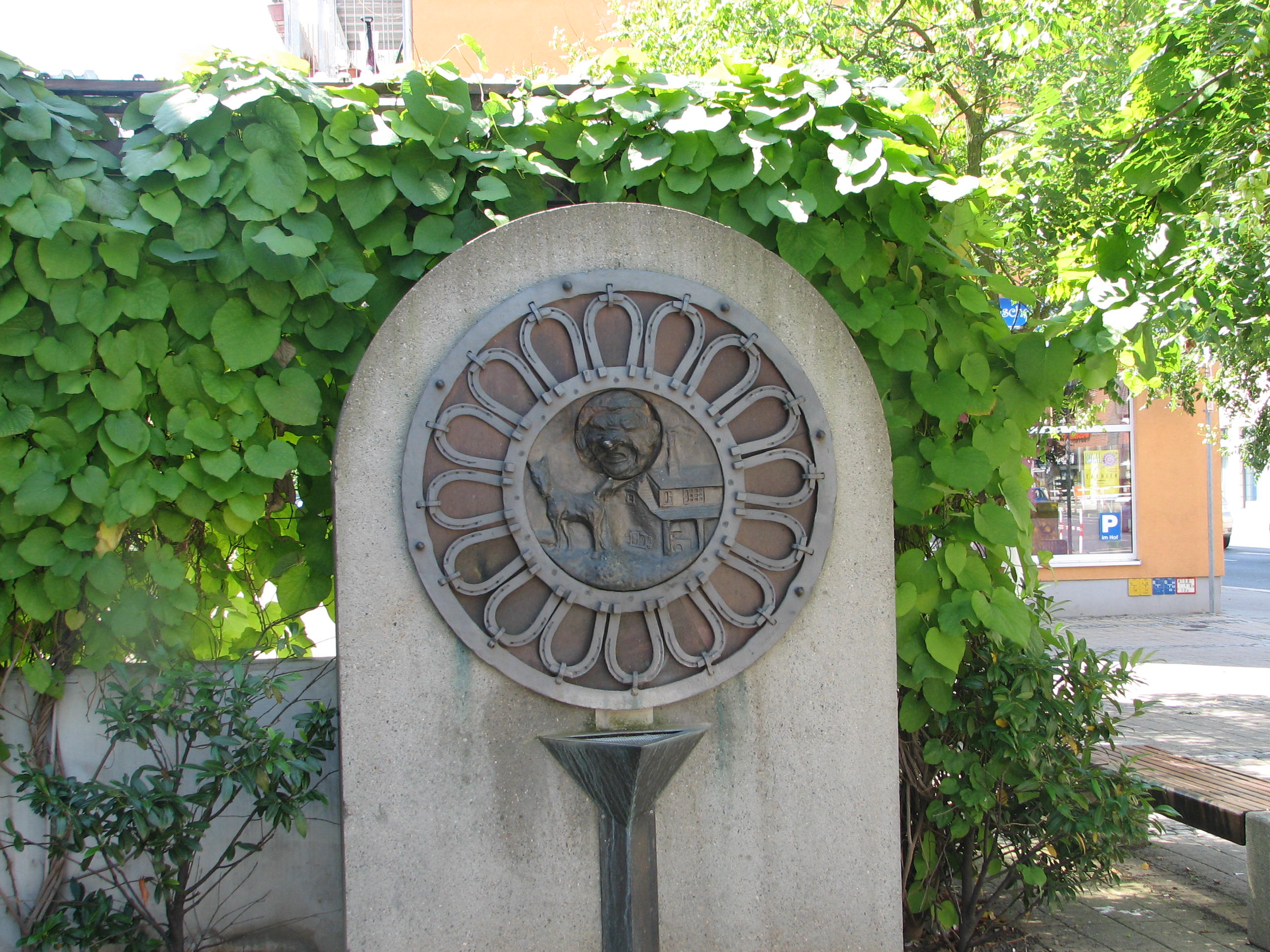
Travelers who wander off the beaten path often discover the most authentic stories a region has to offer. In the heart of Freital, Saxony, the Freitaler Nase (literally “Freital Nose”) stands as a modest yet charismatic fountain that has watched the town evolve from an industrial hub to a modern community. Its name may raise eyebrows, but the fountain’s simple design—crafted from durable Kunststein (artificial stone)—and its quiet presence make it a perfect spot for a reflective break during a day of exploring the Saxon Ore Mountains.
Whether you’re a fountain enthusiast, a history buff, or simply looking for a photogenic corner of Freital, the Freitaler Nase offers a pleasant surprise that’s worth adding to your itinerary.
2. About Freitaler Nase
A Brief Description
- Type: Fountain ⛲
- Location: Freital, Saxony, Germany
- Coordinates: 51.011410 N, 13.662321 E
- Material: Kunststein (artificial stone)
- Height & Altitude: Not publicly documented
The fountain sits in a modest square surrounded by residential buildings and a few local shops. Its water jets are modest, but the stonework bears a subtle elegance that reflects early‑20th‑century municipal design.
Historical Background
The site of the Freitaler Nase once housed an old smithy (Schmiede) that served the local mining community. When the smithy was demolished, the town decided to replace the industrial footprint with a public water feature—a common practice in Saxony during the interwar period to promote hygiene and civic pride.
According to the German‑language Wikipedia entry, the fountain was erected shortly after the demolition of the smithy, using Kunststein, a material favored for its durability and low maintenance. While the exact year of construction isn’t listed, the style suggests a 1920s–1930s origin, aligning with the era when many German towns installed similar stone fountains to replace older wooden or metal structures.
Cultural Significance
Freitaler Nase may not be a UNESCO World Heritage site, but it holds a special place in the collective memory of Freital’s residents. The fountain is a daily reminder of the town’s transition from a mining‑centric economy to a more diversified, community‑focused environment. Locals often gather around the fountain for a quick chat, a child’s splash, or simply to enjoy the soothing sound of water—a small but vital piece of public space that nurtures social interaction.
3. How to Get There
By Train
- Nearest station: Freital (S) – Bergstadt (S-Bahn line S3)
- From Dresden: A 15‑minute ride on the S3 (direction → Zittau) brings you directly to Freital.
- From Leipzig: Transfer in Dresden to the S3, then continue to Freital.
The station is a short 10‑minute walk to the fountain. Follow the signs toward the town centre, cross the Freitaler Straße, and you’ll spot the fountain’s stone base near the intersection of Königstraße and Bergstraße.
By Car
- From Dresden: Take the B173 (Dresdner Landstraße) south toward Freital. Exit at Freital‑Burgk and follow local signs to the town centre.
- Parking: Limited street parking is available around the fountain. For a hassle‑free experience, use the public P+R Freital lot on Königstraße (approximately 5‑minute walk).
By Bus
- Bus line 62 (Dresden‑Freital) stops at Freital, Bahnhof, a 7‑minute walk from the fountain.
- Local routes (e.g., 61, 63) also serve stops within a 300‑meter radius.
On Foot or Bike
Freital is a bike‑friendly town with dedicated lanes that connect the fountain to nearby residential districts and the Freitaler Stadtpark. If you’re staying in Dresden, consider a day‑trip bike ride along the Freitaler Stadtweg trail—about 12 km one way, with scenic views of the Pulsnitz River.
4. Best Time to Visit
| Season | Why Visit? | Tips |
|---|---|---|
| Spring (April–May) | The surrounding gardens burst into color, and the water temperature is pleasant for a quick splash. | Bring a light jacket; mornings can be cool. |
| Summer (June–August) | Warm weather makes the fountain’s cool mist especially refreshing. Local cafés open outdoor terraces nearby. | Arrive early to avoid midday crowds at nearby cafés. |
| Autumn (September–October) | Golden foliage frames the fountain, creating perfect photo opportunities. | Pack a camera and enjoy the crisp air. |
| Winter (November–February) | The fountain may be turned off for maintenance, but the surrounding historic buildings look magical with holiday lights. | Check local listings for any seasonal events or markets. |
Overall, late spring to early autumn offers the most vibrant experience, especially if you want the fountain’s water flowing and the surrounding area bustling with locals.
5. What to Expect
When you approach the Freitaler Nase, the first thing you’ll notice is its unpretentious charm. The fountain’s stone basin is modest in size, but the gentle arc of water creates a soothing soundtrack that blends with the low hum of town life.
- Atmosphere: A quiet square that doubles as a meeting point for residents. Expect a relaxed vibe rather than a tourist‑packed site.
- Photographic Highlights: Capture the fountain from a low angle to emphasize the stone texture, or frame it with the historic half‑timbered houses that line the street. In autumn, the golden leaves provide a warm backdrop.
- Accessibility: The fountain sits at ground level with a smooth surrounding pavement, making it wheelchair‑friendly.
- Amenities: A small bench sits nearby, and a café just around the corner serves traditional Saxon pastries (e.g., Stollen and Quarkkäulchen)—ideal for a quick snack while you admire the water.
Because the fountain is part of everyday life, you may hear snippets of local conversation in Saxon German dialect, adding an authentic cultural layer to your visit.
6. Nearby Attractions
Freital’s compact town centre is dotted with several other charming fountains and water features—perfect for a leisurely walking tour. Below are the most notable spots, each within a short distance from the Freitaler Nase:
-
Rotkopf‑Görg‑Brunnen – 0.2 km away
A historic fountain named after local benefactors, featuring ornate ironwork. -
Kopfwaschbrunnen – 0.2 km away
Originally built as a public washing station, now a decorative landmark. -
Weir (Wehr) – 0.3 km away
A small weir on the Freitaler Bach, offering a tranquil spot for bird‑watching. -
Badende (Fountain) – 0.3 km away
A playful fountain with child‑size basins, popular with families. -
Storchenbrunnen – 0.7 km away
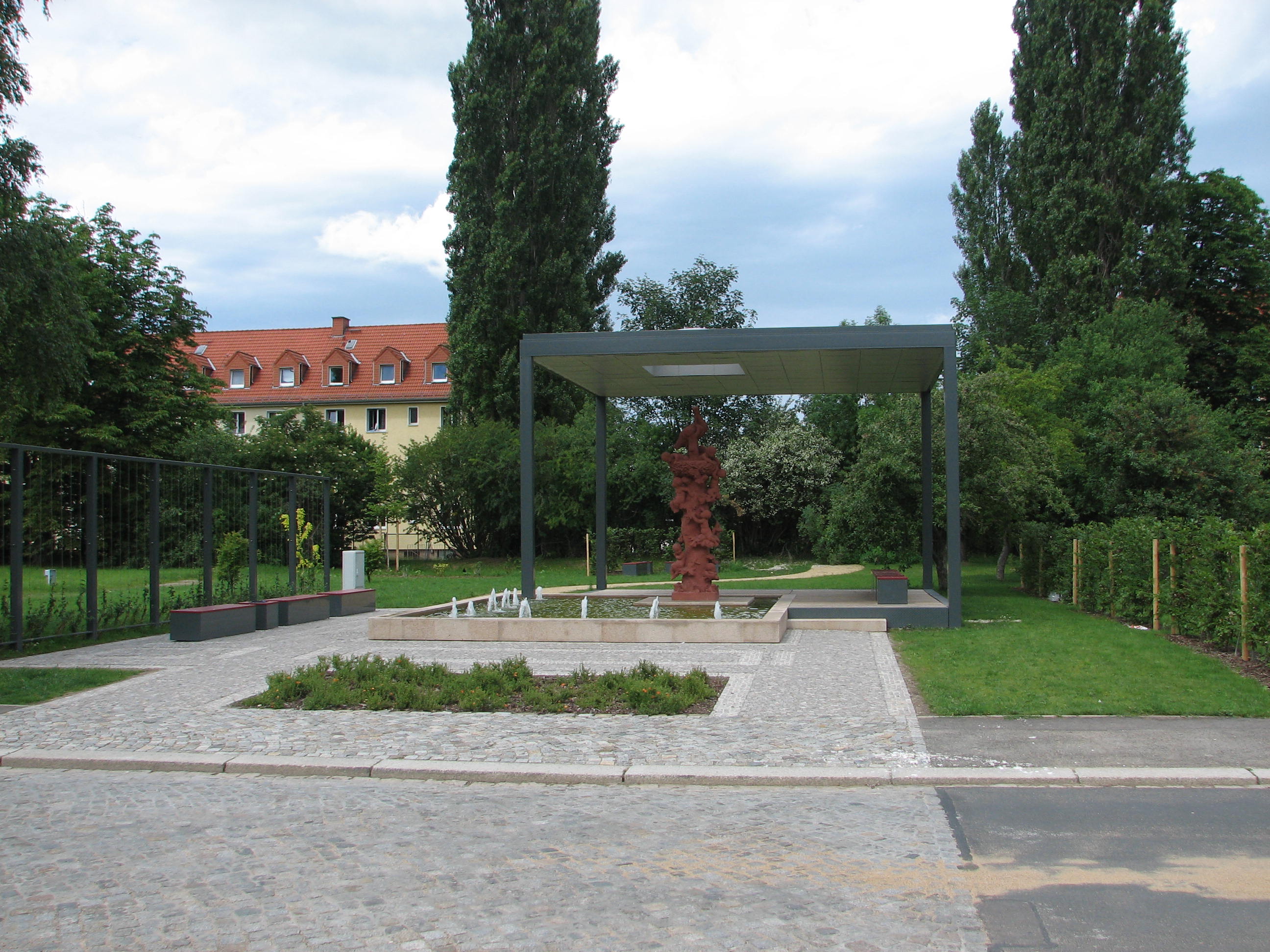
Named after the storks that once nested nearby, this fountain showcases a stylized stork sculpture.
All these attractions are easily reachable on foot, allowing you to craft a “Fountain Trail” that showcases Freital’s dedication to public water art.
7. Travel Tips
- Check Fountain Operation: The Freitaler Nase is generally active year‑round, but seasonal maintenance can temporarily shut off the water. A quick call to the Freital Tourist Office (Tel: +49 351 123456) can confirm opening hours.
- Cashless Payments: Most cafés and shops around the fountain accept contactless payments, but keep a small amount of cash for vending machines or older establishments.
- Language: While German is the official language, many locals speak basic English, especially younger residents. A few polite German phrases (“Bitte,” “Danke”) go a long way.
- Stay Connected: Free Wi‑Fi is available at the nearby Freital City Library (a 5‑minute walk). Use it to download offline maps of Saxony.
- Safety: The fountain’s basin is shallow, but keep an eye on small children. The surrounding pavement is slip‑resistant even after rain.
- Combine with Dresden: Freital is just 15 km south of Dresden, making it an ideal day‑trip from the capital. Pair your fountain visit with a stroll through Dresden’s Altmarkt or a boat ride on the Elbe.
- Seasonal Events: In late summer, Freital hosts a “Brunnenfest” (Fountain Festival) near the town centre. It includes live music, local food stalls, and a small fireworks display—perfect for extending your stay.
Final Thought
The Freitaler Nase may not dominate travel guide headlines, but its quiet presence captures the essence of Saxon small‑town charm. By weaving this modest fountain into your Saxony itinerary, you’ll experience a slice of everyday German life, discover hidden architectural gems, and perhaps even find a moment of unexpected serenity amid your travels. So lace up your walking shoes, follow the coordinates 51.011410 N, 13.662321 E, and let the gentle splash of the Freitaler Nase welcome you to a truly authentic corner of Germany.
Keywords: Freitaler Nase, fountain in Saxony, Freital attractions, things to do in Freital, Saxony travel guide, German fountains, Freital city centre, Rotkopf‑Görg‑Brunnen, Kopfwaschbrunnen, Storchenbrunnen, travel to Saxony, day trip from Dresden.