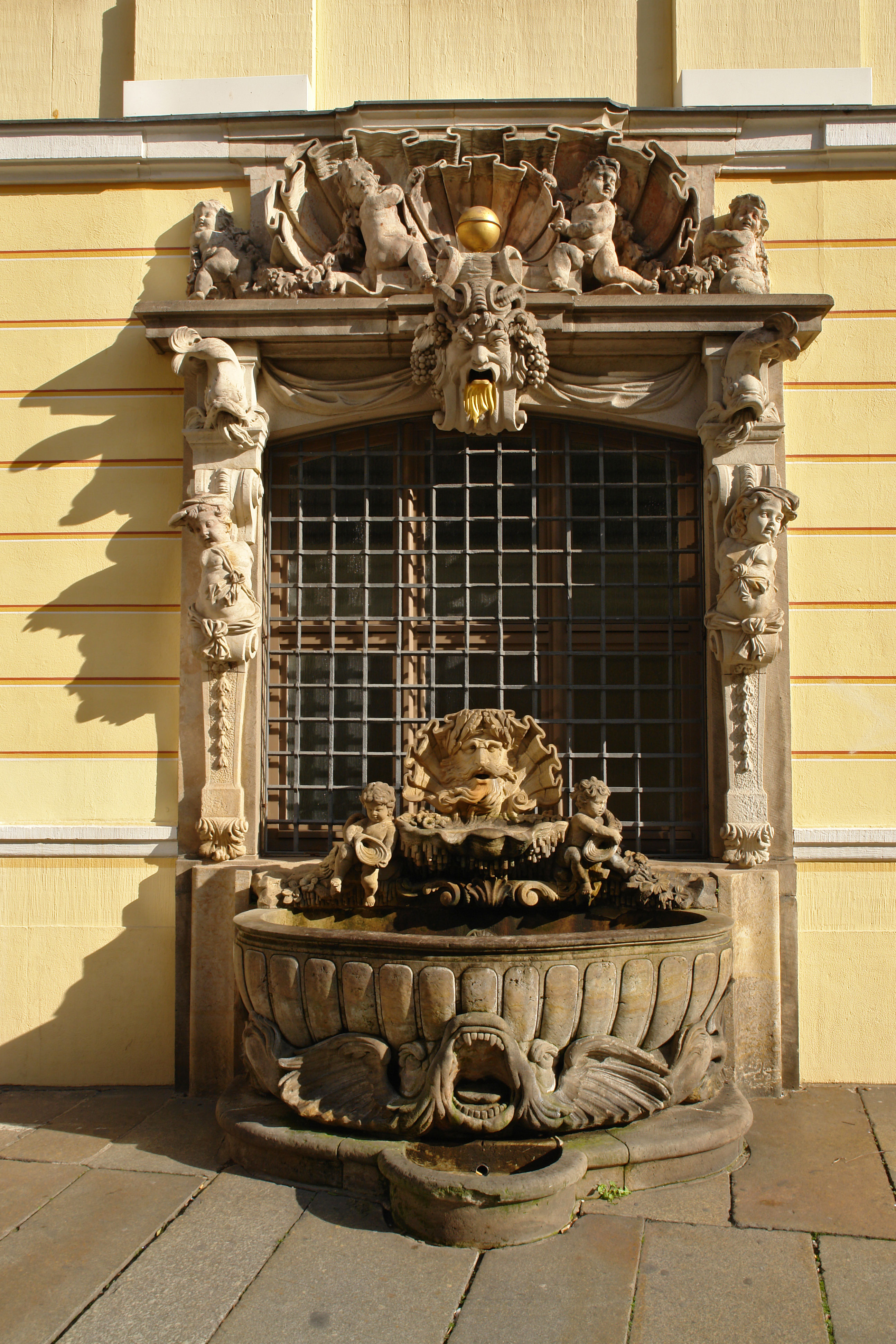
Dinglingerbrunnen – Dresden’s Hidden Baroque Jewel
If you think you’ve seen every fountain in Dresden, think again. Tucked away on the historic Frauenstraße, the Dinglingerbrunnen is a modest yet captivating piece of Saxon heritage that deserves a spot on your travel itinerary.
1. Introduction
When you wander the cobbled streets of Dresden’s Altstadt, the city’s grand baroque palaces and the sparkling Elbe River often steal the spotlight. Yet, just a few steps from the bustling shopping arcades lies a quiet oasis of water and stone: the Dinglingerbrunnen. This charming fountain, once part of the former Dinglinger‑Haus, offers a glimpse into the everyday elegance of 18th‑century Saxony. Whether you’re a history buff, a photography enthusiast, or simply looking for a peaceful pause amid the city’s rhythm, Dinglingerbrunnen is a perfect micro‑adventure.
2. About Dinglingerbrunnen
- Location: Frauenstraße 9, Dresden, Saxony, Germany
- Coordinates: 51.048752 N, 13.741781 E
- Type: Historic fountain ⛲
- Origin: The fountain originates from the former Dinglinger‑Haus, a residence that once stood on this street. While the building itself has disappeared, the fountain survived as a tangible reminder of the Dinglinger family’s presence in the city.
History & Significance
The Dinglinger name is linked to the renowned Dresden goldsmith Johann Melchior Dinglinger (1664‑1731), court jeweler to Augustus the Strong. Though the exact date of the fountain’s installation is not recorded, its baroque styling aligns with the period when Dresden blossomed into a cultural capital of the Electorate of Saxony.
The fountain’s design reflects the practical yet decorative approach typical of urban water features in the 17th–18th centuries: a modest stone basin crowned with a simple yet elegant water spout. While the height and altitude of the fountain remain undocumented, its modest scale makes it an intimate backdrop for street‑level exploration.
Why It Matters
- Cultural Continuity: Dinglingerbrunnen is one of the few surviving elements of the Dinglinger‑Haus, anchoring the modern city to its artisan past.
- Urban Charm: Amid the grandiose Zwinger Palace and the Frauenkirche, this small fountain adds a human scale to Dresden’s architectural narrative.
- Photographic Appeal: The interplay of water, stone, and historic façades creates a perfect composition for Instagram‑ready shots, especially when the morning light hits the cobbles.
3. How to Get There
By Public Transport
| Mode | Line(s) | Nearest Stop | Walking Time |
|---|---|---|---|
| Tram | 4, 9, 10 | Altmarkt (Tram) | 3 minutes |
| Bus | 61, 62 | Altmarkt (Bus) | 3 minutes |
| S‑Bahn | S1, S3 | Dresden Hauptbahnhof | 15 minutes (tram or bus) |
The Altmarkt stop drops you right onto the pedestrian zone of Altmarkt‑Görlitz. From there, head east on Altmarkt, turn left onto Frauenstraße, and you’ll see the fountain at number 9.
By Foot
If you’re staying in the Altstadt, the fountain is a 5‑minute walk from the Neumarkt (home of the reconstructed Frauenkirche). The route is scenic: pass the historic Gewandhaus, cross the Neustädter Markt, and you’ll arrive at the quiet side street where the fountain quietly greets visitors.
By Car / Taxi
Parking in the Altstadt can be challenging. The nearest public car park is Parkhaus Altmarkt (address: Altmarkt 1). From there, it’s a short 2‑minute walk. Taxis and rideshare services (e.g., FreeNow) will also drop you off at the Frauenstraße entrance.
4. Best Time to Visit
| Season | Why It Works |
|---|---|
| Spring (April‑May) | Blossoming linden trees line the nearby streets, and the fountain’s water glistens under mild sunshine. |
| Summer (June‑August) | Longer daylight hours let you linger at the fountain after lunch; nearby cafés spill onto the sidewalks, creating a lively atmosphere. |
| Autumn (September‑October) | Warm hues of the Altstadt’s historic façades complement the fountain’s stone, and the crowds thin out after the peak tourist season. |
| Winter (November‑March) | While the fountain may be quieter, the surrounding Christmas markets (late November‑December) add festive lights and aromas, making for a magical backdrop. |
Tip: Early morning (around 8 am) offers the best lighting for photography and a peaceful setting before the street fills with shoppers.
5. What to Expect
Arriving at Dinglingerbrunnen, you’ll notice the subtle contrast between the fountain’s modest stonework and the ornate baroque façades that flank it. The water gently cascades into a shallow basin, creating a soft murmur that blends with the city’s ambient sounds.
- Atmosphere: A blend of historic gravitas and everyday life. Locals often pause here for a quick drink of water, while tourists snap photos.
- Surroundings: The fountain sits on the ground floor of a historic building that now houses boutique shops and a traditional German café. Look up to see decorative cornices and a small plaque that identifies the site as the former Dinglinger‑Haus.
- Accessibility: The fountain is at street level, making it wheelchair‑friendly. The surrounding pavement is even, though some sections of the cobblestones can be uneven for strollers.
Take a moment to sit on the nearby bench, sip a coffee from the café, and watch the water dance—a simple pleasure that captures Dresden’s blend of past and present.
6. Nearby Attractions
While you’re in the vicinity, consider adding these short‑walk attractions to your itinerary. All are within 0.2 km of Dinglingerbrunnen, making them perfect for a relaxed “fountain tour.”
| Attraction | Distance | Type | Quick Link |
|---|---|---|---|
| Gänsediebbrunnen | 0.1 km | Fountain | Gänsediebbrunnen – Dresden |
| Hietzigbrunnen | 0.1 km | Fountain | Hietzigbrunnen – Dresden |
| [Unnamed Fountain 1] | 0.2 km | Fountain | (link unavailable – explore on foot) |
| [Unnamed Fountain 2] | 0.2 km | Fountain | (link unavailable – explore on foot) |
| [Unnamed Fountain 3] | 0.2 km | Fountain | (link unavailable – explore on foot) |
Other Must‑See Sites (within a 5‑minute walk):
- Frauenkirche Dresden – Rebuilt Lutheran church and UNESCO World Heritage site.
- Neumarkt – The historic market square, home to the reconstructed Frauenkirche and lively cafés.
- Dresden Zwinger – Baroque palace complex with museums (Old Masters Gallery, Porcelain Collection).
7. Travel Tips
- Combine with a Coffee Break – The café on Frauenstraße 9 serves excellent Eierschecke (Saxon cake) and a robust espresso—perfect for a post‑visit treat.
- Mind the Weather – In summer, the stone can become warm; wear comfortable shoes and consider a lightweight umbrella for sudden rain.
- Photography Hack – Position yourself opposite the fountain, using the nearby façade as a natural frame. Early morning light creates soft shadows, while the golden hour adds a warm glow.
- Cash vs. Card – Most shops accept cards, but some small kiosks still prefer cash (Euro). Keep a few euros handy for street vendors.
- Language – German is the primary language, but most staff in tourist areas speak English. A simple “Entschuldigung, wo ist der Dinglingerbrunnen?” (Excuse me, where is the Dinglingerbrunnen?) will be appreciated.
- Safety – Dresden is generally safe for travelers. Keep an eye on personal belongings, especially in crowded market areas.
- Timing for Nearby Fountains – If you plan to visit Gänsediebbrunnen and Hietzigbrunnen, aim for a leisurely 30‑minute stroll; the route is flat and well‑signposted.
Wrap‑Up
The Dinglingerbrunnen may not boast the towering height of Munich’s famous Neues Rathaus fountain or the elaborate sculptures of Berlin’s Neptunbrunnen, but its understated charm captures the essence of Dresden’s historic heart. It’s a reminder that the most memorable travel moments often happen in the quiet corners of a city—where water whispers, stone tells stories, and you can pause to truly feel the pulse of a place.
Next time you find yourself wandering the lanes of Saxony’s capital, let the Dinglingerbrunnen be your guide to a slower, more intimate side of Dresden. Happy travels!