Delphinbrunnen – Dresden’s Hidden Fountain Gem
Discover the charm of the Delphinbrunnen, a lesser‑known historic fountain tucked in the heart of Dresden’s Altstadt. Whether you’re a seasoned traveler to Saxony or a first‑time visitor to Germany, this petite masterpiece offers a quiet moment of reflection amid the city’s bustling cultural scene.
1. Introduction
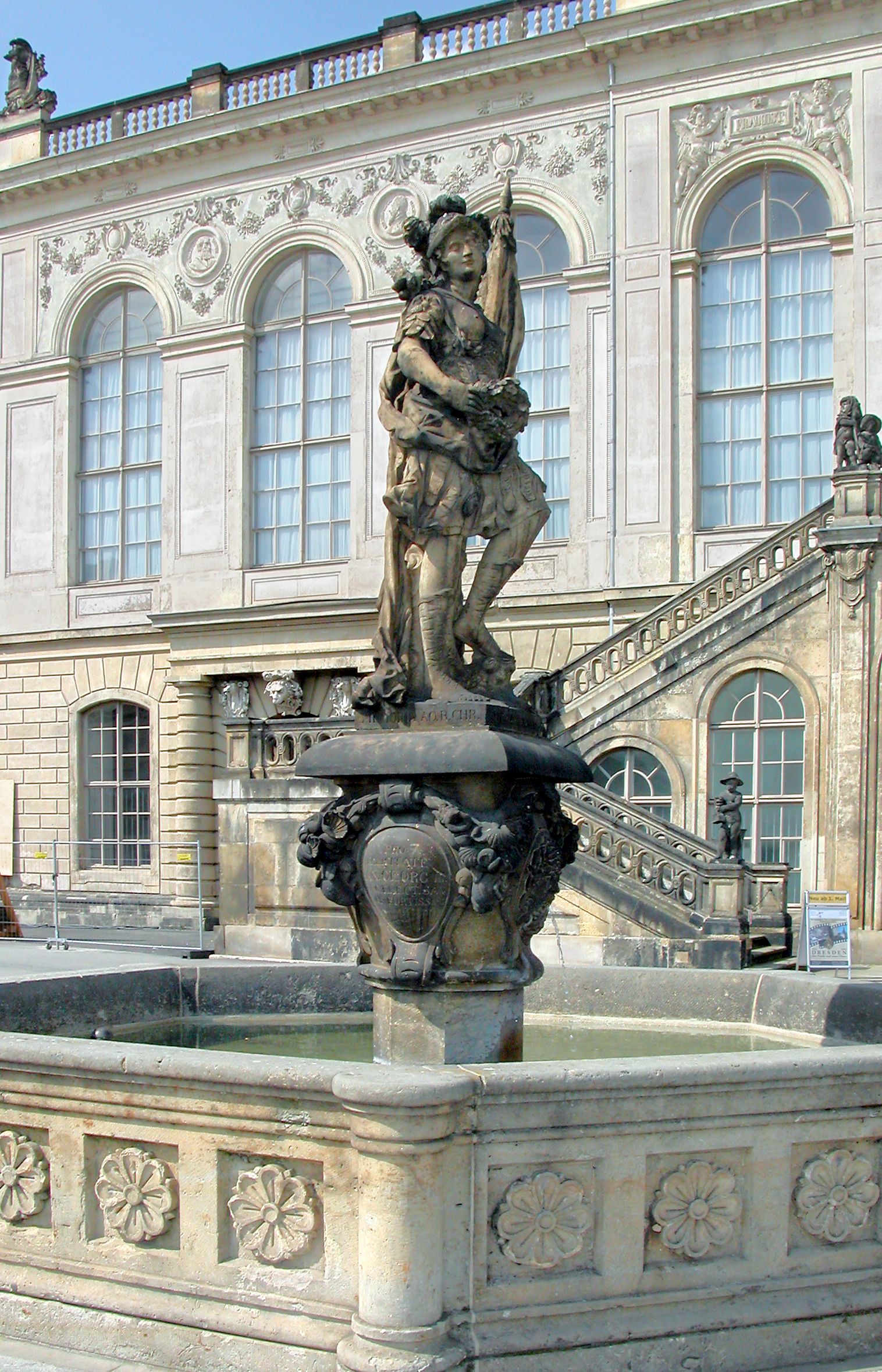
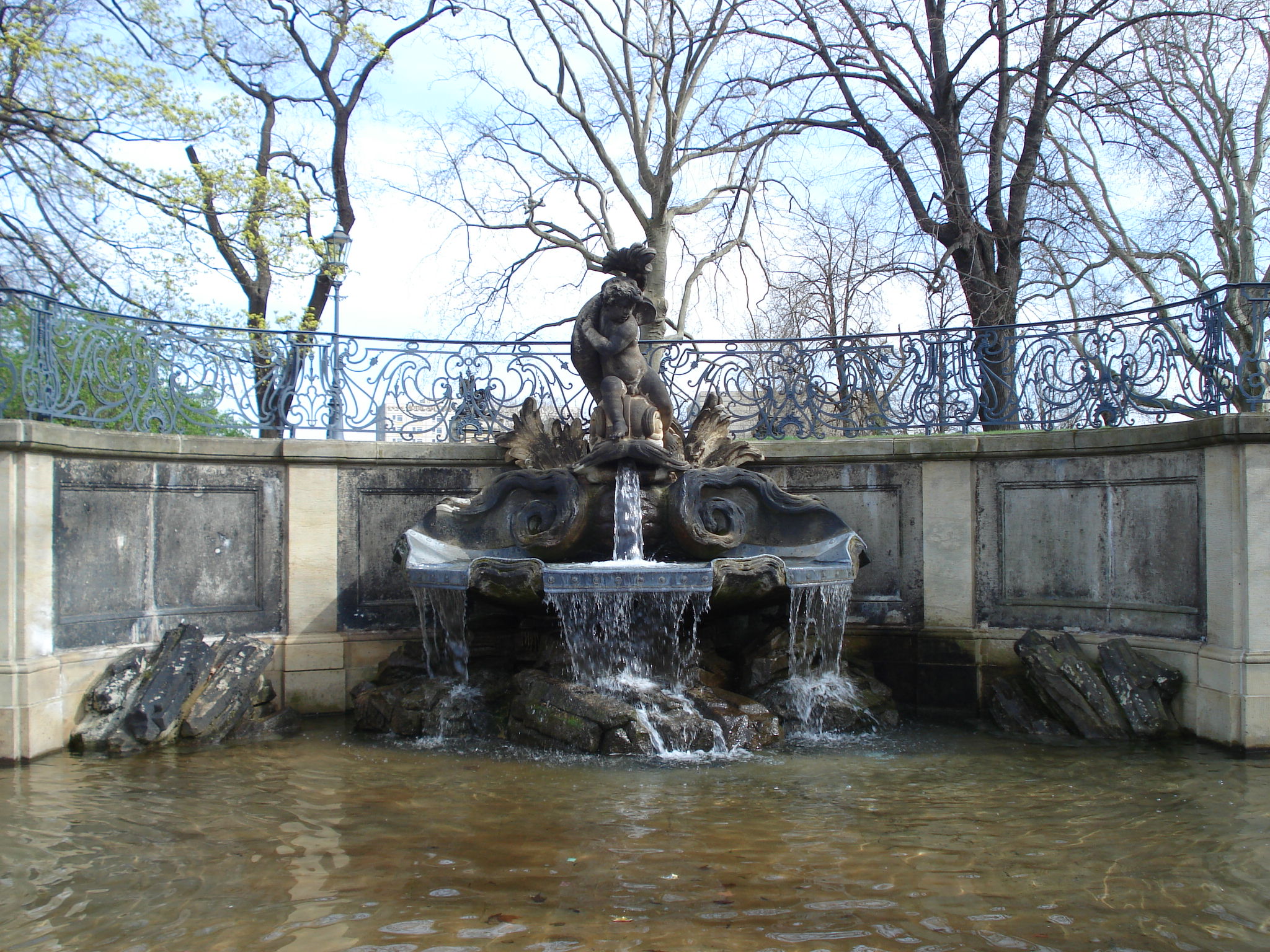
When you think of Dresden, images of the Frauenkirche, the Zwinger Palace, and the sparkling Elbe River usually come to mind. Yet, just a short stroll from these iconic landmarks lies a tiny, whimsical water feature that many tourists overlook: the Delphinbrunnen. Its name—German for “dolphin fountain”—hints at the playful sculptures that once crowned the basin, while today the fountain stands as the remnants of the second Belvedere (Überreste des Zweiten Belveders).
If you love wandering off the beaten path, snapping photos of hidden corners, and soaking up local history, the Delphinbrunnen should be on your Dresden itinerary. In this guide, we’ll dive into the fountain’s story, show you how to reach it, suggest the best times to visit, and point out other nearby attractions that can round out a perfect day in Saxony’s capital.
2. About Delphinbrunnen
A Brief History
The Delphinbrunnen dates back to the early 18th century, when Dresden’s Elector Augustus the Strong transformed the city into a Baroque masterpiece. The fountain originally formed part of the second Belvedere, a decorative terrace that offered panoramic views of the Elbe and the surrounding gardens. Over the centuries, wars, reconstruction, and urban development stripped the original structure down, leaving only the stone base and a few sculptural fragments—hence the German description “Überreste des Zweiten Belveders.”
Although the dolphin figures that once spouted water have vanished, the remaining stonework still hints at the fountain’s former grandeur. The subtle water flow that now circulates through the basin creates a gentle soundtrack for passersby, while the surrounding cobblestones preserve the historic ambience of Dresden’s Altstadt.
Why It Matters
- Cultural continuity – The Delphinbrunnen is a tangible link to Dresden’s Baroque era, reminding visitors of the city’s once‑opulent court life.
- Urban oasis – Amid the bustling shopping streets and museums, the fountain offers a quiet spot to pause, listen to the water, and watch daily life unfold.
- Photographic appeal – The weathered stone, soft water spray, and historic surroundings make for compelling Instagram shots, especially when the sunrise or golden hour light hits the basin.
3. How to Get There
| Mode of Transport | Details |
|---|---|
| By Train | Arrive at Dresden Hauptbahnhof (main train station). From there, the Delphinbrunnen is a 15‑minute walk (≈1.2 km). Follow signs to the Altstadt (Old Town) and head toward the Neumarkt square. |
| By Tram | Take tram line 4, 6, 7, 10, or 11 to the Neumarkt stop. The fountain sits just a few meters north of the stop, on a small side street near the historic market. |
| By Bus | Bus routes 62 and 73 stop at Neumarkt as well. The walk from the bus stop is the same as from the tram. |
| By Car | Parking in the Altstadt is limited. Use the Parking Garage Altmarkt (address: Altmarkt 1, 01067 Dresden) and walk 5 minutes north to the fountain. |
| On Foot | If you’re already exploring Dresden’s historic center, the Delphinbrunnen is within a 5‑minute walk from the Frauenkirche, Zwinger, and Semperoper. Follow the cobblestone lanes heading west from the Neumarkt and look for a modest stone basin flanked by low railings. |
Coordinates: 51.053078 N, 13.744316 E – plug these into any GPS or mapping app for precise navigation.
4. Best Time to Visit
| Season | What to Expect | Why It’s Ideal |
|---|---|---|
| Spring (April‑May) | Blooming linden trees, mild temperatures (10‑18 °C). | The fountain’s water looks especially clear against the fresh greenery, and crowds are still moderate. |
| Summer (June‑August) | Warm days (20‑26 °C), occasional rain showers. | Long daylight hours let you enjoy the fountain in the golden hour; nearby cafés provide cool relief. |
| Autumn (September‑October) | Warm‑cool evenings, colorful foliage. | The stone of the Delphinbrunnen takes on a warm, amber glow, perfect for atmospheric photos. |
| Winter (November‑February) | Cold (0‑5 °C), possible snow. | The fountain’s quietness is amplified; a light dusting of snow creates a magical, almost fairy‑tale setting. |
Tip: The fountain is illuminated at night, casting gentle reflections on the water. If you love night photography, visit after sunset on a clear evening for a serene, illuminated scene.
5. What to Expect
When you arrive at the Delphinbrunnen, you’ll find a modest stone basin set into a quiet side street. A soft, continuous trickle of water creates a soothing ambience that contrasts with the nearby market chatter. The surrounding cobblestones and historic façades give the area a timeless feel, as if you’ve stepped back into the 18th century.
- Quiet contemplation: Unlike the bustling Neumarkt square, the fountain’s micro‑location encourages lingering. Sit on a nearby bench, sip a coffee, and watch locals and tourists alike pause for a moment of calm.
- Historical context: Look closely at the remaining stonework; you’ll notice subtle Baroque motifs that hint at the fountain’s original decorative purpose.
- Photo opportunities: Capture the fountain from different angles—low to emphasize the water’s movement, wide‑angle to include the surrounding architecture, and close‑up for texture details on the weathered stone.
- Accessibility: The pathway leading to the fountain is level and paved, making it wheelchair‑friendly. However, the surrounding cobblestones can be uneven for strollers, so a baby carrier may be more convenient.
6. Nearby Attractions
Your visit to the Delphinbrunnen can easily become a full‑day exploration of Dresden’s Altstadt. All of the following sites are within a 0.5 km radius, meaning you can walk between them in a few minutes:
| Attraction | Distance | Why Visit? | Link |
|---|---|---|---|
| Neumarkt (central square) | 0 km (right next to the fountain) | Historic market square surrounded by the Frauenkirche and Altes Rathaus. | Neumarkt on Wikipedia |
| Friedensbrunnen (peace fountain) | 0.4 km | A tranquil fountain dedicated to peace, featuring elegant sculptures and a quiet garden setting. | Friedensbrunnen Dresden |
| Widderkopf (fountain) | 0.4 km | Small ornamental fountain known for its charming goat‑head spout. | Widderkopf Dresden |
| Zwinger Palace | 0.5 km | Baroque masterpiece housing art museums, pavilions, and beautiful courtyards. | Zwinger on Wikipedia |
| Semperoper (Saxon State Opera) | 0.5 km | World‑renowned opera house with stunning architecture and nightly performances. | Semperoper Dresden |
Note: Two of the nearby fountains listed in the source data did not have specific names. They are still worth spotting as you wander the historic streets—look for modest stone basins tucked into side alleys, each with its own quiet charm.
7. Travel Tips
- Combine with a walking tour – Many guided tours of Dresden’s Altstadt include the Neumarkt and Zwinger. Ask the guide to make a brief stop at the Delphinbrunnen for a photo break.
- Bring a compact umbrella – The fountain’s location is exposed to rain; a small, foldable umbrella lets you stay dry without missing the view.
- Check for special events – During the annual Dresden City Festival (usually in June), the Altstadt streets host street musicians and market stalls that add extra vibrancy to the area.
- Use a translation app – While most signage in the tourist zone is bilingual (German/English), the plaque near the fountain may only be in German. A quick translation app can reveal the brief historical note about the “second Belvedere.”
- Stay hydrated – Dresden’s summer days can be warm. Grab a refreshing Eisgekühltes Bier or a local Apfelschorle from a nearby café before or after visiting the fountain.
- Respect the site – As a historic monument, the Delphinbrunnen is protected. Avoid climbing on the stonework and keep the area clean for future visitors.
Wrap‑Up
The Delphinbrunnen may not boast the towering height of a modern landmark, but its quiet presence in Dresden’s historic heart offers a unique glimpse into the city’s Baroque past. By weaving this hidden fountain into your travel itinerary, you’ll experience a more intimate side of Saxony—one that balances grand architecture with subtle, reflective moments.
So, lace up your walking shoes, follow the coordinates 51.053078 N, 13.744316 E, and let the gentle sound of water guide you through Dresden’s storied streets. Happy travels!