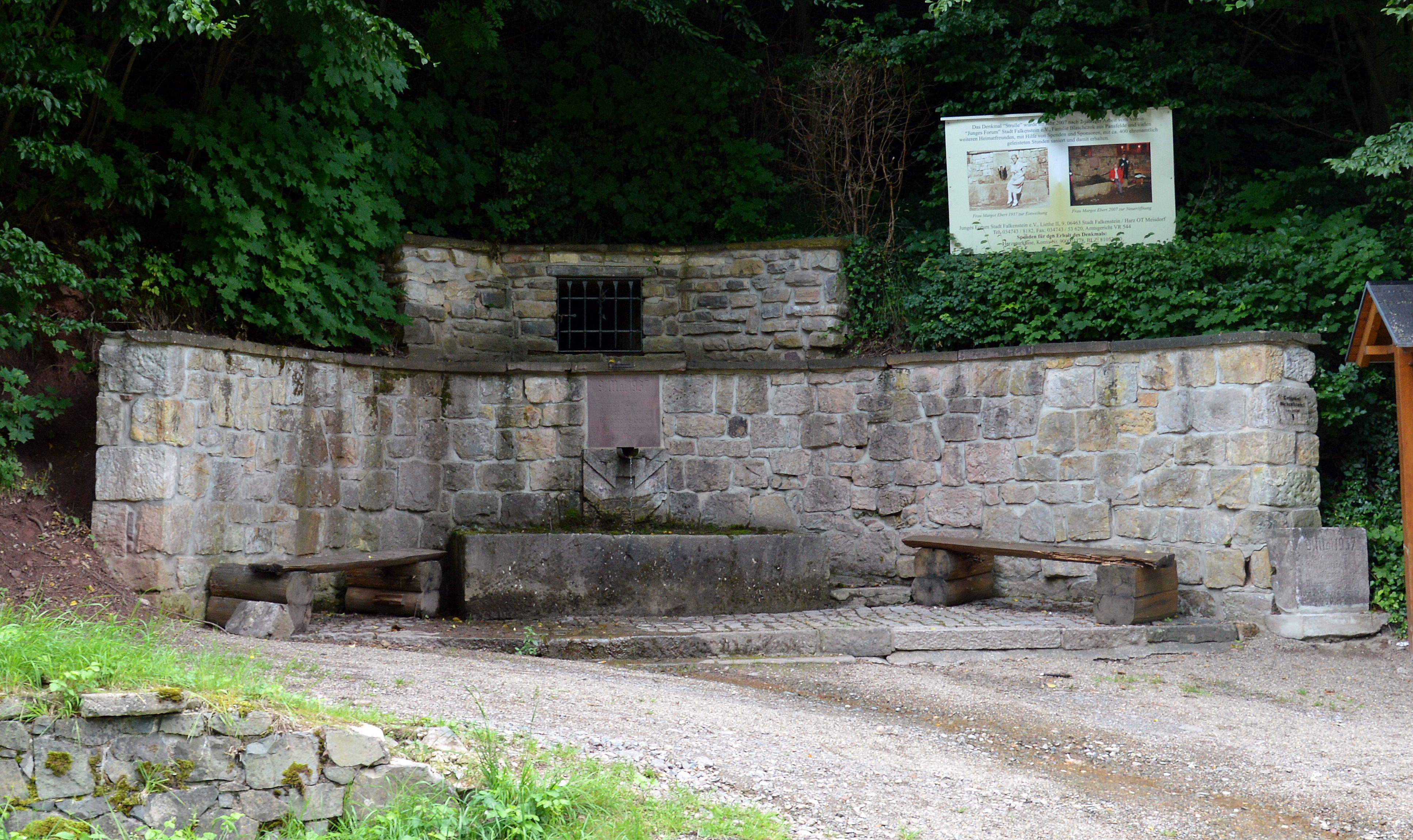
Die Strulle – A Hidden Spring Gem in Ballenstedt, Saxony‑Anhalt
Discover the crystal‑clear waters, tranquil forest paths, and the subtle charm of one of Saxony‑Anhalt’s lesser‑known natural treasures.
1. Introduction
Imagine stepping off the beaten tourist trail into a quiet forest clearing where a gentle trickle of water bubbles up from the earth, forming a pristine spring that has fed the surrounding landscape for centuries. This is Die Strulle, a modest yet captivating spring nestled just outside the historic town of Ballenstedt in the heart of Saxony‑Anhalt, Germany.
While the Harz Mountains and the medieval castles of the region draw crowds, Die Strulle offers a peaceful alternative—a place to pause, listen to the soft murmur of water, and feel the pulse of the natural world. Whether you’re a seasoned hiker, a photography enthusiast, or simply someone seeking a quiet spot to unwind, Die Strulle is worth adding to your itinerary.
2. About Die Strulle
A Brief Description
Die Strulle (German for “the trickle”) is a natural spring located at 51.702668 N, 11.285167 E. The spring emerges from the limestone-rich subsoil typical of the Harz foothills, producing clear, cool water that seeps into nearby streams and contributes to the region’s lush vegetation. Though the exact height and altitude of the spring are not documented, its presence is unmistakable: a small pool of water framed by moss‑covered stones and shaded by birch and pine trees.
Historical Context
The spring’s name appears in local records and on the German Wikipedia page for Strulle, indicating that it has been recognized by residents for generations. Springs like Die Strulle historically served as vital water sources for nearby farms, villages, and even small mills. While there is no specific evidence of a historic mill at this site, the proximity of two ancient weirs (0.5 km and 1.3 km away) suggests that the water flow in the area was once harnessed for agricultural or industrial purposes.
Cultural Significance
In Saxony‑Anhalt, natural springs often hold cultural and ecological importance. They are considered symbols of purity and are sometimes linked to local folklore. Though no specific legends are attached to Die Strulle, its serene setting makes it a natural gathering spot for locals who enjoy a quiet walk, a moment of reflection, or a simple picnic beside the water.
3. How to Get There
By Car
- From Ballenstedt: Die Strulle lies just a few kilometers southwest of the town centre. From the B101 road, follow the signs toward Ballenstedt‑Westerhausen and turn onto the local road Kreisstraße 15 (approximately 3 km). After about 1 km, a small parking area appears near the forest trailhead.
- From Halle (Saale): Take the A14 northbound, exit at Ballenstedt (Exit 28). Follow the B101 for 7 km, then turn onto Kreisstraße 15 as described above. The total drive is roughly 45 minutes (≈70 km).
By Public Transport
- Train: The Harz‑Elbe‑Börde regional line stops at Ballenstedt station. Trains run hourly from Halle (Saale) and Magdeburg.
- Bus: From Ballenstedt station, the Bus line 210 heads toward Westerhausen. Get off at the “Strulle” stop (the last stop before the forest). The bus ride is about 10 minutes.
Walking / Cycling
The spring is accessible via a well‑marked forest trail that starts at the parking area or bus stop. The 2 km walk is gentle, with a modest elevation change, making it suitable for families and casual cyclists.
Tip: Use a GPS app and enter the coordinates 51.702668, 11.285167 for precise navigation.
4. Best Time to Visit
| Season | What to Expect | Why It’s Ideal |
|---|---|---|
| Spring (April‑May) | Fresh foliage, blooming wildflowers, higher water flow. | The forest awakens, making the spring’s water especially clear and the surroundings vibrant. |
| Summer (June‑August) | Warm weather, longer daylight hours. | Perfect for picnics and photography, though midday can be warm—bring shade. |
| Autumn (September‑October) | Golden leaves, cooler temperatures, quieter trails. | The forest’s colors provide a stunning backdrop for the spring’s turquoise water. |
| Winter (November‑March) | Snow‑covered landscape, serene silence. | If you don’t mind the cold, the frozen forest offers a magical, almost otherworldly atmosphere. |
Overall, late spring to early autumn offers the most comfortable conditions for walking and enjoying the spring’s natural beauty.
5. What to Expect
The Senses
- Sight: A modest pool of crystal‑clear water, surrounded by moss‑laden stones and a canopy of birch, spruce, and pine. Sunlight filters through the leaves, creating dancing reflections on the surface.
- Sound: The gentle gurgle of water emerging from the ground, punctuated by birdsong and the rustle of leaves.
- Smell: Fresh, earthy aromas of damp soil, pine needles, and wildflowers.
- Touch: The cool mist that rises from the spring on a warm day—perfect for a quick splash if you’re feeling adventurous.
Activities
- Photography: The spring’s reflective water and surrounding forest make for compelling macro and landscape shots.
- Birdwatching: Look for common forest birds such as the Eurasian Nuthatch, Great Tit, and European Robin.
- Picnicking: A small clearing near the spring is ideal for a quiet lunch. Bring a blanket and enjoy local specialties like Harzer Käse (a regional cheese).
- Short Hikes: The trail continues toward the nearby weirs and other springs, offering a natural loop of about 4 km.
Facilities
- Parking: A modest lot (≈10 spaces) near the trailhead.
- Restrooms: None on site; the nearest public toilets are in Ballenstedt town centre.
- Signage: Trail markers are simple wooden posts; a small information board explains the spring’s origin.
6. Nearby Attractions
While Die Strulle is the star of the day, the surrounding area offers several points of interest that can easily be added to your itinerary:
| Attraction | Distance | Type | Quick Link |
|---|---|---|---|
| Weir #1 | 0.5 km | Weir | Weir (hydrology) |
| Weir #2 | 1.3 km | Weir | Weir (hydrology) |
| Unnamed Spring | 2.0 km | Spring | Spring (hydrology) |
| Brunnen | 2.3 km | Spring | Spring (hydrology) |
| Unnamed Spring | 3.2 km | Spring | Spring (hydrology) |
Why visit them?
- The weirs showcase historic water management techniques used by local farmers.
- The additional springs provide a chance to compare water colors, flow rates, and surrounding flora.
- All sites are reachable via short forest paths, making them perfect for a leisurely afternoon walk.
Bonus Nearby Spot: The Ballenstedt Castle (Schloss Ballenstedt) sits just 5 km north of the spring. Its Renaissance architecture and surrounding gardens are a must‑see for history lovers.
7. Travel Tips
| Tip | Details |
|---|---|
| Wear appropriate footwear | The forest trail can be muddy after rain; sturdy hiking boots or waterproof shoes are advisable. |
| Pack a reusable water bottle | While the spring water is clear, it’s not officially treated for drinking. Use it for refilling after a short boil or filter if you plan to drink. |
| Check weather forecasts | The area can become slippery in heavy rain; early morning visits often offer clearer paths and better lighting for photos. |
| Respect nature | Stay on marked trails, avoid picking plants, and carry out any litter. The spring’s ecosystem is delicate. |
| Bring a small blanket or portable seat | There are no benches at the spring; a lightweight blanket makes picnics comfortable. |
| Use a map or GPS | The forest signage is minimal. Having the coordinates (51.702668, 11.285167) saved on your phone ensures you won’t lose your way. |
| Combine with local cuisine | After your visit, head to Ballenstedt’s town centre for a meal at Restaurant Zum Kuckuck, known for regional dishes and a cozy atmosphere. |
| Stay safe | In winter, ice can form around the spring. Keep a safe distance from frozen water surfaces. |
Conclusion
Die Strulle may not appear on every travel brochure, but that’s precisely what makes it a hidden treasure for the curious explorer. Its clear waters, tranquil forest setting, and proximity to other natural and cultural sites create a perfect micro‑adventure in Saxony‑Anhalt.
Whether you’re mapping a day trip from Ballenstedt, planning a weekend hike through the Harz foothills, or simply looking for a peaceful spot to unwind, Die Strulle invites you to pause, listen to the gentle trickle, and reconnect with nature’s subtle rhythms.
Pack your camera, lace up your boots, and let the spring’s quiet charm guide you to an unforgettable experience in the heart of Germany’s green heartland.
Keywords: Die Strulle, spring in Saxony‑Anhalt, Ballenstedt travel, natural springs Germany, Harz foothills, hidden gems Saxony‑Anhalt, hiking Ballenstedt, nearby weirs, German nature travel.