Julianenbrunnen – A Hidden Fountain Gem in Guntersblum, Rheinland‑Pfalz
Discover the charm of a modest yet unforgettable water feature tucked away in the heart of the Rhine valley.
Introduction
If you’re wandering through the picturesque villages of the Rhine‑Main area, you might think you’ve seen every historic stone bridge, wine cellar, and medieval church. Yet, just a few steps off the main road in the tranquil town of Guntersblum, a small stone fountain whispers a story of local pride and centuries‑old tradition. Known as the Julianenbrunnen, this unassuming fountain may not dominate travel guide headlines, but it offers a perfect snapshot of Rhineland‑Palatinate’s intimate relationship with water, community, and heritage.
Whether you’re a fountain‑enthusiast, a cultural‑history buff, or simply looking for a peaceful spot to pause on a bike ride along the Rhine, Julianenbrunnen deserves a place on your itinerary. In this guide, we’ll explore the fountain’s background, how to reach it, the best time to visit, what you’ll see, nearby attractions, and essential travel tips—so you can make the most of this hidden treasure.
About Julianenbrunnen
A Brief Description
- Name: Julianenbrunnen
- Type: Fountain ⛲
- Location: Guntersblum, Rheinland‑Pfalz, Germany
- Coordinates: 49.797473 N, 8.340175 E
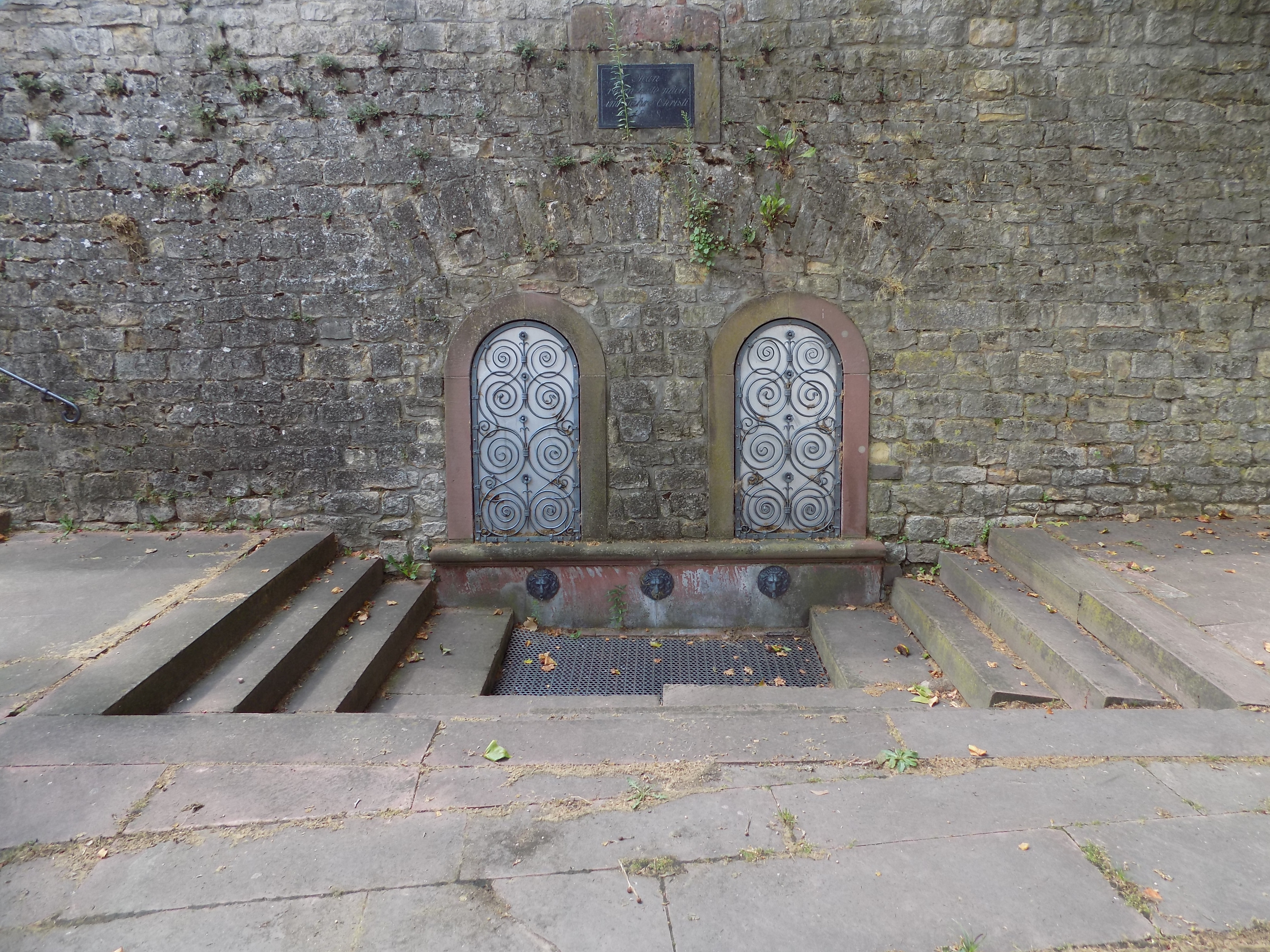
The Julianenbrunnen sits at the intersection of the village’s historic center, near the old town hall and the banks of the Rhine. Its stone basin is fed by a modest spring, and the water gently cascades over a simple yet elegant stone carving. While the exact height and altitude of the fountain are not documented, its modest scale blends seamlessly with the surrounding architecture, creating a harmonious focal point for locals and visitors alike.
Historical Roots
The fountain’s name likely derives from the Julian family, a prominent lineage that contributed to Guntersblum’s development during the 19th century. In many German villages, private families financed public water sources as a gesture of civic responsibility—a tradition that persisted well into the early 1900s. Though precise construction dates are scarce, archival references (see the German Wikipedia entry: Julianenbrunnen) suggest the fountain was erected during a period when public waterworks were essential for daily life, before modern plumbing became widespread.
Cultural Significance
Beyond its practical purpose, the Julianenbrunnen serves as a social anchor. Historically, villagers gathered here to collect fresh water, exchange news, and celebrate seasonal festivals. Today, it remains a beloved backdrop for community events, photo‑ops, and quiet contemplation. Its presence underscores the Rhine valley’s deep respect for water as both a life‑source and a symbol of continuity.
How to Get There
By Car
- From Mainz: Take the A60 eastbound, exit at Bingen‑Mainz and follow signs for B9 toward Guntersblum. The drive is roughly 30 km (≈ 20 minutes). Parking is available near the town center; look for the small municipal lot opposite the historic town hall.
- From Koblenz: Follow the A48 south, then merge onto the A61 toward Mainz. Exit at Bingen, then follow the same B9 route into Guntersblum.
By Train & Bus
- Nearest Train Station: Gensingen‑Horrweiler (approximately 5 km north). Regional trains on the Rheinhessen line connect Mainz, Bingen, and Kaiserslautern.
- Local Bus: From Gensingen‑Horrweiler, take bus line R24 toward Guntersblum (≈ 15 minutes). The bus stops within walking distance of the fountain’s location.
By Bike or Foot
The Rhine Cycle Route (Rheinradweg) passes just a few kilometers east of Guntersblum, making a bike stop at Julianenbrunnen an easy detour. The town’s compact layout means you can reach the fountain on foot from most central accommodations in under 10 minutes.
GPS Navigation
Enter the coordinates 49.797473, 8.340175 into any navigation app for a direct route to the fountain’s exact spot.
Best Time to Visit
| Season | Why It Works | Tips |
|---|---|---|
| Spring (April–June) | Blossoming vineyards, mild temperatures, and occasional river mist create a romantic atmosphere. | Bring a light jacket; the fountain may be surrounded by fresh tulip beds. |
| Summer (July–August) | Long daylight hours allow for leisurely exploration of nearby vineyards and river walks. | Arrive early to avoid midday heat; bring water and sunscreen. |
| Autumn (September–October) | Harvest festivals fill the town with music, local wine, and colorful foliage—perfect for photography. | Check local event calendars; many festivals use the fountain as a backdrop. |
| Winter (November–March) | Quiet, snow‑dusted streets give the fountain a serene, almost magical feel. | Dress warmly; the fountain may be partially frozen, creating a unique visual. |
Overall, late spring to early autumn offers the most comfortable weather and the richest cultural program, but each season provides its own charm.
What to Expect
When you step onto the cobblestones in front of the Julianenbrunnen, you’ll be greeted by a peaceful oasis. The stone basin, polished by decades of flowing water, reflects the surrounding historic façades. A gentle murmur of water provides a soothing soundtrack, perfect for a short meditation or a quick photo session.
Sensory Highlights
- Visual: The fountain’s simple stone design contrasts beautifully with the pastel‑colored half‑timbers of Guntersblum’s old houses. In summer, nearby flower beds add splashes of color.
- Auditory: The soft splash of water creates a calming ambiance, especially when the surrounding streets are quiet.
- Touch: If you’re lucky, you can dip your hand into the cool water—a tradition that locals still enjoy on hot days.
Photographic Opportunities
- Framing the Fountain: Position yourself across the street to capture the fountain with the historic town hall in the background.
- Golden Hour: Late afternoon light casts a warm glow on the stone, highlighting its texture.
- Seasonal Shots: Autumn leaves floating in the basin or a light dusting of snow on the fountain make for memorable images.
Nearby Attractions
While Julianenbrunnen is a worthwhile stop on its own, the surrounding area offers several other water‑related sights that complement your visit. All are within a short drive or bike ride.
| Attraction | Type | Distance from Julianenbrunnen | Link |
|---|---|---|---|
| Unnamed Fountain | Fountain | 0.5 km | View on Map |
| St. Viktor‑Brunnen | Spring | 1.2 km | St. Viktor‑Brunnen |
| Rumpelsborn | Spring | 1.4 km | Rumpelsborn |
| Unnamed Fountain (2) | Fountain | 4.2 km | View on Map |
| Weißmühlbrunnen | Fountain | 4.5 km | Weißmühlbrunnen |
Quick itinerary suggestion:
1. Start at Julianenbrunnen for a relaxed morning coffee.
2. Walk or bike to St. Viktor‑Brunnen and Rumpelsborn for a short hike along the spring trails.
3. Finish the day with a visit to Weißmühlbrunnen, perhaps combined with a winery stop in the nearby Michelsberg region.
Travel Tips
- Timing: Arrive early on weekends to avoid crowds, especially during local festivals.
- Parking: The municipal lot near the town hall fills quickly in summer; consider a park‑and‑walk from the outskirts.
- Currency: While most places accept cards, small cash (Euro) is handy for vending machines or market stalls.
- Language: German is the primary language, but most locals in tourist areas speak basic English.
- Local Cuisine: Try the regional specialty Rheinischer Sauerbraten at the nearby inn “Zum Römertopf” – a short walk from the fountain.
- Safety: The fountain’s stone edges are smooth, but watch out for slippery surfaces after rain.
- Accessibility: The path to the fountain is cobblestoned; it may be challenging for wheelchair users. Contact the Guntersblum tourist office for assistance options.
- Weather Check: The Rhine valley can be windy; a light windbreaker is advisable, especially near the river.
- Cultural Respect: When photographing locals or the fountain, a quick “Entschuldigung” (excuse me) goes a long way.
Wrap‑Up
The Julianenbrunnen may not boast towering arches or elaborate sculptures, but its quiet elegance captures the essence of Rhineland‑Pfalz: a region where history, nature, and community flow together like the water it celebrates. By adding this modest fountain to your travel itinerary, you’ll experience a slice of authentic German village life, discover nearby springs and fountains, and enjoy the scenic beauty of the Rhine valley at a relaxed pace.
Pack your camera, lace up your walking shoes, and let the gentle splash of Julianenbrunnen guide you into the heart of Guntersblum. Happy travels!