Irreler Wasserfälle – The Hidden Rapids of Prümzurlay, Rheinland‑Pfalz
Discover the whispering roar of one of Germany’s lesser‑known natural gems.
Introduction
If you think Germany’s waterfalls are limited to the famous Triberg or the thundering Rheinfall, think again. Nestled in the tranquil forest of Prümzurlay, the Irreler Wasserfälle (Irrel Rapids) offer a secluded, almost mystical water‑play that feels worlds away from the bustling tourist trails. This hidden rapids system is a perfect spot for hikers, nature photographers, and anyone craving a quiet encounter with the power of flowing water. In this guide, we’ll walk you through everything you need to know to make the most of your visit to this enchanting corner of Rheinland‑Pfalz.
About Irreler Wasserfälle
What is it?
The Irreler Wasserfälle are a series of rapid water cascades located at 49.855819 N, 6.445080 E in the municipality of Prümzurlay, Rhineland‑Palatinate, Germany. Unlike towering waterfalls that plunge hundreds of meters, these rapids create a frothy, churning flow that tumbles over a rugged riverbed, producing a constant, soothing roar. The exact height and altitude of the rapids are not documented, adding an element of mystery to the site.
A Brief History
The name “Irrel” comes from the nearby village of Irrel, a historic settlement that dates back to the Roman era. Over centuries, the surrounding forest and river valleys have been shaped by both natural forces and human activity—logging, small‑scale milling, and later, tourism. While the rapids have never been heavily commercialized, they have long served as a local landmark for hikers and anglers.
Why It Matters
- Ecological value – The fast‑moving water creates a unique micro‑habitat for aquatic insects, amphibians, and small fish species that thrive in oxygen‑rich environments.
- Cultural charm – The Irreler Wasserfälle are part of the regional folklore, often mentioned in local stories as a “whispering water spirit” that guides travelers through the forest.
- Off‑the‑beaten‑path experience – For travelers seeking authentic German nature without crowds, this rapids site offers a genuine, untouched feel.
How to Get There
By Car
- From Trier – Take the B51 north toward Prümzurlay (≈ 30 km). Follow the signs for Prümzurlay and look for the small parking area near the forest trailhead.
- From Koblenz – Drive south on the A48, exit at Welschbillig, then follow local roads (L‑148) toward Prümzurlay.
The journey is scenic, winding through vineyards, rolling hills, and dense woodlands—perfect for a road‑trip playlist.
Public Transport
- Train – The nearest railway station is Trier Hauptbahnhof. From there, catch a regional bus (R‑51) to Prümzurlay; the ride lasts about 45 minutes.
- Bus – Local bus line R‑51 stops at “Prümzurlay, Waldweg”, a short walk (≈ 10 minutes) to the trailhead.
On Foot
The rapids are accessible via a well‑marked forest trail that starts at the Prümzurlay Visitor Center (coordinates above). The hike to the water’s edge is roughly 1.2 km and takes 20‑30 minutes on moderate terrain.
Best Time to Visit
| Season | Conditions | Why Visit |
|---|---|---|
| Spring (April–May) | Snowmelt and spring rains raise water levels; the surrounding forest bursts into fresh green. | Ideal for seeing the rapids at their most vigorous. |
| Summer (June–August) | Warm days, longer daylight. | Perfect for a cool dip in the pool below the rapids and for photography in soft evening light. |
| Autumn (September–October) | Leaves turn golden, water flow steadies. | Photographers love the contrast of amber foliage against the white‑frothy water. |
| Winter (November–March) | Water may be lower; occasional frost creates icy patterns. | For the adventurous, a quiet, almost ethereal landscape—just ensure safe footing. |
Tip: The rapids are most dramatic after a rainstorm, regardless of season. Check local weather forecasts before heading out.
What to Expect
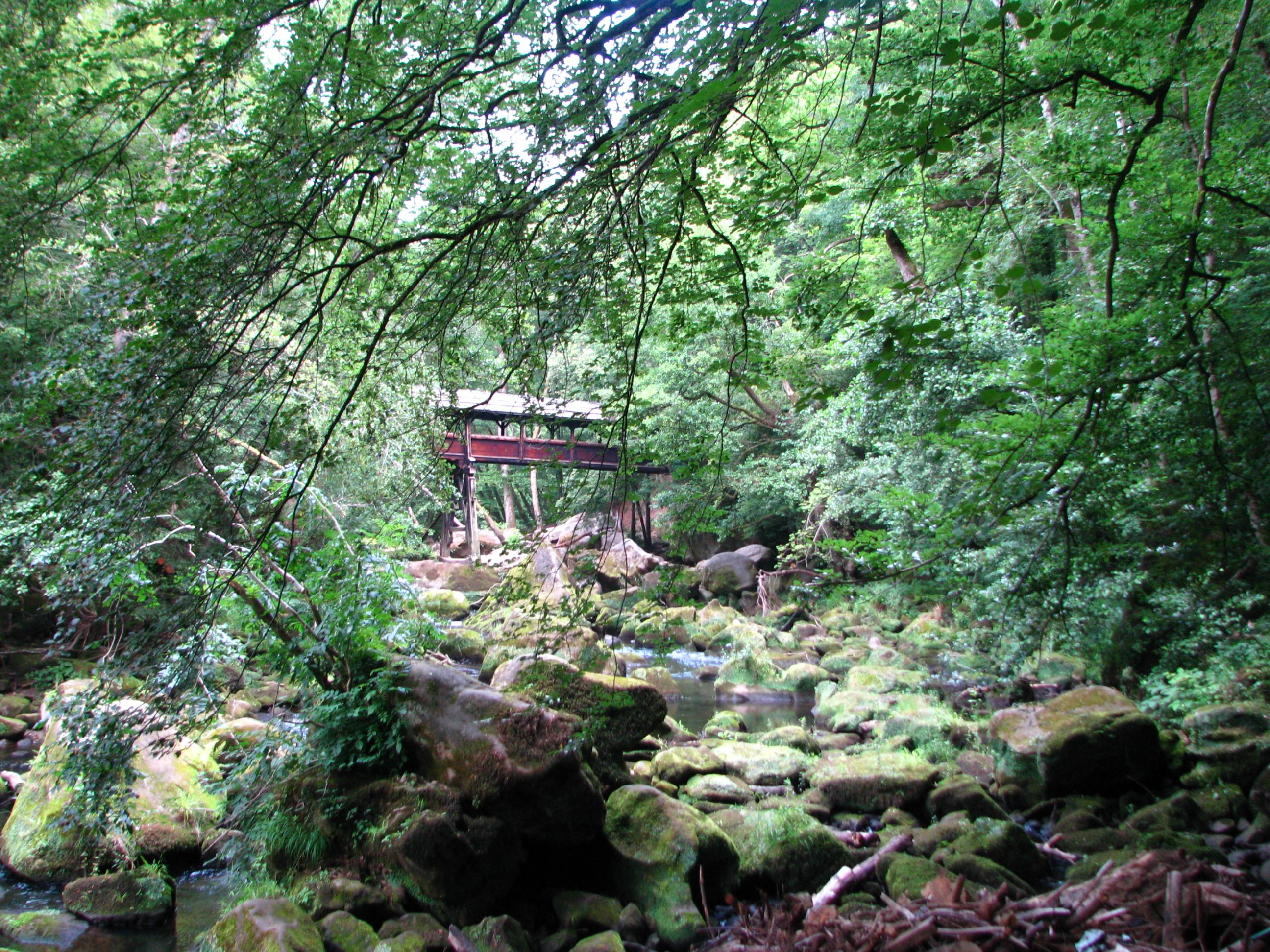
When you arrive, the first thing you’ll notice is the constant, melodic roar of water striking stone. The rapids form a series of small, turbulent pools that sparkle under the canopy’s dappled sunlight. The surrounding forest is a mix of beech, oak, and spruce, providing ample shade in summer and a carpet of pine needles in winter.
- Soundscape: The water’s rush creates a natural white‑noise, perfect for meditation or simply unwinding.
- Visuals: Look for the delicate spray arches that rise from the water’s edge—great for slow‑shutter photography.
- Wildlife: Keep an eye out for kingfishers, dragonflies, and occasional deer that come to drink.
There are no built‑in facilities (no restrooms or cafés), which adds to the raw, natural feel. However, a small wooden bench near the trail’s end offers a spot to sit, enjoy a snack, and watch the water dance.
Nearby Attractions
While the Irreler Wasserfälle are the star, the surrounding area offers several charming points of interest within a short drive or hike:
| Attraction | Distance | Type | Link |
|---|---|---|---|
| Local Fountain | 1.3 km | Fountain | (no dedicated page – see local map) |
| Natural Spring | 1.3 km | Spring | (no dedicated page – see local map) |
| Second Spring | 1.5 km | Spring | (no dedicated page – see local map) |
| Historic Fountain | 3.2 km | Fountain | (no dedicated page – see local map) |
| Hochbehälter Alsdorf | 3.4 km | Spring / Water Reservoir | (no dedicated page – see local map) |
All these spots are easily reachable via short forest trails or a quick bike ride. They provide additional photo opportunities and quiet spots to rest between hikes.
Travel Tips
- Footwear: Wear sturdy, waterproof hiking boots. The riverbank can be slippery, especially after rain.
- Pack Light: There are no shops nearby. Bring water, snacks, and a basic first‑aid kit.
- Leave No Trace: The area is pristine; carry out all trash and stay on marked paths to protect the delicate ecosystem.
- Timing: Arrive early in the morning or late afternoon to avoid the occasional weekend crowd of local hikers.
- Photography: A polarizing filter helps reduce glare on the water’s surface, while a tripod is useful for long exposures that capture the silky motion of the rapids.
- Safety: The water can be deceptively strong. Avoid stepping directly into the rapid flow; use the stepping stones on the riverbank.
- Seasonal Gear: In winter, dress in layers and consider insulated gloves—cold water spray can be chilling.
Wrap‑Up
The Irreler Wasserfälle may not have the fame of larger waterfalls, but its quiet charm, invigorating soundscape, and surrounding forest make it a perfect destination for travelers craving an authentic, off‑the‑grid nature experience in Rheinland‑Pfalz. Whether you’re a seasoned hiker, a nature photographer, or simply someone looking to escape the city’s hustle, a visit to these rapids promises a refreshing dip into Germany’s hidden watery wonders.
Ready to chase the sound of rushing water? Pack your boots, map, and curiosity—Irrel’s rapids await.
For more detailed information, see the German‑language Wikipedia entry: Irreler Wasserfälle.