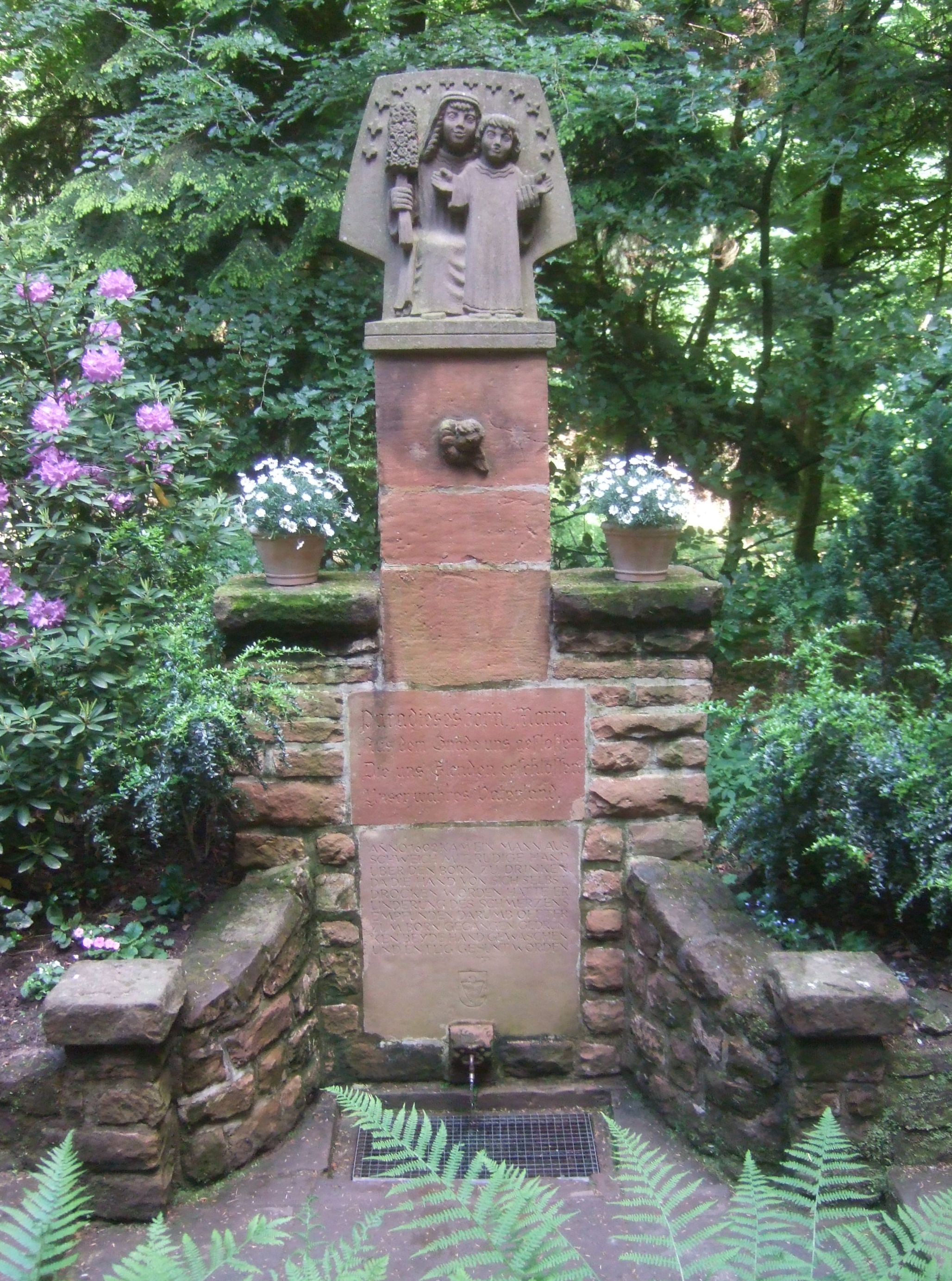
Heilbrunnen – The Healing Spring of Schweich, Rheinland‑Pfalz
Discover a hidden gem where centuries‑old legends of curative waters meet tranquil German countryside scenery.
Introduction
If you’re wandering the rolling vineyards and historic towns of Rheinland‑Pfalz, a modest stone basin tucked into a quiet garden may be the most unforgettable stop of your journey. Heilbrunnen, the “Healing Spring” of Schweich, has been drawing pilgrims, wellness seekers, and curious travelers since the early 1600s. Legend has it that the water’s “miraculous” properties were first recorded in 1602, sparking a flourishing spa culture that peaked in the 17th century. Today, the spring is part of a lovingly preserved ensemble of pathways, a little chapel, and a stone cross—an idyllic spot for a reflective pause, a gentle walk, or a sip of history‑steeped water.
In this guide we’ll explore the spring’s fascinating past, show you how to reach it, tell you when to visit, and point out other nearby springs worth a detour. Whether you’re a wellness‑oriented traveler, a history buff, or simply someone chasing the road less travelled, Heilbrunnen has something to offer.
About Heilbrunnen
A spring with a story
Heilbrunnen (also known as Heiligenborn) lies at the coordinates 49.840961 N, 6.725870 E in the municipality of Schweich, a charming town perched on the Moselle River. The spring’s name literally means “healing spring,” a reference to the “Wunderberichte” (miracle reports) that began circulating in 1602. According to these early accounts, the water could alleviate ailments ranging from rheumatism to digestive complaints.
The reputation spread quickly, and by the 17th century a Kurbetrieb (spa operation) had taken root. Local nobles, clergy, and ordinary folk would travel to Schweich to drink or bathe in the water, believing it could restore health and vigor. To accommodate the growing influx of visitors, a comprehensive architectural ensemble was erected:
- The spring source – a stone basin where the water emerges.
- Wegekapelle – a small wayside chapel offering a place for prayer and contemplation.
- Stationenweg – a designated walking path that guides visitors through the garden, punctuated by informational stations.
- Wegekreuz – a stone cross that marks the spiritual heart of the site.
All of these elements sit within a gärtnerische Anlage (garden setting) that has been carefully maintained to preserve the atmosphere of a historic pilgrimage site. While the exact height and altitude of the spring are not documented, its modest size only adds to the intimate charm of the place.
Why it matters today
Heilbrunnen is more than a pretty spot on a map; it’s a living reminder of Germany’s long tradition of hydro‑therapy and spiritual wellness. The spring’s story reflects the broader European fascination with “cure waters” that flourished from the Renaissance through the Enlightenment. Even if you’re skeptical about the water’s curative powers, the site offers a tangible connection to centuries of cultural belief, architecture, and landscape design.
How to Get There
By car
- From Trier: Take the A1 north toward Koblenz, exit at Schweich (Exit 61). Follow the signs for Schweich Zentrum and then Heilbrunnen; the spring is located just a short walk from the town centre.
- From Mainz: Follow the A61 south, then the A1 east to the same exit. Parking is available in the public lot behind the St. Peter’s Church (about a 5‑minute walk).
By public transport
- Train: The Schweich (Mosel) station lies on the Mosel‑Saar‑Rail line. Trains from Trier or Koblenz run hourly. From the station, a 10‑minute bus ride (line 112) drops you at the Marktplatz stop, a stone’s throw from the spring.
- Bus: Regional bus 112 connects Trier, Schweich, and nearby villages. Check the Rhineland-Palatinate public transport (Rhein-Mosel Verkehr) schedule for exact times.
On foot or bike
Schweich’s historic centre is compact and pedestrian‑friendly. If you’re staying in a local guesthouse or Airbnb, the spring is reachable within a 15‑minute walk or a 5‑minute bike ride along the Moselle bike path (Moselradweg).
Best Time to Visit
| Season | What to Expect | Why It’s Ideal |
|---|---|---|
| Spring (April‑June) | Fresh blossoms, mild temperatures, occasional rain showers that make the garden lush. | Perfect for photography and gentle walks; the water flow is strong after winter melt. |
| Summer (July‑August) | Warm days, longer daylight hours, occasional crowds from nearby towns. | Ideal for a relaxed picnic in the garden; the spring’s cool water feels especially refreshing. |
| Autumn (September‑October) | Golden foliage, crisp air, fewer visitors. | The changing colors provide a magical backdrop for the historic chapel and cross. |
| Winter (November‑March) | Quiet, potentially frosty, limited daylight. | For those seeking solitude; the spring’s misty atmosphere can feel almost mystical. |
Recommendation: Late spring (mid‑May to early June) offers the best combination of pleasant weather, vibrant garden life, and manageable visitor numbers.
What to Expect
When you arrive at Heilbrunnen, you’ll first notice a well‑kept garden path lined with low hedges and stone benches. The source itself is a shallow stone basin, its water gently bubbling over smooth rocks. While the spring is not a large waterfall, the sound of flowing water creates a soothing backdrop for contemplation.
The Wegekapelle sits a few meters downstream, a modest stone chapel adorned with a simple wooden altar and a plaque that recounts the spring’s early miracle reports. Inside, you’ll find a small candle‑lit space where visitors often leave a token of gratitude.
Following the Stationenweg, you’ll encounter informative panels that explain the historical context—how the spring became a Kurort (spa town) in the 17th century, the architectural choices of the period, and the role of the Wegekreuz as a spiritual marker. The cross, weathered but sturdy, stands at a gentle clearing, offering a panoramic view of the surrounding vineyards and the Moselle River in the distance.
If you’re curious about the water’s taste, you may sip a small amount (the spring is still considered safe for drinking). Many visitors report a crisp, mineral‑rich flavor that feels invigorating—whether or not it possesses any “healing” properties, it’s a pleasant reminder of the spring’s historic reputation.
Nearby Attractions
While Heilbrunnen is a highlight on its own, the surrounding area boasts several other springs and natural sites that make for an easy day‑trip itinerary.
| Attraction | Distance from Heilbrunnen | What to See | Link |
|---|---|---|---|
| Hubertusbrunnen | 0.2 km | A small spring dedicated to Saint Hubertus, surrounded by a quiet meadow. | Hubertusbrunnen (Google Maps) |
| Herkulesbrunnen | 0.7 km | A robust spring with a mythic name, set within a shaded grove. | Herkulesbrunnen (Google Maps) |
| Meilenborn 1 | 0.8 km | A lesser‑known spring offering a peaceful spot for a short walk. | Meilenborn 1 (Google Maps) |
| Meilenborn 2 | 1.0 km | Similar to Meilenborn 1, this spring is nestled near a small vineyard. | Meilenborn 2 (Google Maps) |
All of these sites are within a comfortable walking radius, allowing you to create a “Spring Trail” that showcases the region’s natural water heritage.
If you have extra time, consider extending your visit to the Moselle River promenade, the historic Schweich Castle (Schloss Schweich), or a wine tasting at one of the nearby Moselle vineyards—all easily reachable by bike or short drive.
Travel Tips
- Dress for the garden: Comfortable walking shoes and a light jacket (especially in spring or autumn) will make the stone paths more enjoyable.
- Respect the site: The spring and chapel are part of a protected cultural landscape. Avoid climbing on the stone basin, and keep noise to a minimum.
- Stay hydrated: While the spring water is safe to sip, bring a reusable water bottle for the rest of your hike, especially in summer.
- Timing: Arrive early in the morning (around 9 am) to enjoy the tranquility before any small groups arrive.
- Parking: The public lot behind St. Peter’s Church fills up quickly on weekends. If you’re traveling by car, consider arriving after 10 am or using the nearby bus stop.
- Combine with wine tourism: Schweich lies in the heart of the Moselle wine region. Many local wineries offer tasting rooms within walking distance—perfect for a post‑spring refreshment.
- Language tip: Signage is primarily in German, but most locals speak at least basic English. A simple “Hallo” and “Danke” go a long way!
Wrap‑up
Heilbrunnen may not appear on every mainstream travel brochure, but its blend of historic healing lore, serene garden design, and accessible location makes it a standout destination for anyone exploring Rheinland‑Pfalz. Whether you’re sipping the mineral‑rich water, pausing at the modest chapel, or strolling the nearby spring trail, you’ll leave with a deeper appreciation for the region’s relationship with nature, spirituality, and wellness.
Pack your walking shoes, bring a curiosity for centuries‑old stories, and let the quiet flow of Heilbrunnen refresh both body and mind. Safe travels!