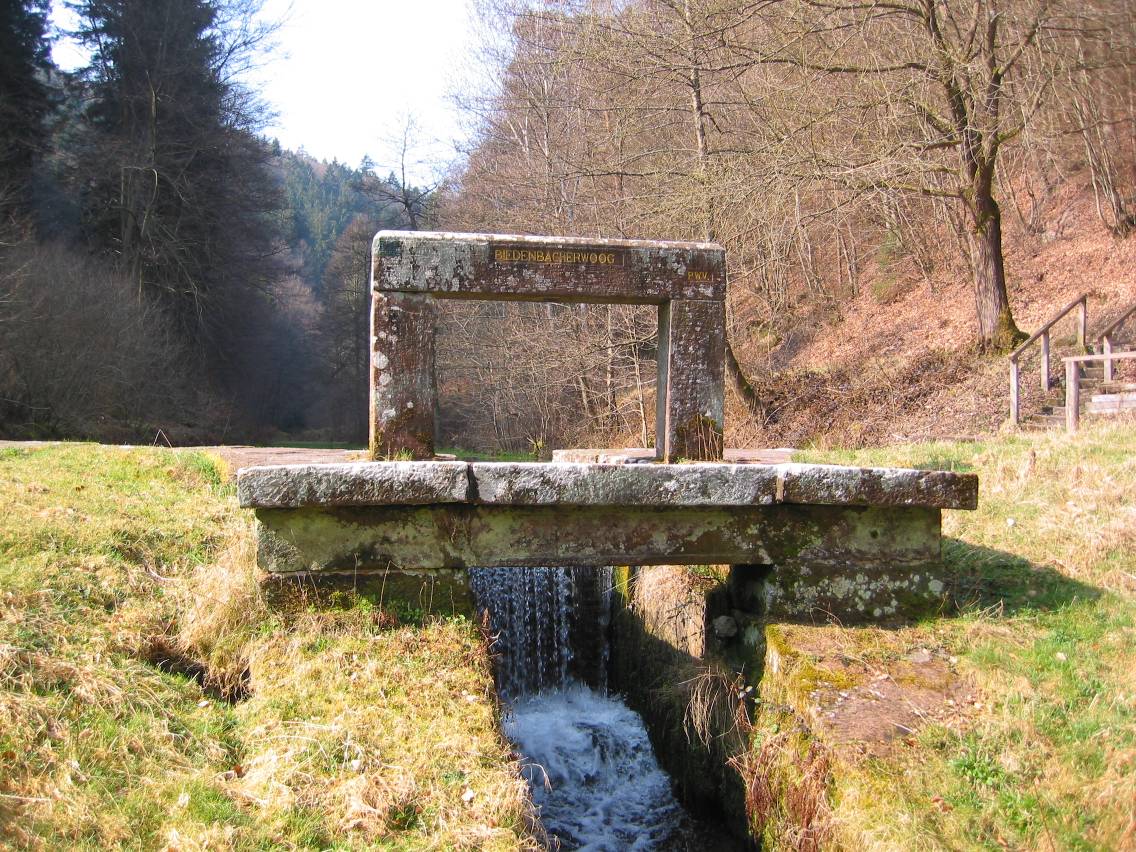
Biedenbacher Woog – A Hidden Weir Gem in Frankenstein, Rheinland‑Pfalz
Discover the tranquil charm of Biedenbacher Woog, a little‑known weir tucked away in the rolling hills of the Palatinate. Perfect for nature lovers, photographers, and anyone craving a peaceful escape in Germany’s heartland.
Introduction
If you think Germany’s attractions are limited to bustling cities, fairy‑tale castles, and the Alpine peaks, think again. A short drive south of the historic town of Frankenstein lies Biedenbacher Woog, a modest yet captivating weir that offers a slice of serenity amid the lush countryside of Rheinland‑Pfalz. With its gentle water flow, surrounding woodlands, and panoramic views of the Südwestpfalz landscape, this spot is quickly becoming a favorite among local hikers and off‑the‑beaten‑path travelers. Whether you’re planning a weekend road trip, a family outing, or a quiet solo retreat, Biedenbacher Woog deserves a place on your itinerary.
About Biedenbacher Woog
What is a “Woog”?
In the German dialect of the Palatinate, Woog refers to a small pond or reservoir, often created by damming a stream. Biedenbacher Woog is technically a weir—a low barrier built across a river to control water levels. While the exact height and altitude of the structure remain undocumented, its purpose is clear: to regulate the flow of the nearby stream, create a tranquil pool, and support the surrounding ecosystem.
Historical Roots
The name “Biedenbacher” ties the weir to the neighboring village of Biedenbach, a settlement that dates back to the Middle Ages. Historically, small weirs like this were essential for local agriculture, providing water for irrigation and powering modest mills. Over time, as industrialization shifted the region’s economic focus, many of these structures fell out of commercial use and transitioned into recreational spaces. Today, Biedenbacher Woog stands as a living reminder of the region’s agrarian past while serving modern visitors seeking natural beauty.
Why It Matters
Beyond its functional origins, Biedenbacher Woog plays a vital role in biodiversity. The calm waters attract a variety of birds, amphibians, and small fish, making it a hotspot for wildlife watching. The surrounding riparian forest supports native flora such as alder, willow, and wild garlic, offering a pleasant backdrop for hikers and photographers alike. For locals, the woog is a cherished communal space—ideal for picnics, gentle walks, and seasonal celebrations.
How to Get There
By Car
- From Frankfurt am Main: Take the A5 south toward Karlsruhe, then switch to the A65 toward Landau. Exit at Kandel (Exit 20) and follow the B10 toward Frankenstein. Follow local signs for Biedenbacher Woog—the turn‑off is just a few kilometers outside the town center.
- Parking: A small, free parking lot sits near the main trailhead. Space is limited during peak weekends, so arriving early is advisable.
By Public Transport
- Train: The Deutsche Bahn Regionalbahn line (RB) runs from Karlsruhe or Saarbrücken to Frankenstein (Pfalz) Bahnhof. The journey from Karlsruhe takes roughly 45 minutes.
- Bus: From Frankenstein station, the local bus line RLP‑B 24 departs every hour toward Biedenbach. Get off at the “Biedenbacher Woog” stop (approximately a 10‑minute walk from the weir).
By Bike
The Palatinate is renowned for its well‑marked cycling routes. The Rheinland‑Pfalz Radweg (regional bike trail) passes near Frankenstein, offering a scenic, low‑traffic ride to the woog. Expect a gentle climb of about 150 m over 8 km—perfect for moderate cyclists.
Coordinates
- Latitude: 49.426513
- Longitude: 7.956073
Plug these into any GPS device or mapping app for precise navigation.
Best Time to Visit
| Season | Highlights | Tips |
|---|---|---|
| Spring (April‑May) | Fresh blossoms, migratory birds, and mild temperatures (10‑18 °C). | Bring a light jacket and a binocular for birdwatching. |
| Summer (June‑August) | Lush greenery, longer daylight (up to 16 h), and ideal conditions for picnics. | Arrive early to avoid weekend crowds; sunscreen and water bottle are a must. |
| Autumn (September‑October) | Golden foliage, crisp air, and the chance to see local wildlife preparing for winter. | Perfect for photography; bring a tripod for low‑light shots. |
| Winter (November‑February) | Quiet, frost‑kissed scenery; occasional ice on the pond creates a magical atmosphere. | Dress warmly (layers, waterproof boots). Some paths may be slippery. |
Overall, late spring and early autumn provide the most comfortable weather and the richest natural colors, making them the optimal windows for a visit.
What to Expect
The Landscape
Approaching Biedenbacher Woog, you’ll first notice the gentle ripple of water spilling over the low weir, creating a soft, soothing sound that blends with the rustle of surrounding trees. The pool itself is modest—just enough to reflect the sky and the canopy above, offering an excellent mirror for photography.
Activities
- Leisure Walks: A well‑maintained footpath circles the woog, allowing a 1.2 km loop that’s suitable for all ages and fitness levels.
- Birdwatching & Wildlife Spotting: Look for kingfishers, grey herons, and the occasional European otter. The surrounding reeds attract dragonflies and amphibians during the warmer months.
- Picnicking: Designated grassy patches near the water provide a peaceful setting for a family lunch or a solo snack.
- Photography: The weir’s stonework, the play of light on water, and the seasonal foliage make for compelling shots. Sunrise and sunset are especially photogenic, with the sky reflecting off the calm pool.
Facilities
- Restrooms: None on site; the nearest public facilities are in the village of Biedenbach (about 1 km away).
- Signage: Informational boards explain the woog’s history and local flora/fauna.
- Accessibility: The main trail is mostly flat and suitable for strollers, though some sections may be uneven after heavy rain.
Nearby Attractions
While Biedenbacher Woog can easily fill a half‑day, the surrounding area offers several complementary points of interest—perfect for extending your adventure.
| Attraction | Type | Distance | Why Visit |
|---|---|---|---|
| [Unnamed Dam] | Dam | 0.0 km | A neighboring water management structure that illustrates the region’s engineering heritage. |
| [Unnamed Weir] | Weir | 0.2 km | Another small weir, ideal for comparing construction styles and water flow patterns. |
| Lindenbrunnen | Spring | 0.2 km | A natural spring with crystal‑clear water, surrounded by a shaded grove—great for a quick refresher stop. |
| [Second Unnamed Weir] | Weir | 0.4 km | Offers a different perspective of the local waterways and is a quiet spot for contemplation. |
| [Second Unnamed Dam] | Dam | 0.4 km | Provides insight into larger-scale water regulation in the Palatinate region. |
(Note: The nearby dams and weirs are modest structures without dedicated visitor centers, but they are easily visible from the main trail and add context to the area's water management network.)
Travel Tips
- Check Weather Forecasts – The Palatinate can experience sudden showers, especially in spring. Waterproof shoes and a light rain jacket will keep you comfortable.
- Bring a Picnic Blanket – There are no formal picnic tables, but the grassy banks are perfect for spreading a blanket and enjoying a meal.
- Respect Wildlife – Keep a safe distance from nesting birds and avoid feeding animals. This helps preserve the natural balance.
- Stay Charged – Mobile signal can be spotty near the woog; consider downloading offline maps (Google Maps or MAPS.ME) before you arrive.
- Leave No Trace – Carry a small trash bag and take all litter with you. The area is maintained by local volunteers, and your cooperation keeps it pristine.
- Combine with a Local Wine Tour – Rheinland‑Pfalz is famous for its Riesling and Gewürztraminer. Many nearby vineyards offer tasting rooms in Frankenstein and the surrounding villages—perfect for an afternoon indulgence after your walk.
- Timing for Photography – Early morning (around 7 am) provides soft light and fewer visitors, while golden hour (approximately 6 pm in summer) yields warm tones that enhance the water’s reflections.
Final Thoughts
Biedenbacher Woog may not have the grandeur of the Rhine’s famous castles or the bustle of Berlin’s streets, but its understated beauty captures the essence of Rheinland‑Pfalz’s quiet countryside. A short journey from Frankenstein, this weir offers a peaceful retreat, a chance to connect with nature, and a glimpse into the region’s historic relationship with water. Pack a snack, lace up your walking shoes, and let the gentle murmur of the woog guide you into a day of simple, unforgettable German charm.
Happy travels!