Discover the Hidden Gem of North Rhine‑Westphalia: Wupperquelle Spring
If you’ve ever chased the source of a river, the whisper of crystal‑clear water bubbling from a forest floor is an unforgettable moment. Nestled in the quiet town of Kierspe, the Wupperquelle—the spring that gives birth to the mighty Wupper River—offers exactly that kind of magical experience. Whether you’re a nature lover, a history buff, or simply looking for a peaceful day‑trip off the beaten path, this spring in North Rhine‑Westphalia, Germany is worth adding to your travel list.
1. About Wupperquelle
What is Wupperquelle?
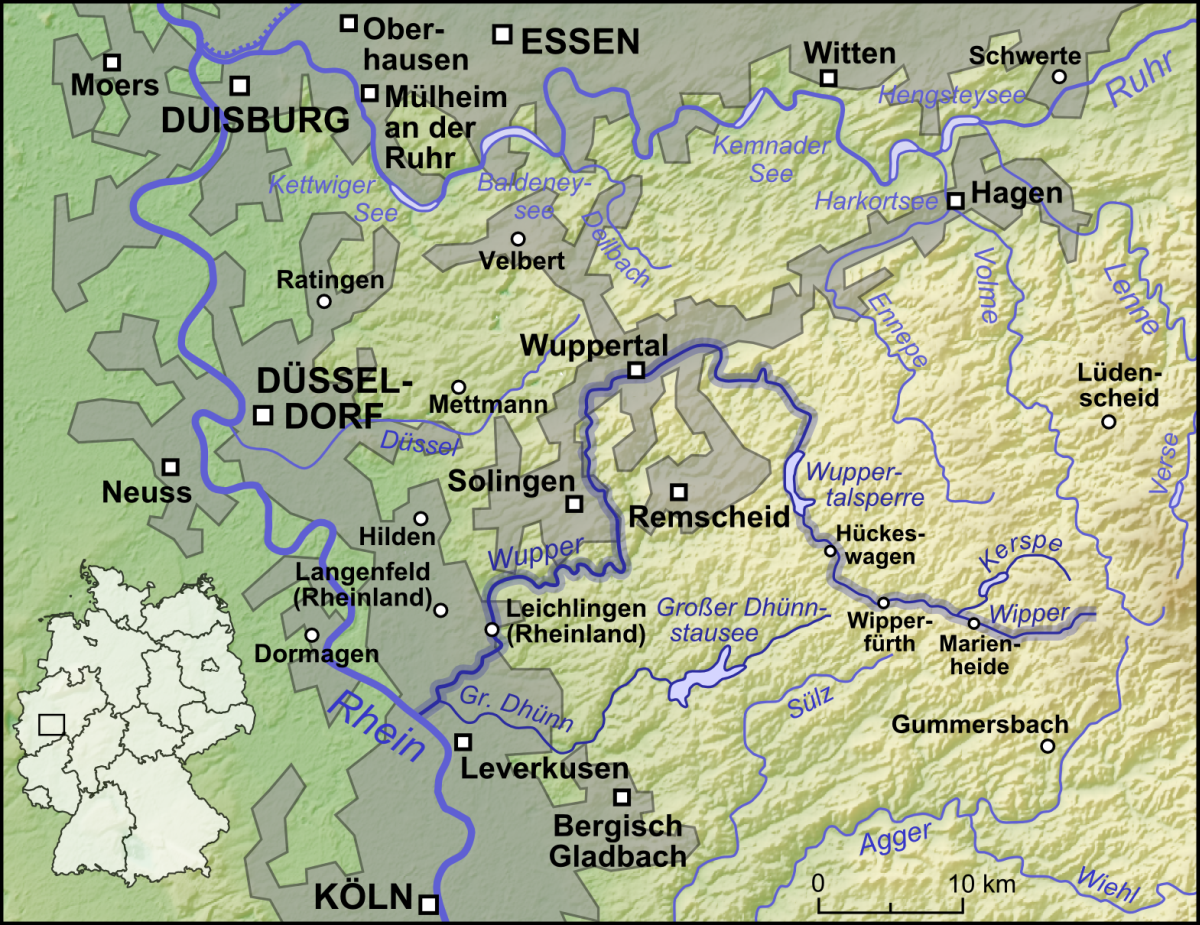
Wupperquelle (German for “source of the Wupper”) is a natural spring located at 51.092903 N, 7.596980 E in the municipality of Kierspe, part of the Olpe district in the state of North Rhine‑Westphalia. The spring marks the very beginning of the Wupper River, a watercourse that later flows through the industrial heart of the Ruhr region, passing cities such as Wuppertal and Düsseldorf before joining the Rhine.
A Brief History
While the exact height and altitude of the spring remain undocumented, the Wupper’s historical importance is well‑known. Since the Middle Ages, the river has powered mills, fueled the textile industry, and shaped the cultural landscape of the region. The source itself, however, has always been a modest, unassuming spot—an oasis of calm amid the rolling hills and dense woodlands that characterize the Sauerland area.
The spring is referenced in the German Wikipedia article for the Wupper River (see: de.wikipedia.org/wiki/Wupper), underscoring its role as the river’s birthplace. Though the site is not heavily commercialized, it is cherished by locals and hikers who value its pristine water and tranquil setting.
Why It Matters
- Ecological significance – The spring feeds a river that supports diverse habitats downstream.
- Cultural heritage – The Wupper has been central to the region’s industrial development, making its source a symbolic starting point of that story.
- Outdoor recreation – Surrounded by forest trails, the area offers excellent opportunities for walking, bird‑watching, and photography.
2. How to Get There
By Car
The most straightforward way to reach Wupperquelle is by car. From Dortmund (≈ 45 km) or Cologne (≈ 80 km), take the A45 toward Siegen, then exit onto B236 toward Kierspe. Follow the signs for Kierspe‑Wupper and look for local road K 21 that leads directly to the spring parking area. The drive is scenic, winding through the Sauerland hills, and takes roughly 45 minutes from Dortmund.
By Public Transport
- Train: The nearest railway station is Kierspe (Westf) on the Wuppertal‑Dortmund line. Trains run hourly from Dortmund Hauptbahnhof and Wuppertal Hauptbahnhof.
- Bus: From Kierspe station, catch the local bus Line 620 toward Wupperquelle (stop “Wupperquelle – Quelle”). The bus ride is about 10 minutes.
Tip: Check the VRR (Verkehrsverbund Rhein-Ruhr) website for up‑to‑date timetables and ticket options.
On Foot or Bike
For the adventurous, the Wupper Trail (Wupperwanderweg) starts near the town center and leads hikers and cyclists straight to the spring. The trail is well‑marked, moderately easy, and takes about 30 minutes on foot or 15 minutes by bike from the town’s historic market square.
3. Best Time to Visit
| Season | What to Expect | Why It’s Ideal |
|---|---|---|
| Spring (April‑June) | Fresh, clear water; blooming wildflowers; mild temperatures (10‑20 °C). | The river is at its most lively, and the surrounding forest is awash with colors. |
| Summer (July‑August) | Warm days, longer daylight (up to 16 h). | Perfect for picnics and extended hikes, though occasional thunderstorms can appear. |
| Autumn (September‑October) | Golden foliage, crisp air (8‑15 °C). | Photographers love the contrast of amber leaves against the turquoise spring water. |
| Winter (November‑March) | Quiet, sometimes icy water; occasional snow. | A serene, almost mystical atmosphere—great for contemplative walks, but watch for slippery paths. |
Overall recommendation: Visit between late spring and early autumn for the most comfortable weather and the richest natural scenery.
4. What to Expect
Arriving at Wupperquelle, you’ll first notice the gentle gurgle of water emerging from a small, stone‑lined basin. The spring’s flow is modest but crystal‑clear, reflecting the surrounding canopy of beech and spruce trees. A short, well‑maintained footpath leads you to a viewing platform where you can sit on a bench, dip your hands into the cool water, and watch the Wupper River begin its journey downstream.
The area is quiet—there are no commercial kiosks or loud crowds. You’ll often encounter hikers, families, and local nature enthusiasts. Wildlife is common: you might spot European green woodpeckers, red‑winged blackbirds, or even a shy European badger crossing the trail at dusk.
Because the spring is the source of a river that later powers the famous Wuppertal Suspension Railway (Schwebebahn), you can feel a subtle connection between this tranquil spot and the bustling urban life downstream.
5. Nearby Attractions
While Wupperquelle is the star, the surrounding Sauerland region offers several other natural points of interest—all within a short walk or bike ride:
| Distance | Attraction | Type | Approx. Link |
|---|---|---|---|
| 0.5 km | Unnamed Spring | Spring | (no dedicated page – local trail sign) |
| 1.4 km | Unnamed Spring | Spring | (see local map) |
| 1.4 km | Unnamed Spring | Spring | (see local map) |
| 1.4 km | Unnamed Spring | Spring | (see local map) |
| 1.5 km | Unnamed Spring | Spring | (see local map) |
Because these are small, unnamed springs, they are best explored on foot as part of the Wupper Trail. The trail’s signage will guide you to each water source, making for a delightful mini‑tour of the river’s early tributaries.
Other Highlights in Kierspe
- Kierspe Old Town (Altstadt Kierspe) – Cobblestone streets, historic half‑timber houses, and a cozy café perfect for a coffee break after your hike.
- Burg Hückeswagen – A medieval castle ruin located about 12 km north, offering panoramic views of the Wupper Valley.
- Möhnesee Reservoir – A larger lake further east, ideal for water sports and sailing, reachable by car in 30 minutes.
6. Travel Tips
| Tip | Details |
|---|---|
| Footwear | Wear sturdy, waterproof hiking shoes. The trail can be muddy after rain. |
| Clothing | Dress in layers; weather in the Sauerland changes quickly, especially in spring and autumn. |
| Water & Snacks | Bring a reusable water bottle (you can refill at the spring) and a light snack or picnic. |
| Respect Nature | Stay on marked paths, avoid disturbing wildlife, and pack out any trash. |
| Photography | Early morning light (sunrise) creates soft reflections on the water; a polarizing filter helps reduce glare. |
| Safety | The spring’s water is cold year‑round; avoid swimming. Watch out for slippery stones near the basin. |
| Connectivity | Mobile signal can be spotty; download offline maps (e.g., Komoot or Google Maps offline) before you go. |
| Parking | The small car park near the spring fills up quickly on weekends in summer; arrive early or consider the bus option. |
| Seasonal Events | Check the Kierspe tourism website for occasional “Wupperquelle Festival” or guided nature walks during summer weekends. |
7. Wrap‑Up: Why Wupperquelle Should Be on Your Bucket List
The Wupperquelle may not boast towering cliffs or grand monuments, but its understated beauty lies in the purity of its water, the serenity of the forest, and the sense of origin it offers to those who follow the river’s path upstream. It’s a perfect spot for:
- Mindful nature immersion – pause, listen, and feel the flow of water that eventually powers cities downstream.
- Easy day‑tripping – reachable from major NRW hubs, with flexible transport options.
- Photography and bird‑watching – the spring’s setting provides natural frames and abundant wildlife.
So, pack your walking shoes, grab a map, and set out for Wupperquelle. Let the gentle murmur of the spring guide you into the heart of North Rhine‑Westphalia’s hidden natural treasures.
Happy travels!