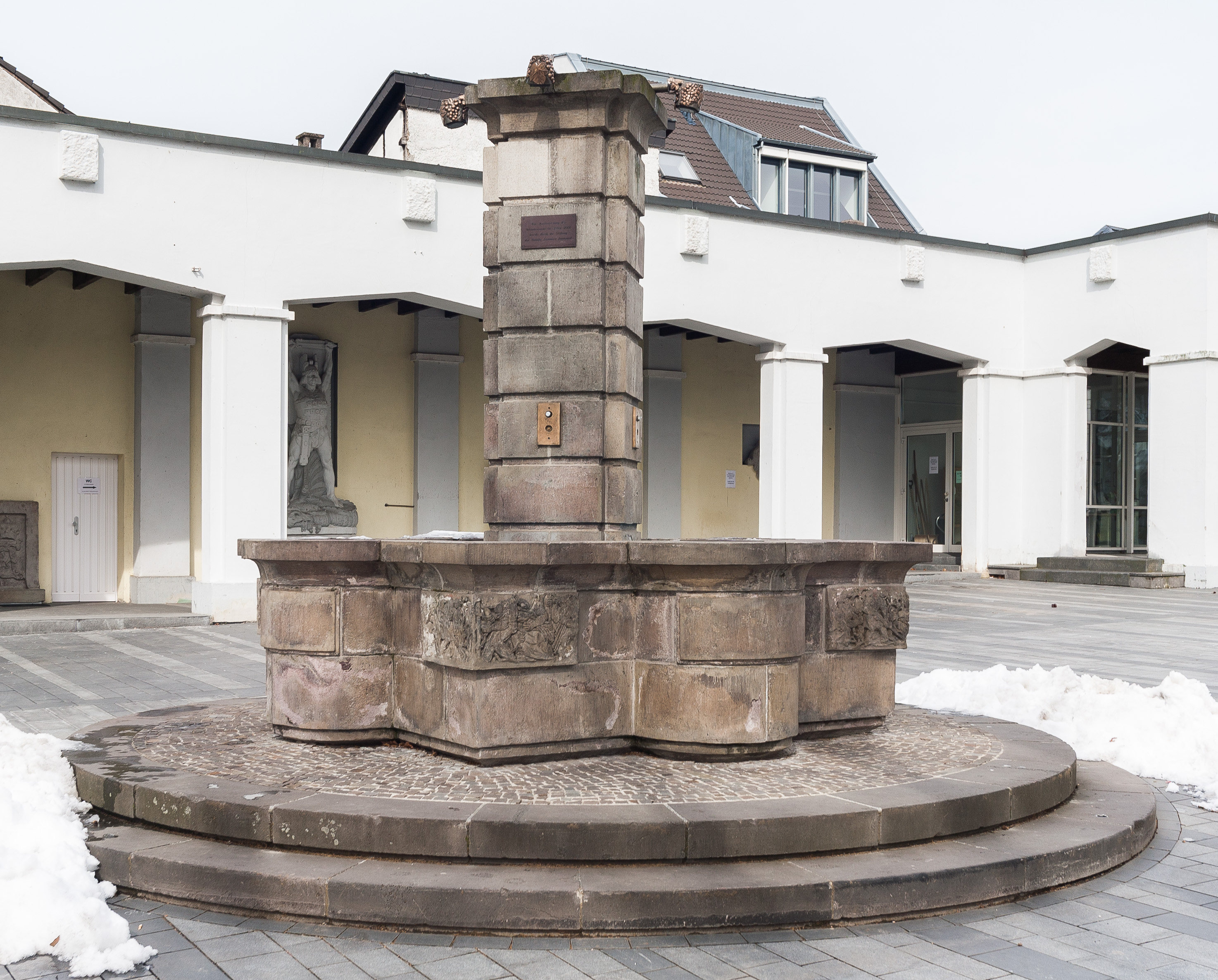
Weinbrunnen – The Charming Fountain of Königswinter, North Rhine‑Westphalia
Discover a hidden gem tucked into the scenic town of Königswinter, where crystal‑clear water, historic charm, and breathtaking views of the Rhine converge.
Introduction
If you’re planning a road‑trip through Germany’s picturesque Rhine Valley, chances are you’ll hear about the famous Drachenfels or the bustling city of Bonn. But there’s a quieter, equally enchanting spot that often slips under the radar: Weinbrunnen, a modest yet captivating fountain perched in the heart of Königswinter, North Rhine‑Westphalia.
Nestled among cobblestone streets and framed by lush vineyards, Weinbrunnen offers travelers a perfect pause for photos, a sip of fresh spring water, and a moment of reflection amid the region’s legendary scenery. Whether you’re a history buff, a photography enthusiast, or simply looking for a tranquil spot to unwind, this fountain deserves a place on your itinerary.
About Weinbrunnen
What Is Weinbrunnen?
- Type: Public fountain (⛲)
- Location: Königswinter, North Rhine‑Westphalia, Germany
- Coordinates: 50.673866 N, 7.192821 E
Weinbrunnen translates literally to “Wine Fountain,” a name that hints at the area’s long‑standing viticultural tradition. While the exact height and altitude of the structure remain undocumented, the fountain’s simple stone basin and elegant water jet have been a familiar sight for locals and visitors alike for generations.
A Brief History
The fountain’s origins are tied to the historic development of Königswinner’s market square, where public water sources were essential for daily life. Over the centuries, Weinbrunnen has survived wars, urban renewal, and the rise of modern plumbing, retaining its original charm.
Although specific construction dates are scarce, the fountain is referenced in the German‑language Wikipedia entry Weinbrunnen (Königswinter), confirming its status as a recognized cultural landmark. Its continued presence reflects the town’s commitment to preserving historic public spaces while welcoming tourists who seek authentic experiences.
Why It Matters
- Cultural Symbol: Weinbrunnen stands as a reminder of Königswinter’s communal heritage, where townsfolk once gathered to collect water and exchange news.
- Scenic Setting: Positioned just a short walk from the Rhine promenade, the fountain offers a picturesque foreground for photos of the river, the Siebengebirge hills, and the iconic Drachenfels.
- Local Identity: The name “Weinbrunnen” celebrates the region’s renowned vineyards, linking the fountain to the broader story of North Rhine‑Westphalia’s wine culture.
How to Get There
By Train
- Main Hub: Arrive at Königswinter Bahnhof (Königswinter Station) on the Rhein‑Sieg Railway (RE) or S-Bahn S12/S19 from Cologne, Bonn, or Düsseldorf.
- From the Station: Exit onto Bahnhofstraße, then follow the signs toward the Altstadt (Old Town). The walk to Weinbrunnen is about 10‑12 minutes (≈800 m).
By Car
- From Cologne: Take the A59 south toward Bonn, then exit at Königswinter (Exit 5). Follow B56 into town; parking is available at the Rheinuferpark or the Stadtpark lot, both within a 5‑minute walk of the fountain.
- From Düsseldorf: Drive north on the A46 to the A59, then follow the same directions above.
By Bicycle
Königswinter is part of the Rheinradweg (Rhine Cycle Route). Cyclists can dismount at the Rheinufer and stroll the short distance to Weinbrunnen, enjoying river views along the way.
Public Transport & Accessibility
- Bus: Local bus line 212 stops at Königswinter Altstadt, a 2‑minute walk from the fountain.
- Accessibility: The path to Weinbrunnen is paved and level, making it wheelchair‑friendly.
Best Time to Visit
| Season | Highlights | Why It’s Ideal |
|---|---|---|
| Spring (April‑May) | Blooming cherry trees, mild temperatures (10‑18 °C) | Perfect for leisurely walks and vibrant photos of the fountain surrounded by blossoms. |
| Summer (June‑August) | Long daylight hours, lively town festivals | Ideal for sipping cool water from the fountain after a day of exploring the Rhine promenade. |
| Autumn (September‑October) | Vineyards turn golden, harvest celebrations | Capture the “wine” spirit of Weinbrunnen amid the region’s famous Riesling vineyards. |
| Winter (November‑March) | Quiet atmosphere, occasional festive lights | Enjoy a peaceful, less‑crowded experience; the fountain’s stone glistens with a subtle frost. |
Tip: Early mornings (7 – 9 am) during any season provide the softest light for photography and a tranquil ambiance before the main tourist flow arrives.
What to Expect
When you arrive at Weinbrunnen, you’ll find a modest stone basin fed by a gentle, continuously flowing jet of water. The fountain’s design is intentionally simple—no elaborate statues or ornate carvings—yet this restraint allows the surrounding architecture and natural scenery to shine.
- Photographic Appeal: Position yourself on the opposite side of the basin to capture the water’s motion against the backdrop of the historic town wall. The nearby Rheinufer (Rhine embankment) adds a reflective surface that enhances sunrise or sunset shots.
- Sensory Experience: The sound of trickling water creates a soothing white‑noise that masks city traffic, making the spot perfect for a short meditation or a quiet coffee break at a nearby café.
- Local Interaction: Residents often gather here for a quick chat, especially on market days. Don’t be surprised if a friendly local offers a story about the fountain’s past or suggests a nearby wine tavern.
Nearby Attractions
Weinbrunnen sits within a compact cluster of historic fountains and cultural sites, making it easy to create a full‑day walking itinerary. Below are the most convenient spots, all located within a 0.5 km radius:
- Eselsbrunnen – Just 0.1 km away, this “Donkey Fountain” features a playful bronze donkey sculpture. Great for family photos.
- Drachenfels – A short bus ride (or a pleasant hike) up the hill for panoramic views of the Rhine Valley.
- Königswinter Old Town (Altstadt) – Cobblestone lanes, boutique shops, and traditional German bakeries.
- Rheinuferpromenade – Stroll along the riverbank, rent a paddle‑boat, or enjoy a riverside dinner.
- Siebengebirge Nature Park – The surrounding hills offer marked trails for hikers of all levels.
All distances are walking estimates; public transport links are readily available for longer distances.
Travel Tips
- Bring a Reusable Water Bottle: The fountain’s water is clean and safe to drink—perfect for staying hydrated on a sunny day.
- Cash for Small Purchases: Many local cafés and market stalls in Königswinter accept only cash (Euro) for small items.
- Dress Comfortably: Cobblestone streets can be uneven; sturdy shoes are recommended, especially if you plan to explore the nearby hills.
- Check Event Calendars: Königswinter hosts a Wine Festival in early September and a Christmas Market in December—both add extra charm to a visit.
- Respect the Site: As a historic public fountain, avoid climbing on the basin or leaving litter. Maintaining its pristine condition helps preserve the town’s heritage.
- Photography Etiquette: If you’re using a tripod, be mindful of other visitors and keep equipment low‑profile to avoid obstructing foot traffic.
Wrap‑Up
Weinbrunnen may not boast towering arches or elaborate mosaics, but its understated elegance captures the soul of Königswinter—a town where history, nature, and German hospitality flow together like the water from its own fountain. By adding this modest landmark to your North Rhine‑Westphalia travel itinerary, you’ll experience a slice of authentic German life, enjoy stunning riverside vistas, and discover the timeless allure of the Rhine Valley.
Pack your camera, lace up your walking shoes, and let the gentle spray of Weinbrunnen guide you into the heart of Königswinter. Happy travels!