Vinzenzbrunnen – Aachen’s Hidden Fountain Gem
Discover the quiet charm of Vinzenzbrunnen, a modest yet captivating fountain tucked away in the historic heart of Aachen, North Rhine‑Westphalia.
Introduction
If you picture Aachen as a city of grand cathedrals, bustling markets, and the famous Aachen Cathedral, you might overlook the small, stone‑kissed water features that pepper its streets. One such secret treasure is Vinzenzbrunnen, a modest fountain that quietly narrates the city’s layered past. Nestled among cobblestones and historic façades, Vinzenzbrunnen invites travelers to pause, sip the cool air, and feel the pulse of everyday Aachener life. Whether you’re a seasoned fountain enthusiast, a history buff, or simply looking for a photogenic spot off the main tourist trail, Vinzenzbrunnen is worth the detour.
About Vinzenzbrunnen
Description
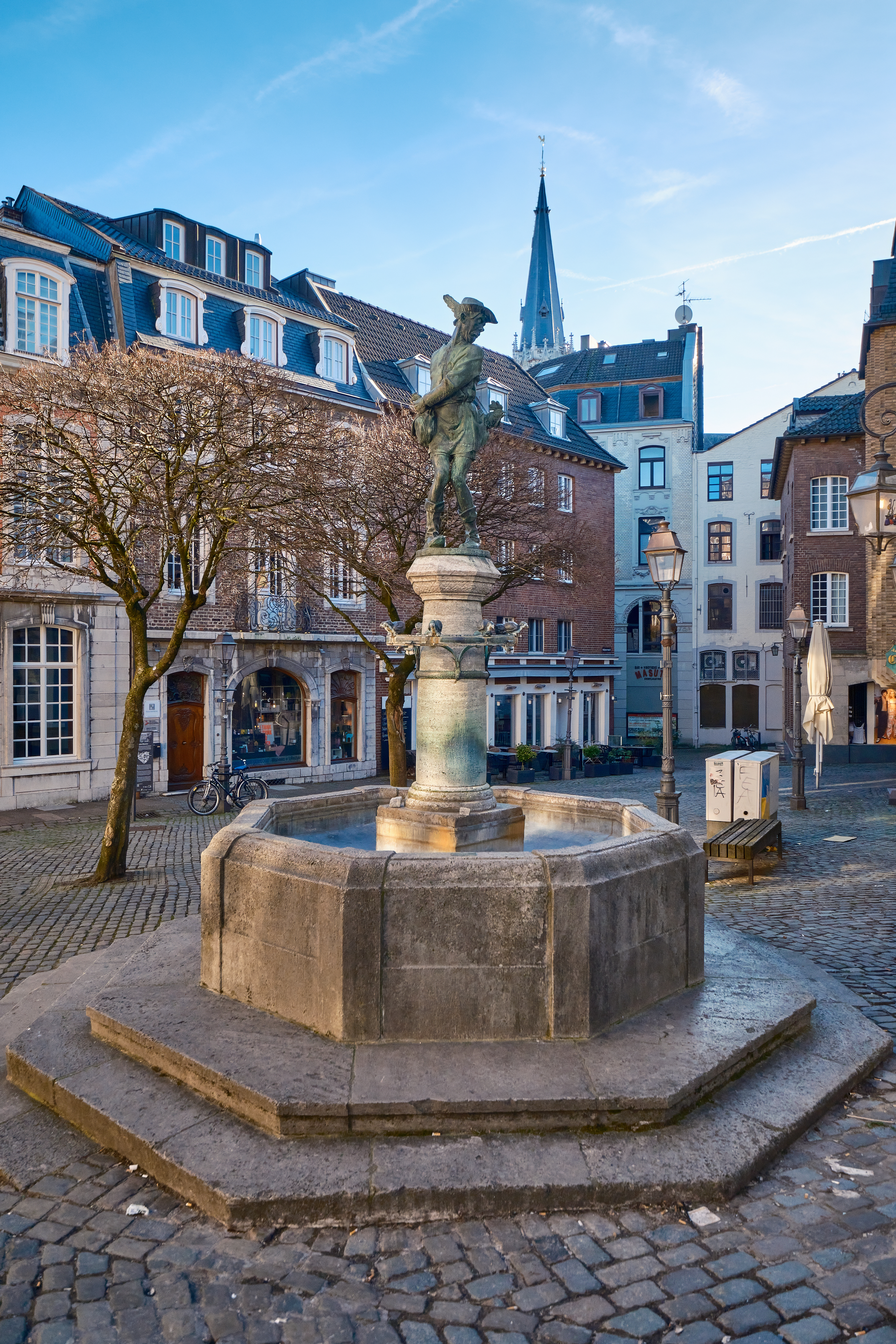
Vinzenzbrunnen (German for “Vincent’s Fountain”) is a stone fountain located at 50.774463 N, 6.084374 E in the centre of Aachen. Though its exact height and altitude remain undocumented, the fountain’s simple, robust design blends seamlessly with the surrounding medieval architecture. Water gently cascades from a modest basin, creating a soothing sound that contrasts with the city’s lively streets.
History & Significance
While detailed archival records are scarce, the fountain’s name suggests a dedication to Saint Vincent, a figure historically revered in the Rhineland. Fountains in German towns traditionally served both practical and symbolic purposes—providing fresh drinking water, marking communal gathering points, and representing civic pride. Vinzenzbrunnen likely originated as a public water source for locals and travelers alike, gradually becoming a quiet landmark that reflects Aachen’s commitment to preserving its urban heritage.
The fountain’s presence in the German Wikipedia entry for Vinzenzbrunnen underscores its cultural relevance, even if it does not dominate guidebooks. Its understated elegance makes it an ideal case study for those interested in German fountains, Aachen’s public art, and the ways small monuments contribute to a city’s identity.
How to Get There
By Train
Aachen Hauptbahnhof (main station) is a major hub on the ICE, Thalys, and regional networks. From the station, Vinzenzbrunnen is a 15‑minute walk (≈1 km). Exit the station onto Bahnhofstraße, head east toward the historic centre, and follow the signs to the Marktplatz area where the fountain sits.
By Bus
Several city buses (e.g., lines 2, 5, and 6) stop at Aachener Rathaus (city hall) or Katschhof, both within a five‑minute stroll to the fountain. Check the Aachener Verkehrsverbund (AVV) schedule for real‑time updates.
By Car
If you’re driving, use the GPS coordinates 50.774463, 6.084374. Parking in the city centre is limited, but several public garages (e.g., Parkhaus Rathaus and Parkhaus Katschhof) are within walking distance. Remember that Aachen’s historic streets often have restricted vehicle access, so a short walk may be the easiest option.
By Bicycle or Foot
Aachen is a bike‑friendly city with dedicated lanes radiating from the centre. The EuroVelo 15 route passes nearby, making Vinzenzbrunnen an attractive stop for cyclists exploring the Rhein‑Eifel region.
Best Time to Visit
Spring (April–June)
The city’s gardens burst into colour, and the fountain’s water glistens under longer daylight hours. Spring festivals add a lively backdrop, perfect for candid photos.
Summer (July–August)
Warm evenings invite locals to sit on nearby benches and enjoy a cool drink. The fountain’s gentle spray offers a refreshing visual contrast to the summer heat.
Autumn (September–October)
Golden leaves frame the stonework, creating a romantic atmosphere. Fewer tourists mean you can experience the fountain’s quiet charm without crowds.
Winter (November–March)
While the water may be turned off for maintenance during the coldest months, the surrounding historic buildings are illuminated, giving the area a magical, frosty feel. Check local notices for any seasonal closures.
What to Expect
Approaching Vinzenzbrunnen, you’ll notice its modest scale—nothing ostentatious, but undeniably purposeful. The stone basin is smooth from centuries of foot traffic, and the water’s soft murmur provides a soothing soundtrack to the bustling city. Visitors often pause to:
- Snap photos – The fountain’s simple geometry works well with the surrounding medieval façades, especially during golden hour.
- People‑watch – Locals gather here for brief chats, making it a micro‑cosm of Aachener daily life.
- Enjoy a quiet moment – The fountain’s modest size creates an intimate setting, ideal for a brief meditation or a quick sketch.
Because Vinzenzbrunnen is not a major tourist magnet, you’ll likely encounter fewer crowds than at the Cathedral or the Town Hall, allowing for a more personal experience.
Nearby Attractions
Vinzenzbrunnen sits in a fountain‑rich district, making it an excellent base for a “fountain hopping” tour. Within a 0.1 km radius, you’ll find:
| Fountain | Approx. Distance | Quick Note |
|---|---|---|
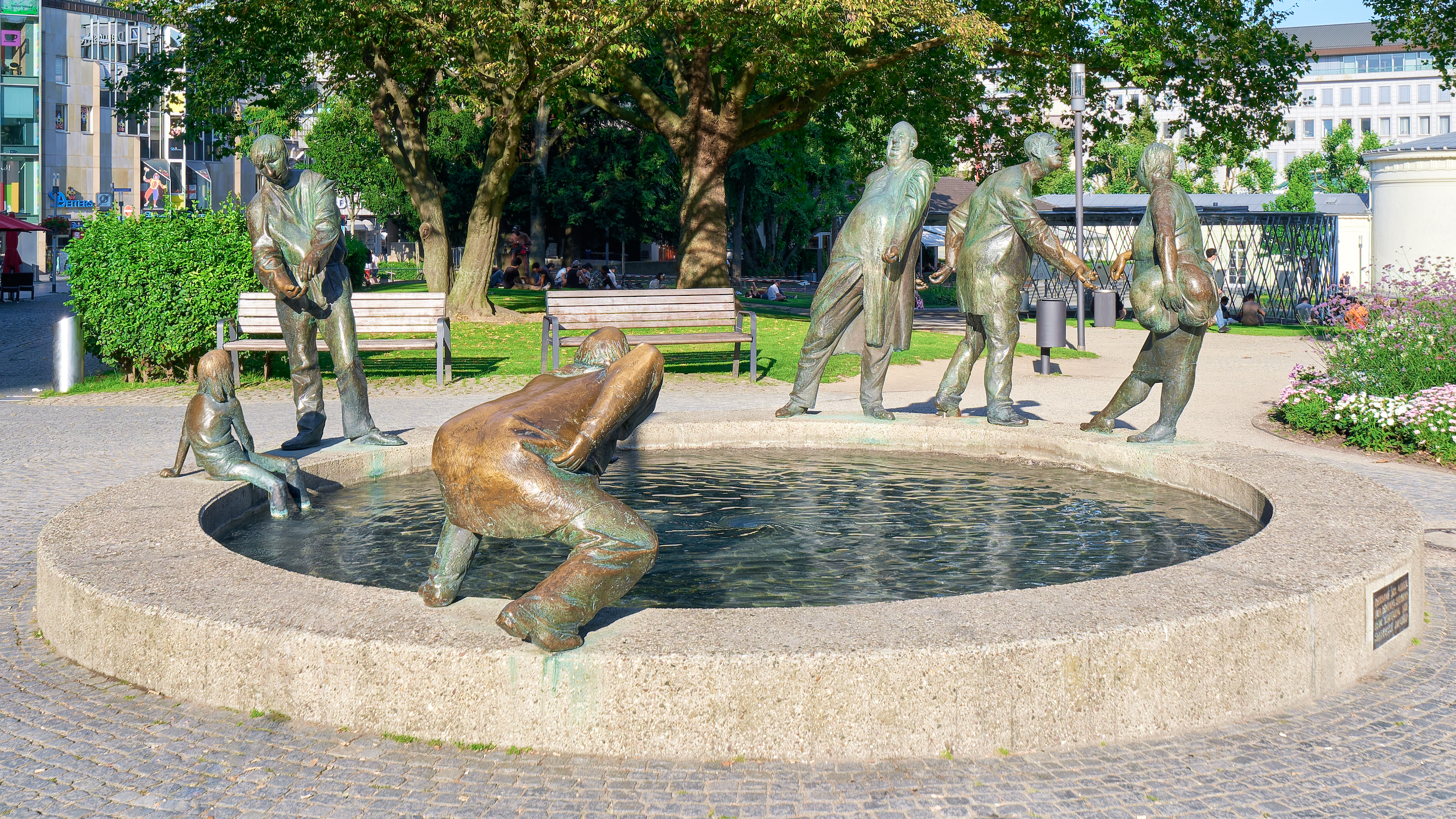
| Kreislauf des Geldes | 0.1 km | A modern piece symbolising the flow of money; perfect for contemporary art fans. |
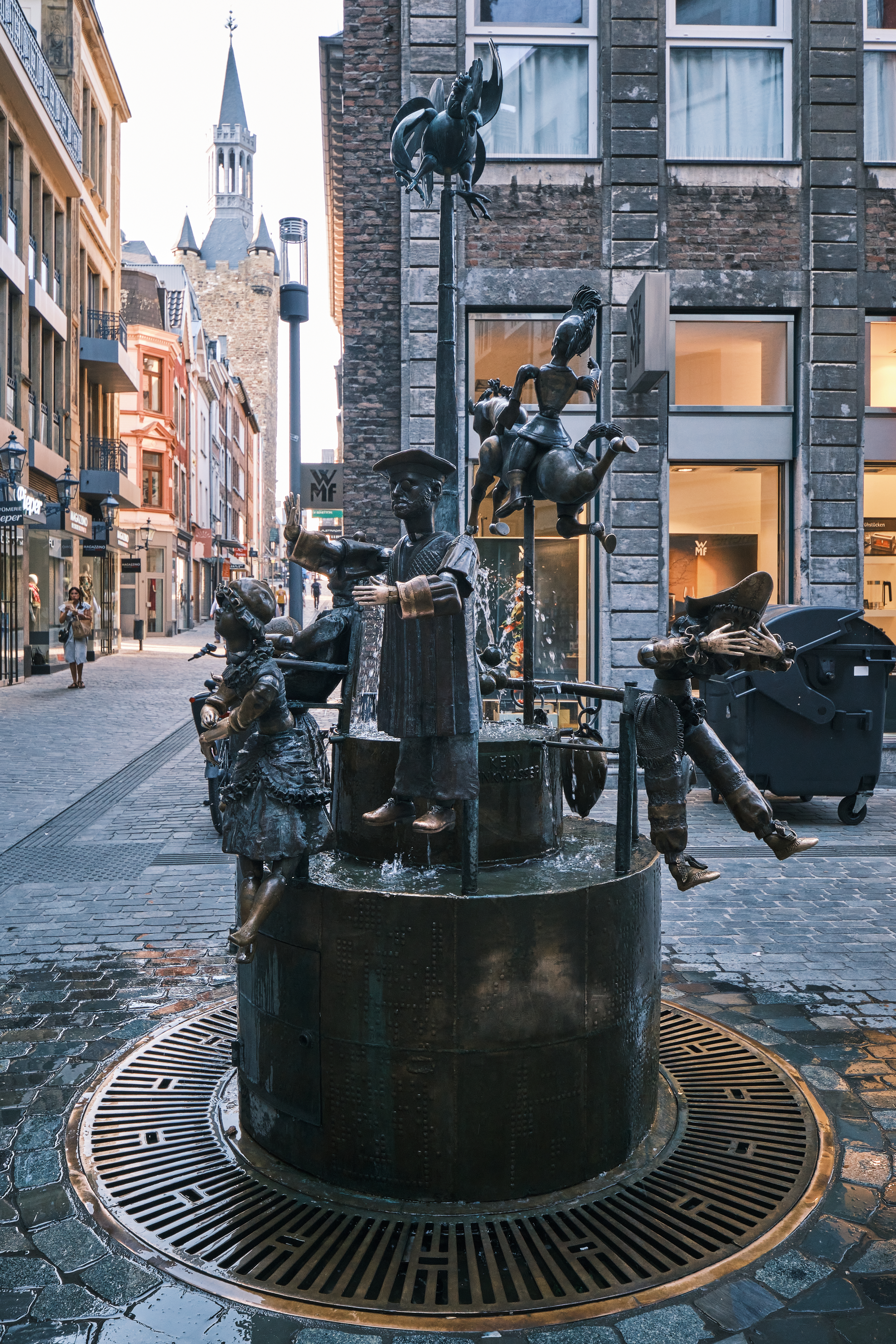
| Puppenbrunnen | 0.1 km | Features whimsical puppet motifs—great for families and Instagram stories. |
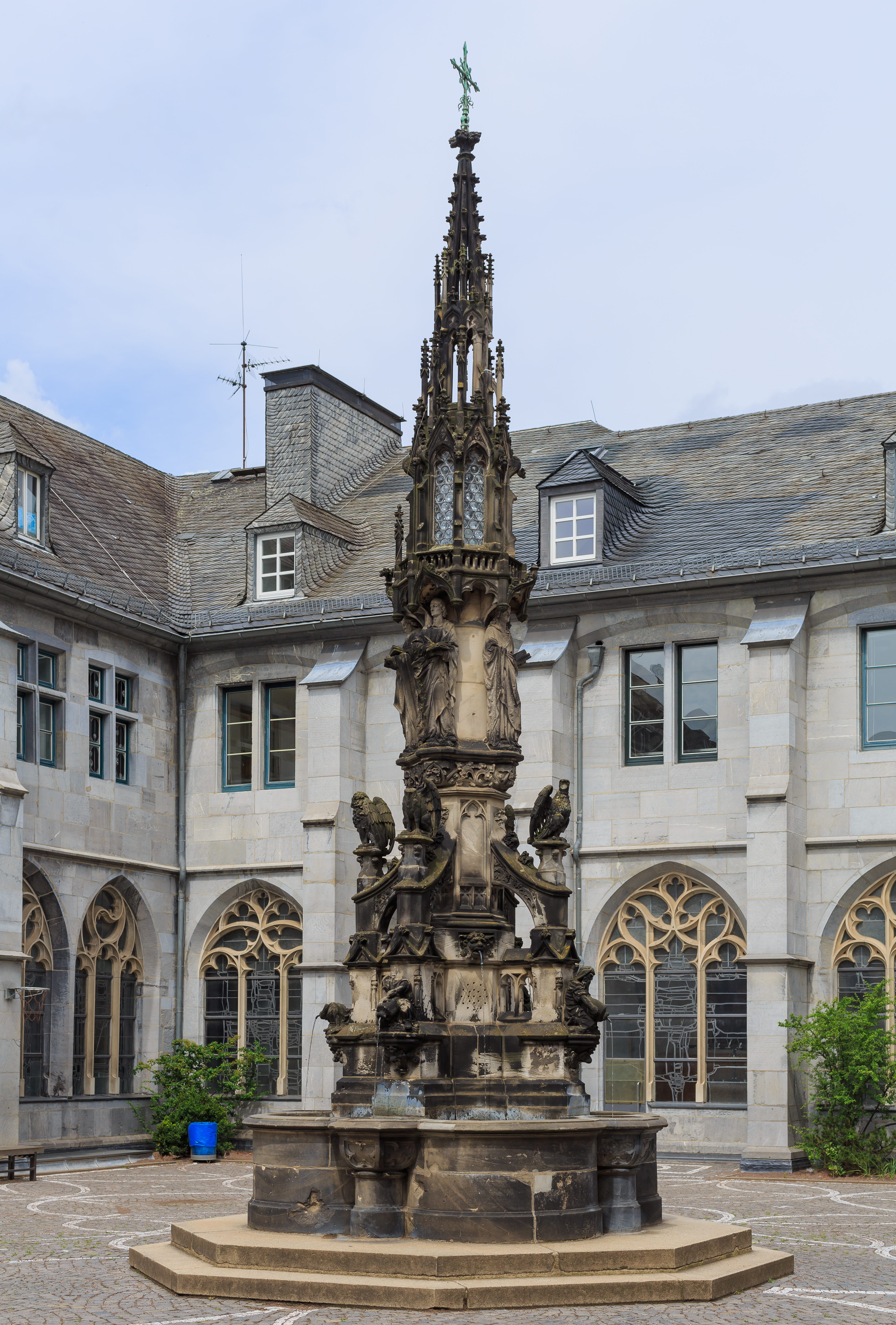
| Paradiesbrunnen | 0.1 km | Its name (“Paradise Fountain”) hints at ornate detailing; a hidden gem for architecture lovers. |
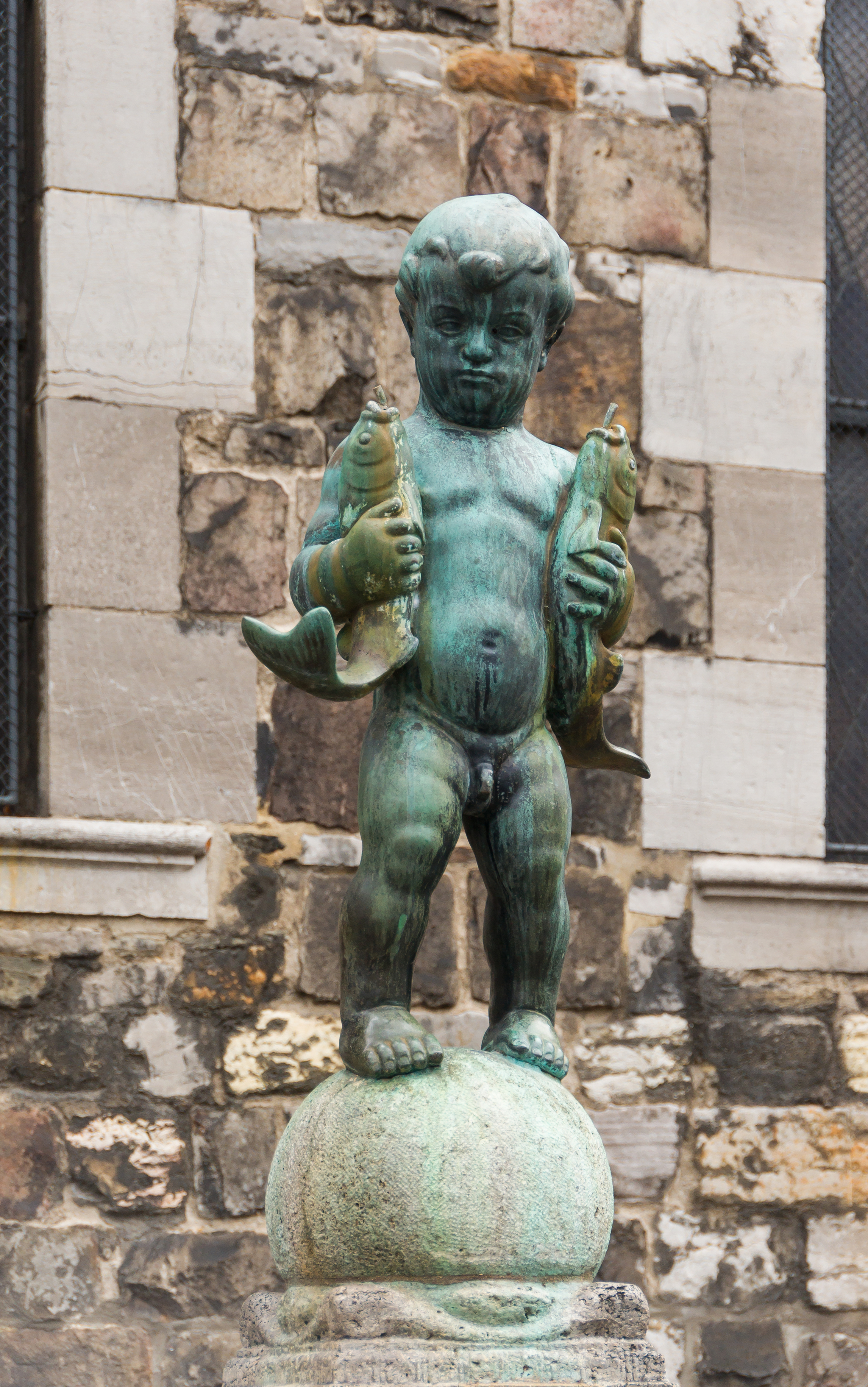
| Fischpüddelchen | 0.1 km | Small, fish‑themed fountain that adds a playful touch to the historic streets. |
| (Unnamed fountain) | 0.1 km | Another modest water feature that contributes to the area’s charming ambience. |
Each of these fountains is within a short stroll, allowing you to create a compact walking itinerary that showcases Aachen’s dedication to public water art. For more details, you can search each name on Wikipedia or the Aachen tourism portal.
Travel Tips
| Tip | Details |
|---|---|
| Bring a reusable water bottle | Some fountains have drinking spouts; refill to stay hydrated while reducing plastic waste. |
| Wear comfortable shoes | Cobblestone streets can be uneven; sturdy, flat shoes make exploring easier. |
| Check opening hours | While the fountain is public, nearby attractions (e.g., museums) may have specific hours. |
| Mind the weather | In winter, the water may be turned off; a quick local inquiry can confirm its status. |
| Respect local customs | Avoid climbing on the stonework and keep the area tidy—Aachen residents take pride in their public spaces. |
| Capture the moment | Early morning or late afternoon light enhances the stone’s texture; bring a tripod for steady shots. |
| Combine with local cuisine | After fountain‑hopping, stop at a nearby café for a Aachener Printen (spiced gingerbread) or a hearty Rheinischer Sauerbraten. |
Final Thoughts
Vinzenzbrunnen may not dominate travel brochures, but its quiet presence offers a genuine slice of Aachen life—one that blends history, community, and the simple joy of water flowing through stone. Whether you’re mapping out a day of things to do in Aachen, curating a themed photo series of German fountains, or simply seeking a peaceful pause amid urban bustle, Vinzenzbrunnen welcomes you with open arms (and a gentle splash).
Pack your curiosity, follow the coordinates, and let Aachen’s hidden fountain tell its story.