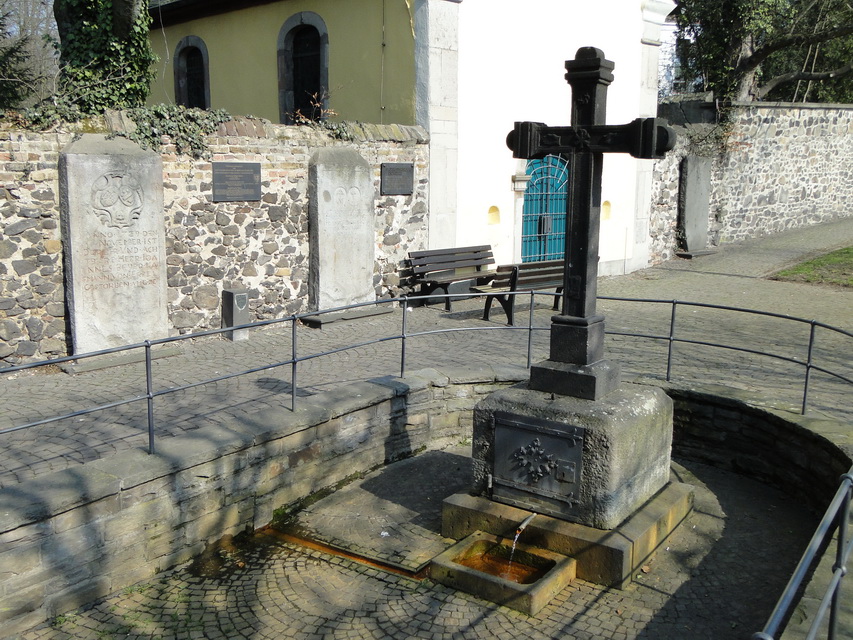
St. Adelheid‑Brunnen – Bonn’s Hidden Spring Gem
Discover the tranquil charm of St. Adelheid‑Brunnen, a historic spring tucked away in the heart of Bonn, North Rhine‑Westphalia. Whether you’re a seasoned traveler, a local explorer, or a lover of hidden water‑works, this little‑known oasis offers a perfect pause on your German itinerary.
1. Introduction
Imagine stepping off the bustling streets of Bonn and finding a crystal‑clear spring bubbling quietly beneath a centuries‑old stone canopy. The scent of fresh water mingles with the faint aroma of nearby linden trees, and you can hear the soft murmur of the flow as if the city itself is taking a deep breath. That’s the magic of St. Adelheid‑Brunnen – a modest yet mesmerizing spring that has quietly served locals for generations.
For travelers hunting authentic experiences beyond the typical museum circuit, St. Adelheid‑Brunnen is a must‑see spot that blends natural beauty, historic intrigue, and the relaxed pace of a true German “Brunnen” (fountain). In this guide, we’ll dive into the spring’s story, show you how to get there, and reveal the best ways to enjoy this hidden treasure.
2. About St. Adelheid‑Brunnen
A Brief Description
- Type: Natural spring (historically used as a fountain)
- Location: Bonn, North Rhine‑Westphalia, Germany
- Coordinates: 50.742965 N, 7.149288 E
St. Adelheid‑Brunnen sits in a quiet courtyard near the historic St. Adelheid’s Church, a stone‑clad parish that dates back to the medieval era. The spring’s water emerges from a modest stone basin, framed by simple yet elegant wrought‑iron railings. While the exact height and altitude of the spring are not documented, its presence has been a constant in the landscape for centuries, providing fresh water to residents and pilgrims alike.
Historical Significance
The spring’s name pays homage to St. Adelheid, a revered saint in the region whose legacy of charity and care for the poor resonates with the spring’s role as a communal water source. Historical records (see the German Wikipedia entry for Adelheidis‑Brunnen) indicate that the spring was once part of a larger water‑distribution network feeding the old town.
During the Middle Ages, travelers on the Pilgrimage Route to Aachen would stop at the spring to refresh themselves. Over time, the spring became a symbolic meeting point for local festivals, especially the annual St. Adelheid’s Day celebrations, where townsfolk would gather to sing, dance, and share a communal drink from the spring’s basin.
Why It Matters Today
In a modern city famed for its universities, museums, and the Rhine River, St. Adelheid‑Brunnen offers a quiet reminder of Bonn’s humble origins. It’s a place where you can pause, sip the crisp water (if permitted), and feel a tangible connection to centuries of daily life. For photographers, the spring’s stone texture and subtle reflections create a perfect backdrop for atmospheric shots. For history buffs, the proximity to St. Adelheid’s Church and other medieval structures makes it an essential stop on any heritage walk.
3. How to Get There
By Public Transport
| Mode | Line / Service | Approx. Travel Time | Nearest Stop |
|---|---|---|---|
| Train (S-Bahn) | S19 or S23 | 12 min from Bonn Hauptbahnhof | Bonn‑Bad Godesberg (walk 8 min) |
| Bus | 610, 613, 618 | 15 min from central Bonn | St. Adelheid (stop directly opposite the spring) |
| Tram | None directly, but you can combine with a short bus ride. |
The St. Adelheid bus stop puts you just a stone’s throw away from the spring. Ticket prices follow the standard VRS (Verkehrsverbund Rhein‑Sieg) fare zones – a single ticket within Bonn costs €2.80 (2024 rates).
By Car
- Parking: Limited street parking is available on Adelheidstraße and nearby side streets. For a guaranteed spot, use the public parking garage at Bonn‑Bad Godesberg (approximately a 5‑minute walk).
- Navigation: Enter the coordinates 50.742965, 7.149288 into your GPS or use “St. Adelheid‑Brunnen, Bonn” as the destination.
By Bike or On Foot
Bonn is renowned for its bike‑friendly infrastructure. The spring lies along the Rhine Cycle Route (Rheinradweg), making it an ideal rest stop for cyclists traveling between Bonn and the scenic villages of the Siebengebirge. If you’re staying in the city center, a pleasant 30‑minute walk through the historic Altstadt (Old Town) will bring you right to the spring’s doorstep.
4. Best Time to Visit
| Season | Weather & Atmosphere | Visitor Experience |
|---|---|---|
| Spring (April‑May) | Mild temperatures (10‑18 °C), blossoms on nearby linden trees. | Ideal for picnics; the spring’s water feels especially refreshing. |
| Summer (June‑August) | Warm (20‑26 °C), occasional thunderstorms. | Peak tourist season – expect more locals and occasional market stalls. |
| Autumn (September‑October) | Crisp air (8‑15 °C), foliage turning gold. | Perfect for photography; the stone basin reflects amber leaves. |
| Winter (November‑March) | Cold (0‑5 °C), occasional snow. | Quiet and serene; the spring may be partially frozen, creating a magical icy tableau. |
Recommendation: For the best combination of pleasant weather, fewer crowds, and vibrant scenery, aim for late spring (mid‑May) or early autumn (early October). Both periods showcase the spring in its most photogenic light while allowing you to enjoy nearby cafés without long queues.
5. What to Expect
- A Serene Setting: The spring is nestled within a modest courtyard surrounded by historic stone walls. Benches line the perimeter, inviting you to sit and listen to the gentle trickle of water.
- Historical Ambiance: The proximity to St. Adelheid’s Church means you’ll often hear church bells ringing, adding a melodic backdrop to the natural sounds.
- Clean, Fresh Water: While the spring’s water is historically drinkable, modern health regulations may restrict direct consumption. Check local signage before sipping.
- Photography Opportunities: Early morning light casts soft shadows across the stone basin, while evening golden hour highlights the surrounding architecture.
- Community Vibe: Locals often gather here for brief chats, especially during market days or after church services. Expect friendly greetings in German (“Guten Tag!”) and occasional impromptu music from street performers.
6. Nearby Attractions
St. Adelheid‑Brunnen is part of a cluster of historic fountains and cultural sites within a 2‑kilometer radius. Below is a quick guide to the five nearby fountains (all located in North Rhine‑Westphalia) that you can easily explore on foot or by bike:
| Distance | Attraction | Highlights |
|---|---|---|
| 1.6 km | Fountain A | Classic Baroque design, surrounded by a small garden. |
| 1.6 km | Fountain B | Modernist stone sculpture, popular with local photographers. |
| 1.9 km | Fountain C | Historic well‑spring, part of an old water‑distribution system. |
| 2.1 km | Fountain D | Romantic neo‑Gothic style, located near a small café. |
| 2.3 km | Fountain E | Small ornamental fountain, often featured in city tours. |
Tip: Use a map app and search for “Brunnen Bonn” to locate these spots. Many are marked on the city’s tourist walking routes, allowing you to create a “Fountain Trail” that showcases Bonn’s rich water‑culture heritage.
Other Must‑See Sites Within Walking Distance
- St. Adelheid’s Church: A Romanesque‑Gothic masterpiece dating back to the 12th century.
- Bonn Old Town (Altstadt): Cobblestone lanes, boutique shops, and the historic Bonn Minster.
- Rheinuferpromenade: A scenic riverside promenade perfect for a sunset stroll along the Rhine.
7. Travel Tips
- Check Opening Hours: While the spring itself is accessible 24/7, the adjacent church may have restricted visiting times. Plan your visit around service schedules if you want to step inside.
- Carry a Compact Umbrella: Bonn’s weather can be changeable, especially in late spring and early autumn.
- Respect Local Customs: If you see locals gathering for a “Brunnen‑Kaffee” (coffee by the spring), feel free to join—but remember to keep noise levels low.
- Stay Hydrated: If you’re planning a longer walk (e.g., the Fountain Trail), bring a reusable water bottle. Some fountains may have refill stations.
- Use a Bike Rental: Bonn’s public bike system Nextbike offers affordable rentals with stations near the spring and the city center.
- Language Help: Most signs are in German, but English is widely understood in tourist areas. A quick phrase like “Entschuldigung, wo ist der St. Adelheid‑Brunnen?” will earn you friendly assistance.
- Photography Etiquette: When photographing locals or church interiors, ask permission if faces are clearly visible.
Wrap‑Up
St. Adelheid‑Brunnen may be modest in size, but its historical depth, peaceful ambiance, and central location make it a standout highlight for any Bonn itinerary. Whether you’re strolling through the Altstadt, cycling along the Rhine, or hunting hidden gems off the beaten path, this spring invites you to pause, breathe, and soak up a slice of authentic German heritage.
Pack your camera, slip on comfortable shoes, and let the gentle flow of St. Adelheid‑Brunnen guide you to a memorable day in North Rhine‑Westphalia’s capital. Happy travels!