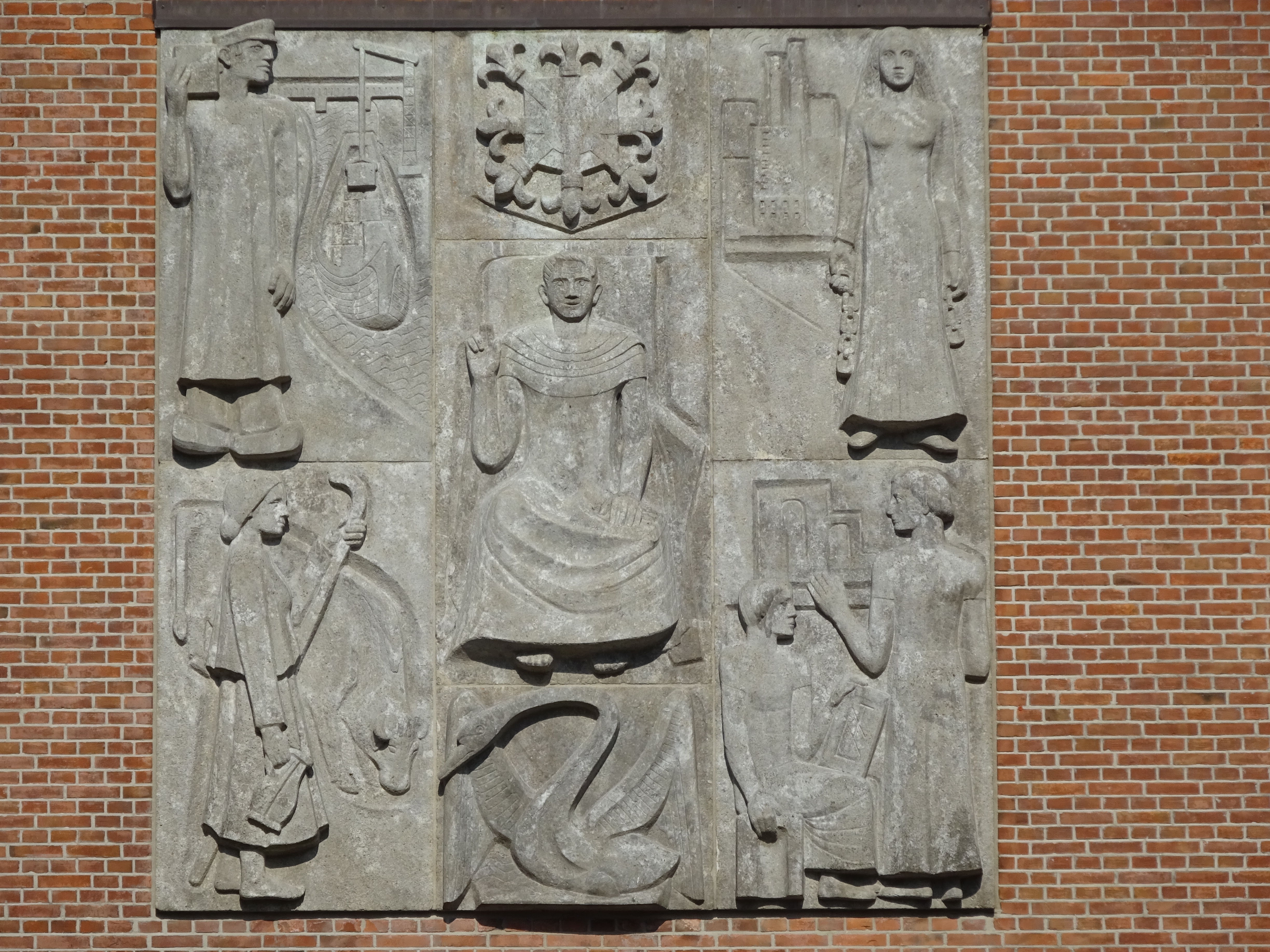
Schwanenbrunnen – Kleve’s Elegant Swan Fountain
Discover the charm of the Schwanenbrunnen, a hidden gem in the heart of Kleve, North Rhine‑Westphalia. From its graceful design to its perfect spot among a cluster of historic fountains, this guide shows you why the Schwanenbrunnen should be on every traveler’s list.
Introduction
Imagine strolling through the historic old town of Kleve and stumbling upon a crystal‑clear cascade of water framed by a delicate swan sculpture. The Schwanenbrunnen (Swan Fountain) offers exactly that moment of surprise and serenity. Nestled on the bustling yet quaint streets of Kleve, this fountain blends artistic heritage with everyday life, making it a perfect photo‑stop for culture lovers, families, and anyone seeking a quiet pause in a lively German city.
If you’re planning a trip to North Rhine‑Westphalia or simply exploring the Rhineland, the Schwanenbrunnen is an ideal entry point to the city’s rich tradition of public art and water features. In this travel blog post, we’ll dive into the fountain’s background, give you step‑by‑step directions, suggest the best times to visit, and point you toward nearby attractions that complete a memorable day in Kleve.
About Schwanenbrunnen
A graceful tribute to the swan
The Schwanenbrunnen is a fountain located at the coordinates 51.786814, 6.138949 in the centre of Kleve, a town famed for its castles, gardens, and artistic legacy. While the exact height of the fountain remains undocumented, its visual impact is unmistakable: a stylized swan, poised as if about to take flight, crowns a basin that gently circulates water. The design reflects the timeless symbolism of the swan—purity, elegance, and transformation—making the fountain a subtle yet powerful landmark.
Crafted by Alfred Sabisch
The sculptural work is attributed to Alfred Sabisch, a noted German Bildhauer (sculptor) whose oeuvre includes several public monuments throughout the region. Sabisch’s approach often combined classical motifs with a modern sensibility, and the Schwanenbrunnen is a fine example of his ability to translate mythic imagery into functional urban art. For more on Sabisch’s life and other works, you can explore his Wikipedia entry: Alfred Sabisch (Bildhauer).
Historical significance
Although specific records of the fountain’s inauguration are scarce, its presence aligns with Kleve’s tradition of installing decorative water features during the late 19th and early 20th centuries. These fountains were not only ornamental but also served as communal gathering points, providing fresh drinking water before modern plumbing became widespread. Today, the Schwanenbrunnen continues this legacy, acting as a meeting place for locals and an attractive waypoint for tourists exploring the town’s historic core.
How to Get There
By train
- Kleve Hauptbahnhof is the main railway station serving regional lines from Düsseldorf, Arnhem (Netherlands), and other North Rhine‑Westphalia hubs.
- From the station, it’s a 15‑minute walk (≈1.2 km) to the Schwanenbrunnen. Follow the signs toward the Altstadt (old town) and head south on Berliner Straße, then turn onto Schwanenstraße where the fountain sits near the market square.
By car
- Parking: The city offers several public parking garages within walking distance of the fountain, such as the Parkhaus Stadtmitte (address: Königstraße 1). Street parking is also available on surrounding side streets, but be mindful of local time‑restricted zones.
- Navigation: Input the coordinates 51.786814, 6.138949 into your GPS or simply search “Schwanenbrunnen, Kleve”. The route will guide you straight to the fountain’s plaza.
By bike or on foot
Kleve is a bike‑friendly town with dedicated lanes connecting the train station, the historic centre, and nearby parks. Renting a city bike (available from several rental stations) lets you enjoy a leisurely ride to the fountain while soaking up the town’s charming streetscapes.
Best Time to Visit
| Season | Why it works | Tips |
|---|---|---|
| Spring (April–May) | Blooming gardens and mild temperatures make the surrounding area especially photogenic. | Pack a light jacket; early mornings are quieter. |
| Summer (June–August) | Long daylight hours let you linger at the fountain and nearby cafés. | Expect larger crowds; bring a refillable water bottle to stay hydrated. |
| Autumn (September–October) | Golden foliage adds a warm backdrop, and the fountain’s water glistens against cooler air. | Ideal for sunset shots; check local event calendars for possible festivals. |
| Winter (November–February) | The fountain takes on a tranquil, almost magical feel when dusted with light snow. | Dress warmly; some surrounding shops may have reduced hours. |
Overall, late spring to early autumn offers the most comfortable weather for exploring on foot, but the Schwanenbrunnen retains its allure year‑round.
What to Expect
When you arrive at the Schwanenbrunnen, you’ll find yourself in a small, paved square surrounded by historic façades and lively cafés. The fountain’s water flows continuously, creating a soothing soundscape that contrasts with the occasional chatter of passersby.
- Photographic moments: The swan’s curved neck and the reflective pool provide excellent composition for both wide‑angle and close‑up shots. Early morning light or the golden hour just before sunset yields the most dramatic colors.
- Atmosphere: Locals often sit on nearby benches, enjoying a coffee while watching children play. In summer, street musicians sometimes perform nearby, adding a melodic layer to the setting.
- Accessibility: The fountain area is flat and wheelchair‑friendly, with smooth pathways that comply with German accessibility standards.
Because the Schwanenbrunnen is part of a cluster of fountains, you’ll naturally be drawn into a short “fountain walk,” discovering each piece’s unique story within minutes.
Nearby Attractions
While the Schwanenbrunnen is a highlight on its own, the surrounding neighbourhood boasts several other water‑feature landmarks that enrich your visit:
| Attraction | Distance from Schwanenbrunnen | Description |
|---|---|---|
| Lohengrinbrunnen | 0.1 km | A romantic fountain depicting the legendary knight Lohengrin, perfect for mythology enthusiasts. |
| Narrenbrunnen | 0.2 km | Known as the “Fool’s Fountain,” this playful sculpture celebrates Kleve’s carnival traditions. |
| (Other fountains) | 0.2–0.4 km | Additional decorative fountains dot the historic centre, each offering a glimpse into the city’s artistic past. |
All these sites are within easy walking distance, allowing you to create a self‑guided “Fountain Trail” that can be completed in under an hour. For more detailed information on each, you can search their names on local tourism websites or consult the Kleve city map at the information desk in the town hall.
Travel Tips
- Combine with a city tour – Many local guides offer short walking tours that include the Schwanenbrunnen, the Schloss Kleve (Kleve Castle), and the Museum Haus Koekkoek. Booking a tour can provide deeper historical context.
- Bring cash for small purchases – While most cafés accept cards, some market stalls around the fountain still prefer cash (Euro).
- Check for events – The square around the fountain often hosts seasonal markets, open‑air concerts, and art installations. A quick glance at the Kleve tourism website before you travel can help you time your visit to coincide with these festivities.
- Respect the water – As a historic monument, the fountain is protected. Avoid climbing on the sculpture and keep the area clean for future visitors.
- Stay connected – Free Wi‑Fi is available at the nearby Kleve Tourist Information Center (Rathausplatz 1). Use it to download offline maps or share your photos instantly.
- Weather‑ready attire – The region can be windy, especially near the Rhine. A light windbreaker or scarf can make your walk more comfortable.
Wrap‑up
The Schwanenbrunnen may be modest in size, but its artistic elegance, central location, and connection to Kleve’s broader fountain heritage make it a must‑see for anyone traveling through North Rhine‑Westphalia. Whether you’re a photography buff, a history enthusiast, or simply looking for a peaceful spot to sip a coffee, the swan fountain offers a memorable slice of German charm.
Plan your journey, follow the directions above, and let the gentle splash of water guide you into the heart of Kleve’s cultural landscape. Happy travels!