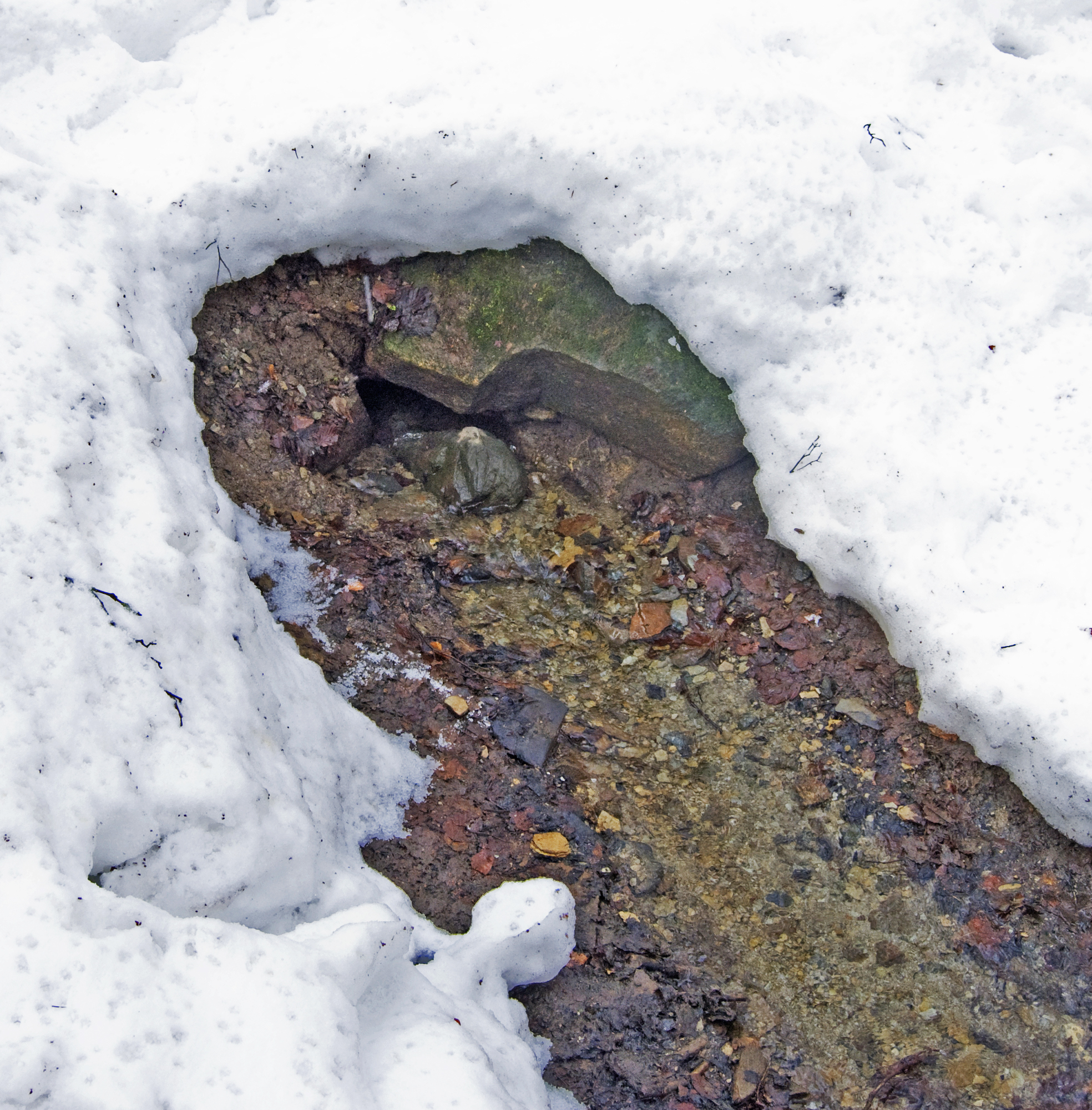
Discover the Hidden Gem of Winterberg: Ruhrquelle Spring
If you’re wandering the rolling hills of North Rhine‑Westphalia and stumble upon a crystal‑clear spring bubbling up from the forest floor, you’ve found the Ruhrquelle – a secret oasis that has been quietly nourishing the landscape for centuries. In this guide, we’ll take you on a virtual hike to the source of the River Ruhr, share practical tips for getting there, and highlight other natural wonders just a short walk away.
1. Introduction
Imagine a pristine water source nestled among towering pines, the air scented with pine resin and fresh earth, and the gentle murmur of water carving its way through moss‑covered stones. That’s the Ruhrquelle, a modest yet mesmerizing spring perched in the heart of Winterberg, North Rhine‑Westphalia, Germany. While the Ruhr River is famous for its industrial legacy downstream, its humble beginnings at the Ruhrquelle are a reminder of the region’s untouched natural beauty. Whether you’re a seasoned hiker, a photography enthusiast, or simply a curious traveler looking for an off‑the‑beaten‑path experience, Ruhrquelle offers a peaceful escape that feels worlds away from the bustling city streets.
2. About Ruhrquelle
What Is Ruhrquelle?
- Type: Natural spring (💧)
- Location: Winterberg, North Rhine‑Westphalia, Germany
- Coordinates: 51.213343 N, 8.557649 E
The name Ruhrquelle literally translates to “source of the Ruhr.” This spring marks the very point where the Ruhr River—one of Germany’s major waterways—first emerges from the forested highlands. Although the exact height and altitude of the spring are not documented, its location within the Sauerland region places it among gently rolling hills that rise to about 600 m above sea level.
A Brief History
The Ruhr River has played a pivotal role in shaping the industrial heartland of Germany, but its origins have always been a quiet, natural secret. Historical references to the spring appear in regional maps dating back to the 19th century, where it was noted as a reliable water source for nearby farms and timber operations. Over time, the spring became a modest landmark for local hikers and nature lovers, eventually earning a spot on the German Wikipedia page for Ruhrquelle.
Why It Matters
- Ecological significance: The spring feeds a pristine headwater ecosystem that supports a variety of flora and fauna, including mosses, lichens, and small amphibians.
- Cultural value: For locals, the Ruhrquelle is a symbol of the river’s pure beginnings, often referenced in regional folklore and school field trips.
- Recreational appeal: The surrounding forest trails provide an excellent setting for low‑impact hiking, birdwatching, and meditation.
3. How to Get There
By Car
- From Dortmund: Take the A46 east toward Winterberg, exit at Winterberg Süd (exit 31), and follow the signs for Winterberg Stadt. After passing the town center, continue on Landstraße 504 toward the Röhrenspringe area. Parking is available at the designated forest parking lot near the trailhead (approx. 5 km from the town center).
- From Cologne: Follow the A4 east to the Olpe exit, then switch to the B54 toward Winterberg. The same forest parking lot applies.
By Public Transport
- Train: Regional trains (RE/RB) run from Dortmund Hauptbahnhof to Winterberg Bahnhof (≈ 1 hour 30 minutes).
- Bus: From Winterberg station, catch the Bus line 542 (Winterberg – Olsberg) and alight at the “Waldpark” stop. The spring is a 10‑minute walk from there.
Walking & Hiking
The Ruhrquelle is best accessed via well‑marked forest trails. The most popular route starts at the Waldpark parking area and follows the Ruhrquelle Trail (marked with a blue “R” sign). The hike is gentle, with an elevation gain of less than 100 m, making it suitable for families and casual walkers.
4. Best Time to Visit
| Season | What to Expect | Why It’s Ideal |
|---|---|---|
| Spring (April‑June) | Snowmelt feeds the spring, surrounding meadows burst with wildflowers. | Fresh water flow and vibrant colors make for perfect photos. |
| Summer (July‑August) | Warm days, longer daylight hours. | Ideal for a relaxed picnic by the water; however, bring sun protection as forest canopy can be thin in spots. |
| Autumn (September‑October) | Golden foliage, crisp air, occasional mist over the spring. | The tranquil atmosphere and colorful leaves create a magical backdrop. |
| Winter (November‑March) | Snow‑covered trails, the spring may partially freeze, creating icy sculptures. | For the adventurous, a winter walk offers solitude and stunning frost‑kissed scenery. |
Overall, late spring to early autumn provides the most comfortable hiking conditions, but each season brings its own charm.
5. What to Expect
The Senses
- Sight: Crystal‑clear water bubbling over smooth stones, framed by dense pine and spruce stands. In spring, you’ll see delicate bluebells; in autumn, the forest glows amber.
- Sound: A gentle, continuous murmur of water, punctuated by birdsong—especially the melodious calls of the European robin and the occasional hoot of a tawny owl at dusk.
- Touch: Cool, refreshing water that you can dip your hands into (always respect local guidelines). The forest floor is soft underfoot, covered with a carpet of pine needles and moss.
The Experience
Arriving at the Ruhrquelle feels like stepping into a living postcard. The spring itself is modest—a modest pool fed by a steady trickle—but its significance is amplified by the surrounding silence. Many visitors pause to sit on a nearby rock, let the water’s rhythm calm their thoughts, or simply take a moment to breathe in the pure, pine‑scented air.
If you’re a photographer, the interplay of light through the canopy creates natural spotlights that highlight the water’s sparkle. For hikers, the spring serves as a natural rest point before continuing on the Ruhrquelle Trail, which eventually leads to higher viewpoints overlooking the Sauerland hills.
6. Nearby Attractions
While the Ruhrquelle is the star of the show, the surrounding forest hosts several other natural points of interest—all within a short walk. Below is a quick guide to the nearest spots (distances measured from the spring):
- Spring (0.7 km away) – A smaller, lesser‑known spring that feeds a narrow brook. Ideal for a quick side‑trip.
- Spring (1.5 km away) – A clear, shallow pool perfect for a brief dip in summer months.
- Fountain (1.6 km away) – A historic stone fountain built in the early 20th century, surrounded by a small meadow.
- Spring (2.1 km away) – Located near a marked viewpoint; great for panoramic shots of the surrounding hills.
- Spring (2.2 km away) – A secluded spring tucked behind a stand of birch trees, offering a quiet spot for meditation.
Tip: All these attractions are reachable via the network of marked trails that intersect near the Ruhrquelle. Grab a trail map at the Winterberg Tourist Information Center (located in the town center) or download the free “Sauerland Hiking” app for GPS‑guided routes.
7. Travel Tips
| Tip | Details |
|---|---|
| Wear appropriate footwear | Even though the trail is easy, sections can be slippery near the water—opt for sturdy hiking shoes with good grip. |
| Pack a lightweight rain jacket | Weather in the Sauerland can change quickly, especially in spring and autumn. |
| Bring a reusable water bottle | While the spring water is clean, it’s best to filter it before drinking if you plan to refill. |
| Respect nature | Stay on marked paths, avoid picking plants, and carry out all trash. The area is a protected water source. |
| Timing | Arrive early (before 10 am) on weekends to avoid crowds, especially during summer holidays. |
| Photography | The golden hour (just after sunrise or before sunset) yields the most dramatic lighting on the water and forest. |
| Safety | In winter, icy patches can form around the spring. Use trekking poles for stability and watch your step. |
| Local food | After your hike, head to the nearby Winterberger Hof for traditional Sauerland dishes like Grünkohl mit Pinkel (kale with smoked sausage). |
| Connectivity | Mobile signal can be spotty; consider downloading offline maps beforehand. |
| Pet policy | Dogs are welcome on the trails but must be kept on a leash near the spring to protect the water quality. |
Final Thoughts
The Ruhrquelle may not have the towering cliffs or dramatic waterfalls of more famous German destinations, but its understated charm lies in the purity of the water and the serenity of the forest that cradles it. A short journey from Winterberg, this spring offers a perfect micro‑adventure for anyone craving a genuine connection with nature.
So lace up your boots, follow the blue “R” trail markers, and let the gentle sound of the spring guide you to the very source of the Ruhr. Your next unforgettable memory in North Rhine‑Westphalia is just a few steps away.
Happy travels!
Keywords used: Ruhrquelle, spring in North Rhine-Westphalia, Winterberg travel, Ruhr River source, hiking Winterberg, Sauerland nature, things to do near Ruhrquelle, how to get to Ruhrquelle, best time to visit Ruhrquelle, nearby attractions Winterberg.