Rosenquelle – Aachen’s Hidden Spring Gem
Discover the soothing waters of Rosenquelle, a lesser‑known spring tucked in the historic city of Aachen, North Rhine‑Westphalia. Whether you’re a wellness seeker, a history buff, or simply looking for a peaceful spot off the beaten path, Rosenquelle offers a quiet slice of natural beauty in the heart of one of Germany’s most storied spa towns.
1. Introduction
Imagine stepping out of a bustling European city and finding a crystal‑clear spring bubbling up from the earth, its gentle mist whispering stories of centuries past. That’s the experience waiting at Rosenquelle, a charming spring located at the coordinates 50.776895 N, 6.088242 E, right in the historic centre of Aachen, Germany. While the city is famous for its cathedral and thermal baths, Rosenquelle remains a tranquil oasis for travelers who crave authenticity and a touch of nature’s healing power.
2. About Rosenquelle
A Piece of Aachen’s Thermal Heritage
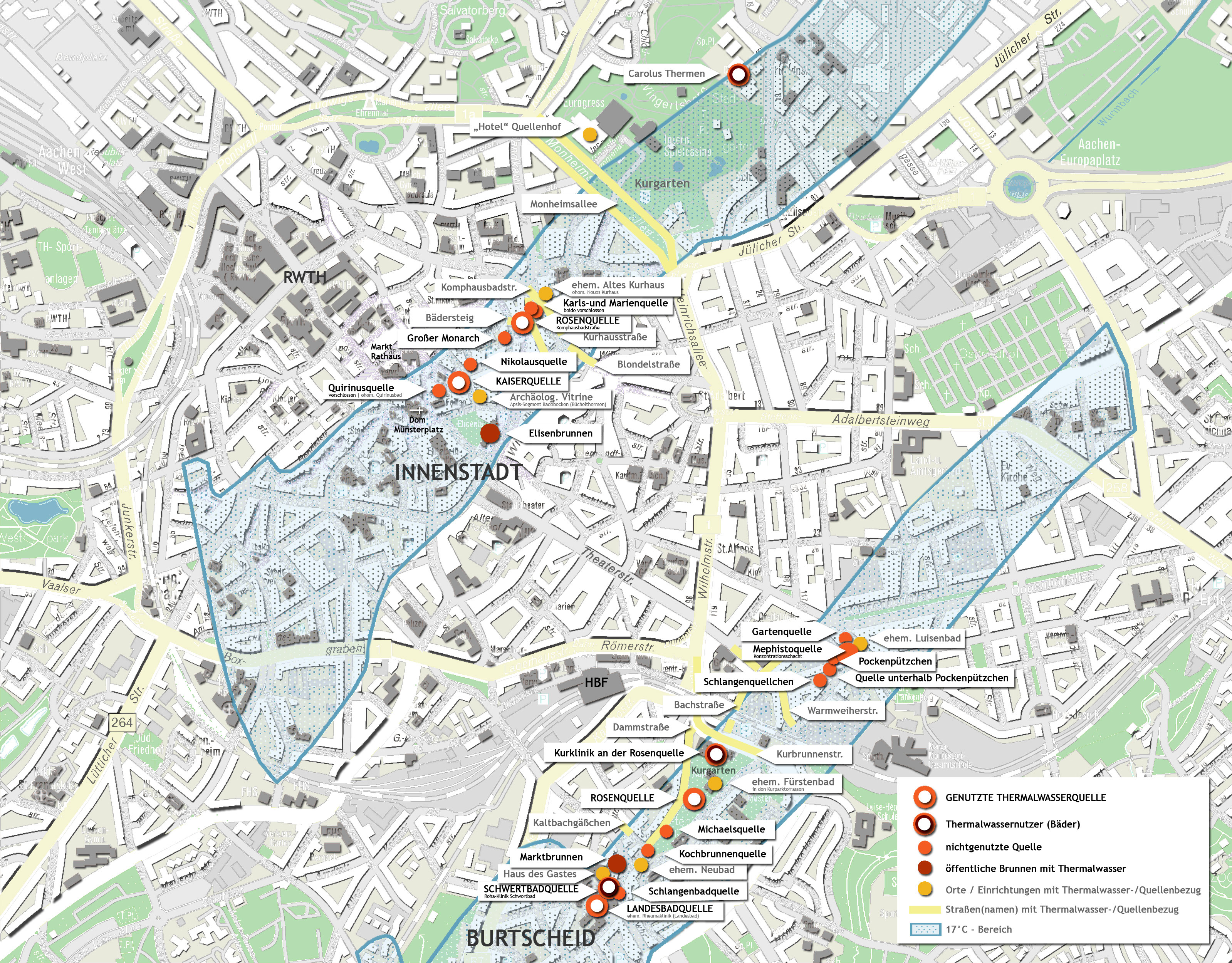
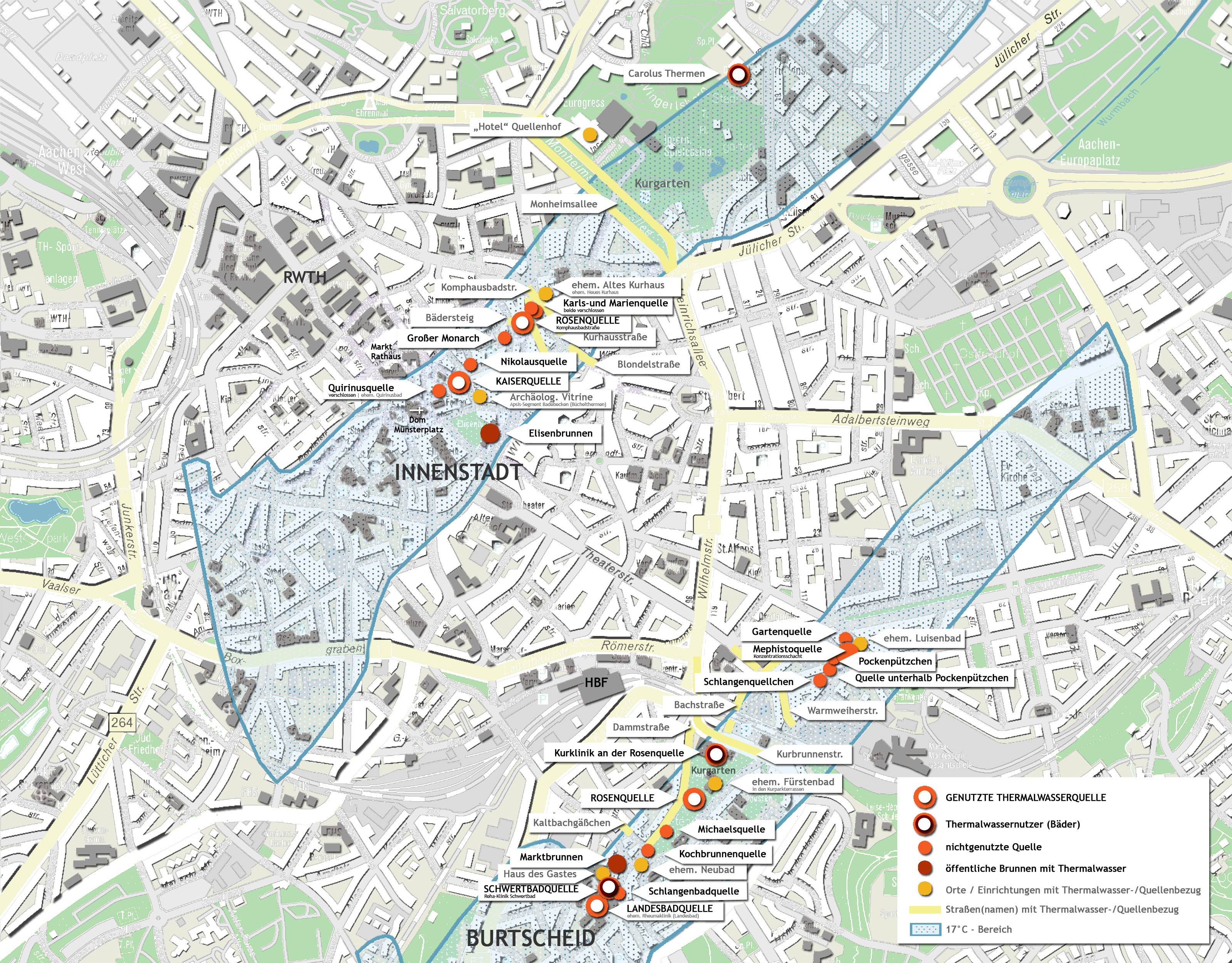
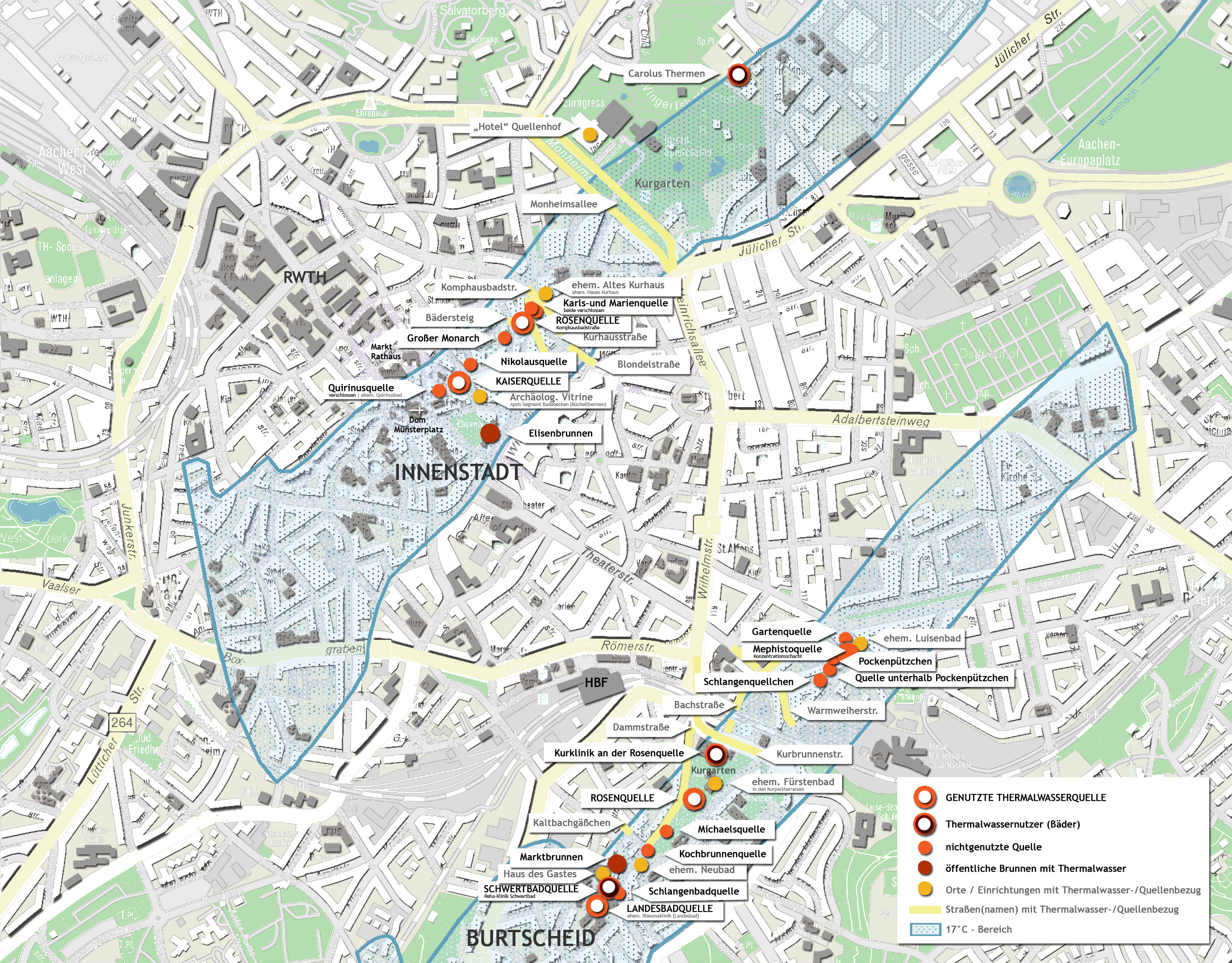
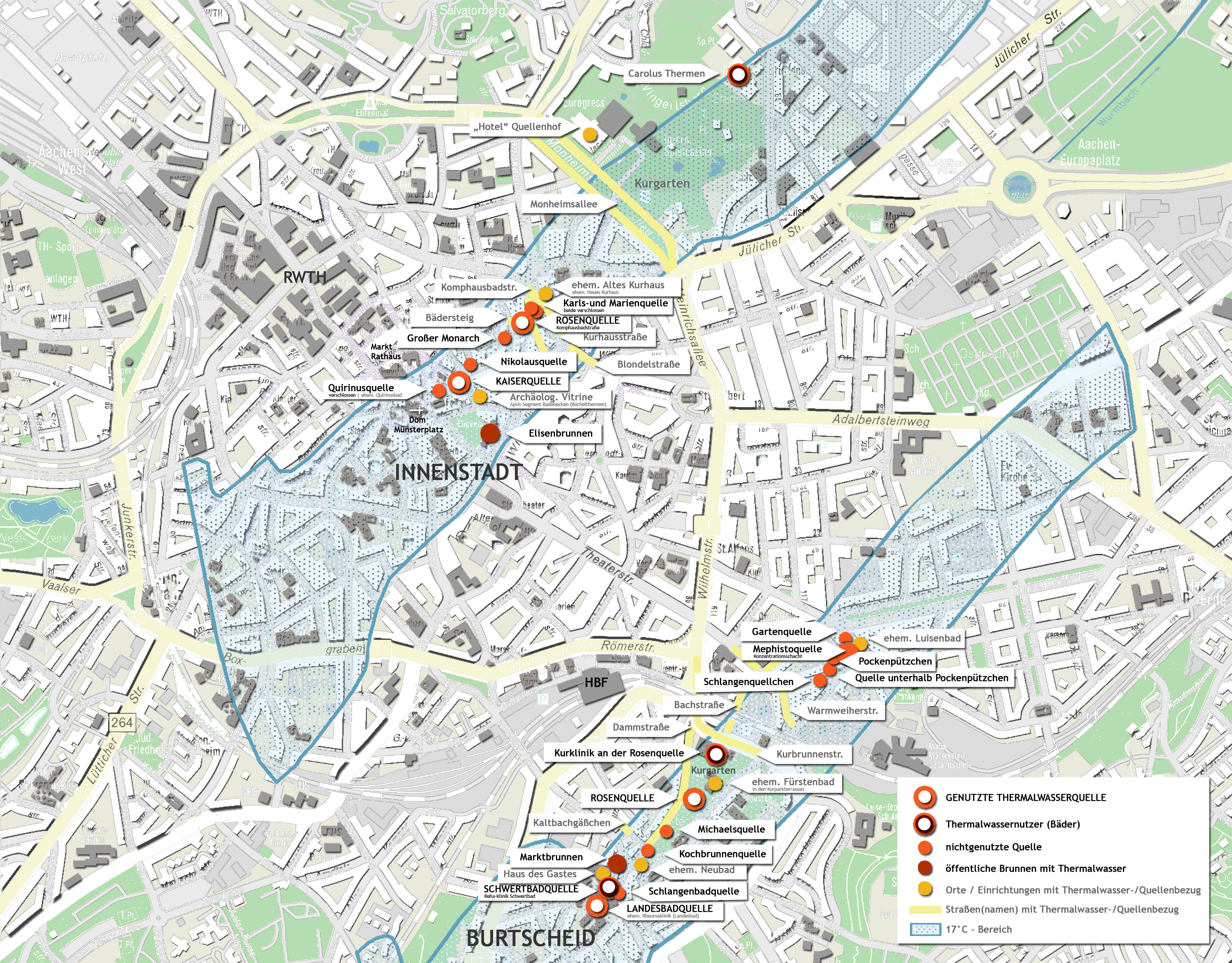
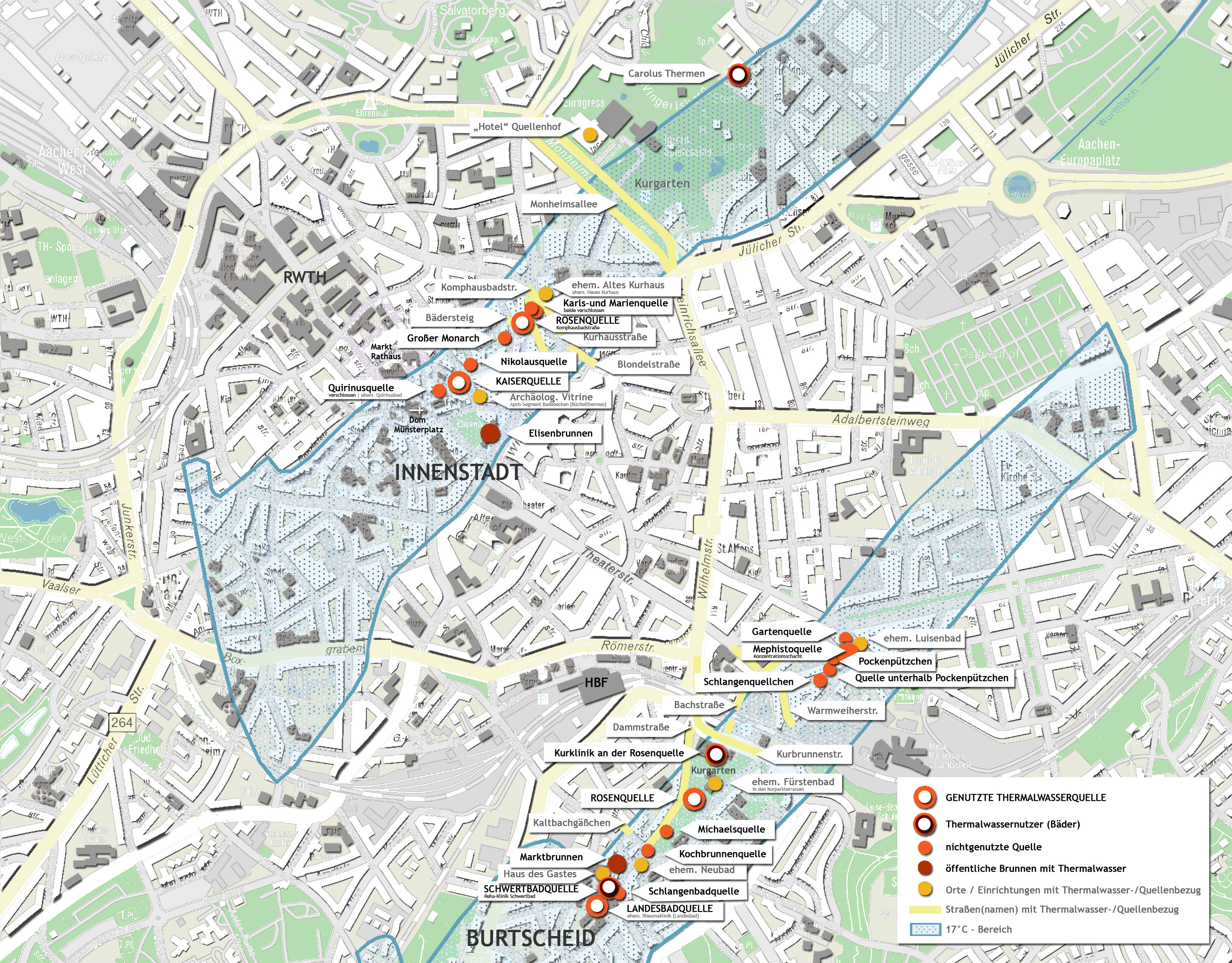
Rosenquelle is part of the Aachener Thermalquellen (Aachen thermal springs) network, a collection of mineral-rich waters that have attracted visitors since Roman times. The spring’s name—Rosen (rose) and Quelle (source)—evokes the delicate fragrance and purity of its waters, though the exact mineral composition is not publicly documented.
Historical Roots
Aachen’s reputation as a spa destination dates back to the Roman settlement of Aquisgranum, where soldiers first discovered the therapeutic properties of the local springs. Over the centuries, medieval emperors, including Charlemagne, bathed in the city’s waters, cementing Aachen’s status as a royal wellness retreat. While Rosenquelle itself is not highlighted in historic texts, its proximity to other celebrated springs such as Marienquelle and Röhrenbrunnen suggests it has long been part of the city’s underground water system.
Why It Matters
In a world dominated by large, commercial wellness centres, Rosenquelle offers a intimate, uncommercialized experience. The spring is a living reminder of Aachen’s natural endowment and its centuries‑old relationship with water therapy. For eco‑conscious travelers, it represents a sustainable way to connect with the region’s geological heritage without the crowds of larger thermal baths.
3. How to Get There
By Air
The nearest major airport is Düsseldorf International Airport (DUS), about 85 km (53 mi) north‑west of Aachen. From the airport, you can take a direct train (ICE or RE) to Aachen Central Station (Aachen Hbf) – the journey takes roughly 1 hour.
By Train
Aachen is well‑served by the German rail network. High‑speed ICE trains connect the city to Cologne, Düsseldorf, and even Brussels. From Aachen Hbf, Rosenquelle is a short walk (≈ 10 minutes) or a quick bus ride (lines 31, 32, or 33) toward the city centre.
By Car
If you prefer driving, take the A44 (E40) motorway from Cologne or the A4 from the Netherlands. Parking is available in several public garages near the historic centre, such as Parkhaus Pontstraße or Parkhaus Aachen City. From the garage, follow the signs toward the Katschhof area; Rosenquelle sits within easy strolling distance.
By Bike or On Foot
Aachen’s compact old town makes Rosenquelle an ideal stop for cyclists. The city’s bike‑share program, Nextbike, offers stations near the cathedral and the main train station. The route to the spring follows mostly flat, paved streets—perfect for a leisurely ride.
4. Best Time to Visit
| Season | Why Visit? |
|---|---|
| Spring (April‑June) | The city’s gardens bloom, and the air carries a fresh, floral scent that complements the spring’s name. Ideal for picnics near the water. |
| Summer (July‑August) | Warm days make a cool spring a refreshing respite. Evening concerts in the historic centre add a lively backdrop. |
| Autumn (September‑October) | Golden foliage creates a picturesque setting. Fewer tourists mean a more tranquil experience. |
| Winter (November‑March) | While the water remains unfrozen, the surrounding streets are quieter, offering a contemplative atmosphere. |
Overall, late spring to early autumn provides the most pleasant weather for outdoor exploration, but Rosenquelle is accessible year‑round.
5. What to Expect
A Quiet, Natural Setting
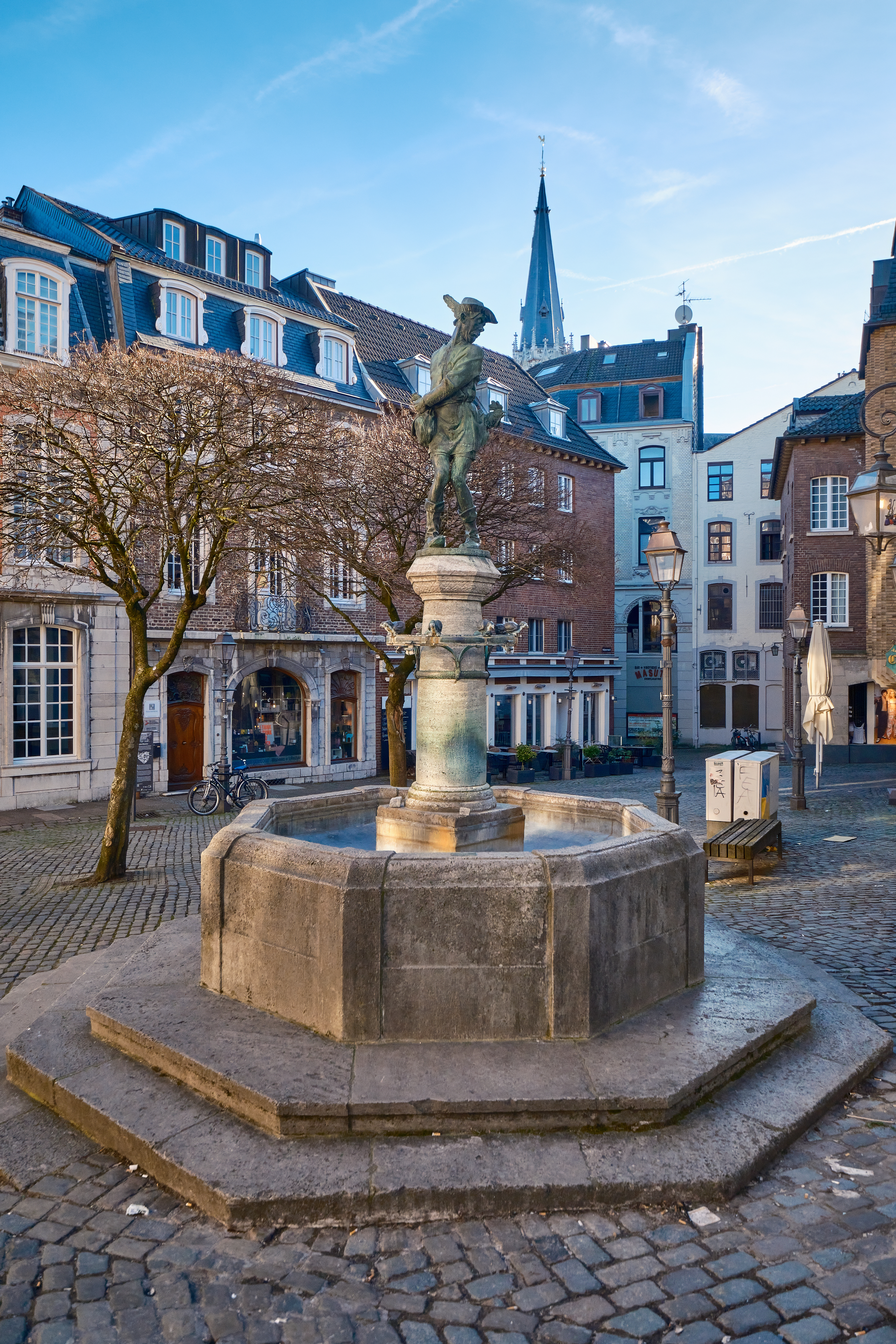
Rosenquelle is not a commercial spa; there are no ticket booths or changing rooms. Instead, you’ll find a modest stone basin or low‑lying pool where the water surfaces, surrounded by cobblestone pathways and historic façades. The sound of gently flowing water creates a soothing soundtrack for meditation, sketching, or simply a moment of stillness.
Sensory Experience
- Sight: Clear, sparkling water that reflects the surrounding medieval architecture.
- Sound: A soft, continuous gurgle that blends with distant city life.
- Touch: The water is cool to the skin, offering a natural “spa” feel without any additives.
- Smell: Depending on the season, you may catch hints of nearby roses, lilacs, or the earthy aroma of wet stone.
Photographic Opportunities
The spring’s location near Aachen’s historic centre provides excellent backdrops: the Aachen Cathedral, the Elisenbrunnen, and the Pontstraße market square are all within walking distance. Early morning light or golden hour after sunset yields especially striking photos.
6. Nearby Attractions
Rosenquelle sits in a cluster of historic springs and fountains, each with its own charm. All are within a short walk, making it easy to create a “spring‑hopping” itinerary.
| Attraction | Distance | What to See |
|---|---|---|
| Marienquelle | 0 km (same square) | A historic spring traditionally associated with pilgrimage and healing. |
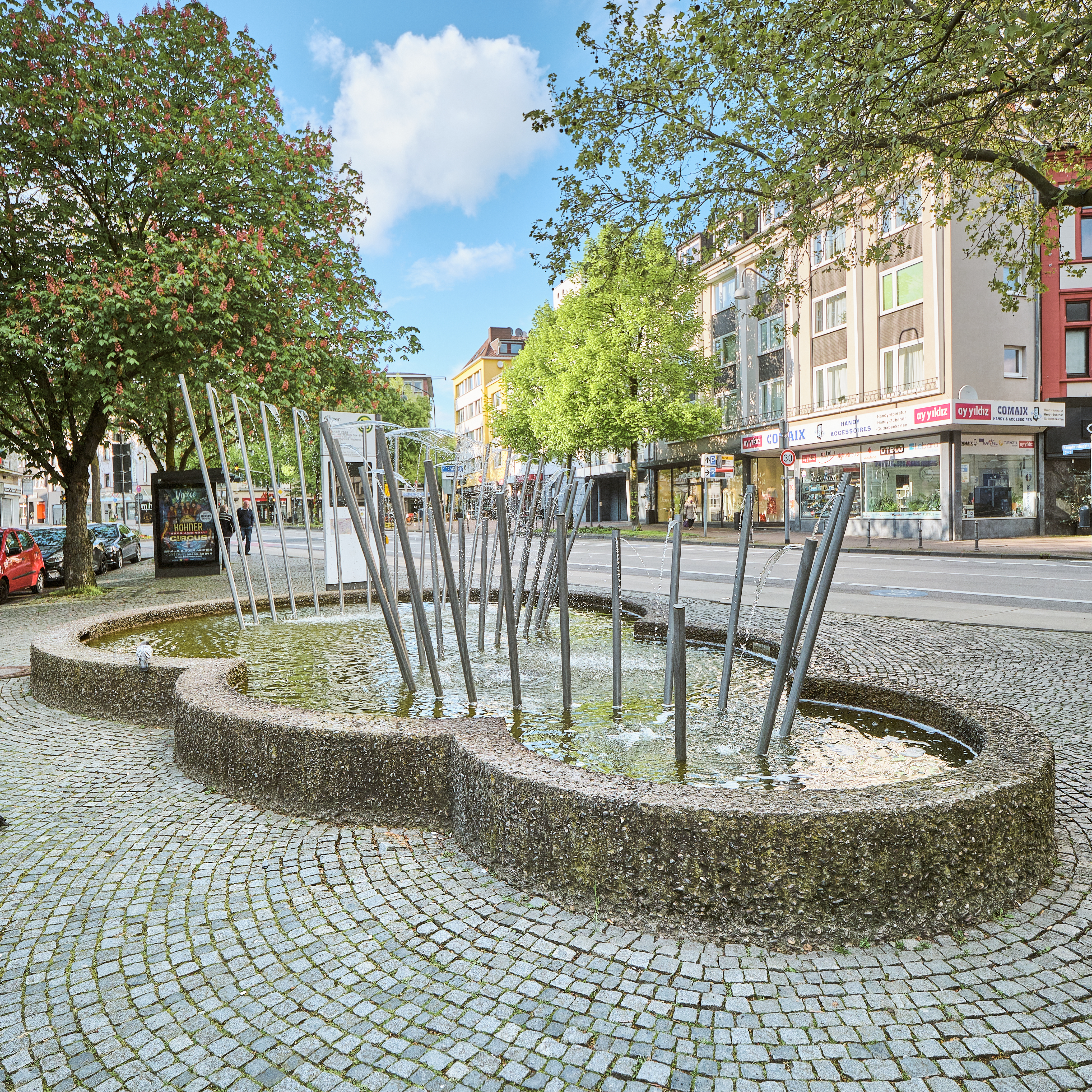
| Röhrenbrunnen | 0.1 km | A decorative fountain featuring ornate iron piping; great for a quick photo stop. |
| Großer Monarch | 0.1 km | Larger spring basin, often used for communal gatherings during festivals. |
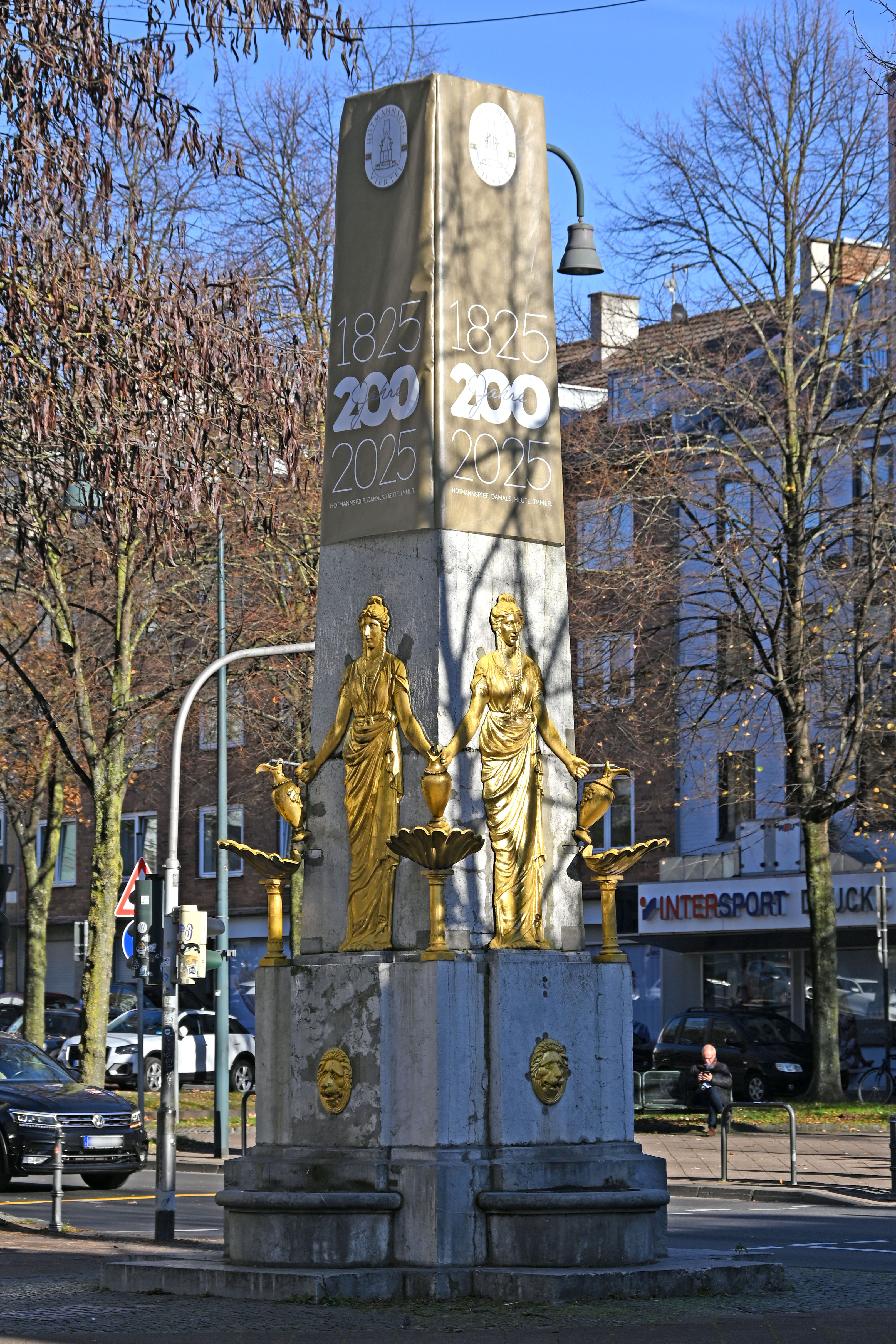
| Hotmannspief | 0.2 km | Small fountain with a whimsical design; perfect for kids to splash around. |
| Nikolausquelle | 0.2 km | Quiet spring surrounded by historic stone walls, ideal for a reflective pause. |
Bonus: Don’t miss the Aachen Cathedral, a UNESCO World Heritage site just a few minutes away, and the Elisenbrunnen, another iconic thermal fountain that offers free drinking water from its historic columns.
7. Travel Tips
| Tip | Details |
|---|---|
| Bring a reusable water bottle | While the spring water is safe to drink, there are no refill stations at Rosenquelle itself. A bottle lets you stay hydrated on your walking tour. |
| Wear comfortable shoes | Cobblestone streets can be uneven. Good walking shoes will keep you comfortable as you explore the old town. |
| Check local events | Aachen hosts markets, concerts, and festivals throughout the year. Visiting during a local event can add cultural flavor, but expect larger crowds near the springs. |
| Respect the site | As a natural heritage spot, avoid littering and refrain from swimming or soaking for extended periods. The spring is meant for appreciation, not recreation. |
| Timing for photos | Early morning (7‑9 am) offers soft light and fewer tourists. Late afternoon (4‑6 pm) provides warm tones that enhance the stone architecture. |
| Language | German is the primary language, but most signs in the tourist centre are bilingual (German/English). A few basic German phrases (“Bitte”, “Danke”, “Wo ist…?”) go a long way. |
| Currency | Germany uses the Euro (€). Credit cards are widely accepted, but keep some cash for small vendors or market stalls. |
| Safety | Aachen is a safe city for solo travelers and families. Keep an eye on personal belongings in crowded areas, especially during festivals. |
Final Thought
Rosenquelle may not have the fame of Aachen’s grand thermal baths, but its quiet charm, historic ambiance, and natural beauty make it a must‑visit for anyone exploring the city’s rich spa heritage. Combine a sip of its cool waters with a stroll through medieval streets, and you’ll experience a side of Aachen that many tourists overlook. Pack your curiosity, follow the coordinates, and let Rosenquelle refresh both body and soul.
Happy travels, and may the springs of Aachen guide your journey!