Röhrenbrunnen – Aachen’s Hidden Fountain Gem
If you think Aachen is only famous for its cathedral and chocolate, think again. Nestled in the heart of North Rhine‑Westphalia, the Röhrenbrunnen (literally “tube fountain”) offers a quiet, reflective spot that captures the city’s blend of historic charm and natural beauty. Whether you’re a seasoned traveler, a local explorer, or a photography enthusiast, this modest fountain deserves a place on your Aachen itinerary.
About Röhrenbrunnen
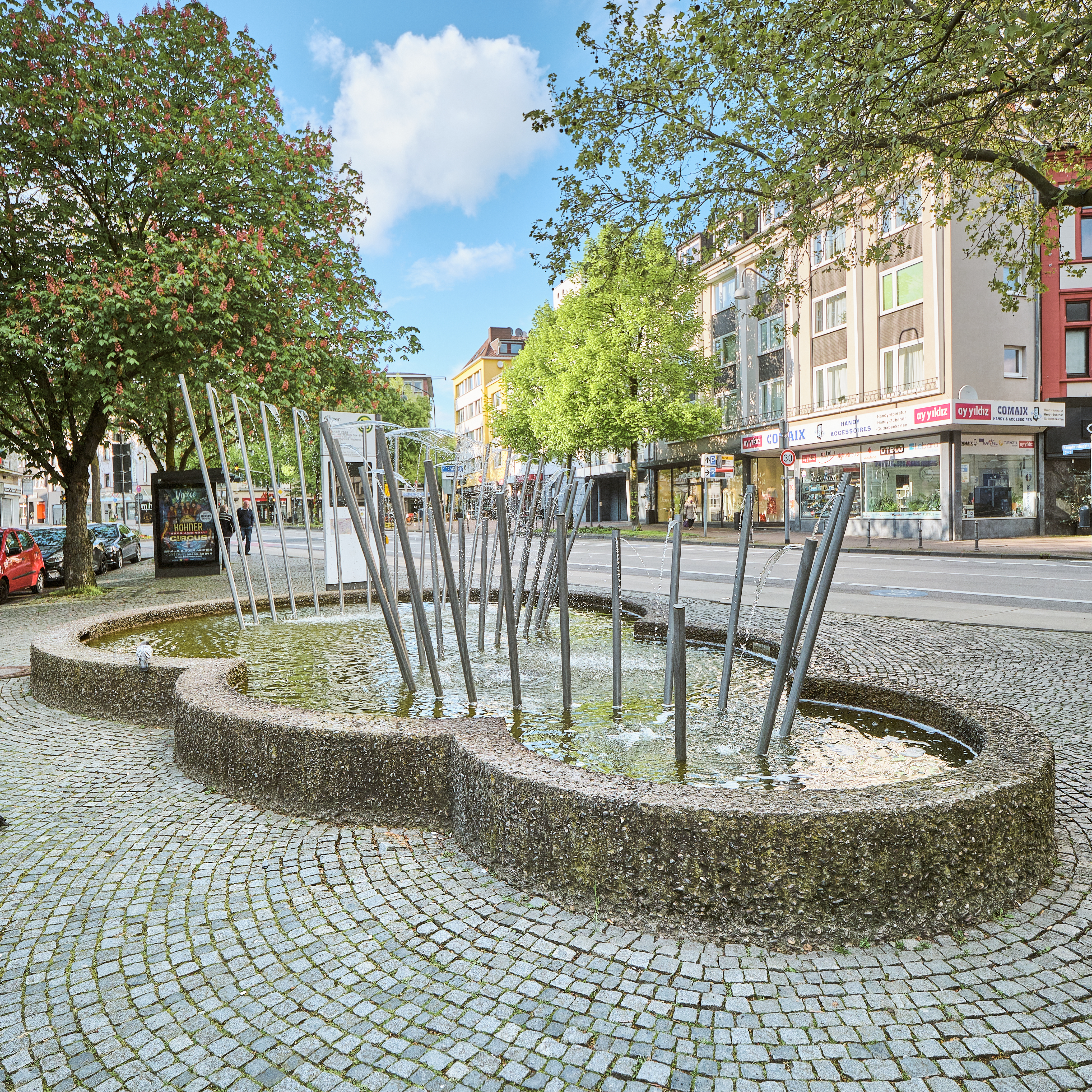
Located at 50.777321 N, 6.088648 E, the Röhrenbrunnen is a small yet striking water feature that has become a subtle landmark in Aachen’s urban landscape. While the exact height of the fountain remains undocumented, its design—characterized by a series of elegant, tube‑like channels that guide water into a serene pool—creates a soothing visual rhythm that draws visitors into a moment of calm amid the city’s bustle.
A Brief History
The Röhrenbrunnen traces its roots back to the early 20th century, a period when Aachen was expanding its public spaces to celebrate both its medieval heritage and modern aspirations. Built as part of a municipal effort to enhance the city’s water architecture, the fountain was intended to showcase the region’s abundant spring water while providing a gathering point for locals. Over the decades, it has survived two world wars, urban redevelopment, and the rise of contemporary art installations, retaining its original charm and continuing to serve as a reminder of Aachen’s dedication to preserving public art.
Cultural Significance
Although not as grand as the city’s cathedral or the historic Town Hall, the Röhrenbrunnen holds a special place in the collective memory of Aachen’s residents. It is frequently featured in local postcards, community events, and school field trips, symbolizing the city’s harmonious relationship with water—a theme echoed in the many springs (Quellen) that dot the surrounding area. The fountain’s understated elegance makes it a perfect backdrop for quiet contemplation, spontaneous street performances, or a quick coffee break on a nearby bench.
How to Get There
By Train
Aachen’s main railway hub, Aachen Hauptbahnhof, is well‑connected to major German cities such as Cologne, Düsseldorf, and Berlin. From the station, the Röhrenbrunnen is a pleasant 15‑minute walk (approximately 1.2 km). Head east on Bahnhofstraße, cross the Aachener Straße bridge, and follow the signs toward the city centre. The route takes you past the historic Aachen Cathedral, offering an early glimpse of the city’s iconic skyline.
By Bus
If you prefer public transport, several city bus lines stop within a short stroll of the fountain:
| Bus Line | Nearest Stop | Approx. Walking Time |
|---|---|---|
| 31, 42 | Markt | 3 minutes |
| 61 | Katschhof | 5 minutes |
All buses are part of the Aachener Verkehrsverbund (AVV) network, and a single ticket (valid for 2 hours) covers both bus and tram rides.
By Car
Driving in Aachen’s historic centre can be challenging due to limited parking and pedestrian zones. If you’re coming by car, use the P+R Parkhaus at Kreuzberger Straße (parking fee: €2 per hour). From there, it’s a short walk north toward the fountain. Remember to check for any temporary traffic restrictions, especially during city festivals.
By Bike or On Foot
Aachen is a bike‑friendly city with dedicated lanes that connect major attractions. The Röhrenbrunnen lies along the Aachener Stadtpark loop, making it an ideal stop for cyclists exploring the area. For walkers, the route from the Aachen Cathedral to the fountain is lined with cobblestone streets, historic façades, and plenty of cafés—perfect for a leisurely stroll.
Best Time to Visit
Spring (April – June)
The surrounding gardens burst into color, and the fountain’s water glistens under longer daylight hours. Spring festivals often spill onto nearby squares, creating a lively atmosphere.
Summer (July – August)
Warm evenings are perfect for sitting on a nearby bench and watching the water dance in the golden light. Expect more tourists, but the fountain’s shaded spot offers a pleasant respite from the heat.
Autumn (September – October)
Golden leaves frame the fountain, and the cooler weather makes for comfortable photo sessions. This is also the season when many local markets set up nearby, adding a festive vibe.
Winter (November – March)
While the fountain may be turned off during the coldest months, the surrounding historic streets are illuminated with festive lights, creating a magical winter tableau. A hot chocolate from a nearby café pairs perfectly with a quiet walk past the still waters.
SEO tip: Search for “Röhrenbrunnen opening hours” or “Aachen fountain winter schedule” to get the most up‑to‑date information before you travel.
What to Expect
Arriving at the Röhrenbrunnen, you’ll notice a tranquil pool surrounded by low stone walls and subtle lighting that highlights the water’s movement after sunset. The sound of gently cascading water provides a natural soundtrack, masking the occasional city hum.
- Photographic Opportunities: The fountain’s clean lines and reflective surface make it a favorite for both amateur and professional photographers. Try shooting during the golden hour (just after sunrise or before sunset) for soft shadows and warm tones.
- Quiet Spot for Reflection: Unlike crowded tourist magnets, the Röhrenbrunnen offers a calm environment where you can read a book, sketch, or simply enjoy a moment of mindfulness.
- Local Interaction: Keep an eye out for street musicians or local artists who occasionally set up nearby. Their performances add a spontaneous cultural layer to the experience.
- Accessibility: The surrounding pathway is flat and wheelchair‑friendly, ensuring that all visitors can enjoy the fountain’s ambiance.
Nearby Attractions
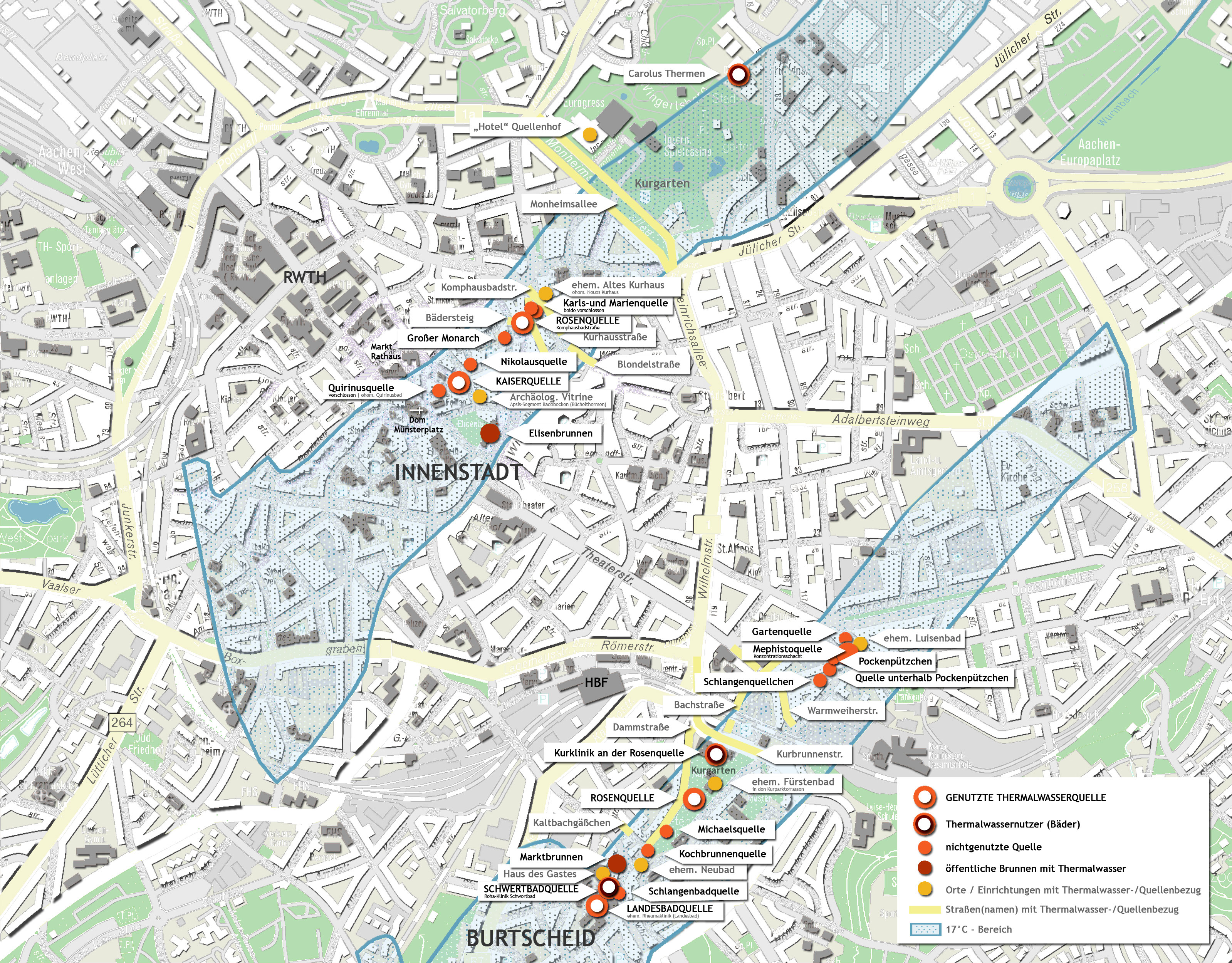
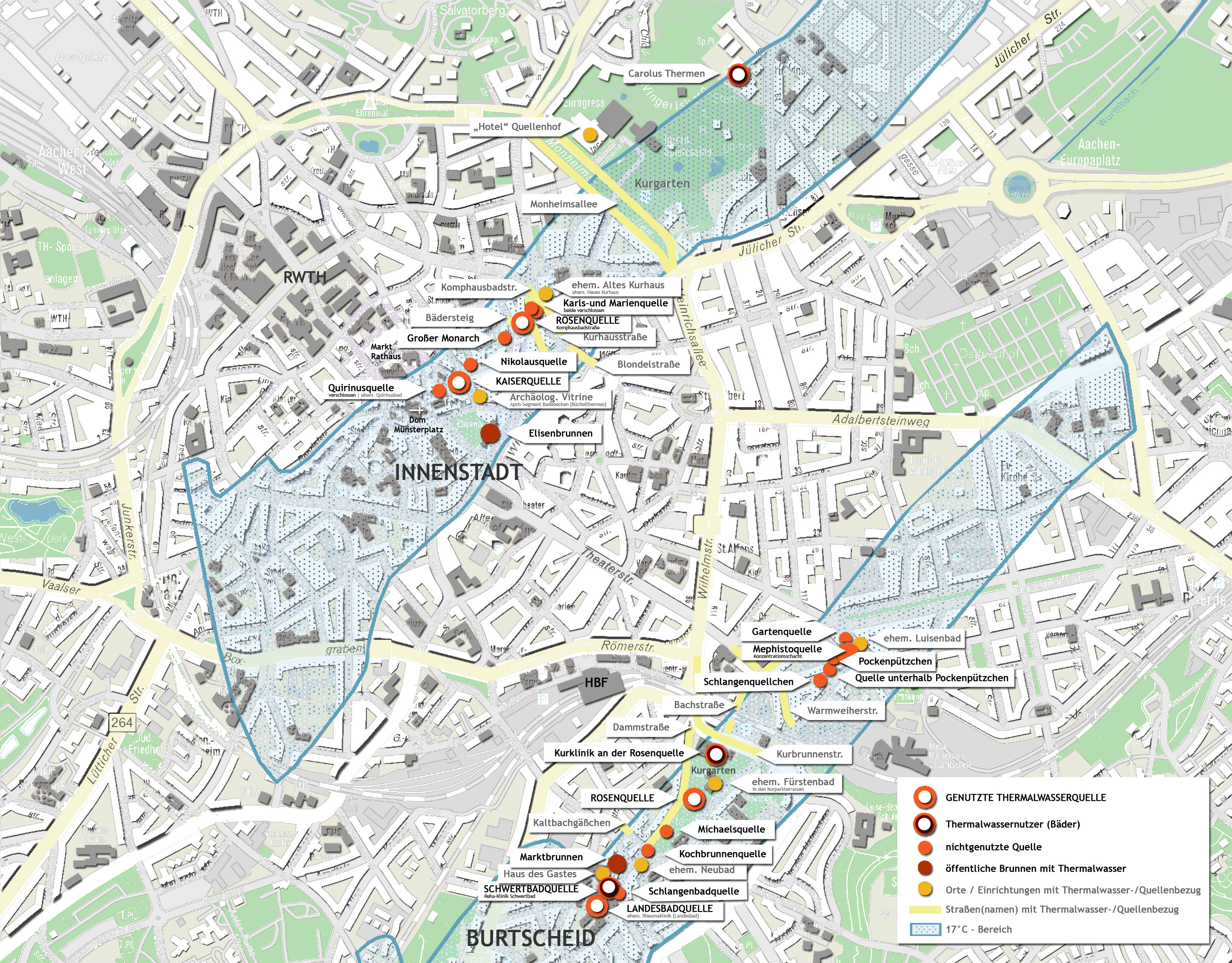
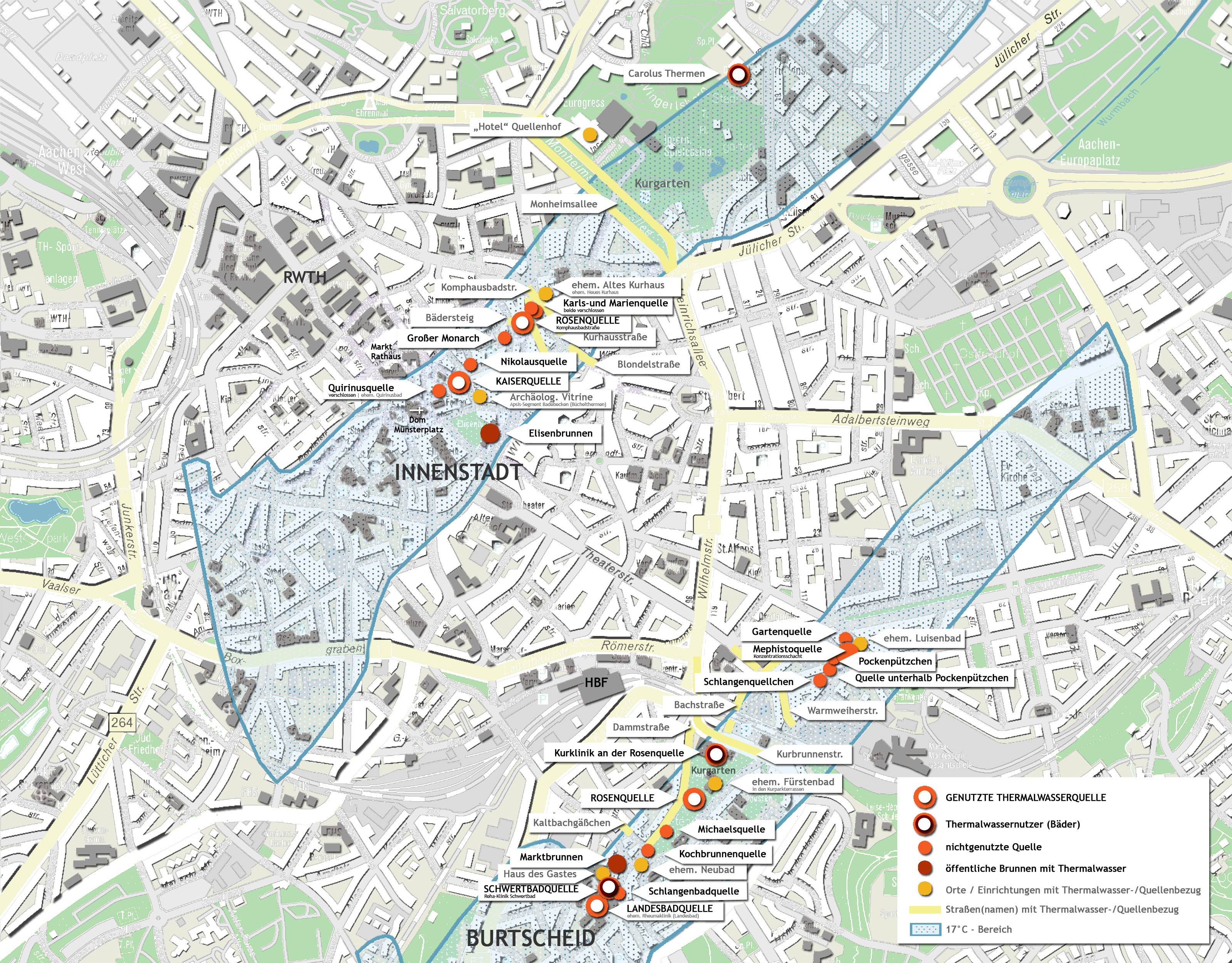
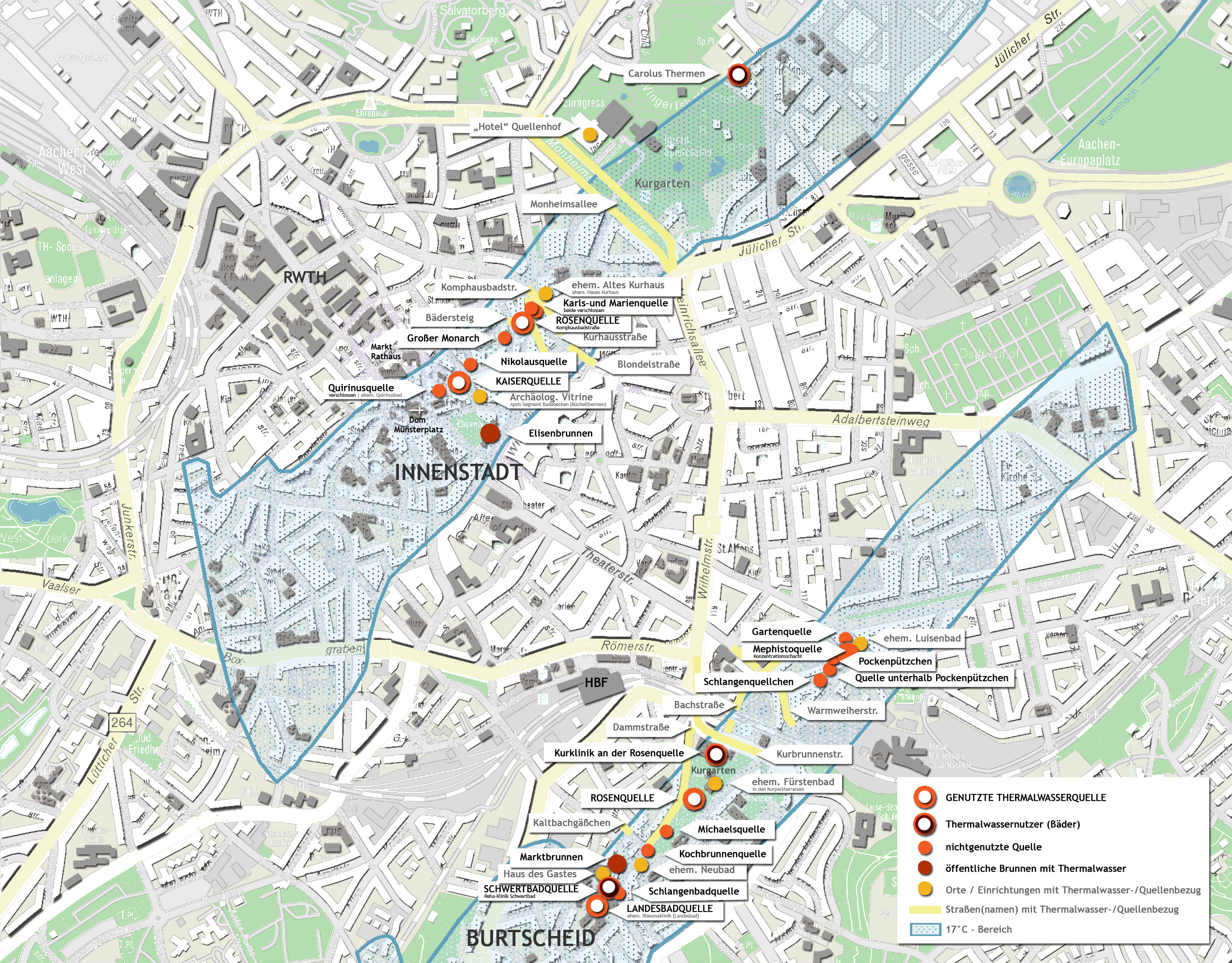
A short walk from the Röhrenbrunnen brings you to a cluster of natural springs and historic water features that together tell the story of Aachen’s relationship with water. Below are the top spots you can explore, each linked to more information:
- Marienquelle (0.0 km) – A historic spring that has supplied fresh water to the city for centuries.
- Rosenquelle (0.1 km) – Known for its fragrant surroundings and tranquil setting.
- Großer Monarch (0.1 km) – A larger spring that feeds into local waterways, offering a picturesque backdrop for photos.
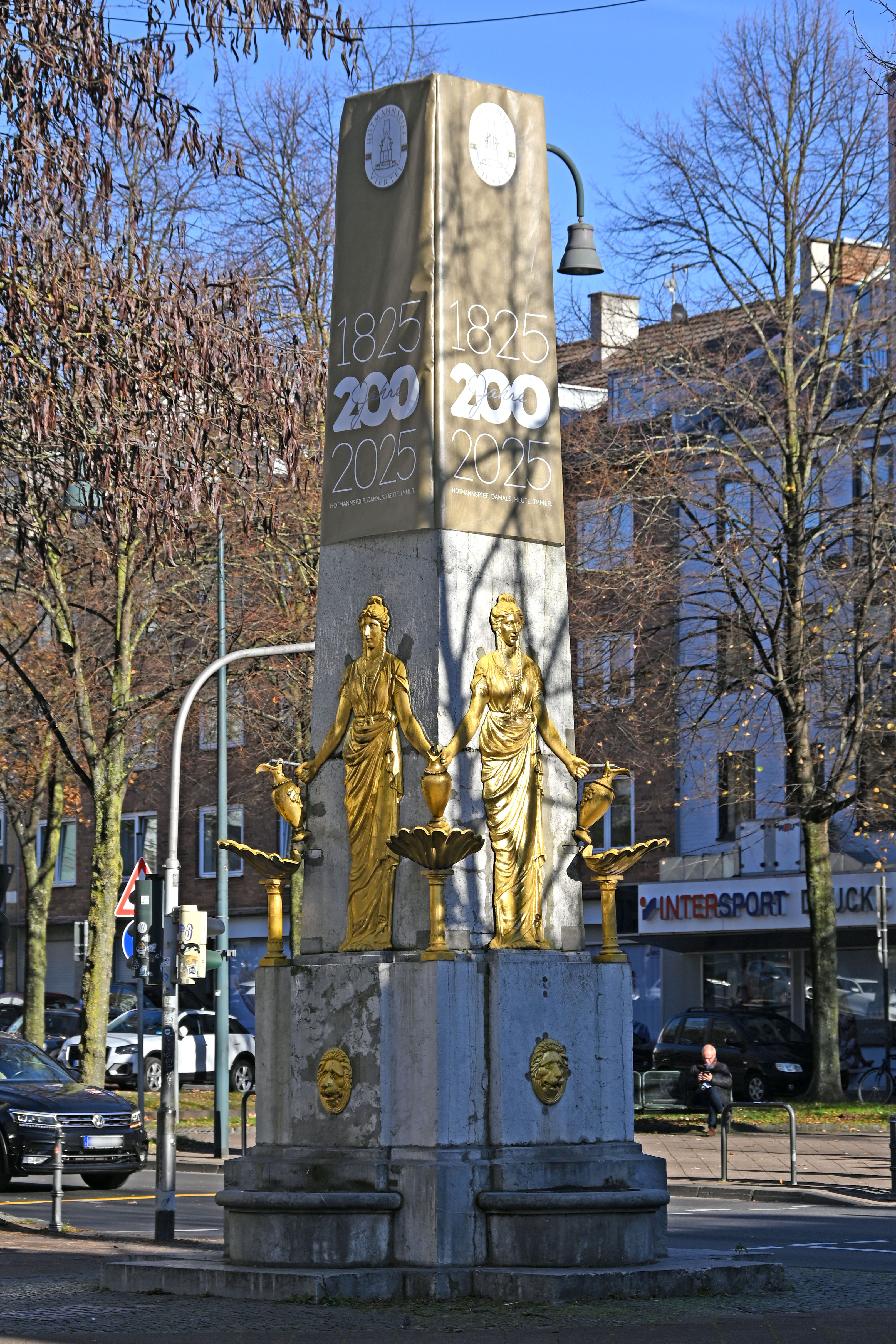
- Hotmannspief (0.1 km) – Another charming fountain, perfect for a quick water‑break during your walk.
- Nikolausquelle (0.2 km) – A small but historic spring, often visited by locals for its clear, cool water.
These attractions are all within a 5‑minute walk, allowing you to create a compact “water‑tour” of Aachen’s most beloved springs and fountains. Pair your visit with a stop at the nearby Aachen Cathedral, a UNESCO World Heritage site, or the Aachener Rathaus (Town Hall) for a full day of cultural immersion.
Travel Tips
| Tip | Details |
|---|---|
| Bring a reusable water bottle | Many of the nearby springs are safe for refilling, helping you stay hydrated while reducing plastic waste. |
| Check local event calendars | Aachen hosts seasonal markets and music festivals that can either enhance your visit or cause temporary crowding around the fountain. |
| Dress for the weather | The fountain area is partially exposed; a light raincoat in spring or a warm scarf in winter will keep you comfortable. |
| Use a map app with offline mode | Cellular service can be spotty in the historic centre; download the area map in advance (search “Röhrenbrunnen Aachen offline map”). |
| Respect the space | While the fountain is public, it is also a place of local relaxation. Keep noise levels low and avoid feeding any wildlife that may gather nearby. |
| Timing for photos | Early morning (7 – 8 am) offers soft light and fewer people; late afternoon (5 – 6 pm) provides warm tones and the chance to capture the fountain lit up at dusk. |
| Currency | Germany uses the Euro (€). Most cafés and shops accept card payments, but it’s handy to carry a few cash notes for small vendors. |
| Language | German is the official language, but English is widely understood in tourist areas. A few basic German phrases (e.g., “Bitte” and “Danke”) go a long way. |
Final Thoughts
The Röhrenbrunnen may not dominate travel brochures, but its understated beauty, historic roots, and proximity to other water‑centric attractions make it a must‑see for anyone exploring Aachen. By weaving this fountain into your itinerary, you’ll discover a quieter side of the city—one where the gentle flow of water invites you to pause, reflect, and soak up the authentic rhythm of North Rhine‑Westphalia.
Ready to add a splash of serenity to your Aachen adventure? Pack your camera, slip on comfortable shoes, and let the Röhrenbrunnen guide you to a hidden corner of German heritage.