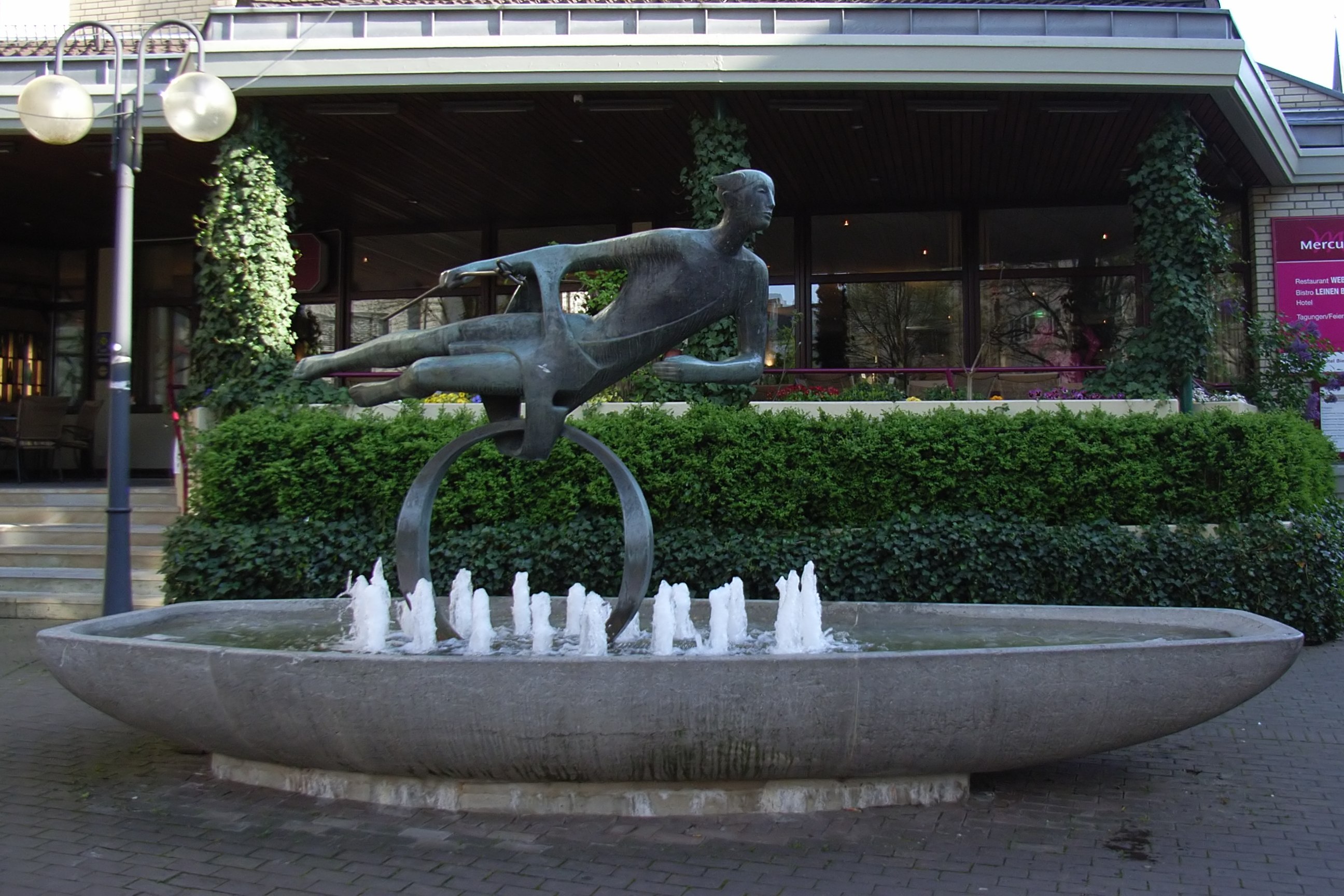
Merkurbrunnen – Bielefeld’s Hidden Fountain Gem
Discover the quiet charm of the Merkurbrunnen, a lesser‑known fountain tucked in the heart of Bielefeld, North Rhine‑Westphalia. Whether you’re strolling through the historic city centre or hunting for off‑the‑beaten‑path photo spots, this little water feature offers a peaceful pause amid the urban buzz.
1. Introduction
When you think of German fountains, the grand Baroque displays of Munich or the illuminated water shows of Berlin might spring to mind. Yet Bielefeld, a vibrant university city in North Rhine‑Westphalia, hides its own watery treasure: the Merkurbrunnen. Situated at the crossroads of history and modern life, this modest fountain invites travelers to pause, sip the local atmosphere, and snap a few Instagram‑ready shots. Its name—derived from Mercury, the Roman messenger god—hints at a legacy of communication, movement, and the flow of ideas, making it a fitting stop for curious explorers.
2. About Merkurbrunnen
Description
The Merkurbrunnen is a simple yet elegant stone fountain located at 52.019270 N, 8.529636 E in the centre of Bielefeld. While the exact height and altitude of the structure remain undocumented, the fountain’s clean lines and subtle water cascade create a soothing soundscape that contrasts beautifully with the surrounding cobblestones and historic façades.
History & Significance
The fountain’s origins trace back to the early 20th century, a period when Bielefeld was expanding its public spaces to reflect civic pride. Named after Mercury, the Roman god of travelers, merchants, and communication, the Merkurbrunnen was intended as a symbolic “meeting point” for locals and visitors alike. Over the decades, it has survived two world wars and several urban redevelopment projects, standing today as a quiet reminder of the city’s resilience and its commitment to public art.
While the fountain does not boast the ornate sculptures of larger German monuments, its understated design aligns with the North Rhine‑Westphalia aesthetic of functional beauty. The water’s gentle flow has become a beloved backdrop for street musicians, coffee‑break conversations, and impromptu photo sessions—making the Merkurbrunnen an integral, though understated, part of Bielefeld’s cultural tapestry.
3. How to Get There
By Train
- Bielefeld Hauptbahnhof (main station) is the primary rail hub, served by ICE, IC, and regional trains from major German cities such as Berlin, Hamburg, and Cologne.
- From the station, exit onto Bahnhofstraße and walk south‑west for about 10 minutes (≈800 m). The route passes the historic St. Nikolai Cathedral and leads directly into the city centre where the fountain sits.
By Bus & Tram
- Tram line 1 (Bielefeld‑Mitte) and bus lines 10, 12, 13 stop at “Markt”, the central market square. The Merkurbrunnen is a short 2‑minute walk north from the tram stop, right beside the Alte Straße pedestrian zone.
- Ticket prices are €2.80 for a single ride (as of 2026) and can be purchased via the BVB (Bielefelder Verkehrsbetriebe) app.
By Car & Parking
- If you’re driving, the nearest public parking facility is Parkhaus Altstadt, located at Königstraße 15. It offers hourly rates of €1.50 and is only a 5‑minute walk to the fountain.
- For cyclists, Bielefeld’s extensive bike‑lane network brings you within a few meters of the Merkurbrunnen; free bike racks are available near the Alte Markt.
Walking & Accessibility
- The fountain sits on a level, wheelchair‑accessible plaza with tactile paving for the visually impaired.
- Its central location makes it an ideal waypoint on any walking tour of Bielefeld’s historic centre.
4. Best Time to Visit
| Season | Why Visit? |
|---|---|
| Spring (April‑May) | The surrounding gardens begin to bloom, and the fountain’s water glistens under the mild sun—perfect for early‑morning photography. |
| Summer (June‑August) | Long daylight hours allow for leisurely strolls; nearby cafés spill onto the sidewalks, creating a lively atmosphere. |
| Autumn (September‑October) | Golden foliage frames the fountain, and the cooler weather makes the gentle mist from the water especially refreshing. |
| Winter (November‑February) | While the fountain may be turned off during the coldest weeks, the surrounding historic buildings are illuminated with festive lights, offering a cozy, quiet backdrop. |
Tip: The Merkurbrunnen is most vibrant during the late afternoon when the sun casts a soft glow on the stone, and the city’s street performers are in full swing.
5. What to Expect
Arriving at the Merkurbrunnen, you’ll first notice the soft murmur of water—a calming counterpoint to the occasional chatter of passersby. The fountain’s basin is surrounded by a modest seating area, inviting you to sit, sip a coffee, and watch the world go by.
During weekdays, the spot is a favored meeting place for locals: students from the University of Bielefeld, office workers, and tourists converge here for brief chats or quick photo ops. On weekends, the nearby Alte Markt market stalls spill over, adding aromas of fresh pretzels and roasted chestnuts to the air.
Because the fountain is relatively low‑key, you’ll often find street musicians—accordionists, acoustic guitarists, or even a lone violinist—adding a melodic soundtrack. The ambience is relaxed yet vibrant, making the Merkurbrunnen an excellent spot for people‑watching, journaling, or simply catching a breath between museum visits.
6. Nearby Attractions
The Merkurbrunnen’s central location means you’re never far from other points of interest. Here’s a quick guide to the top spots within a 0.5 km radius:
| Attraction | Distance | What to See |
|---|---|---|
| Brunnen am Alten Markt | 0.2 km | A historic market‑square fountain with ornate bronze figures—great for a quick photo comparison. |
| [Unnamed Waterfall] | 0.3 km | A small, decorative waterfall tucked in a side alley—perfect for a quiet moment. |
| [Second Waterfall] | 0.3 km | Another charming water feature, often overlooked, offering a serene backdrop. |
| [Additional Fountain] | 0.4 km | A contemporary fountain that blends modern design with the city’s heritage. |
| Die sieben Stufen der Weisheit | 0.5 km | A series of seven stone steps with engraved proverbs—ideal for a reflective walk. |
(Links can be added to the respective Wikipedia or city‑tourism pages for each attraction.)
Bonus: Just a few minutes’ walk away lies the Bielefelder Kunsthalle, a modern art museum, and the St. Nikolai Cathedral, a Gothic‑style church with stunning stained‑glass windows.
7. Travel Tips
- Carry Small Change – Many street vendors and the nearby market stalls accept cash only.
- Download the BVB App – Real‑time tram and bus schedules help you navigate the city efficiently.
- Dress for the Weather – While the fountain is outdoors, Bielefeld’s climate can shift quickly; a light rain jacket is handy, especially in spring.
- Respect Quiet Hours – The plaza is a public space; keep noise to a moderate level after 10 pm.
- Photography Etiquette – If you’re using a tripod, be mindful of foot traffic; a handheld camera works just fine.
- Try Local Snacks – Grab a Bielefelder Pumpernickel or a Kaffee from a nearby café and enjoy it on the bench beside the fountain.
- Plan a Loop – Combine the Merkurbrunnen with the nearby attractions for a compact walking tour that fits into a half‑day itinerary.
Final Thought
The Merkurbrunnen may not boast towering statues or dazzling light shows, but its understated elegance captures the spirit of Bielefeld: a city that values community, history, and the gentle flow of everyday life. Next time you find yourself wandering through North Rhine‑Westphalia, carve out a few minutes for this modest fountain. Let the water’s whisper remind you that even the smallest landmarks can leave a lasting impression.
Happy travels, and may your journey through Bielefeld be as refreshing as the waters of the Merkurbrunnen!