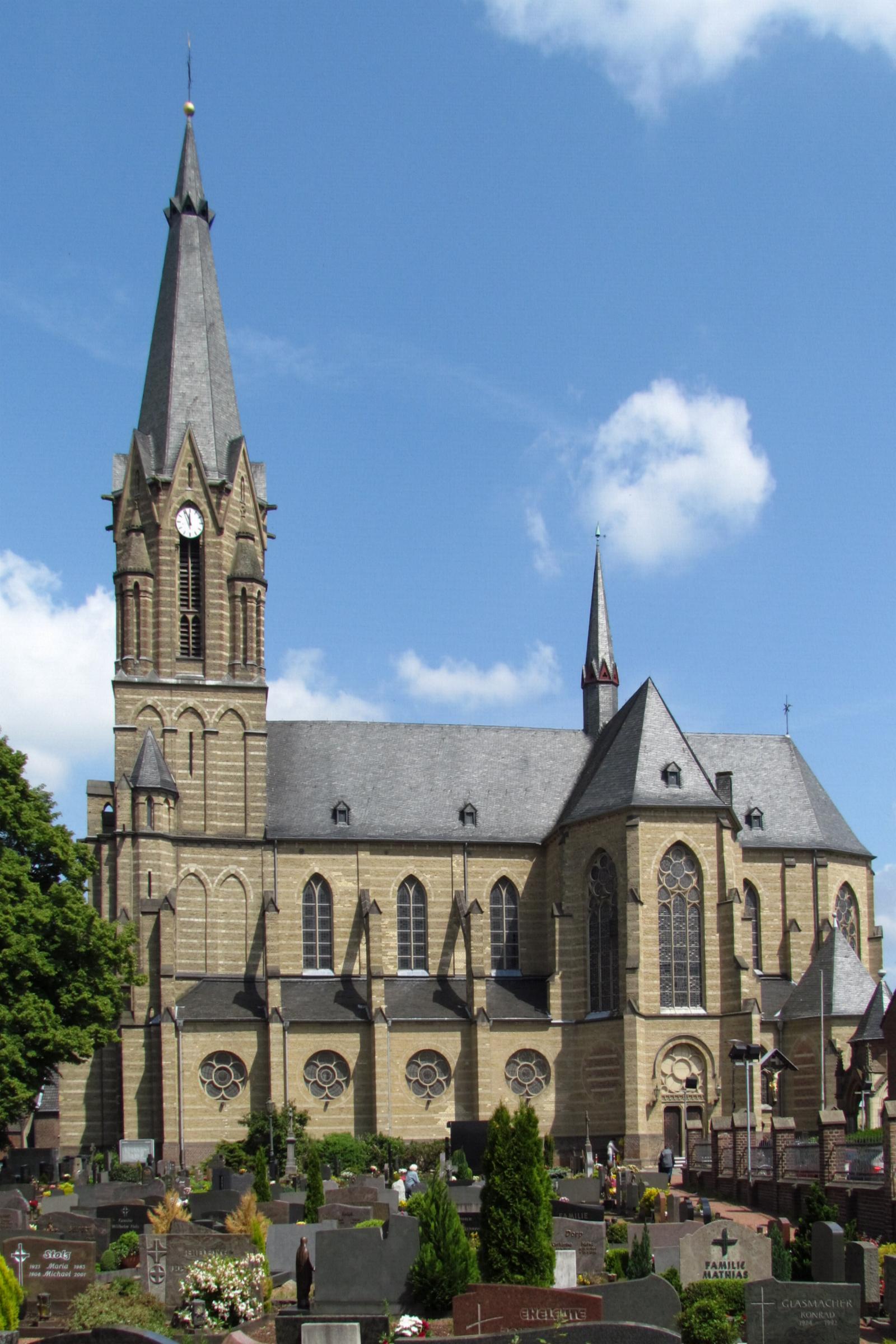
Löwenbrunnen – The Roaring Heart of Grevenbroich, North Rhine‑Westphalia
Discover the charm of a historic German fountain tucked away in the vibrant town of Grevenbroich. Whether you’re a local explorer or a traveler cruising through North Rhine‑Westphalia, Löwenbrunnen is a must‑see landmark that blends art, history, and a splash of serenity.
1. Introduction
Imagine strolling through a quiet square in the heart of Grevenbroich and hearing the gentle roar of water mingling with the distant hum of the city. At the center of this scene stands Löwenbrunnen, a striking lion‑head fountain that has been quenching the curiosity of visitors for generations. Though modest in size, the fountain’s sculpted lions and timeless design make it a perfect photo‑stop and a quiet retreat from the bustle of the Ruhr region. If you’re mapping out a cultural itinerary in North Rhine‑Westphalia, let this fountain be your first splash of local heritage.
2. About Löwenbrunnen
A Brief Description
- Type: Fountain ⛲
- Location: Grevenbroich, North Rhine‑Westphalia, Germany
- Coordinates: 51.088751 N, 6.589793 E
Löwenbrunnen (literally “Lion Fountain”) is a historic water feature that crowns a small plaza near the town centre. Its most eye‑catching element is a pair of stone lions that spout water from their mouths, creating a gentle cascade that has become synonymous with Grevenbroich’s public art scene.
History & Significance
While exact construction dates and dimensions remain undocumented, the fountain is listed among Grevenbroich’s Baudenkmäler (protected building monuments) – a designation that highlights its cultural and architectural value. The lion motif reflects the city’s historic coat of arms, where the lion symbolizes strength and regional identity. Over the decades, Löwenbrunnen has served as a gathering point for festivals, a backdrop for community events, and a quiet spot for locals to pause and reflect.
The fountain’s inclusion on the official list of monuments can be verified on the German Wikipedia page for Grevenbroich’s heritage sites: Liste der Baudenkmäler in Grevenbroich. Its protected status ensures that the fountain will continue to be maintained for future generations, preserving a slice of the town’s 19th‑century urban planning.
3. How to Get There
By Train
- Nearest major station: Grevenbroich Hauptbahnhof (approximately 1 km from the fountain).
- From the station, exit onto Bahnhofstraße, walk south toward the city centre, and follow the signs for the Marktplatz. Löwenbrunnen sits just a few minutes’ walk from the market square.
By Car
- From Cologne: Take the A57 north toward Düsseldorf, exit at Grevenbroich‑West (Exit 6). Follow the B55 toward the town centre; parking is available in the municipal lot behind the Stadthaus.
- From Düsseldorf: Use the A46 east, then switch to the A57 north; the same exit and directions apply.
By Bicycle
Grevenbroich is part of the Rhein-Ruhr cycling network, offering well‑marked bike lanes that lead directly to the historic centre. The ride from the Rhine River promenade to Löwenbrunnen is scenic and takes roughly 15 minutes.
Public Transport Within Town
Local bus lines R1 and R2 stop at “Marktplatz”, a stone’s throw from the fountain. Check the Verkehrsverbund Rhein-Ruhr (VRR) schedule for real‑time updates.
4. Best Time to Visit
| Season | Why Visit | Tips |
|---|---|---|
| Spring (April‑May) | Blossoming trees frame the fountain, creating a postcard‑perfect scene. | Bring a light jacket; mornings can be cool. |
| Summer (June‑August) | Longer daylight hours let you linger longer, and the water’s gentle spray feels refreshing. | Arrive early to avoid the midday tourist rush. |
| Autumn (September‑October) | Golden foliage adds warmth to the stone lions; fewer crowds. | Ideal for photography; the soft light enhances textures. |
| Winter (November‑February) | The fountain takes on a quiet, almost magical aura when dusted with snow. | Check that the water feature is still flowing; maintenance may pause during extreme cold. |
Overall, late spring to early autumn offers the most vibrant backdrop, but each season brings its own charm.
5. What to Expect
When you approach Löwenbrunnen, you’ll first notice the symmetrical lion statues, each poised with a regal expression. Water streams steadily from their mouths, forming a modest pool that reflects the surrounding cobblestones. The sound of the water is soothing, making the area a favorite spot for locals to sit, read, or enjoy a coffee from nearby cafés.
The surrounding plaza is paved with historic stone, and you’ll often find street musicians or artisan stalls during market days. The fountain’s modest scale invites close interaction—children love to splash their feet, while photographers appreciate the interplay of light on water and stone.
Because the fountain is part of a protected heritage site, you’ll notice well‑maintained surroundings: clean pathways, discreet lighting for evening visits, and informational plaques that briefly explain the fountain’s history.
6. Nearby Attractions
Löwenbrunnen is conveniently located near several weirs and natural spots that showcase the region’s water heritage. All are within a short walk or bike ride, making it easy to combine multiple sights in a single outing.
| Attraction | Distance | What to See |
|---|---|---|
| Kampers Mühle (Weir) | 0.2 km | A historic mill and weir offering scenic river views and walking trails. |
| Eiskanal (Weir) | 0.5 km | Popular among kayakers; the canal’s gentle currents provide a pleasant backdrop for a riverside stroll. |
| (Unnamed Weir 1) | 0.6 km | Small water structure ideal for quiet contemplation. |
| (Unnamed Weir 2) | 0.6 km | Another tranquil spot perfect for photography. |
| (Unnamed Weir 3) | 1.8 km | Slightly farther out, this weir is surrounded by lush woodland paths. |
Tip: Use the Grevenbroich City Map (available at the tourist office) to locate these weirs and plan a scenic walking route that ends back at Löwenbrunnen for a relaxing sunset.
7. Travel Tips
- Check Opening Hours – While the fountain itself is publicly accessible 24/7, nearby cafés and the tourist information desk operate from 9 am to 6 pm.
- Bring a Reusable Water Bottle – There are public refill stations near the market square, encouraging eco‑friendly travel.
- Capture the Lions at Golden Hour – The soft light just after sunrise or before sunset highlights the stone texture and creates stunning reflections in the water.
- Combine with a Local Food Tour – Grevenbroich’s Altmarkt hosts weekly food stalls offering Rhein‑Ruhr specialties such as Rheinischer Sauerbraten and Halver Haxe.
- Stay Connected – Free Wi‑Fi is available at the Stadthaus building a few blocks away; perfect for uploading photos of the fountain in real time.
- Accessibility – The plaza around Löwenbrunnen is wheelchair‑friendly, with smooth paving and tactile paving for the visually impaired.
- Seasonal Events – Keep an eye on the city’s calendar; the fountain often serves as a centerpiece for Christmas markets, spring festivals, and open‑air concerts.
Final Thought
Löwenbrunnen may not be the grandest monument in Germany, but its quiet elegance and central location make it a perfect micro‑adventure for anyone exploring North Rhine‑Westphalia. From the gentle roar of its lion‑spouting water to the surrounding historic charm, the fountain offers a slice of authentic German life that’s both photogenic and deeply relaxing. So lace up your walking shoes, follow the coordinates 51.088751 N / 6.589793 E, and let the lion’s roar guide you to one of Grevenbroich’s most beloved treasures.
Happy travels, and may your journey be as refreshing as the waters of Löwenbrunnen!