Discover the Hidden Gem of Aachen: Landesbadquellen Spring
If you’re wandering the historic streets of Aachen and hear the gentle murmur of water, you’re probably near one of the city’s best‑kept secrets – the Landesbadquellen. Nestled in the heart of North Rhine‑Westphalia, this natural spring offers a refreshing pause for travelers, history buffs, and wellness seekers alike.
1. Introduction
Aachen is famous for its Charlemagne Cathedral, bustling market squares, and the legendary Aachener Thermalquellen. Yet, tucked just a stone’s throw from the city centre, the Landesbadquellen provides a quieter, more intimate encounter with the region’s famed waters. Whether you’re on a day‑trip through the Rhineland or a longer German adventure, a stop at this spring adds a splash of local charm and a touch of wellness to your itinerary.
Quick fact: The spring sits at coordinates 50.762311, 6.091521, right in the historic district of Aachen, making it easily reachable on foot or by public transport.
2. About Landesbadquellen
A Brief Description
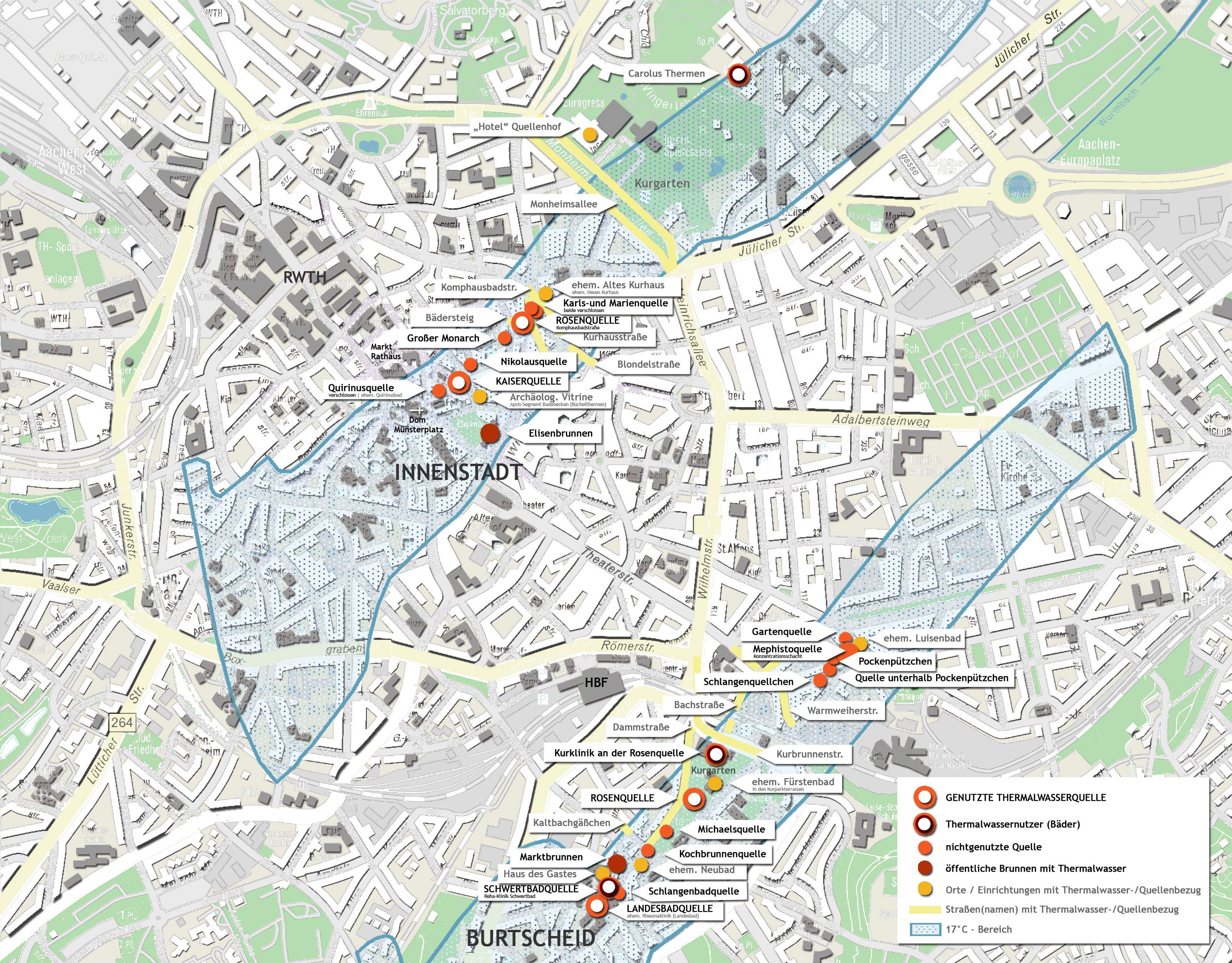
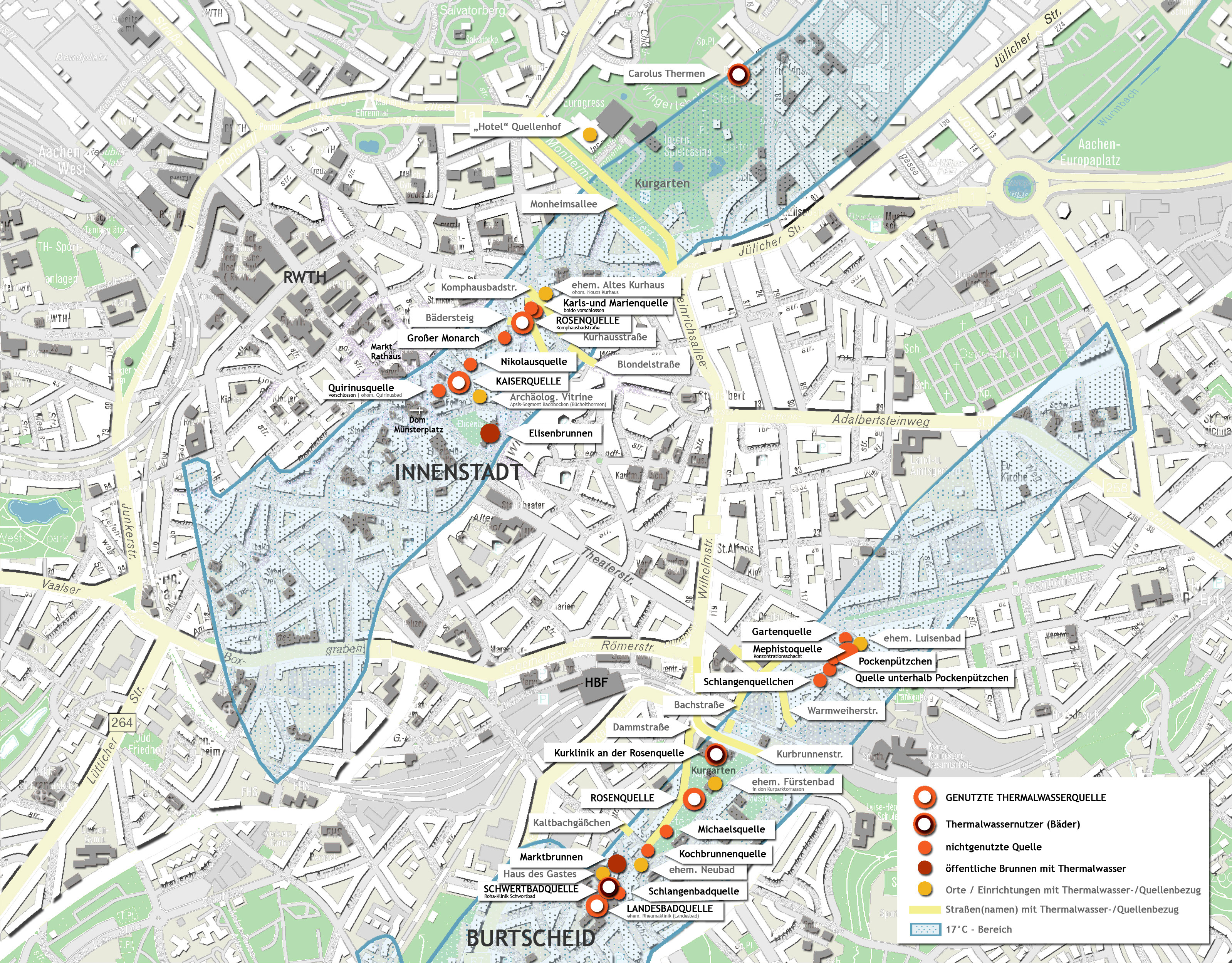
The Landesbadquellen (literally “state bath spring”) is part of the larger network of Aachener Thermalquellen – a collection of mineral-rich springs that have been celebrated since Roman times. While the exact altitude and height of the spring are not documented, its water emerges from deep underground, carrying the characteristic warmth and mineral content that have made Aachen a spa destination for centuries.
Historical Roots
Aachen’s thermal springs were first documented by the Romans, who built bathhouses to harness the therapeutic properties of the water. Over the centuries, the city’s reputation as a “spa town” grew, attracting royalty, artists, and health‑seeking pilgrims. The Landesbadquellen itself, though less prominent than the larger Aachener Quellen, played a role in the city’s municipal water supply and public bathing facilities during the 19th and early 20th centuries.
Cultural Significance
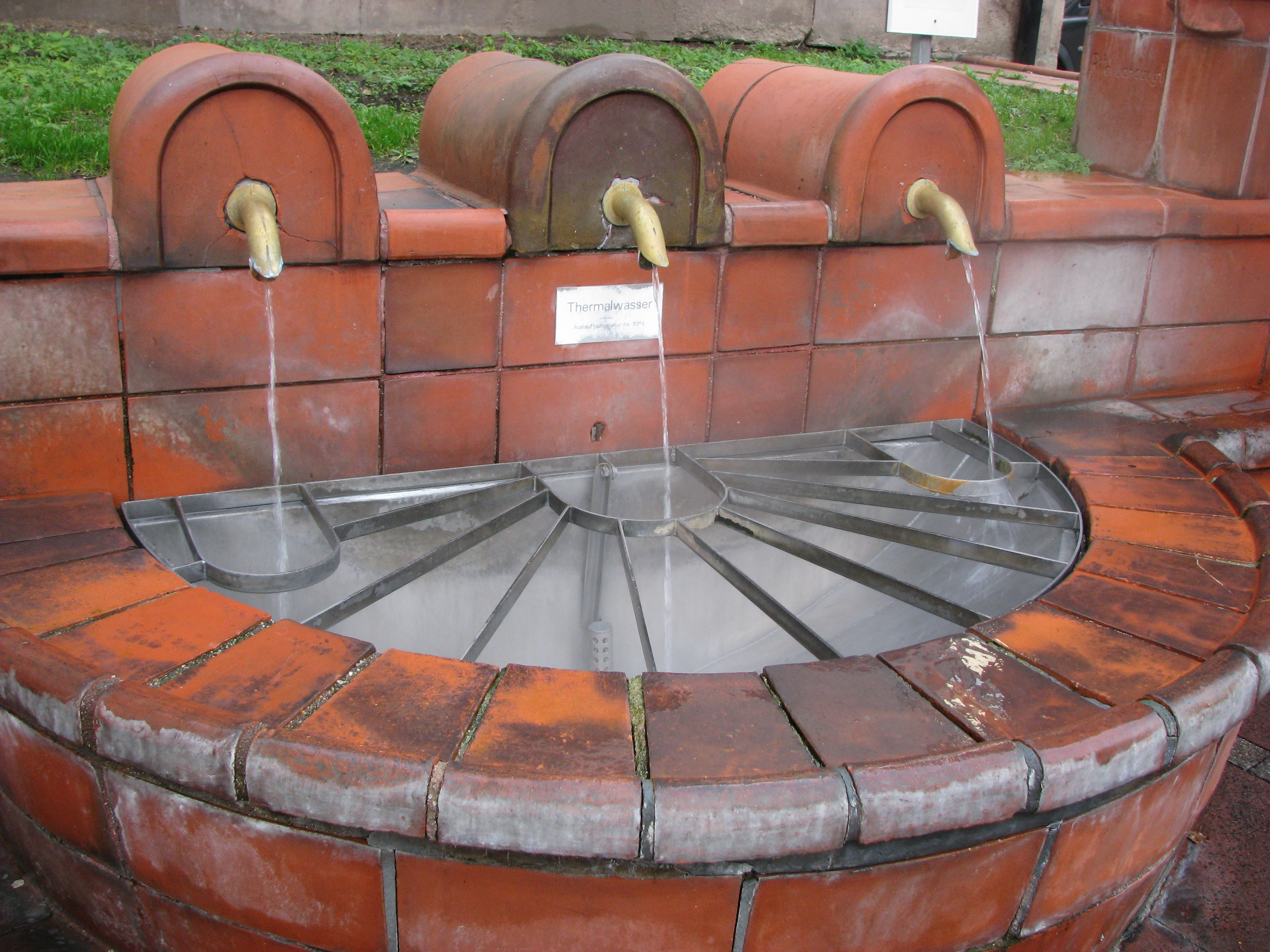
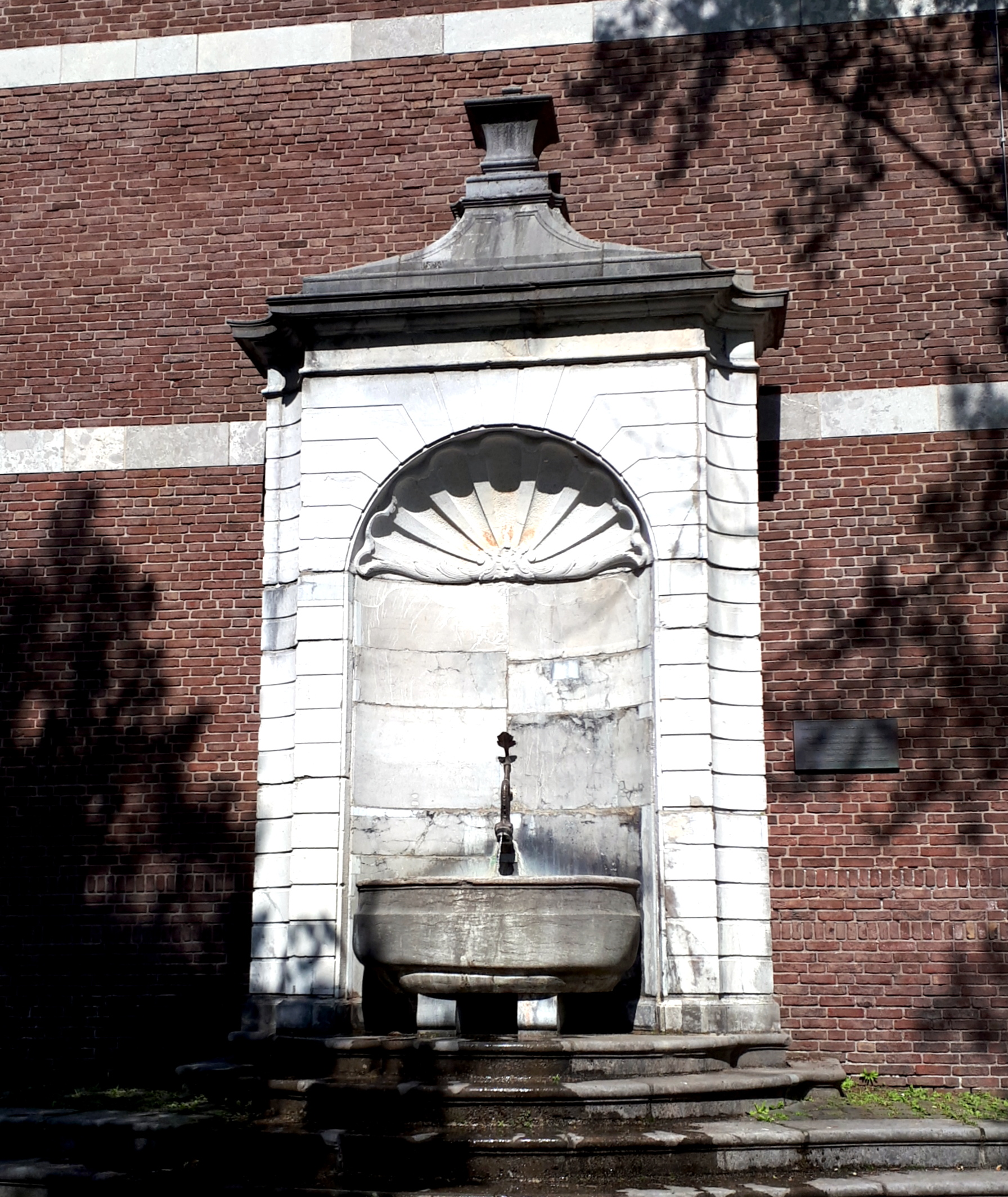
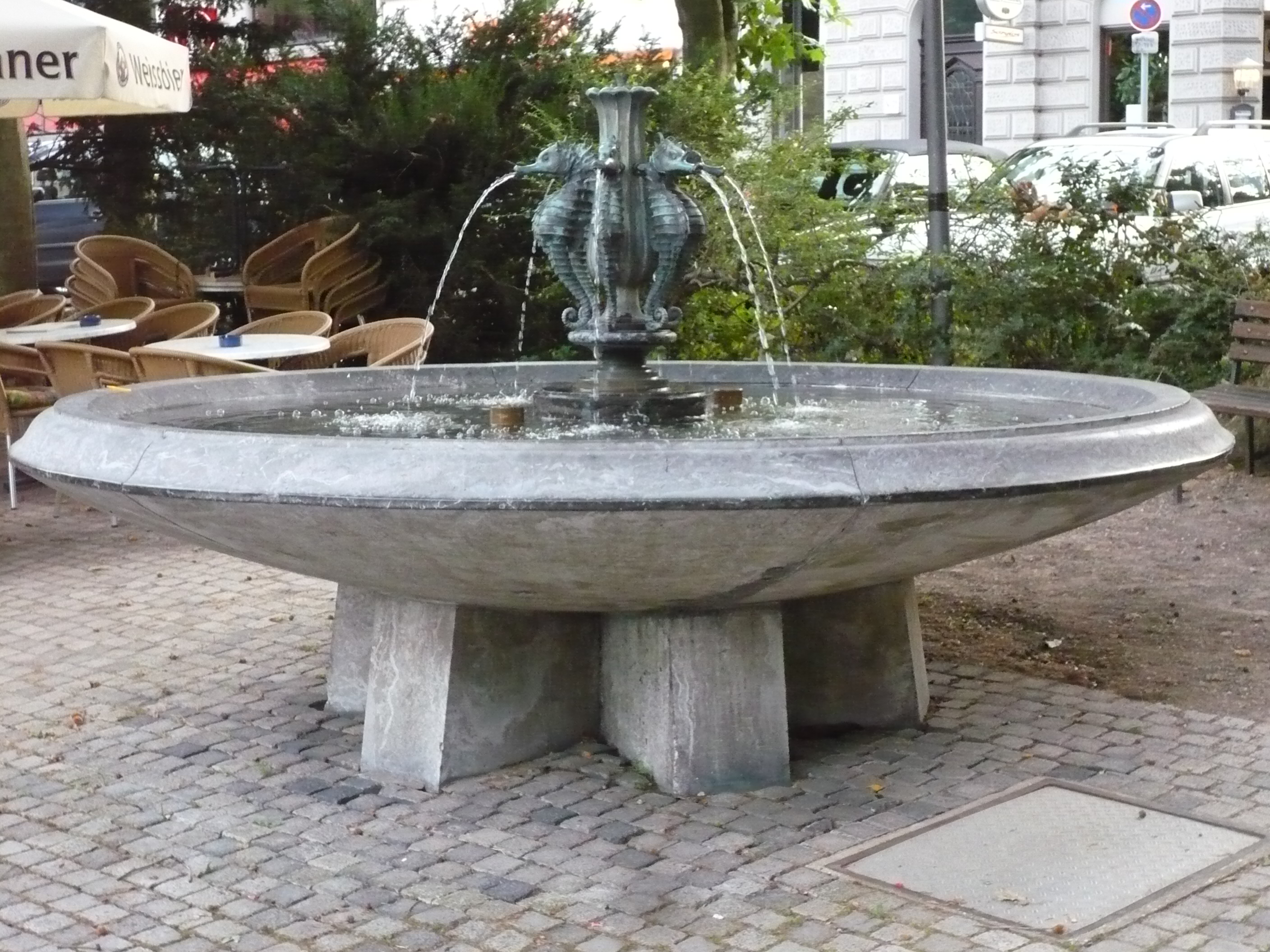
Today, the spring stands as a living reminder of Aachen’s wellness heritage. Locals still gather around the source to enjoy the cool, mineral‑laden flow, and the spring’s presence contributes to the city’s identity as a place where history and health intertwine. Its proximity to other historic fountains—like the Marktbrunnen and Couvenwandbrunnen—creates a charming “water trail” that invites visitors to explore Aachen’s hydro‑cultural landscape.
3. How to Get There
By Public Transport
- Train: Arrive at Aachen Hauptbahnhof (main station). From there, hop on tram line 1 (direction Aachen West) and alight at the Katschhof stop (≈ 5 minutes).
- Bus: Several city buses (e.g., Bus 30 or Bus 31) stop at Katschhof or Markt.
On Foot
Aachen’s historic centre is compact and pedestrian‑friendly. From the Katschhof tram stop, the Landesbadquellen is a 3‑minute walk (≈ 250 m). Follow the signs toward the Katschhof square, then look for the modest stone basin where the spring bubbles up.
By Car
If you’re driving, park in one of the public garages near the city centre—Parkhaus Katschhof or Parkhaus Rathaus—and walk the short distance to the spring. Street parking is limited, so the garages are the safest option.
Accessibility
The route to the spring is flat and paved, making it accessible for wheelchairs and strollers. The spring’s basin is at ground level, allowing easy access for all visitors.
4. Best Time to Visit
| Season | Why Visit | Weather Tips |
|---|---|---|
| Spring (Mar–May) | The city’s parks bloom, and the spring’s water feels especially invigorating after cooler months. | Light jacket; occasional rain—bring a compact umbrella. |
| Summer (Jun–Aug) | Warm days make a cool sip from the spring especially refreshing. Nearby cafés spill onto terraces, perfect for a break. | Dress in breathable layers; stay hydrated. |
| Autumn (Sep–Nov) | The foliage turns golden, and the spring’s steady flow provides a soothing contrast to crisp air. | Light sweater; early evenings can be chilly. |
| Winter (Dec–Feb) | While the water remains temperate, the quiet atmosphere offers a peaceful, almost meditative experience. | Warm coat; the spring may be partially iced over but still visible. |
Overall recommendation: Late spring to early autumn (April–October) provides the most comfortable weather for strolling between the spring and nearby attractions.
5. What to Expect
When you arrive at the Landesbadquellen, you’ll find a modest stone basin set into a historic cobblestone plaza. The water emerges clear, with a subtle mineral scent that hints at its therapeutic qualities.
- Sensory experience: The gentle sound of flowing water creates a calming backdrop, perfect for a short meditation or a quick photo session.
- Visual charm: The spring is flanked by historic façades and a few ornamental benches, offering a picturesque spot for people‑watching.
- Wellness touch: While the spring is not a commercial spa, locals often dip their hands or splash their faces, enjoying the refreshing mineral water.
Because the spring is part of a public space, there are no admission fees. Feel free to linger, take photos, or simply enjoy the quiet moment amidst Aachen’s bustling streets.
6. Nearby Attractions
A short walk from the Landesbadquellen brings you to a cluster of other historic water features and cultural sites. Here’s a quick guide:
| Attraction | Distance | What to See | Link |
|---|---|---|---|
| Landesbadquelle (spring) | 0 km (same site) | The main source of the municipal bath water. | — |
| Schlangenbadquellen (spring) | 0 km | Another historic spring known for its serpentine water channels. | — |
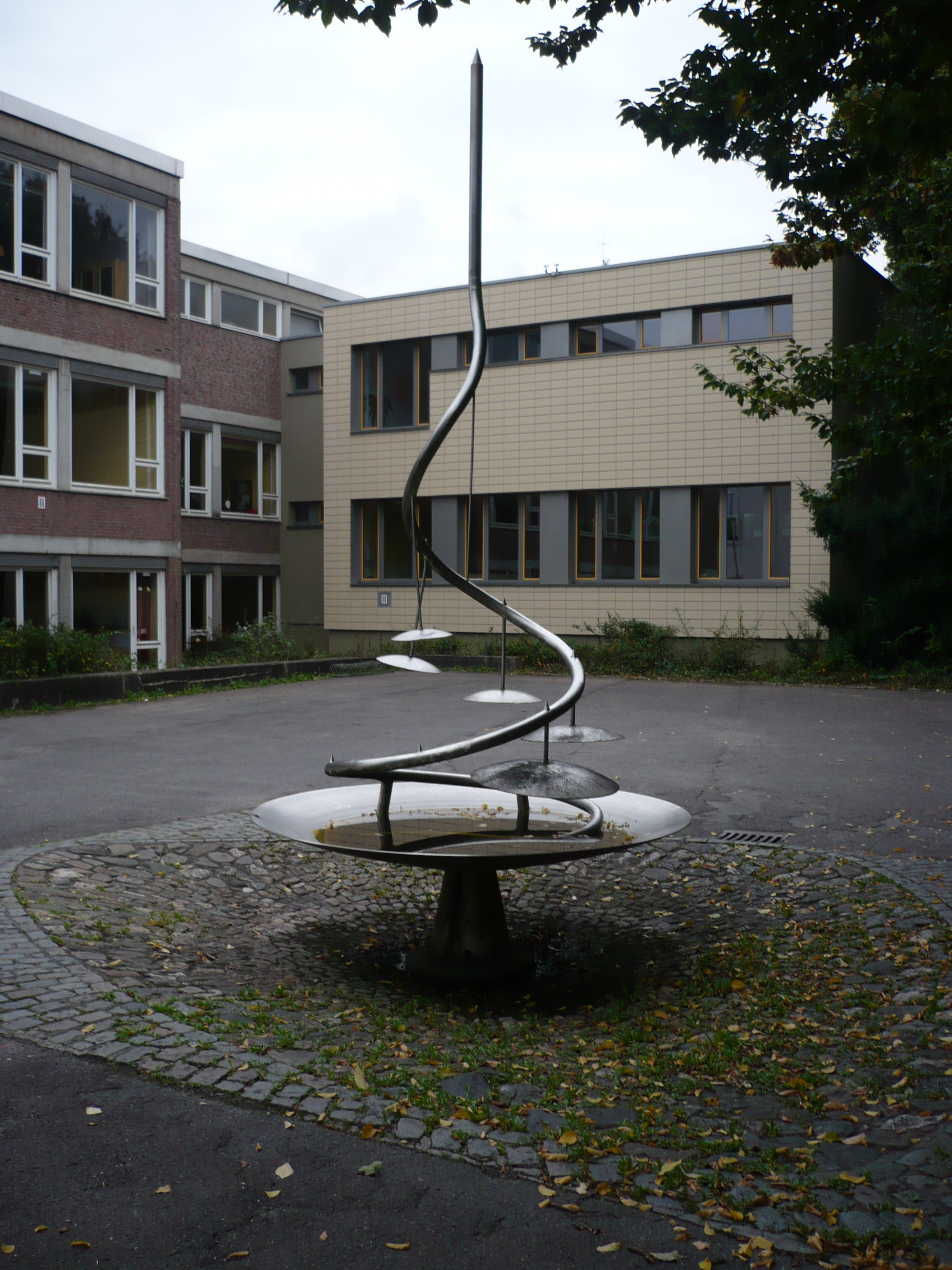
| Wasserkaskaden (fountain) | 0 km | A decorative cascade that adds a playful splash to the square. | — |
| Marktbrunnen (spring) | 0.1 km | A historic market fountain with ornate stonework. | — |
| Couvenwandbrunnen (fountain) | 0.1 km | A beautifully tiled wall fountain designed by the famed architect Johann Couven. | — |
All of these spots are within a 2‑minute walk, making it easy to create a “water trail” tour of Aachen’s historic fountains.
7. Travel Tips
- Combine with a city walk – Start at the Aachen Cathedral, head south toward the Katschhof, and finish at the Landesbadquellen. This route covers the main historic sights in under two hours.
- Bring a reusable water bottle – While the spring water is safe to taste, it’s not bottled. A bottle lets you stay hydrated while reducing waste.
- Check local events – Aachen’s cultural calendar often features open‑air concerts or markets near the Katschhof. Visiting during an event adds extra vibrancy.
- Mind the weather – In winter, the spring’s basin may have a thin layer of ice. Wear sturdy shoes to avoid slipping on the cobblestones.
- Respect the space – As a public water source, avoid littering and keep the area tidy for locals and future travelers.
- Explore the “Water Trail” – Use the nearby springs and fountains as a self‑guided tour. Many have informational plaques in German and English.
- Stay connected – Free Wi‑Fi is available at several cafés around the Katschhof; perfect for uploading those Instagram shots of the spring.
Wrap‑Up
The Landesbadquellen may not boast the grandeur of a grand spa complex, but its modest charm captures the essence of Aachen’s long‑standing relationship with water. A quick stop here offers a moment of calm, a splash of history, and a perfect springboard to explore the city’s other historic fountains and landmarks.
So, the next time you find yourself wandering the streets of North Rhine‑Westphalia, let the gentle flow of the Landesbadquellen guide you to a truly authentic Aachen experience.
Happy travels, and may the waters of Aachen refresh your journey!