Discover the Hidden Gem of Königswinter: Kurfürstenquelle Spring
If you’re wandering the rolling hills of North Rhine‑Westphalia and crave a quiet spot where nature whispers its own story, the Kurfürstenquelle is the perfect place to pause, sip, and soak in a slice of German history.
1. Introduction
Nestled just outside the charming town of Königswinter, the Kurfürstenquelle (literally “Elector’s Spring”) may not appear on the usual tourist maps, but it’s a sparkling secret that draws hikers, history buffs, and anyone looking for a tranquil water‑filled oasis. With crystal‑clear water bubbling from the earth at coordinates 50.680998, 7.156830, this modest spring offers more than a refreshing sip—it provides a glimpse into the region’s cultural heritage and a natural backdrop for unforgettable photos.
Whether you’re planning a day trip from Cologne, a weekend adventure from Bonn, or a leisurely walk along the Rhine’s north‑bank trails, the Kurfürstenquelle deserves a spot on your itinerary.
2. About Kurfürstenquelle
A Brief Description
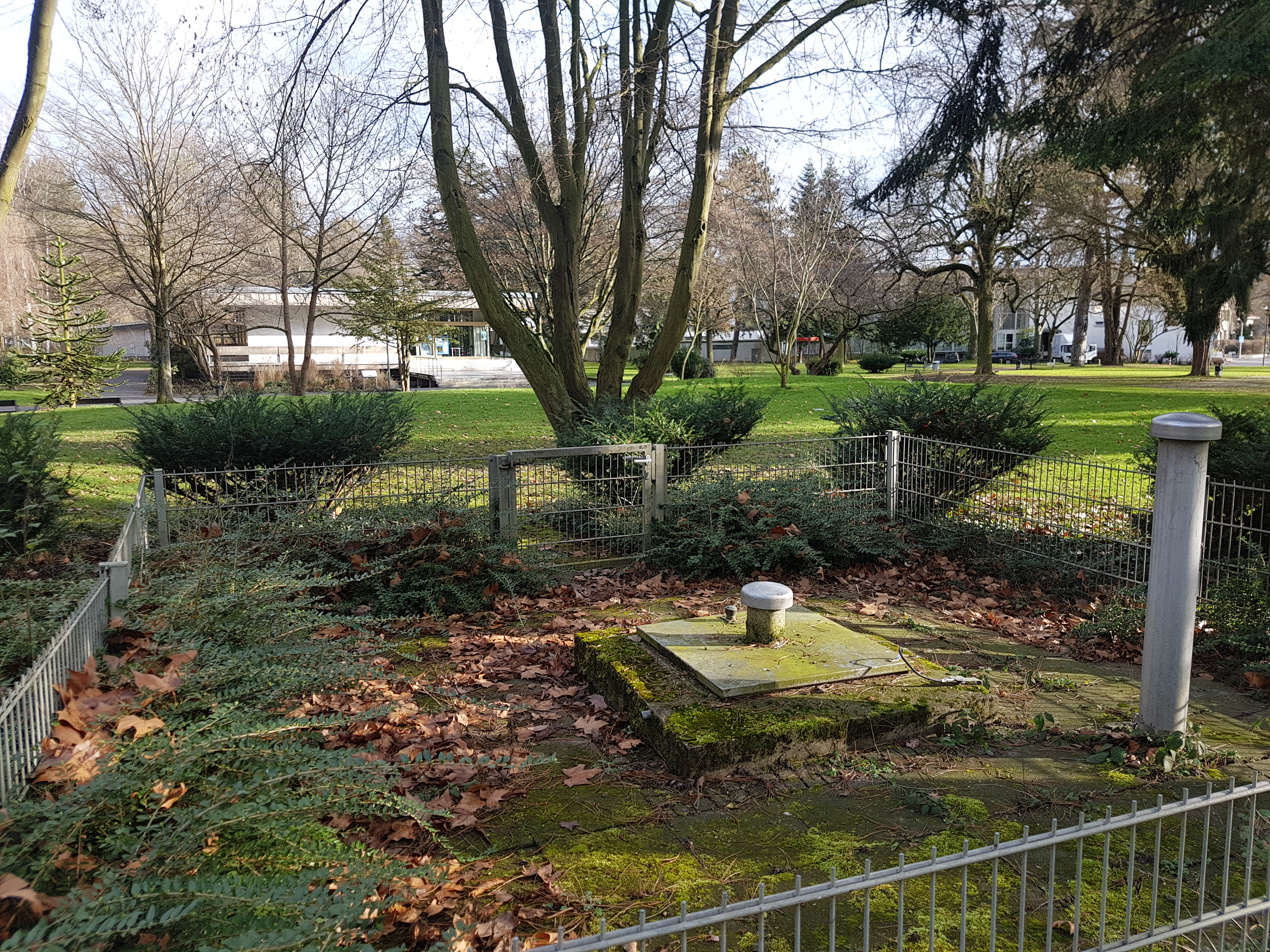
The Kurfürstenquelle is a natural spring located in the municipality of Königswinter, within the state of North Rhine‑Westphalia, Germany. While the exact altitude and height of the spring remain undocumented, its modest flow creates a small, serene pool surrounded by mixed forest and meadowland. The water is known locally for its purity and subtle mineral taste—a reminder of the ancient underground aquifers that feed the Rhine valley.
Historical Roots
The name “Kurfürstenquelle” harks back to the era of the Electors of the Holy Roman Empire, who once owned large swaths of land in the Rhineland. According to the German‑language Wikipedia entry, the spring was historically linked to the Bad Godesberg area, suggesting that the water may have been prized by regional nobility for its reputed health benefits. Over the centuries, locals have used the spring for drinking, livestock, and small‑scale irrigation, preserving its role as a community lifeline.
Why It Matters
In a world dominated by polished tourist attractions, the Kurfürstenquelle stands out as a cultural touchstone that connects modern visitors with centuries‑old traditions of reverence for natural water sources. It also serves as an ecological micro‑habitat, supporting mosses, ferns, and a variety of insects that thrive in the moist environment. For hikers trekking the Rheinsteig or Königswinter’s forest trails, the spring offers a natural rest stop that feels both historic and untouched.
3. How to Get There
By Car
- From Cologne: Take the A59 north toward Bonn, exit at Königswinter (exit 12). Follow signs for Königswinter town centre, then head east on Königstraße. The spring is located a short distance from the main road—look for signage pointing to local nature trails.
- Parking: Small public parking spots are available near the Königswinter train station and along the Königstraße. From there, it’s a 10‑minute walk to the spring.
By Public Transport
- Train: The Rhine-Ruhr S-Bahn line S23 stops at Königswinter station (approx. 30 min from Cologne Hauptbahnhof).
- Bus: Local bus line VRS 141 runs from Königswinter station to the Königswinter‑Klein‑Weiden stop, which is within a 5‑minute walk of the spring.
On Foot or Bike
The spring is part of a network of well‑marked hiking and cycling routes that wind through the Siebengebirge (Seven Hills) region. From the Rheinsteig trail, a short detour eastward leads directly to the Kurfürstenquelle. Cyclists can follow the Rheinufer Radweg (Rhine River bike path) and turn onto the local forest road marked “Quelle”.
4. Best Time to Visit
| Season | What to Expect | Why It’s Ideal |
|---|---|---|
| Spring (April‑May) | Fresh foliage, budding wildflowers, moderate temperatures (10‑18 °C). | The spring’s water is at its clearest, and the surrounding forest bursts into color—perfect for photography. |
| Summer (June‑August) | Warm days (20‑25 °C), longer daylight hours. | Ideal for a leisurely picnic beside the spring; the water provides a cool contrast to the heat. |
| Autumn (September‑October) | Golden leaf carpet, crisp air (8‑15 °C). | The tranquil atmosphere is heightened by the rustling leaves, making it a meditative spot. |
| Winter (November‑March) | Quiet, occasional snow, cooler temps (0‑5 °C). | While the flow may be slower, the winter hush offers a unique, almost mystical experience. |
Tip: The spring is accessible year‑round, but late spring to early autumn provides the most comfortable weather for walking and outdoor activities.
5. What to Expect
Arriving at the Kurfürstenquelle, you’ll first notice the gentle murmur of water emerging from a stone‑lined basin. The spring’s pool is modest—just large enough to dip a hand or fill a reusable bottle. The surrounding area is a miniature forest clearing, dotted with ferns, moss-covered rocks, and occasional wild strawberries.
- Sensory Experience: The air carries a faint mineral scent, while the sound of flowing water creates a natural white‑noise backdrop—perfect for meditation or a moment of quiet reflection.
- Photography: Look for low‑angle shots that capture the water’s sparkle against the dark stone, or wide‑angle frames that include the forest canopy. Early morning light filters through the trees, casting soft, dappled patterns on the water.
- Wildlife: Expect to see small birds (e.g., chaffinches, tits) flitting nearby, as well as insects like dragonflies that hover above the surface.
Because the spring is unmanaged and natural, there are no built‑in facilities such as restrooms or cafés. However, the simplicity is part of its charm—bring a small snack, a water bottle, and a reusable cup if you’d like to taste the spring water (always check local advisories for water safety).
6. Nearby Attractions
While the Kurfürstenquelle is the star of the show, the surrounding 0.3 km radius hosts several quaint fountains and points of interest that add layers to your visit:
- Fountain (0.1 km) – A small decorative fountain located along the main trail, perfect for a quick photo stop.
- Knabe an der Quelle (0.2 km) – A historic stone sculpture of a boy by the water, often highlighted in local walking guides.
- Additional Fountains (0.2‑0.3 km) – A cluster of historic fountains that once supplied the nearby village; each bears unique carvings and plaques describing their origins.
For more details on each fountain, you can explore the local tourism website or search “Königswinter fountains” on Wikipedia.
Beyond the fountains, consider extending your day with these must‑see spots in Königswinter:
- Drachenfels – The iconic “Dragon’s Rock” offers panoramic views of the Rhine and can be reached via a short hike or historic cog railway.
- Siebengebirge Nature Park – A protected area of rolling hills, forests, and vineyards, ideal for longer trekking routes.
- Königswinter Old Town – Stroll the cobbled streets, sample regional specialties like Rheinischer Sauerbraten, and browse boutique shops.
7. Travel Tips
- Pack Light, Pack Smart – A small backpack with a water bottle, snacks, a map (or offline GPS app), and a light rain jacket will keep you comfortable.
- Footwear – Sturdy walking shoes or hiking boots with good grip are recommended, especially after rain when the forest floor can be slippery.
- Respect the Environment – The spring is a protected natural source. Avoid leaving litter, and refrain from washing clothes or dishes directly in the water.
- Timing – Arrive early on weekends to beat the small crowds that gather for picnics. Sunrise visits offer magical lighting for photography.
- Safety – While the water is generally safe to taste, always check local signage for any advisories about water quality, especially after heavy rain.
- Connectivity – Mobile reception can be spotty in the forest; download offline maps beforehand.
- Seasonal Gear – In winter, wear layered clothing and waterproof boots; the trail may be icy near the water’s edge.
- Local Cuisine – After your spring visit, treat yourself to a meal at a traditional Königswinter Gasthaus. Try the Rheinischer Apfelwein paired with a hearty Sauerbraten.
Bottom Line
The Kurfürstenquelle may be modest in size, but its blend of natural beauty, historic resonance, and peaceful ambiance makes it a standout stop for any traveler exploring North Rhine‑Westphalia. Whether you’re a seasoned hiker, a history enthusiast, or simply someone looking for a quiet spot to unwind, this hidden spring offers a refreshing pause on the road to the Rhine’s most celebrated vistas.
Plan your visit, follow the trail, and let the gentle flow of the Kurfürstenquelle inspire your next adventure.