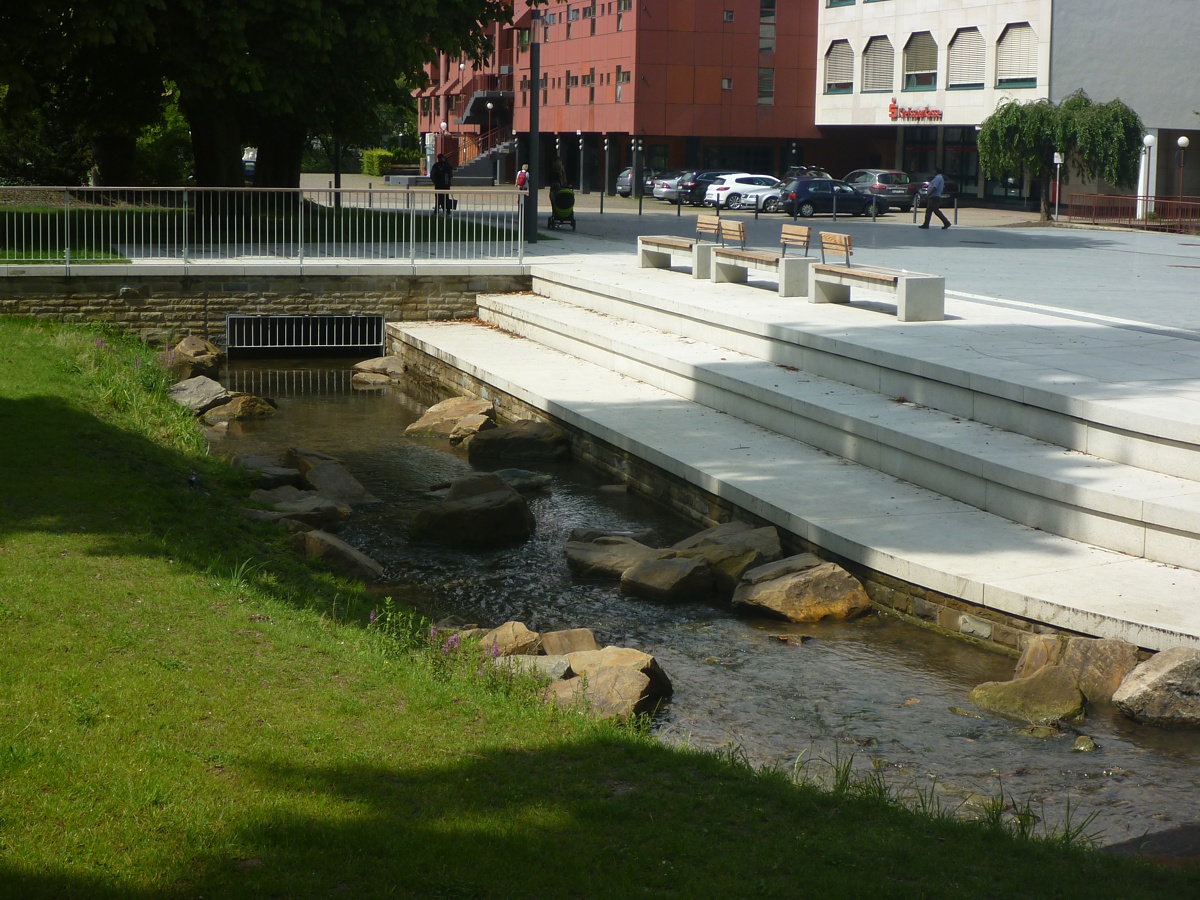
Discover Karstquelle Strunde – A Hidden Gem in Bergisch Gladbach, North Rhine‑Westphalia
If you think Germany’s natural wonders are limited to the Alps or the Baltic coast, think again. Nestled in the rolling hills of Bergisch Gladbach, the Karstquelle Strunde offers a tranquil escape into crystal‑clear water, lush forest, and the quiet charm of a true karst spring. Whether you’re a seasoned hiker, a family on a weekend outing, or a curious traveler seeking off‑the‑beaten‑path experiences, this spring is a must‑visit destination in North Rhine‑Westphalia.
About Karstquelle Strunde
What Is a Karst Spring?
A karst spring forms where underground water, filtered through soluble limestone, resurfaces at the surface. The result is often a steady, cool flow of mineral‑rich water that creates a unique micro‑habitat for plants and insects. Karstquelle Strunde exemplifies this natural phenomenon, delivering clear, bubbling water that feeds the nearby Strunde stream.
Location & Setting
- Name: Karstquelle Strunde
- Type: Spring 💧
- Municipality: Bergisch Gladbach, North Rhine‑Westphalia, Germany
- Coordinates: 51.007776 N, 7.183012 E
Set amid a gently forested valley, the spring is surrounded by mixed deciduous woods, limestone outcrops, and well‑marked walking trails. While the exact height and altitude of the spring are not officially recorded, the surrounding landscape sits at typical elevations for the Bergisches Land region—roughly 150–250 m above sea level—providing a pleasant, moderate climate year‑round.
Historical & Cultural Significance
Karstquelle Strunde has long been a water source for local communities and a focal point for nature lovers. The spring’s name appears in regional records and the German Wikipedia entry for Strunde, highlighting its role in the watershed that shapes the local ecology. Though the spring itself is modest in size, it is part of a larger karst system that has shaped settlement patterns, agriculture, and recreation in the Bergisch Gladbach area for centuries.
How to Get There
By Public Transport
- Train: Take a regional train (RE/RB) to Bergisch Gladbach Hauptbahnhof. Trains from Cologne (Köln) or Düsseldorf run frequently (approximately every 30 minutes).
- Bus: From the station, board Bus Line 720 toward Bensberg and alight at the Strunde stop (approx. 10 minutes). The bus stop is within a short walking distance of the trailhead.
By Car
- From Cologne: Follow the A4 eastbound, exit at Bergisch Gladbach (Exit 35). Follow signs for Bensberg and then Strunde. Parking is available at the designated trailhead lot near the Strunde Waldweg (forest road).
- From Düsseldorf: Take the A3 south, switch to the A4 east at Neuss, and continue as above.
On Foot or Bike
The spring is a popular segment of the Bergisches Land Hiking Network. Well‑marked red‑white waymarkers guide walkers and cyclists from the town center, Bensberg, or neighboring villages. The route from the Bensberg train station to the spring is about 3 km and mostly flat—ideal for families and casual cyclists.
Best Time to Visit
| Season | Why Visit? | What to Expect |
|---|---|---|
| Spring (April‑June) | Fresh foliage, blooming wildflowers, and higher water flow from snow melt. | Mild temperatures (10‑18 °C), vibrant colors, excellent photo opportunities. |
| Summer (July‑August) | Long daylight hours and warm weather perfect for picnics. | Slightly warmer (18‑24 °C). The spring remains cool, offering a refreshing contrast. |
| Autumn (September‑October) | Golden forest canopy and quieter trails. | Comfortable temps (12‑18 °C) and crisp air; ideal for tranquil walks. |
| Winter (November‑March) | Quiet, serene landscape; occasional frost creates magical ice‑covered rocks. | Cooler (0‑8 °C). The spring may be partially frozen, creating a stunning icy tableau. |
Tip: The spring’s water flow is most vigorous in early spring and after heavy rains, making the sound of bubbling water especially enchanting.
What to Expect
Sensory Experience
- Sight: Crystal‑clear water bubbling from a limestone fissure, framed by moss‑draped stones and dappled sunlight filtering through the canopy.
- Sound: A gentle, continuous murmur as water emerges—perfect background for meditation or quiet conversation.
- Touch: The water is refreshingly cool (around 8‑10 °C year‑round). Feel free to dip your fingers or, if you’re adventurous, take a brief splash (respect local signage).
- Smell: Fresh, earthy aromas of wet stone and pine needles fill the air, especially after rain.
Trail Highlights
- Short Loop (1 km): A loop that circles the spring, passing through a small meadow where you can spot native wildflowers such as Primula veris and Caltha palustris.
- Extended Hike (5 km): Continue northward to the Strunde Valley, where the spring feeds a gentle stream that eventually joins the Morsbach river.
Wildlife
The karst environment supports a range of amphibians (e.g., common frog, fire salamander) and insects like dragonflies. Birdwatchers may spot the Eurasian wren, great tit, and occasional European robin perched among the low branches.
Nearby Attractions
Karstquelle Strunde sits within a cluster of natural springs and scenic spots, making it an excellent base for a day of exploration. Below are the closest points of interest (all within a 1.5 km radius). Click the links for more details or navigation directions.
| Distance | Attraction | Description |
|---|---|---|
| 0.9 km | Nearby Spring A | A small karst spring feeding a shallow creek—great for a quick photo stop. |
| 1.2 km | Nearby Spring B | Slightly larger spring surrounded by a rocky outcrop, ideal for geology enthusiasts. |
| 1.2 km | Nearby Spring C | A tranquil water source nestled in a meadow, perfect for a picnic. |
| 1.4 km | Nearby Spring D | Known for its crystal‑clear pool; often visited by local families. |
| 1.4 km | Nearby Spring E | A historic spring mentioned in regional folklore, with informational signage. |
While the exact names of these springs are not widely published, they are marked on local trail maps and can be located using the coordinates above or a quick search on the Bergisches Land hiking app.
Travel Tips
- Footwear: Wear sturdy, waterproof hiking shoes. The trail can be slick near the spring, especially after rain.
- Timing: Arrive early on weekends (especially in summer) to avoid crowds and secure a good spot for photos.
- Leave No Trace: Pack out all trash, stay on marked paths, and avoid disturbing the delicate limestone formations.
- Safety: The water is cold; avoid prolonged immersion, especially for children. Keep an eye on any signage about water depth or flow changes.
- Photography: The best light is early morning or late afternoon when the sun filters through the canopy, creating soft shadows and sparkling reflections on the water.
- Food & Drink: Bring a picnic, but store food in sealed containers to prevent attracting wildlife. There are no on‑site vending facilities.
- Connectivity: Mobile reception can be spotty in the forest; consider downloading offline maps (e.g., Komoot, AllTrails) beforehand.
- Seasonal Gear: In winter, wear layered clothing and consider waterproof gloves if you plan to touch the spring.
Final Thought
Karstquelle Strunde may not appear on the typical tourist itineraries, but that’s exactly why it shines. It offers an authentic slice of North Rhine‑Westphalia’s natural heritage—clear water, quiet woods, and the subtle thrill of discovering a hidden spring. Pack your walking shoes, bring a sense of curiosity, and let the gentle sound of bubbling water guide you through one of Bergisch Gladbach’s most serene landscapes.
Happy travels, and may the spring’s cool mist refresh your spirit!