Hühnerdieb Fountain – Aachen’s Quirky Water Jewel
If you think you’ve seen every fountain in Germany, think again. Nestled in the historic heart of Aachen, the Hühnerdieb fountain (literally “chicken thief”) is a tiny yet unforgettable piece of public art that captures the playful spirit of North Rhine‑Westphalia. Whether you’re a seasoned traveler, a fountain‑enthusiast, or simply wandering the streets of Aachen, this hidden gem deserves a spot on your itinerary.
1. Introduction
Imagine strolling through Aachen’s cobblestone lanes, the scent of freshly baked Aachener Printen drifting from a nearby bakery, when a glint of water catches your eye. There, tucked between centuries‑old buildings, sits the Hühnerdieb fountain – a modest stone basin crowned by a whimsical bronze chicken‑shaped figure. Its name sparks curiosity, its water soothes the summer heat, and its location puts you within a stone’s throw of the city’s most iconic sights. In short, Hühnerdieb is the perfect blend of history, art, and local charm that makes Aachen a must‑visit destination in North Rhine‑Westphalia.
2. About Hühnerdieb
What Is Hühnerdieb?
- Type: Public fountain
- Location: Aachen, North Rhine‑Westphalia, Germany
- Coordinates: 50.775799 N, 6.084556 E
The fountain’s name, Hühnerdieb, translates to “chicken thief.” While the exact origin of the name is not documented in official records, local lore suggests the figure may reference a medieval prankster or a symbolic guardian protecting the market’s poultry stalls. The modest size of the fountain—its height and altitude are not publicly listed—adds to its intimate, almost secret‑garden feel.
A Brief Historical Snapshot
The Hühnerdieb fountain is part of Aachen’s rich tradition of public waterworks that date back to the Roman era, when the city (then Aquisgranum) was famed for its thermal springs. Over the centuries, fountains served both practical and decorative purposes, providing fresh water to residents while showcasing the city’s artistic flair. Although specific construction dates for Hühnerdieb are scarce, the fountain fits seamlessly into the 19th‑ and early‑20th‑century wave of ornamental fountains that dotted German town squares.
Why It Matters
- Cultural Symbol: The playful name and design reflect Aachen’s love for humor and community storytelling.
- Urban Oasis: In a bustling historic center, the fountain offers a quiet spot to pause, listen to the gentle splash, and people‑watch.
- Photographic Highlight: Its unique chicken motif makes it a favorite subject for Instagrammers and travel bloggers hunting off‑the‑beaten‑path visuals.
3. How to Get There
By Train
- Aachen Hauptbahnhof (main station) is a major hub on the ICE, Thalys, and regional lines from Cologne, Düsseldorf, and Brussels.
- From the station, the Hühnerdieb fountain is a 10‑minute walk (≈800 m). Head south on Bahnhofstraße, turn left onto Katschhof, then follow the signs toward the Markt (market square). The fountain sits just off the main pedestrian zone.
By Bus
- Local bus lines 1, 2, 5, and 7 stop at Aachen Rathaus (city hall) – a 2‑minute walk to the fountain.
- Ticket prices start at €2.80 for a single ride (as of 2024). Consider a day pass if you plan to hop between attractions.
By Car
- Parking in the historic center is limited, but several Park‑&‑Ride facilities (e.g., Parkhaus Am Hauptbahnhof) offer short‑term rates. From there, walk or take a short tram ride (line 1) to the city center.
- If you’re driving from the A44 or A544, follow signs for Aachen Innenstadt and look for the St. Nikolaus area – the fountain is just a few blocks away.
By Bike or On Foot
- Aachen is a bike‑friendly city with dedicated lanes. The Aachen Cycle Route passes near the fountain, making it an easy stop for cyclists.
- For walkers staying in the Old Town, the fountain is within a comfortable 5‑minute stroll from most hotels, cafés, and the Aachener Dom (Aachen Cathedral).
4. Best Time to Visit
| Season | Why It Works | Tips |
|---|---|---|
| Spring (April‑May) | Mild temperatures, blooming gardens around the fountain, fewer crowds than summer peak. | Bring a light jacket; the water may be chilly. |
| Summer (June‑August) | Warm weather makes the fountain’s cool mist especially refreshing. Ideal for photo‑shoots in golden light. | Arrive early (before 10 am) to avoid the midday tourist rush. |
| Autumn (September‑October) | Soft, golden light enhances the bronze chicken; the surrounding market square hosts seasonal fairs. | Pack a warm scarf; evenings can be brisk. |
| Winter (November‑March) | The fountain takes on a quiet, almost magical vibe when dusted with a light frost. Less foot traffic means peaceful contemplation. | Check local weather; the water may be turned off during extreme cold, but the sculpture remains viewable. |
Overall recommendation: Late spring (mid‑May) and early autumn (early September) strike the perfect balance of pleasant weather, vibrant surroundings, and manageable crowds.
5. What to Expect
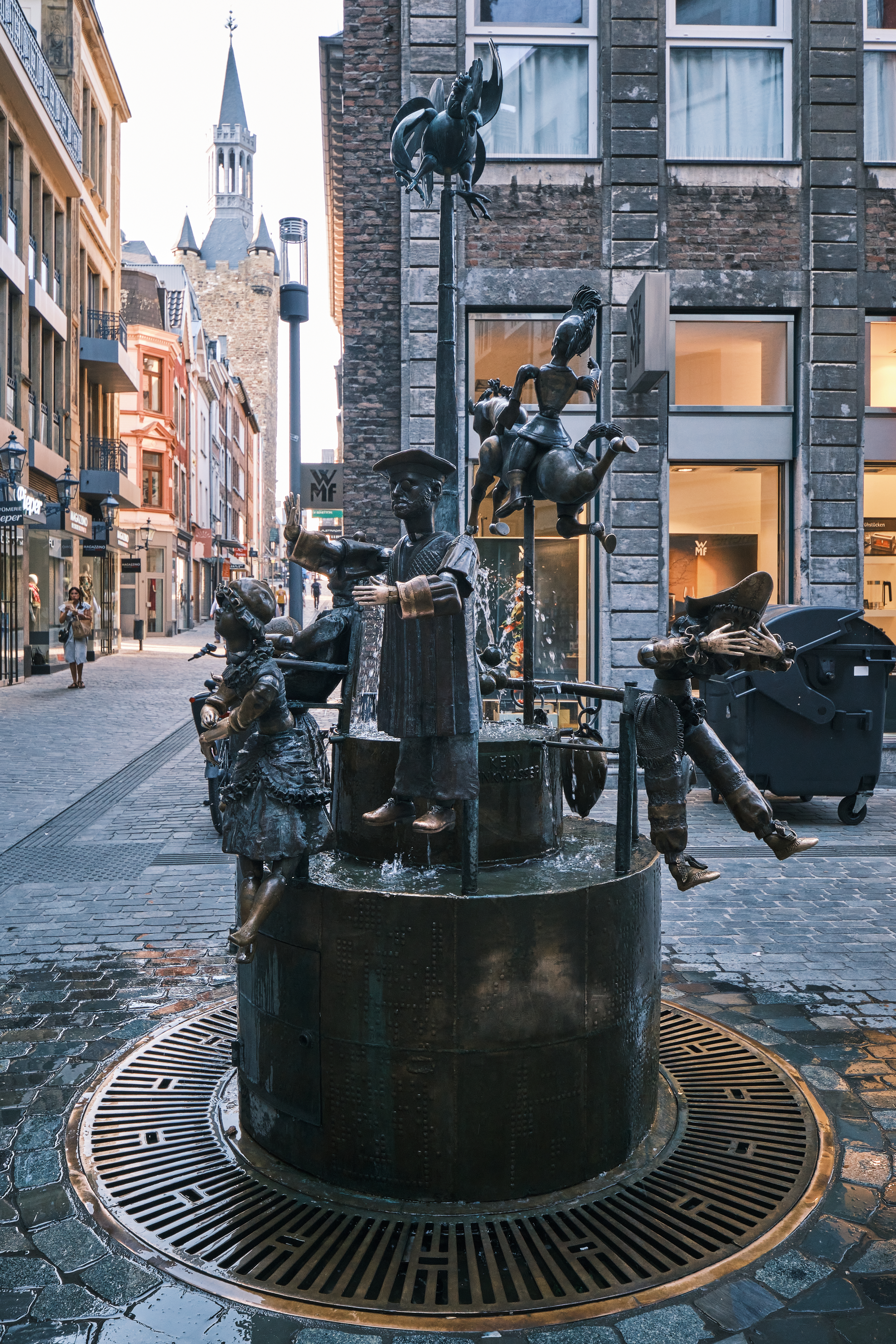
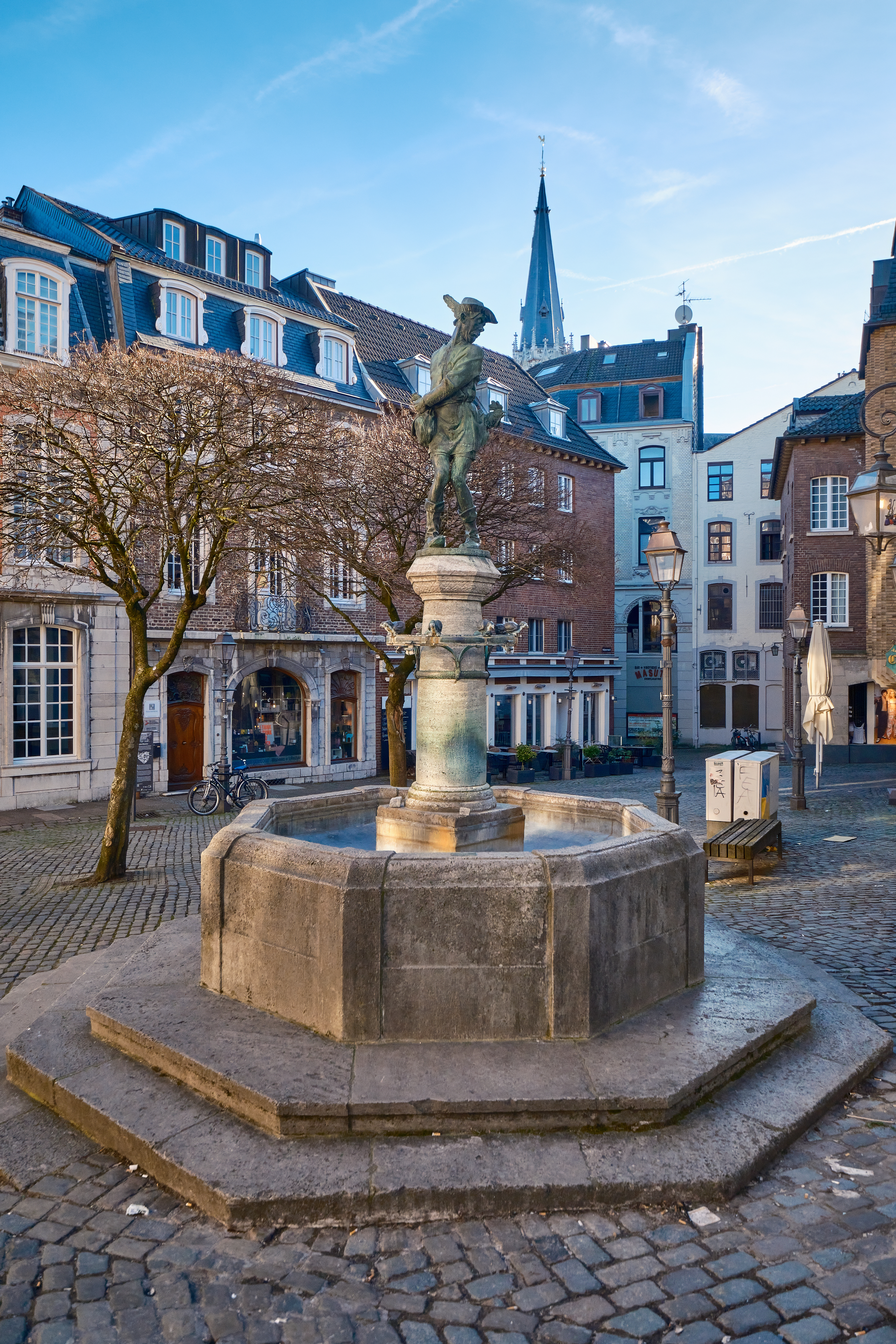
When you arrive at Hühnerdieb, you’ll find a modest stone basin set into the cobblestones of Aachen’s historic market area. At its center, a bronze chicken—stylized yet unmistakably avian—perches atop a small pedestal, its beak open as if mid‑call. Water gently arcs from its beak, cascading into the basin below, creating a soft, rhythmic sound that blends with the chatter of nearby cafés and street musicians.
- Atmosphere: The fountain exudes a relaxed, almost whimsical vibe. Locals often gather here for a quick coffee break, while tourists pause for a selfie with the “chicken thief.”
- Accessibility: The basin is level with the surrounding pavement, making it wheelchair‑friendly. The surrounding area is flat and well‑lit, ensuring safe navigation day or night.
- Surrounding Amenities: Within a few meters, you’ll find benches, a small kiosk selling Aachener Printen, and the Marktplatz where weekly farmers’ markets take place.
Take a moment to sit, listen to the water, and watch the world go by. The fountain’s modest scale invites contemplation—perfect for a brief meditation or a quick sketch if you’re artistically inclined.
6. Nearby Attractions
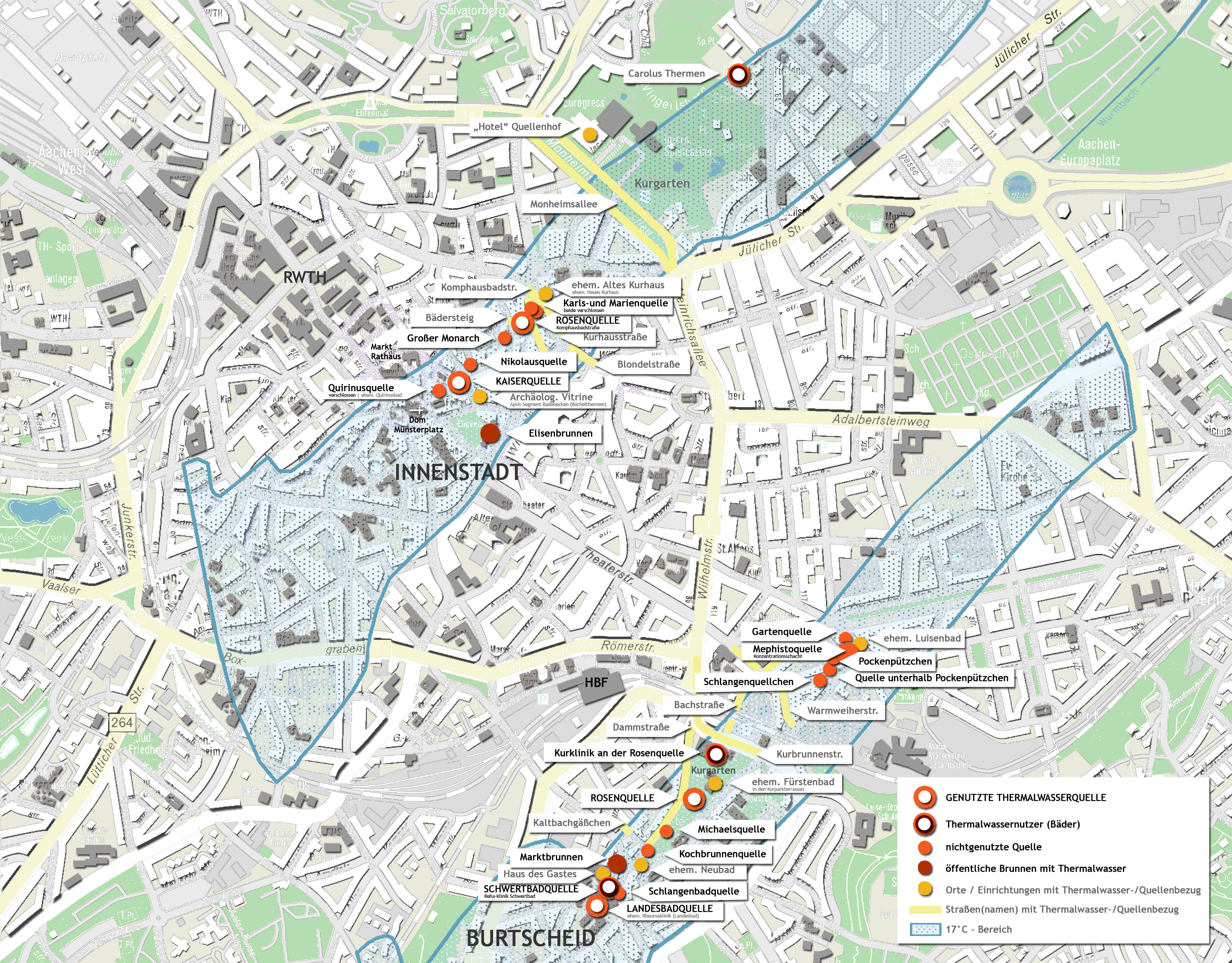
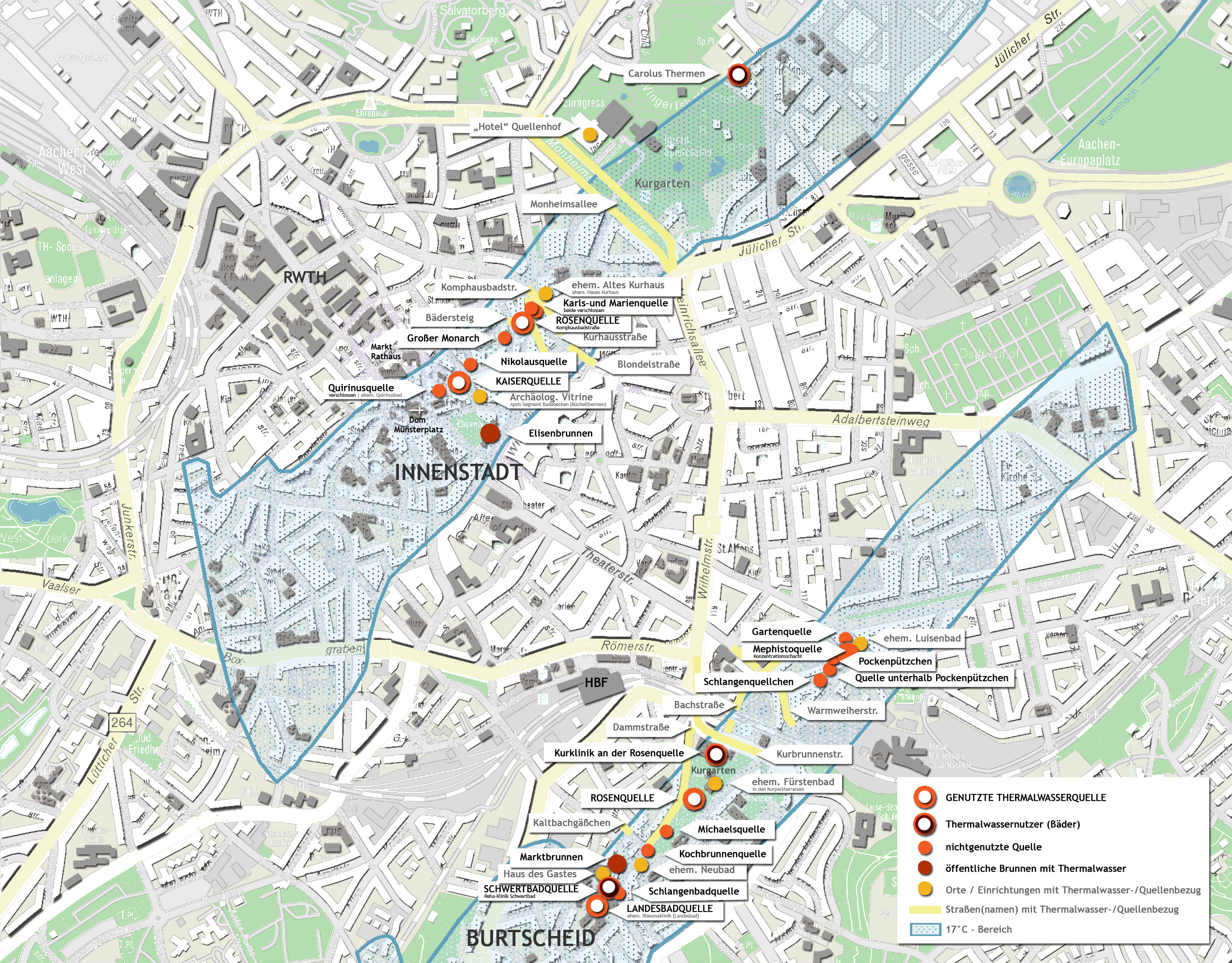
Hühnerdieb is part of a cluster of historic fountains and springs that turn the Aachen city center into an open‑air water museum. All are within a 0.1 km radius, making it easy to hop from one to another.
| Attraction | Type | Distance | Why Visit |
|---|---|---|---|
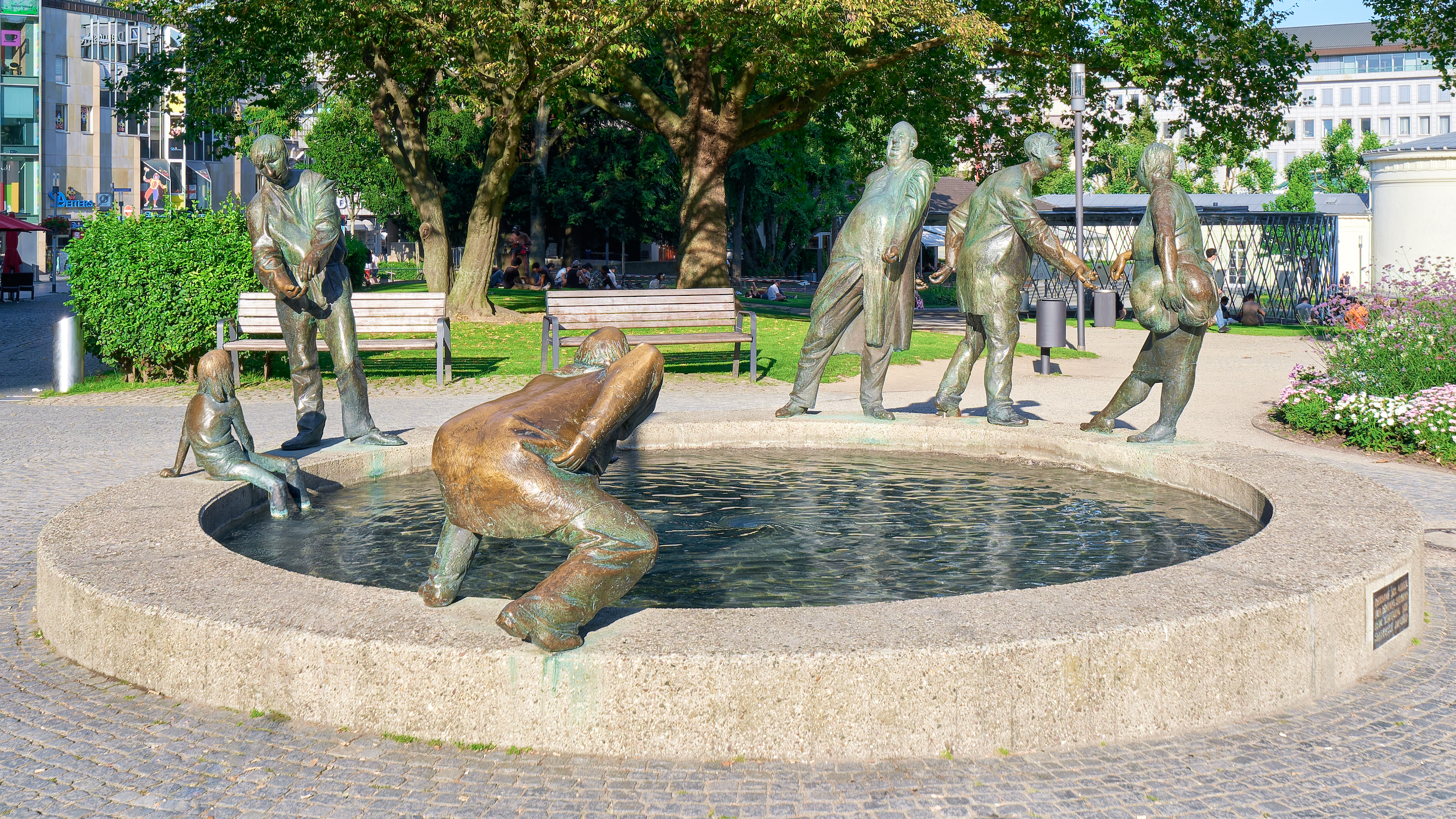
| Puppenbrunnen | Fountain | 0.1 km | A charming “Doll Fountain” featuring delicate figurines—great for family photos. |
| Kaiserquelle | Spring | 0.1 km | Historically supplied water to the imperial palace; a quiet spot to sip (if allowed). |
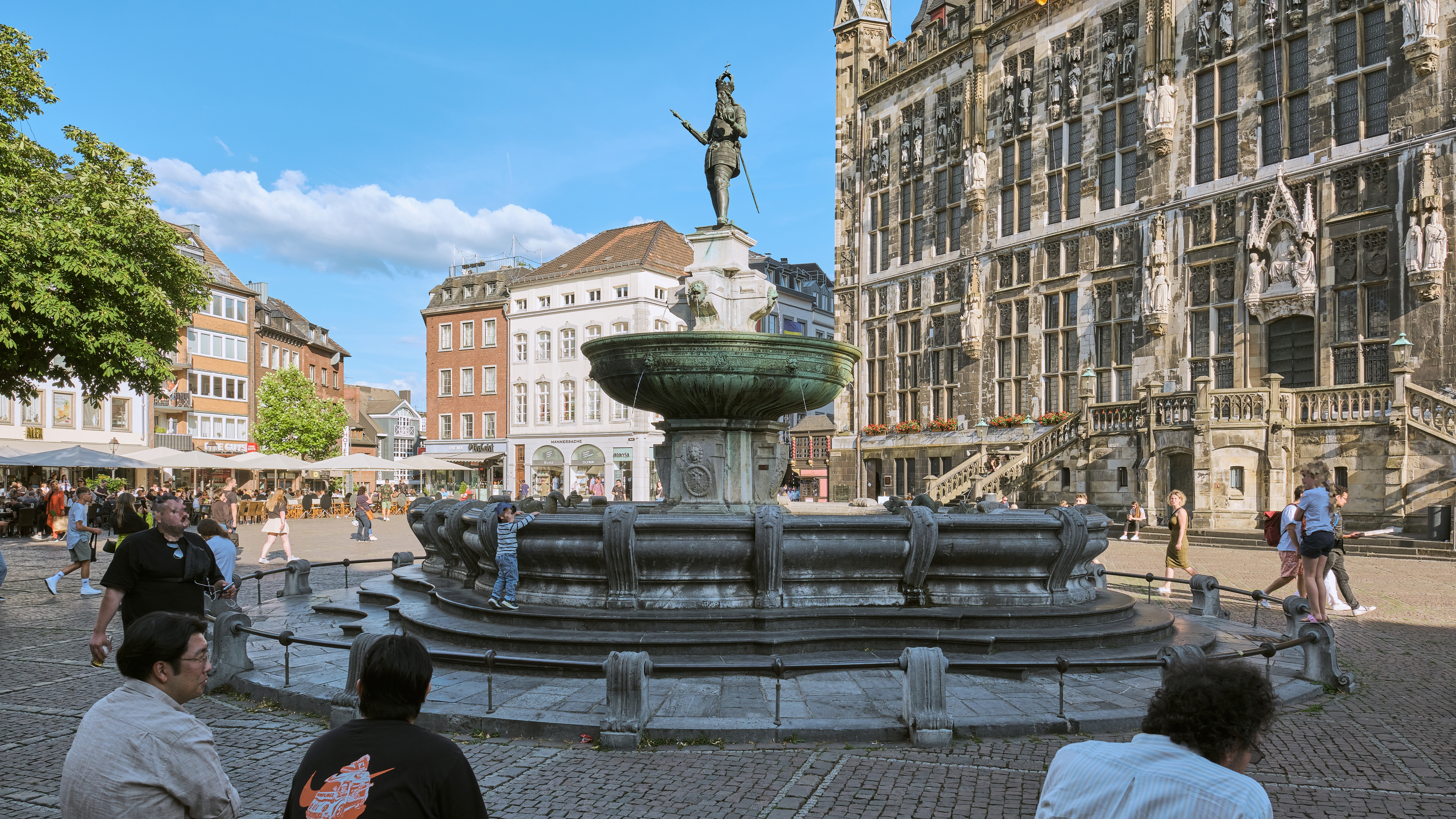
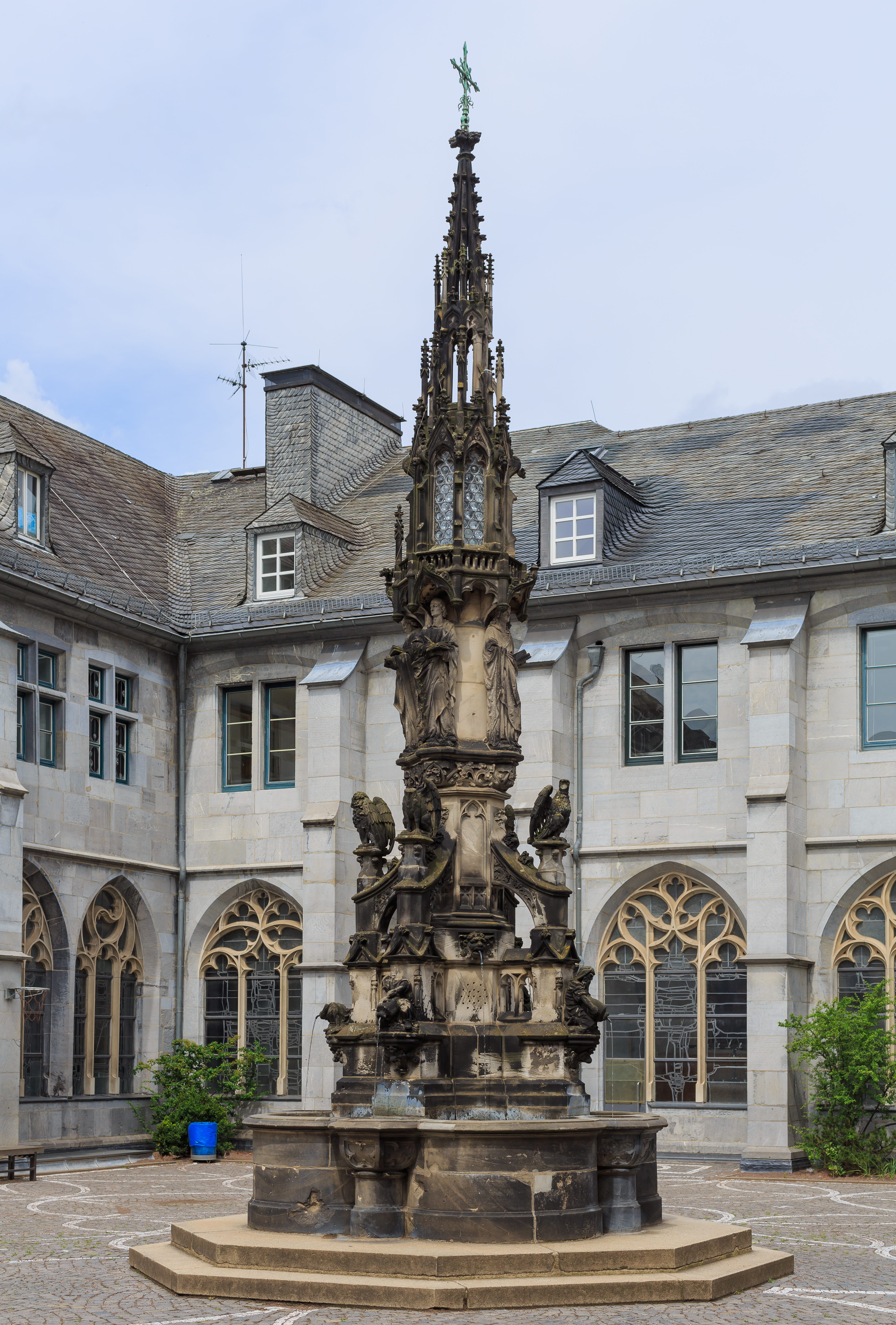
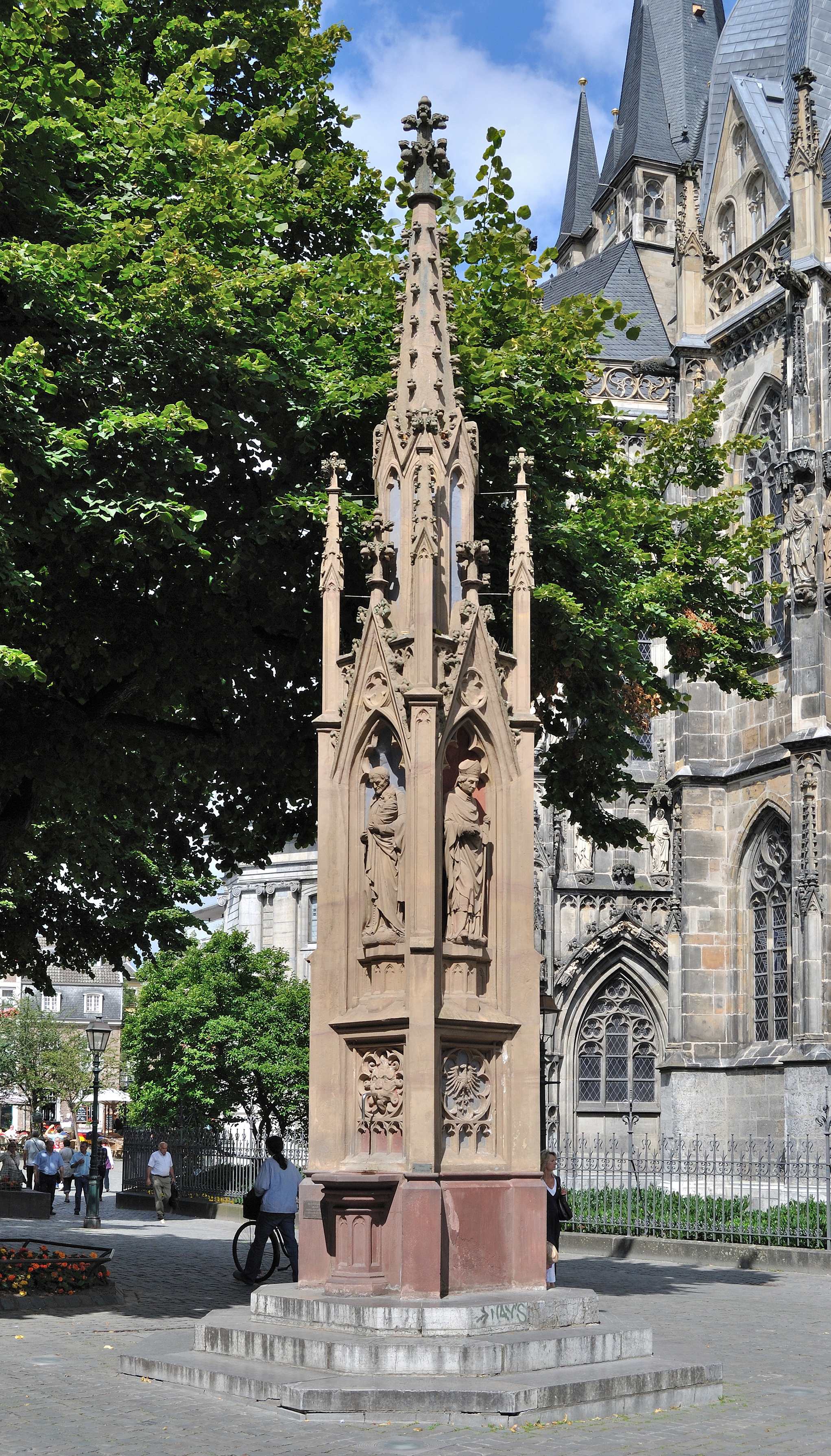
| Karlsbrunnen | Fountain | 0.1 km | Named after Charlemagne (Karl der Große); boasts intricate stone carvings. |
| Bahkauv‑Brunnen | Fountain | 0.1 km | Depicts the legendary “Bahkauv” dragon‑goat; a favorite among folklore fans. |
| Nikolausquelle | Spring | 0.1 km | A small, historic spring associated with Saint Nicholas; perfect for a quiet pause. |
Suggested walking route: Start at Hühnerdieb, head east to the Puppenbrunnen, then swing south to the Bahkauv‑Brunnen, loop west to the Kaiserquelle, and finish at the Karlsbrunnen before returning to the fountain. The entire circuit takes about 15 minutes and offers plenty of photo ops.
7. Travel Tips
- Timing: Early mornings (7‑9 am) provide the best light for photography and fewer crowds.
- Currency: Germany uses the Euro (€). Most places accept contactless cards, but keep a few cash notes for small vendors.
- Language: While German is the official language, most staff in tourist areas speak English. A simple “Bitte” (please) and “Danke” (thank you) go a long way.
- Dress Code: Casual attire is fine, but if you plan to visit the nearby Aachen Cathedral or other churches, modest clothing (covered shoulders and knees) is appreciated.
- Safety: The fountain area is well‑lit at night, but keep an eye on personal belongings, especially during market days.
- Connectivity: Free Wi‑Fi is available at many cafés around the Marktplatz; consider downloading an offline map of Aachen for seamless navigation.
- Local Eats: Pair your fountain visit with a bite of Aachener Printen (spiced gingerbread) from a nearby bakery, or try the traditional Rheinischer Sauerbraten at a tavern a few blocks away.
- Sustainability: Use refillable water bottles—many public fountains in Aachen (including Hühnerdieb) have clean drinking water, though you may need to ask locals if the flow is currently active.
Final Thought
The Hühnerdieb fountain may not boast the towering grandeur of a palace or the fame of a world‑renowned museum, but its modest charm encapsulates what makes Aachen a delightful travel destination: a blend of history, humor, and hospitality tucked into a walkable, pedestrian‑friendly cityscape. So the next time you find yourself in North Rhine‑Westphalia, carve out a few minutes to seek out the “chicken thief”—you’ll leave with a smile, a splash of cool water, and a story that’s uniquely yours.
Happy travels, and may every fountain you discover bring a little extra wonder to your journey!