Gerechtigkeitsbrunnen – Wuppertal’s Hidden Fountain Gem
Discover the quiet charm of the Gerechtigkeitsbrunnen, a lesser‑known but captivating fountain nestled in the heart of Wuppertal, North Rhine‑Westphalia, Germany.
Introduction
If you think of Wuppertal you probably picture the iconic suspension railway (the Wuppertaler Schwebebahn) gliding above the River Wupper. Yet, tucked away just a short stroll from the bustling city centre lies a tranquil oasis that many travelers overlook: the Gerechtigkeitsbrunnen. This elegant stone fountain, whose name translates to “Fountain of Justice,” offers a peaceful pause amid the city’s lively streets and a perfect spot for photography, reflection, and a quick cultural lesson. Whether you’re a seasoned Germany traveler or a first‑time visitor to North Rhine‑Westphalia, the Gerechtigkeitsbrunnen deserves a place on your Wuppertal itinerary.
About Gerechtigkeitsbrunnen
A Brief Description
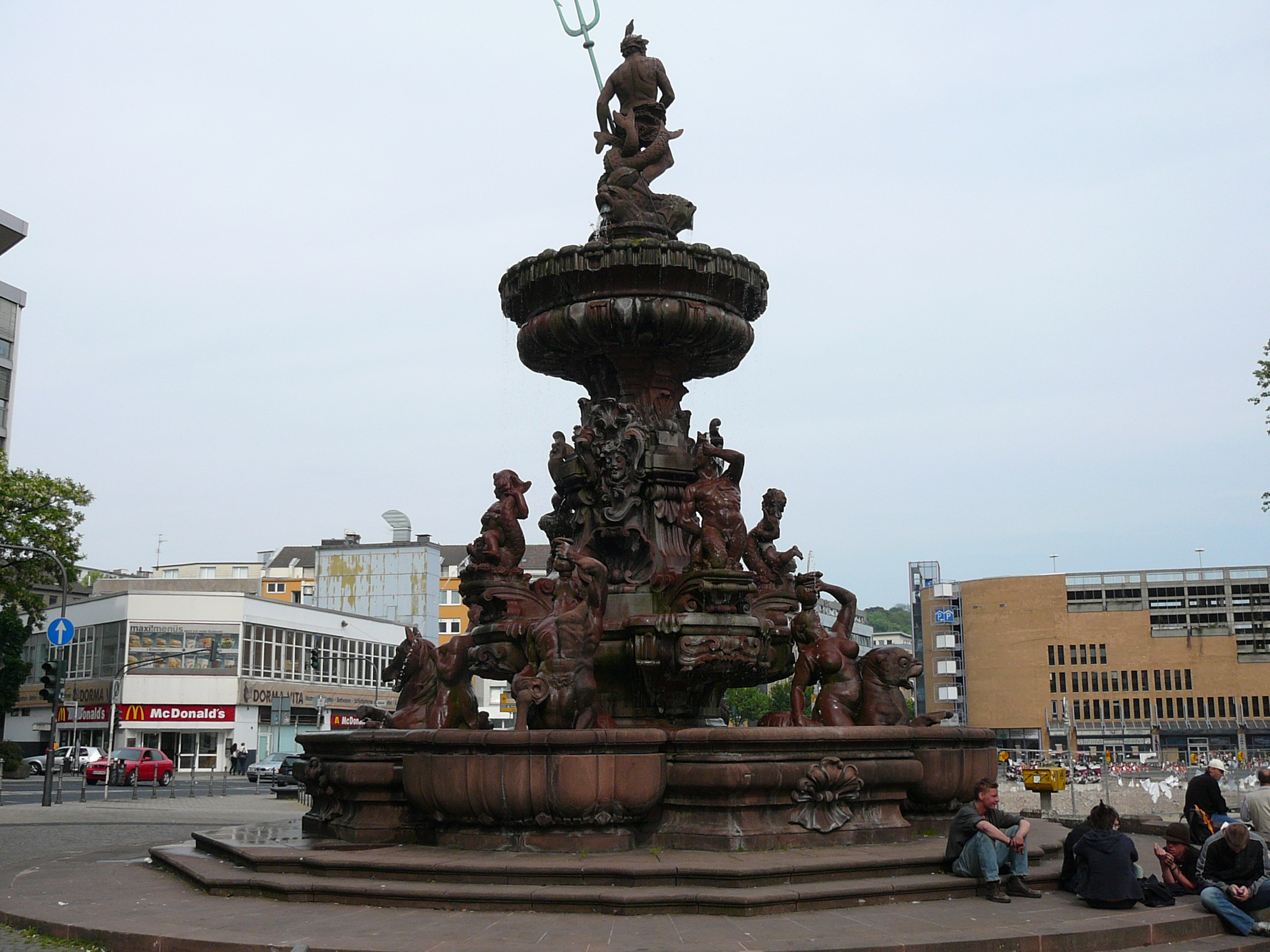
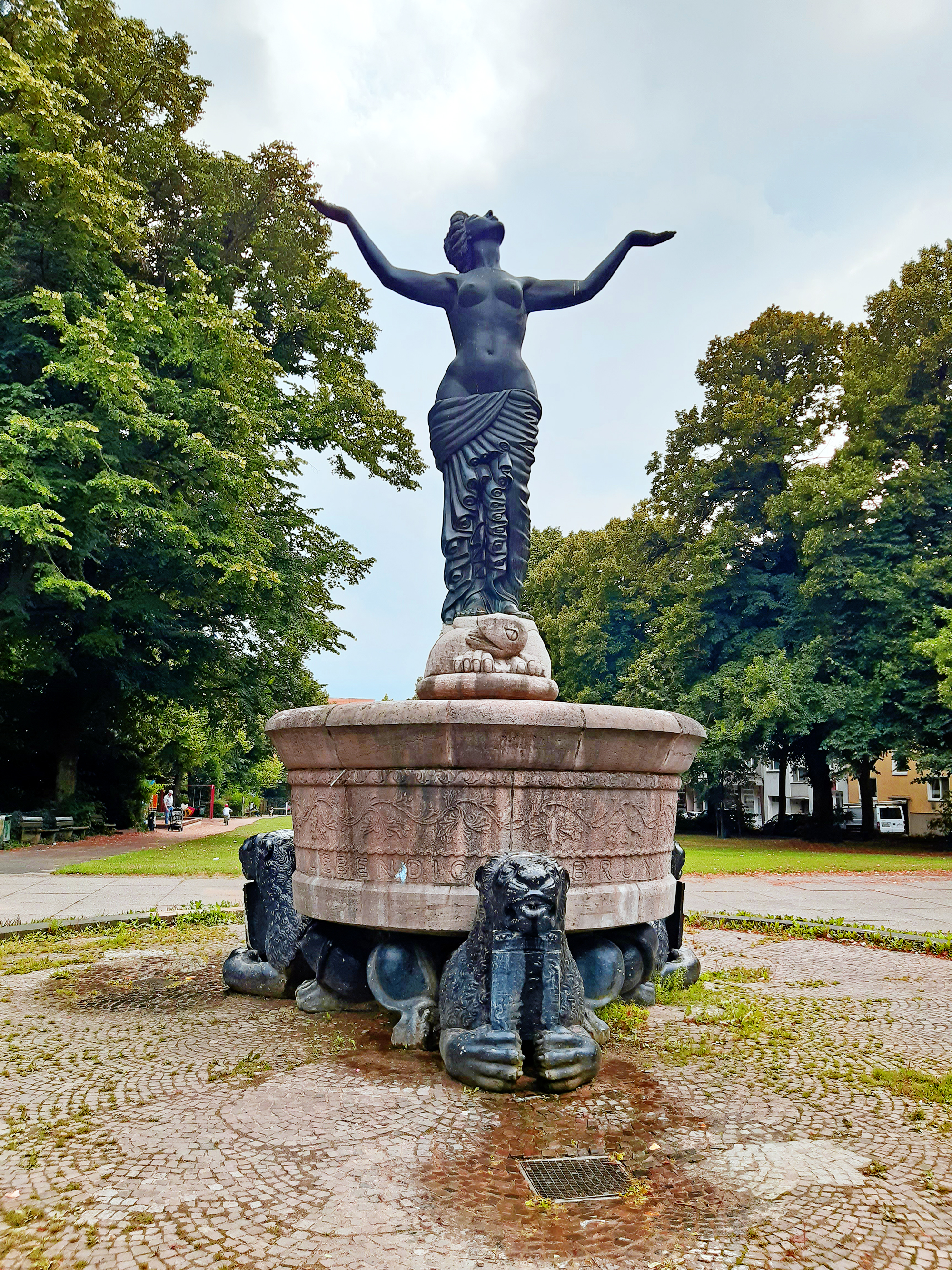
The Gerechtigkeitsbrunnen is a historic public fountain situated at 51.264558° N, 7.150979° E in the central district of Wuppertal. While the exact height and altitude of the structure remain undocumented, its modest scale and finely carved stonework make it instantly recognizable. The fountain’s name hints at an allegorical figure of Justice, a common motif in European civic monuments that symbolizes fairness and the rule of law.
History & Significance
According to the German‑language Wikipedia entry for the fountain, the Gerechtigkeitsbrunnen has been part of Wuppertal’s urban fabric for many decades, serving both practical and symbolic purposes. In the 19th and early 20th centuries, public fountains were essential sources of drinking water and gathering places for locals. Over time, they evolved into decorative landmarks that reflected a city’s values and artistic trends.
In Wuppertal, the Gerechtigkeitsbrunnen represents the city’s commitment to civic virtue and public welfare. Though the exact year of its installation is not listed in the available sources, the fountain’s classic design suggests a construction period that aligns with the wave of neoclassical and historicist architecture popular in German towns during the late 1800s. Its continued preservation underscores the community’s respect for heritage and the importance of accessible public art.
Why It Matters
- Cultural Insight – The fountain offers a tangible connection to Wuppertal’s municipal history and the broader German tradition of embedding moral symbolism in public spaces.
- Photographic Appeal – Its stone basin, subtle water flow, and surrounding cobblestones create a picturesque setting, especially when framed by the city’s historic buildings.
- Quiet Retreat – Unlike the bustling market squares, the Gerechtigkeitsbrunnen provides a calm spot to sit, enjoy a coffee from a nearby café, and watch daily life unfold.
How to Get There
By Train
- Wuppertal Hauptbahnhof (main train station) is the primary rail hub for regional and long‑distance services (ICE, RE, S-Bahn). From the station, the fountain is about 1.5 km away—roughly a 20‑minute walk through the city centre.
- If you prefer not to walk, hop on Bus Line 604 (direction “Höhenkirchen”) and alight at the „Gerechtigkeitsbrunnen“ stop, just a few meters from the monument.
By Car
- From the A46 (Wuppertal‑Essen motorway), take exit Wuppertal‑Elberfeld and follow signs toward the city centre. Parking options include the underground lot at Barmen Central Station or street parking on Königstraße (pay‑and‑display meters apply).
- The fountain is located within a pedestrian‑friendly zone, so once you’re in the centre, you’ll likely continue on foot.
By Bicycle
Wuppertal is increasingly bike‑friendly, with dedicated lanes along the Wupper River. Rent a city bike from any Nextbike station, ride south along Barmen‑Allee, and you’ll arrive at the Gerechtigkeitsbrunnen in under 10 minutes.
Public Transport Summary
| Mode | Approx. Time | Nearest Stop | Walking Distance |
|---|---|---|---|
| Train (to Hauptbahnhof) + Walk | 20 min | — | 1.5 km |
| Bus 604 | 10 min | Gerechtigkeitsbrunnen stop | < 100 m |
| Tram (Line 701) | 12 min | Barmen‑Allee | 300 m |
| Bicycle | 8 min | — | Direct |
Best Time to Visit
Seasonal Recommendations
- Spring (April–June) – The surrounding parks bloom, and the fountain’s water sparkle against fresh greenery. Mild temperatures make it ideal for a leisurely stroll.
- Summer (July–August) – Long daylight hours let you enjoy the fountain’s ambience well into the evening. Look for nearby outdoor cafés offering cool drinks.
- Autumn (September–October) – Golden leaves create a romantic backdrop, and the cooler weather is perfect for photography without crowds.
- Winter (November–March) – While the fountain may be partially frozen, the quiet atmosphere and festive holiday lights in the city centre give it a magical feel. Bring a warm coat and perhaps a hot chocolate from a nearby bakery.
Time of Day
- Early Morning (7 am–9 am) – The fountain is virtually empty, allowing for uninterrupted photos and a peaceful moment before the city awakens.
- Late Afternoon (4 pm–6 pm) – The soft, angled sunlight casts gentle shadows, highlighting the stone details.
- Evening (7 pm–9 pm) – If the city’s lighting is on, the fountain can be beautifully illuminated, creating a romantic night‑time scene.
What to Expect
When you arrive at the Gerechtigkeitsbrunnen, you’ll be greeted by a modest stone basin surrounded by low‑lying cobblestones. A subtle water jet circulates continuously, creating a gentle, soothing sound that blends with the murmurs of nearby pedestrians. The fountain’s design is simple yet elegant, featuring clean lines and a central sculptural element that hints at the allegorical figure of Justice—often depicted with a blindfold and scales in similar European monuments.
The immediate area is a pedestrian zone, so you can sit on a nearby bench, watch locals feed pigeons, or simply enjoy the reflective surface of the water. The fountain is also a popular meeting point for residents, making it a great spot to observe everyday German city life.
Photography tip: Position yourself slightly to the side of the fountain to capture both the water flow and the surrounding historic façades. A low angle during golden hour will emphasize the stone texture and the play of light on the water.
Nearby Attractions
While the Gerechtigkeitsbrunnen is a highlight on its own, the surrounding neighbourhood offers several other fountains and points of interest within a short walk—perfect for a relaxed “fountain tour” of Wuppertal.
| Attraction | Distance | Description |
|---|---|---|
| Unnamed Fountain | 0.5 km | A small decorative fountain tucked in a quiet courtyard. |
| Unnamed Fountain | 0.6 km | Features a modern water sculpture contrasting with historic surroundings. |
| Unnamed Fountain | 0.7 km | Surrounded by a lush garden, ideal for a brief picnic. |
| Jubiläumsbrunnen | 0.7 km | A commemorative fountain celebrating a local anniversary; its ornate design makes it a photogenic spot. |
| Wasserlauf | 0.8 km | A linear water feature that runs alongside a pedestrian promenade, perfect for a leisurely walk. |
For more details on each site, consult the local tourism website or use a map app to locate the exact coordinates.
Travel Tips
- Bring a Compact Umbrella – Wuppertal’s weather can be changeable, especially in spring and autumn. A small umbrella ensures you stay dry while still enjoying the fountain’s view.
- Cash for Parking – If you drive, most street‑parking meters accept coins only. Have a few euros handy to avoid fines.
- Respect the Space – As a public monument, the Gerechtigkeitsbrunnen is a shared community spot. Keep noise levels low, especially during early morning hours.
- Combine with the Schwebebahn – After visiting the fountain, hop on the famous Wuppertaler Schwebebahn at Elberfeld Station for a unique aerial view of the city.
- Local Snacks – Grab a pretzel or a slice of Wuppertaler Käsespätzle from a nearby bakery; the food stalls around the fountain are perfect for a quick bite.
- Language Help – While most signs are in German, many locals speak English, especially in tourist areas. A simple “Entschuldigung, wo ist der Gerechtigkeitsbrunnen?” (Excuse me, where is the Gerechtigkeitsbrunnen?) will get you friendly directions.
- Stay Connected – Free Wi‑Fi is available at many cafés in the city centre; use it to look up additional attractions or to share your photos instantly.
Wrap‑Up
The Gerechtigkeitsbrunnen may not be the most famous landmark in Germany, but its understated beauty, historical resonance, and central location make it a must‑see for anyone exploring Wuppertal. Whether you’re strolling through the city’s historic streets, snapping photos for your travel blog, or simply seeking a quiet place to pause, this fountain offers a genuine slice of North Rhine‑Westphalia’s cultural tapestry.
Plan your visit, follow the travel tips above, and let the gentle cascade of the Gerechtigkeitsbrunnen add a splash of serenity to your German adventure.
Happy travels!
Keywords: Gerechtigkeitsbrunnen, Wuppertal fountain, North Rhine‑Westphalia travel, things to do in Wuppertal, historic fountains Germany, travel guide Wuppertal, German city attractions, public monuments Germany, best time to visit Wuppertal.