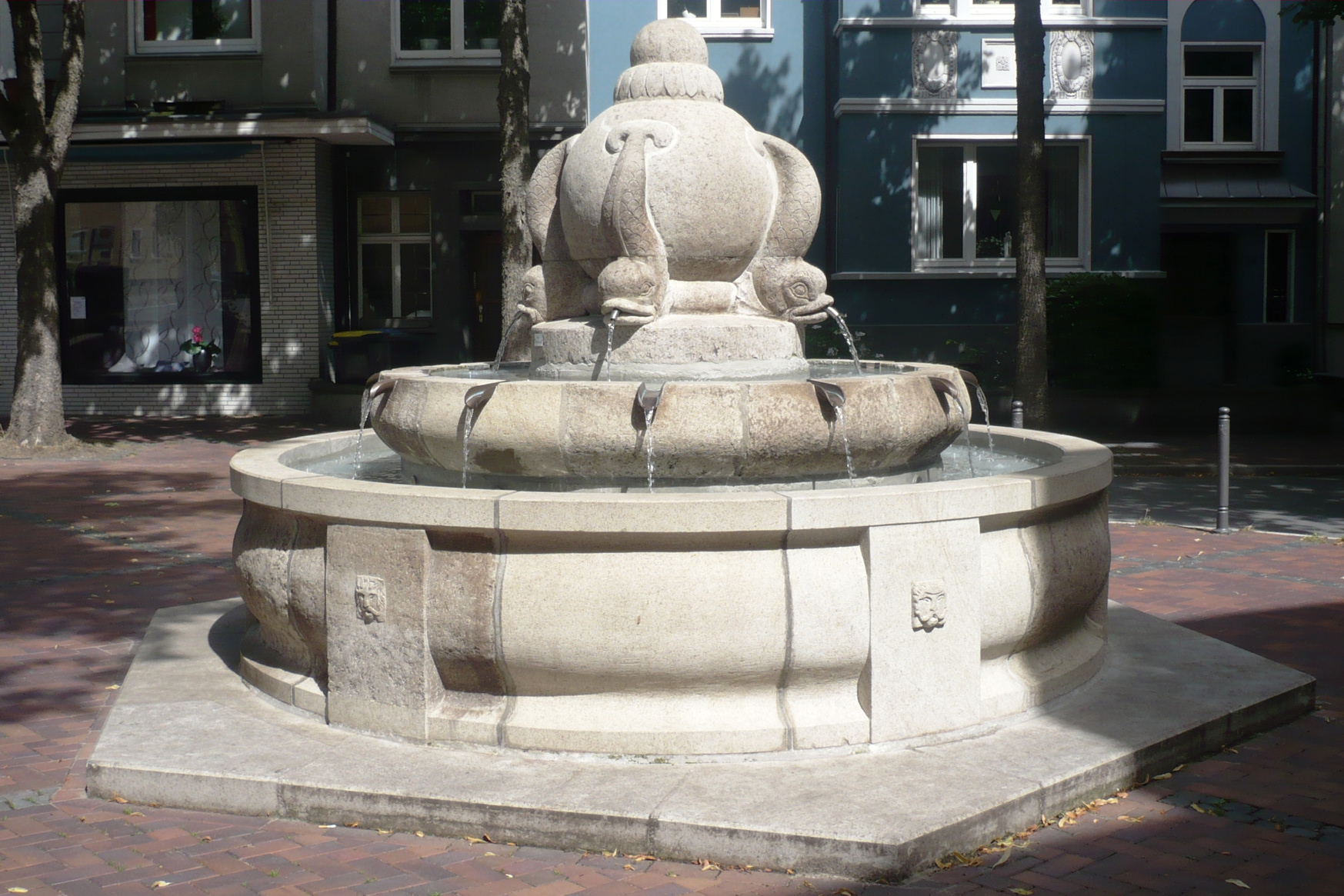
Gänsereiterbrunnen – Essen’s Hidden Water‑Feature Gem
Discover the charm of a lesser‑known fountain tucked in the heart of North Rhine‑Westphalia, and learn how to make the most of your visit to Essen.
Introduction
When you think of Essen, the first images that come to mind are usually the sprawling Zeche Zollverein coal mine, the modern Museum Folkwang, or the bustling shopping boulevard of the City‑Center. Yet, just a short stroll from the city’s main attractions lies a quiet oasis that many travelers completely miss: Gänsereiterbrunnen. This modest yet picturesque fountain, set at the crossroads of everyday life, offers a perfect spot to pause, sip a coffee, and soak in the local atmosphere. Whether you’re a seasoned Germany explorer or a first‑time visitor to North Rhine‑Westphalia, the Gänsereiterbrunnen is a delightful addition to any Essen itinerary.
About Gänsereiterbrunnen
What is it?
Gänsereiterbrunnen (German for “Goose Rider Fountain”) is a public fountain located in the centre of Essen, at the coordinates 51.446158 N, 6.974043 E. While the exact height of the water jet remains undocumented, the fountain’s design blends classic stonework with subtle modern touches, reflecting the city’s blend of industrial heritage and contemporary culture.
A Brief History
The fountain’s origins are rooted in Essen’s post‑war urban renewal efforts. Though precise construction dates are scarce, the name “Gänsereiter” evokes a historic local legend about a rider on a goose—a whimsical tale that has been passed down through generations of residents. Over the decades, the fountain has become a quiet meeting point for locals, students, and tourists alike, symbolising the everyday beauty that often hides behind the city’s larger landmarks.
Why It Matters
Beyond its aesthetic appeal, Gänsereiterbrunnen serves as a cultural touchstone. It’s a reminder that public art and water features can foster community interaction, offering a place for spontaneous conversations, street performances, and quiet contemplation. For travelers seeking an authentic slice of Essen life—away from the crowds of the Zeche Zollverein or the bustling shopping districts—this fountain provides exactly that.
How to Get There
By Public Transport
- Train: Arrive at Essen Hauptbahnhof (the main railway station). From there, take the U11 or U17 Stadtbahn (light rail) toward Rüttenscheid and alight at Gürtel. The fountain is a 5‑minute walk from the station.
- Bus: Several city buses stop nearby, including lines 140, 143, and 145. Look for the stop Gänsereiter or Gürtel; the fountain sits just a few meters from the bus shelter.
By Car or Bike
- Driving: If you’re renting a car, plug the coordinates (51.446158, 6.974043) into your navigation system. Street parking is limited, but there are public parking garages within a 10‑minute walk, such as Parkhaus Kettwig or Parkhaus Rüttenscheider Straße.
- Cycling: Essen’s extensive bike‑lane network makes a two‑wheel trip easy. The RuhrtalRadweg runs close to the fountain, and you’ll find several public bike‑share stations (e.g., Nextbike) nearby.
Walking
Essen’s city centre is compact and pedestrian‑friendly. If you’re staying in the Altstadt (Old Town) or near the Kettwig district, a leisurely 15‑minute walk will bring you straight to Gänsereiterbrunnen.
Best Time to Visit
- Spring (April‑June): The surrounding parklands begin to bloom, and the fountain’s water glistens under the gentle sun—ideal for photos.
- Summer (July‑August): Warm evenings attract locals who gather around the fountain for a cool drink. Expect a lively atmosphere, especially on weekends.
- Autumn (September‑October): The golden foliage adds a magical backdrop, and crowds thin out, giving you a more tranquil experience.
- Winter (November‑March): While the fountain may be turned off during the coldest months, the surrounding area is still worth a visit for its festive Christmas markets and cozy cafés.
Tip: Early mornings on weekdays provide the most serene setting, perfect for those who enjoy quiet reflection or a peaceful coffee break.
What to Expect
Visuals & Atmosphere
Approaching Gänsereiterbrunnen, you’ll notice a modest stone basin surrounded by low‑lying greenery. Water gently cascades from a central nozzle, creating a soothing soundscape that masks the city’s hustle. The fountain’s design is understated—no towering sculptures or flashy lights—yet its simplicity invites you to linger.
Social Scene
During peak hours (late morning to early evening), you’ll often see students from the nearby University of Duisburg‑Essen sitting on benches, locals feeding pigeons, and occasional street musicians adding a melodic backdrop. The fountain is also a popular spot for spontaneous photo shoots, especially when the surrounding trees display vibrant seasonal colours.
Amenities
- Seating: Benches line the perimeter, providing comfortable spots for a break.
- Cafés: A short walk brings you to several cafés along Kettwigstraße, where you can enjoy a traditional German Kaffee und Kuchen (coffee and cake).
- Restrooms: Public toilets are available at the adjacent Gürtel square.
Nearby Attractions
While you’re in the area, consider adding these nearby points of interest to your itinerary. All are within a 2‑kilometre radius, making them perfect for a relaxed day of exploring.
| Attraction | Distance | What to See | Link |
|---|---|---|---|
| Brunnen auf dem Frohnhauser Platz | 0.2 km | Another charming fountain set in a small plaza, ideal for a quick photo stop. | Wikipedia |
| Hinterhofbrunnen | 1.1 km | A historic courtyard fountain with intricate stonework. | Wikipedia |
| Weir (Staudamm) | 1.4 km | A small weir along the River Ruhr, offering scenic river walks. | — |
| Schatzgräberbrunnen | 1.5 km | “Treasure Hunter Fountain” featuring decorative motifs reminiscent of local folklore. | — |
| Unnamed Fountain | 1.6 km | A modest water feature tucked near a residential area, perfect for a quiet pause. | — |
Pro tip: Combine a walk from Gänsereiterbrunnen to Brunnen auf dem Frohnhauser Platz—the short distance lets you enjoy the city’s street art and boutique shops along the way.
Travel Tips
- Bring a reusable water bottle. While the fountain’s water isn’t intended for drinking, many locals fill their bottles from nearby public fountains.
- Check local event calendars. The Gürtel square often hosts pop‑up markets, especially in summer; you might catch a local craft fair while visiting the fountain.
- Use a translation app. Most signage around the fountain is in German, but English translations are common in tourist zones.
- Mind the weather. In winter, the fountain may be turned off; however, the surrounding area remains lively with holiday lights and nearby indoor attractions.
- Stay connected. Free Wi‑Fi is available at several cafés nearby—great for uploading those Instagram shots of the fountain’s reflective surface.
- Respect local customs. Feeding the pigeons is popular, but be mindful of cleanliness—dispose of any leftover crumbs in the provided bins.
Wrap‑Up
Gänsereiterbrunnen may not headline the typical “must‑see” list for Essen, but its understated beauty, central location, and authentic local vibe make it a hidden treasure worth discovering. Whether you’re sipping a latte on a sunny spring morning, snapping photos of autumn leaves reflected in the water, or simply seeking a quiet corner to unwind amid your city‑hopping adventure, this fountain offers a uniquely German experience that blends history, community, and the simple pleasure of flowing water.
Add Gänsereiterbrunnen to your Essen travel plan, and let this modest fountain become the unexpected highlight of your North Rhine‑Westphalia journey.
Keywords: Gänsereiterbrunnen, Essen fountain, North Rhine-Westphalia travel, things to do in Essen, Essen attractions, German fountains, travel guide Essen, hidden gems Germany, city centre Essen, public fountains Germany