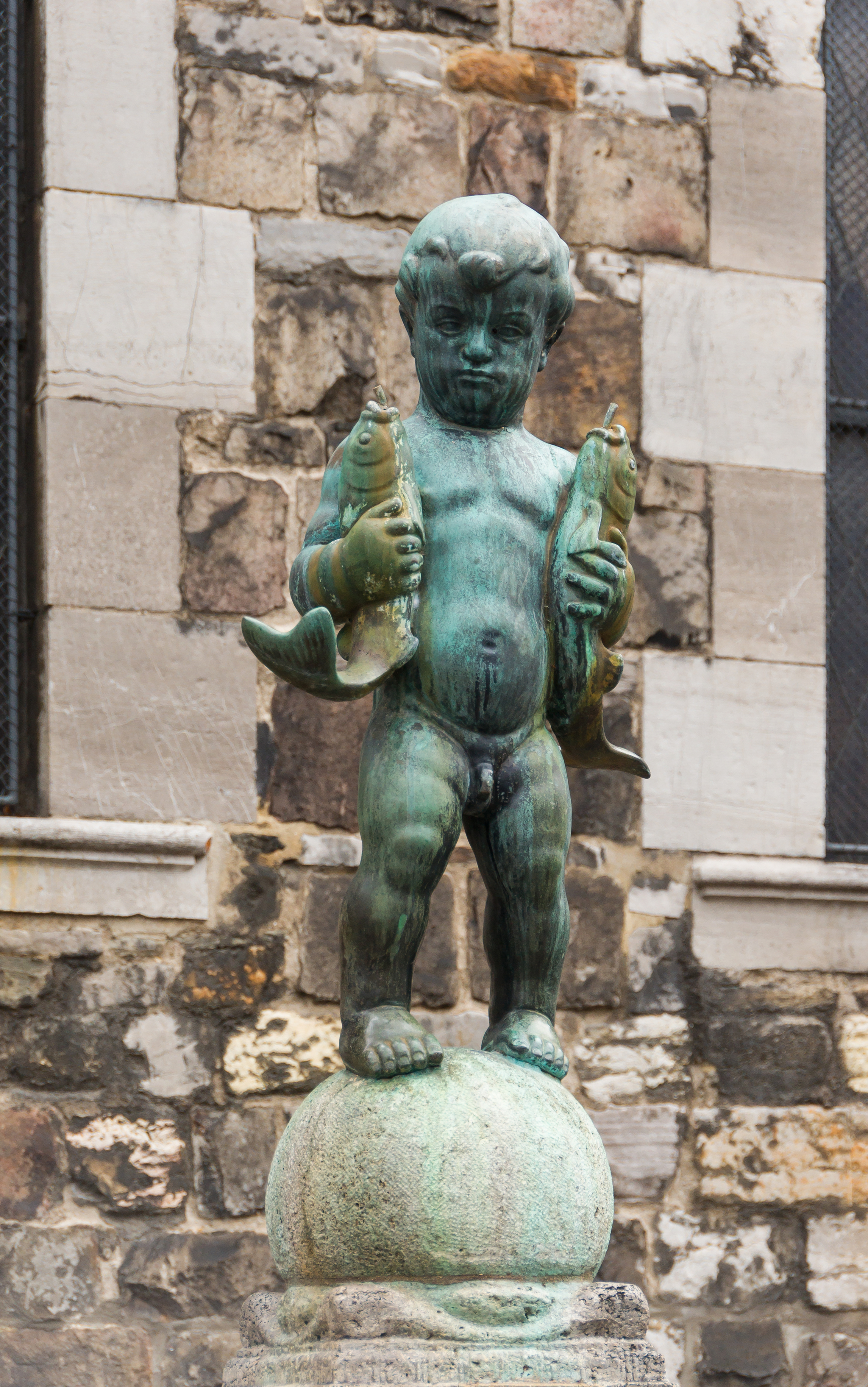
Fischpüddelchen – Aachen’s Hidden Fountain Gem
Discover the charm of a tiny water feature that has quietly watched over Aachen’s historic streets for generations.
Introduction
If you picture Aachen, the German city famous for its cathedral, thermal baths, and the annual Aachener Weihnachtsmarkt, you might not immediately think of a modest fountain tucked away in a side street. Yet, just a short stroll from the bustling market square lies Fischpüddelchen, a petite yet enchanting fountain that captures the essence of Aachen’s blend of medieval heritage and everyday life.
Travelers who wander off the main tourist routes often stumble upon the most memorable spots, and Fischpüddelchen is a perfect example. Its whimsical name, gentle water flow, and intimate setting make it an ideal photo‑stop, a quiet place for a coffee break, or simply a moment to pause and soak in the city’s atmosphere. In this guide, we’ll explore everything you need to know about visiting this hidden gem—from its modest history to practical travel tips—so you can add a splash of local flavor to your Aachen itinerary.
About Fischpüddelchen
What is Fischpüddelchen?
- Type: Fountain (⛲)
- Location: Aachen, North Rhine‑Westphalia, Germany
- Coordinates: 50.774650 N, 6.082776 E
The name Fischpüddelchen comes from the local Aachen dialect, roughly translating to “little fish puddle.” While the fountain’s exact construction date isn’t recorded in official archives, its modest stone basin and simple water jet suggest a 19th‑century origin, typical of many civic fountains built to provide clean drinking water before modern plumbing.
Historical Context
Aachen’s urban landscape is dotted with numerous small fountains—each once serving a practical purpose for residents and travelers alike. Fischpüddelchen is part of this historic network, reflecting the city’s long‑standing commitment to public water supply and communal gathering places. Although specific documentation about the fountain’s commissioning is scarce, its continued presence underscores the city’s respect for preserving everyday heritage.
Cultural Significance
Even without a grand monument status, Fischpüddelchen holds a subtle cultural role:
- Local Landmark: Residents often use the fountain as a meeting point, especially during the bustling market days.
- Photographic Niche: Its intimate scale makes it a favorite subject for Instagrammers seeking an authentic Aachen backdrop.
- Symbol of Continuity: The gentle flow of water links past generations with today’s visitors, reminding us that even the smallest details shape a city’s identity.
If you’re curious for more factual details, the German‑language Wikipedia entry provides a concise overview: Fischpüddelchen (de).
How to Get There
By Train
Aachen is well‑connected by rail, with Aachen Hauptbahnhof serving high‑speed ICE, regional RE, and international trains (including the Thalys from Brussels). From the station, you have three easy options:
- Walking (≈15 min): Head west on Bahnhofstraße, cross the Ludwig-Forum, then follow the signs toward the historic centre.
- Bus: Lines 31 and 33 stop at “Aachener Dom” (Aachen Cathedral). From there, it’s a 3‑minute walk to the fountain.
By Car
If you’re driving, park in one of the city‑centre car parks:
- Parkhaus Dom (near the cathedral) – 5‑minute walk.
- Parkhaus Katschhof – Slightly farther but still within a 10‑minute stroll.
By Bike or E‑Scooter
Aachen’s compact centre is bike‑friendly. Numerous public bike‑share stations (Nextbike, Call a Bike) are located near the cathedral and the market square, making a quick ride to Fischpüddelchen both eco‑friendly and fun.
Walking Directions (Exact)
- Start at Aachener Dom (Aachen Cathedral).
- Walk south on Domstraße toward Katschhof.
- Turn right onto Katschhof and continue until you reach Katschhof‑Platz.
- The fountain sits on a quiet side street just off the square—look for a small stone basin with a single water jet.
Using the coordinates 50.774650, 6.082776 in any navigation app will bring you directly to the spot.
Best Time to Visit
Seasonal Recommendations
| Season | Why Visit? | Tips |
|---|---|---|
| Spring (April‑May) | Blossoming street trees create a fresh, photogenic backdrop. | Bring a light jacket; mornings can be cool. |
| Summer (June‑August) | Longer daylight hours let you linger at nearby cafés after admiring the fountain. | Expect crowds near the market; early morning offers a quieter experience. |
| Autumn (September‑October) | Golden leaves frame the fountain, perfect for atmospheric shots. | Dress in layers; occasional rain showers are common. |
| Winter (November‑February) | The fountain’s stonework looks striking against a crisp, snowy setting. | Some water flow may be reduced; check local updates. |
Overall, early mornings on weekdays provide the most tranquil atmosphere, regardless of season. If you’re visiting during the Aachener Weihnachtsmarkt (late November‑December), the fountain’s vicinity becomes a cozy spot to warm up with a Glühwein while watching the festive lights.
What to Expect
The Experience
Approaching Fischpüddelchen, you’ll notice its unassuming size—a shallow stone basin roughly one meter in diameter, with a single, steady stream of water that creates a soft, soothing sound. The fountain is set within a narrow cobblestone lane, flanked by historic façades that house cafés, boutique shops, and small museums.
- Visuals: The water catches sunlight, producing a subtle sparkle that contrasts with the weathered stone.
- Sounds: The gentle bubbling provides a calming soundtrack, especially pleasant after the bustle of the nearby market square.
- Atmosphere: Locals often pause to chat, sip coffee, or simply watch the water—making it feel like a living piece of the community.
Photo Opportunities
- Close‑up Detail: Capture the water jet against the stone texture for a minimalist shot.
- Street Scene: Include the surrounding historic buildings to convey the fountain’s urban context.
- Seasonal Mood: Frame the fountain with spring blossoms, autumn leaves, or winter frost for seasonal storytelling.
Remember to respect any “no‑touch” signs—while the fountain is public, preserving its condition ensures future visitors can enjoy it as well.
Nearby Attractions
Aachen’s historic centre is a compact treasure trove of fountains and monuments. While you’re in the area, consider adding these short walks (all within 0.2 km) to your itinerary:
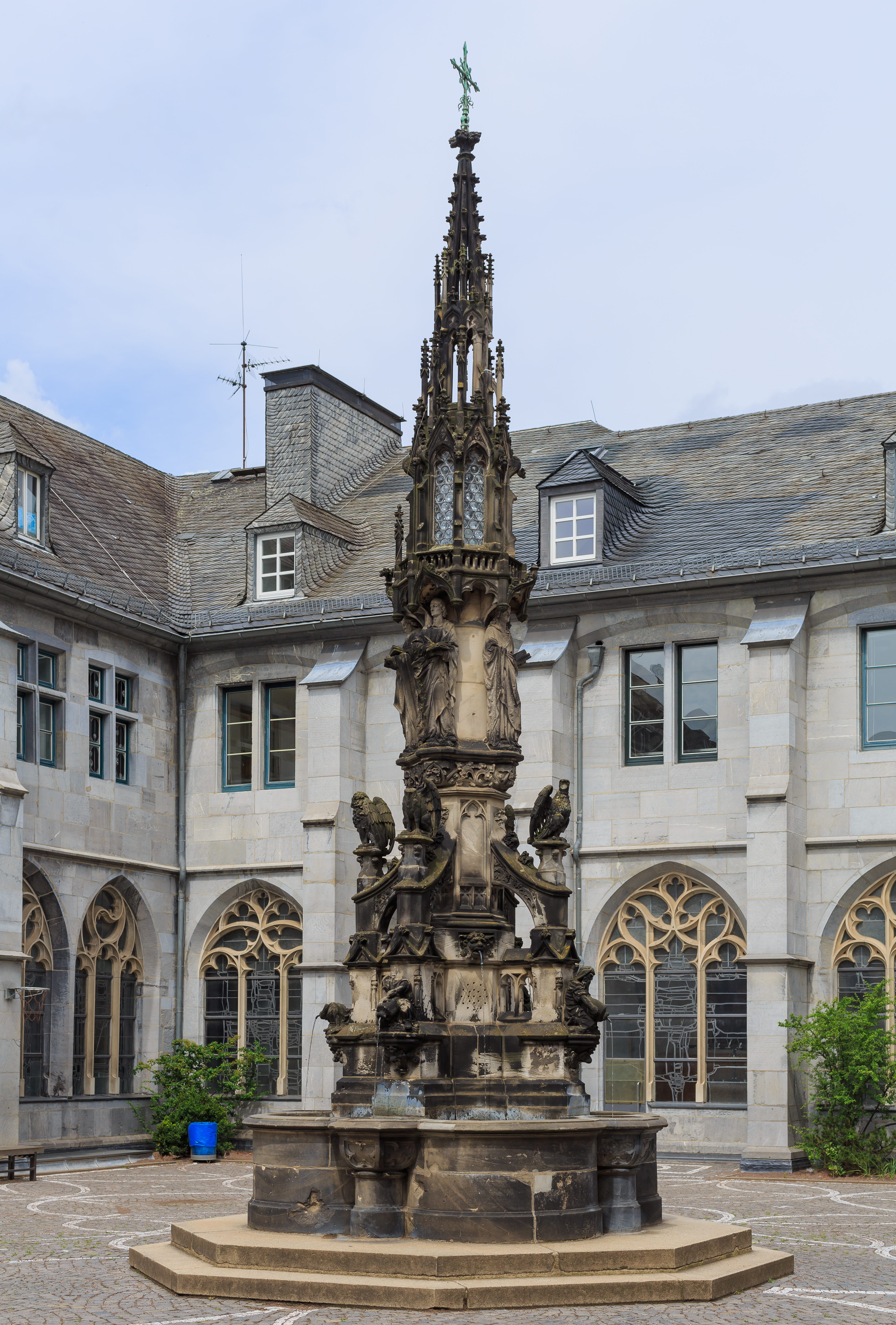
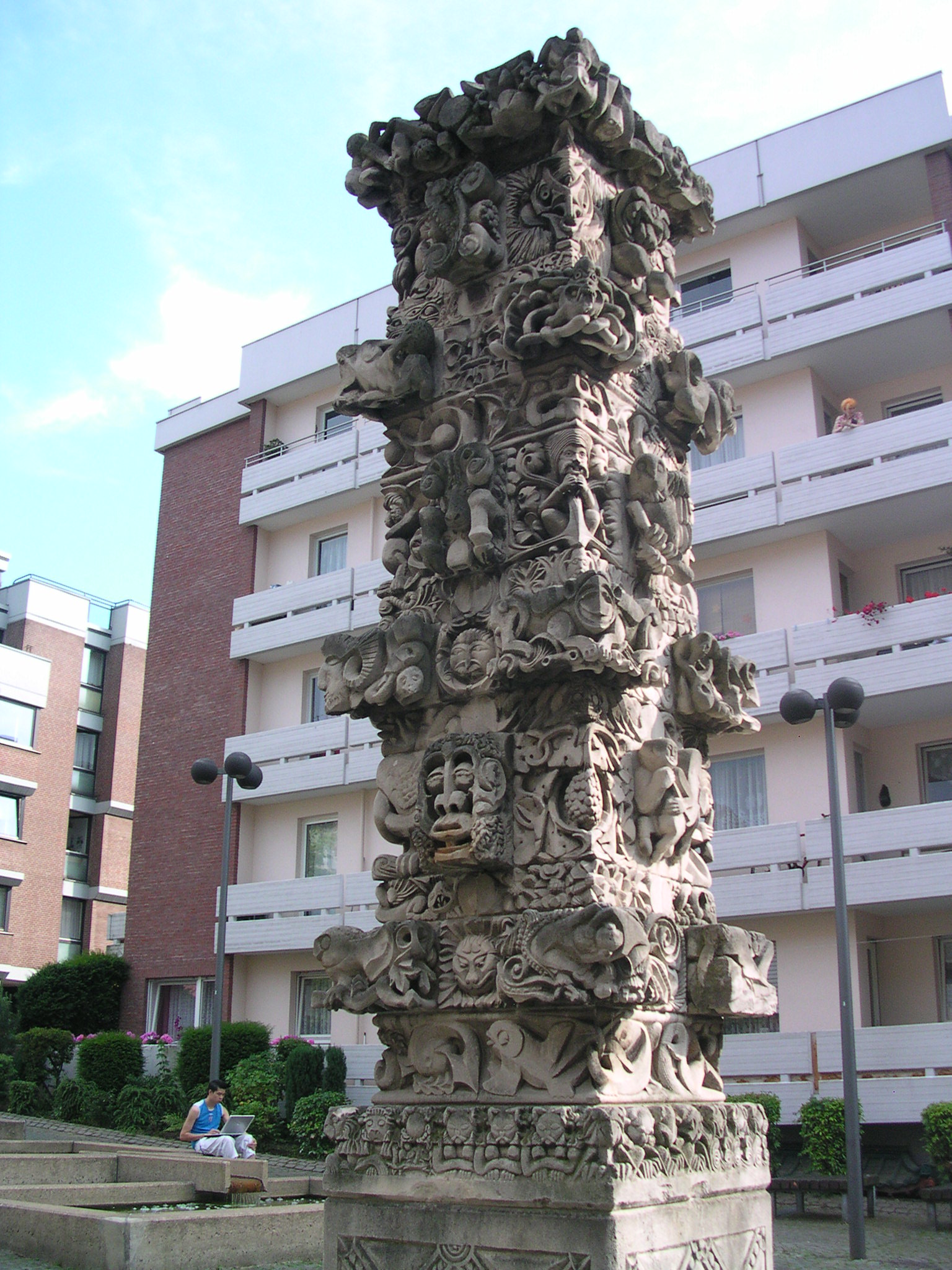
- Paradiesbrunnen – A charming fountain just 100 m away, known for its ornate design.
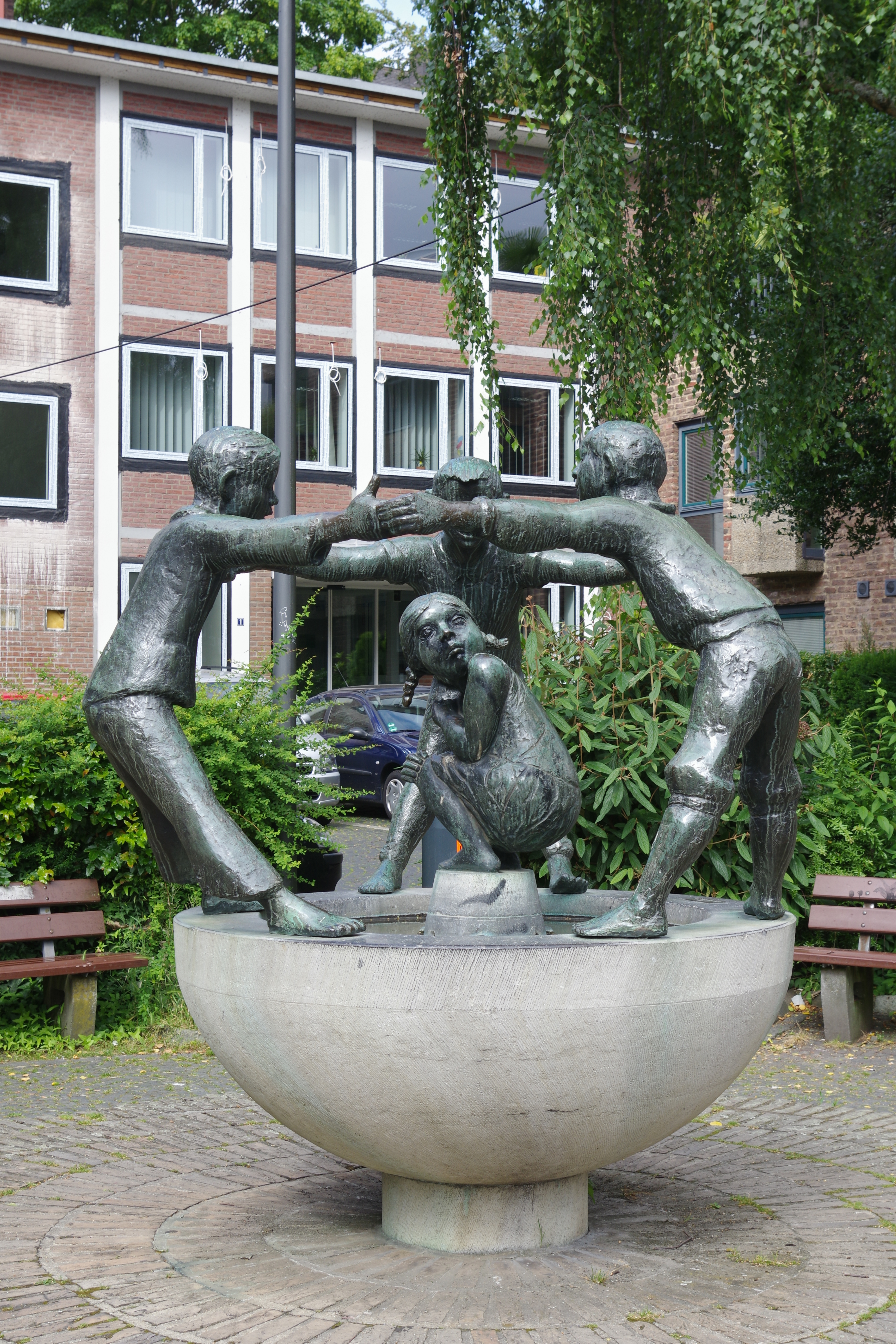
- Türelüre‑Lißje‑Brunnen – Another nearby water feature that showcases local craftsmanship.
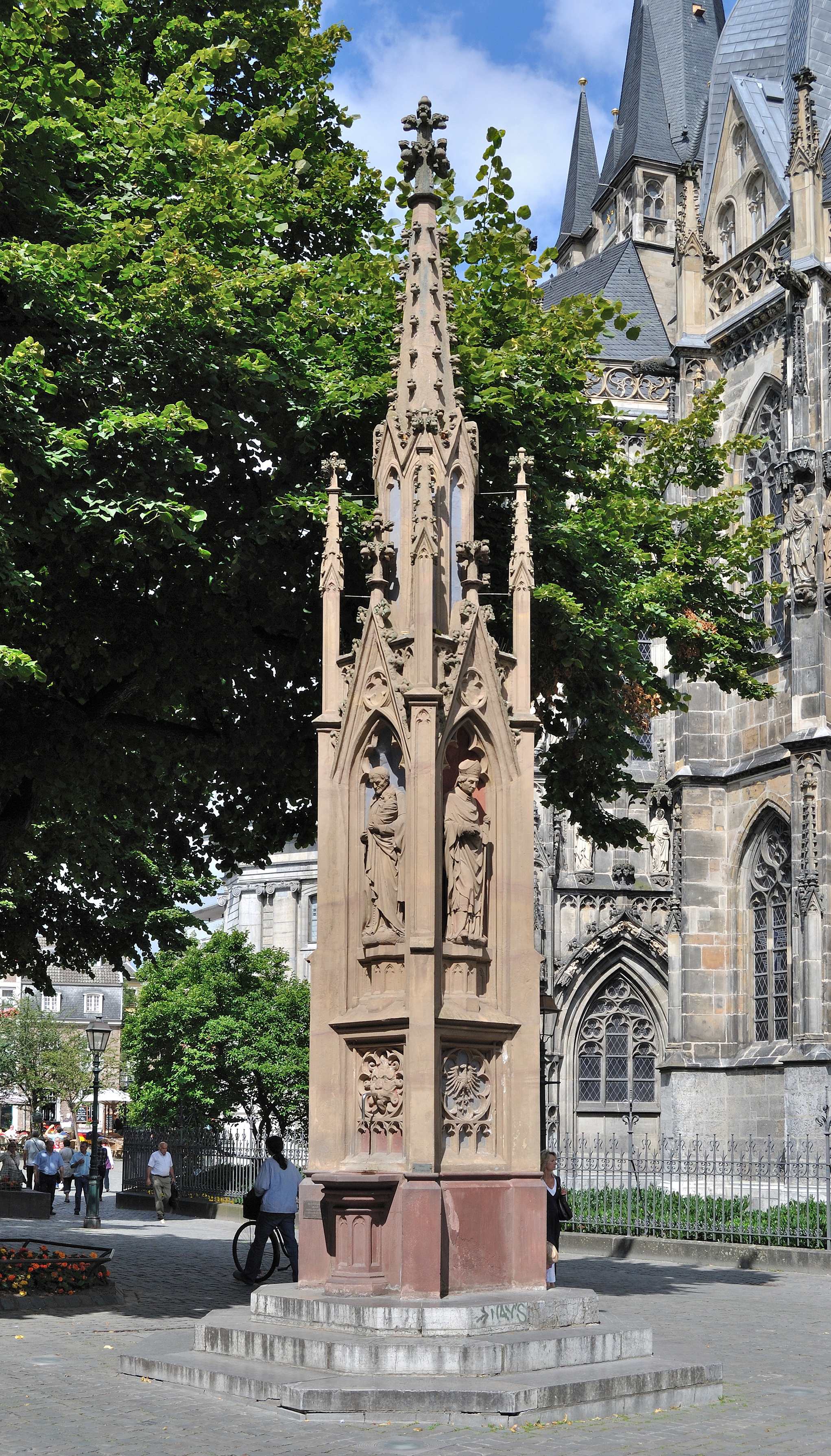
- Vinzenzbrunnen – A small stone fountain with a historic plaque, perfect for a quick photo.
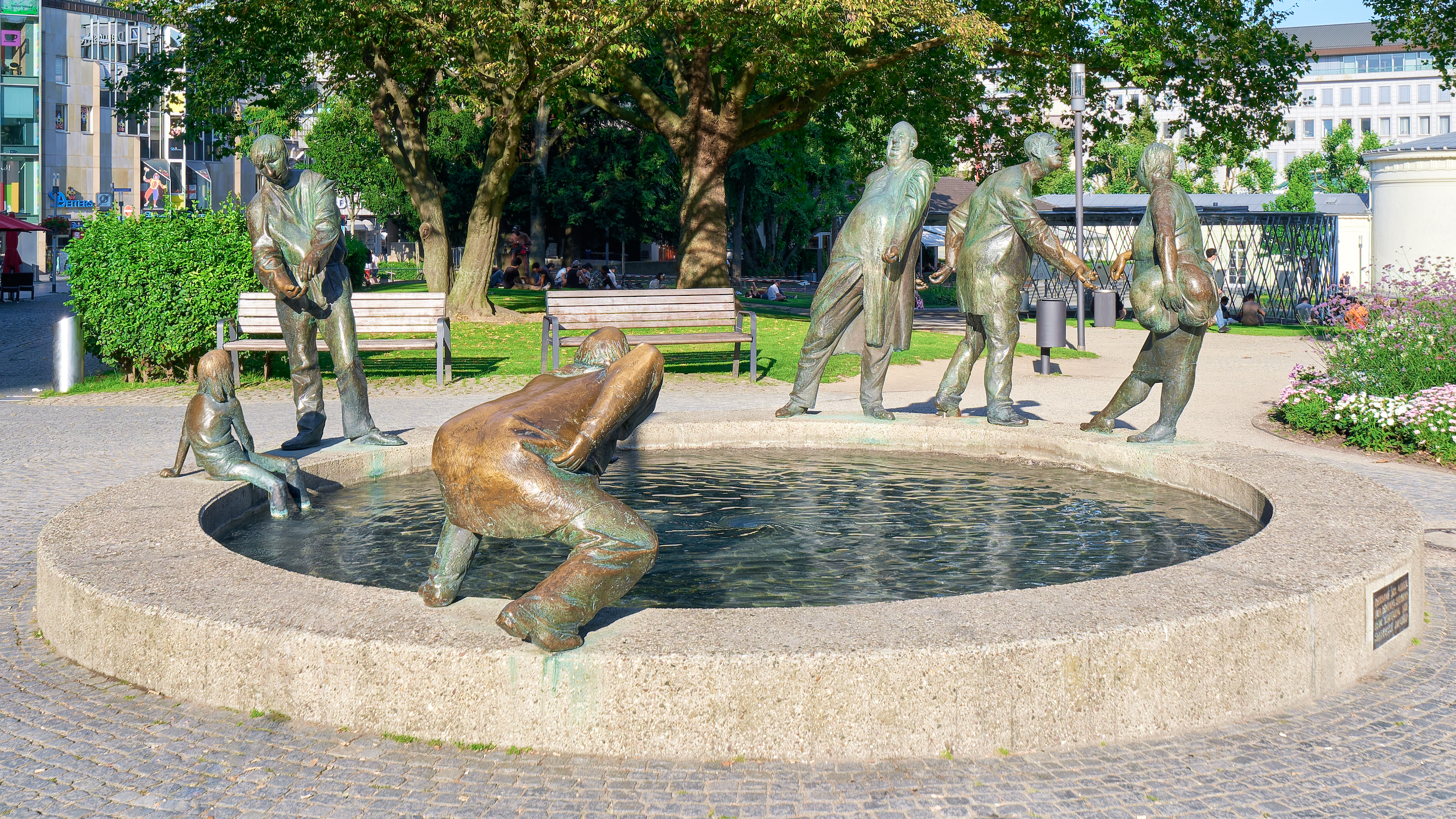
- Puppenbrunnen – A whimsical fountain that once served as a children’s play spot.
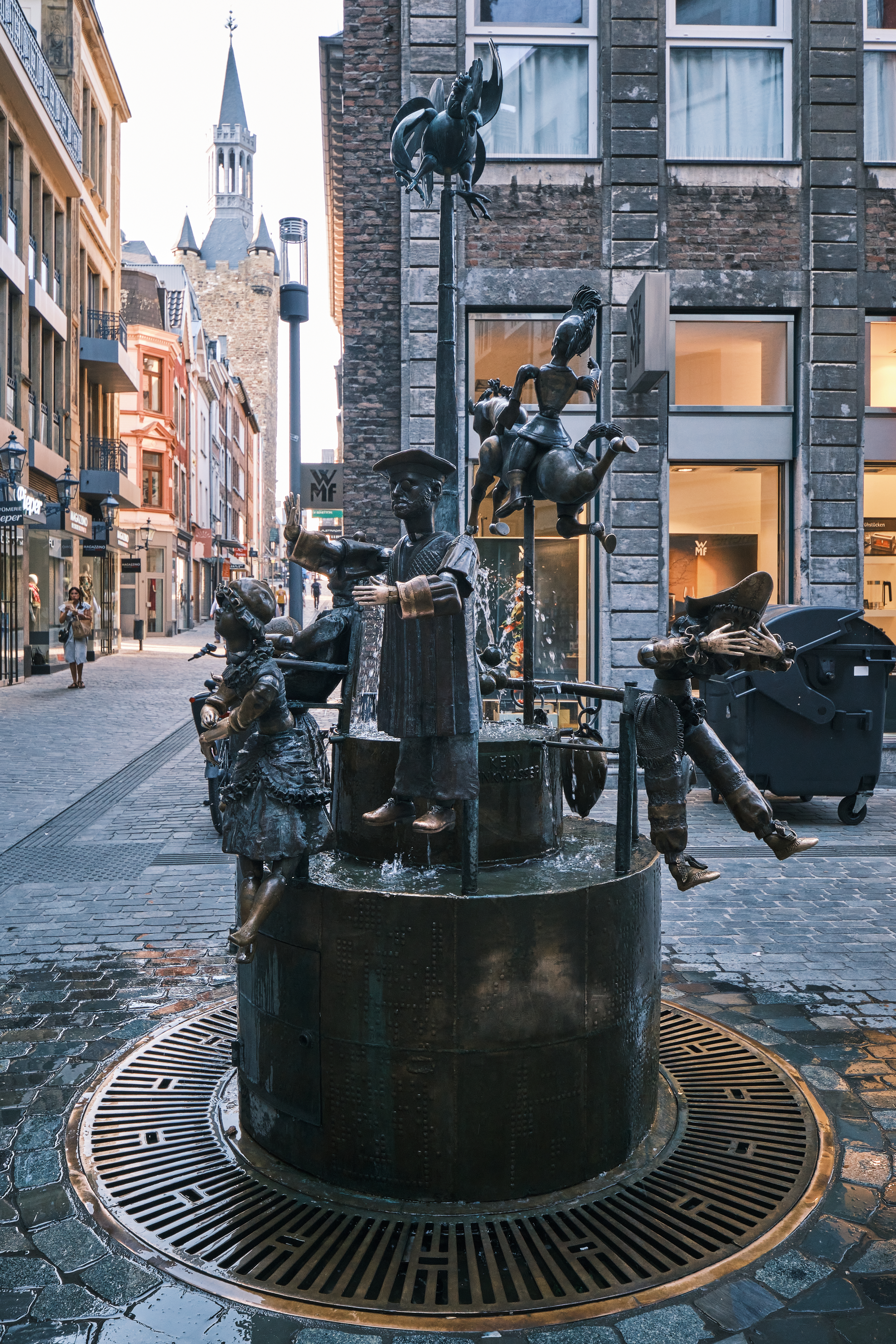
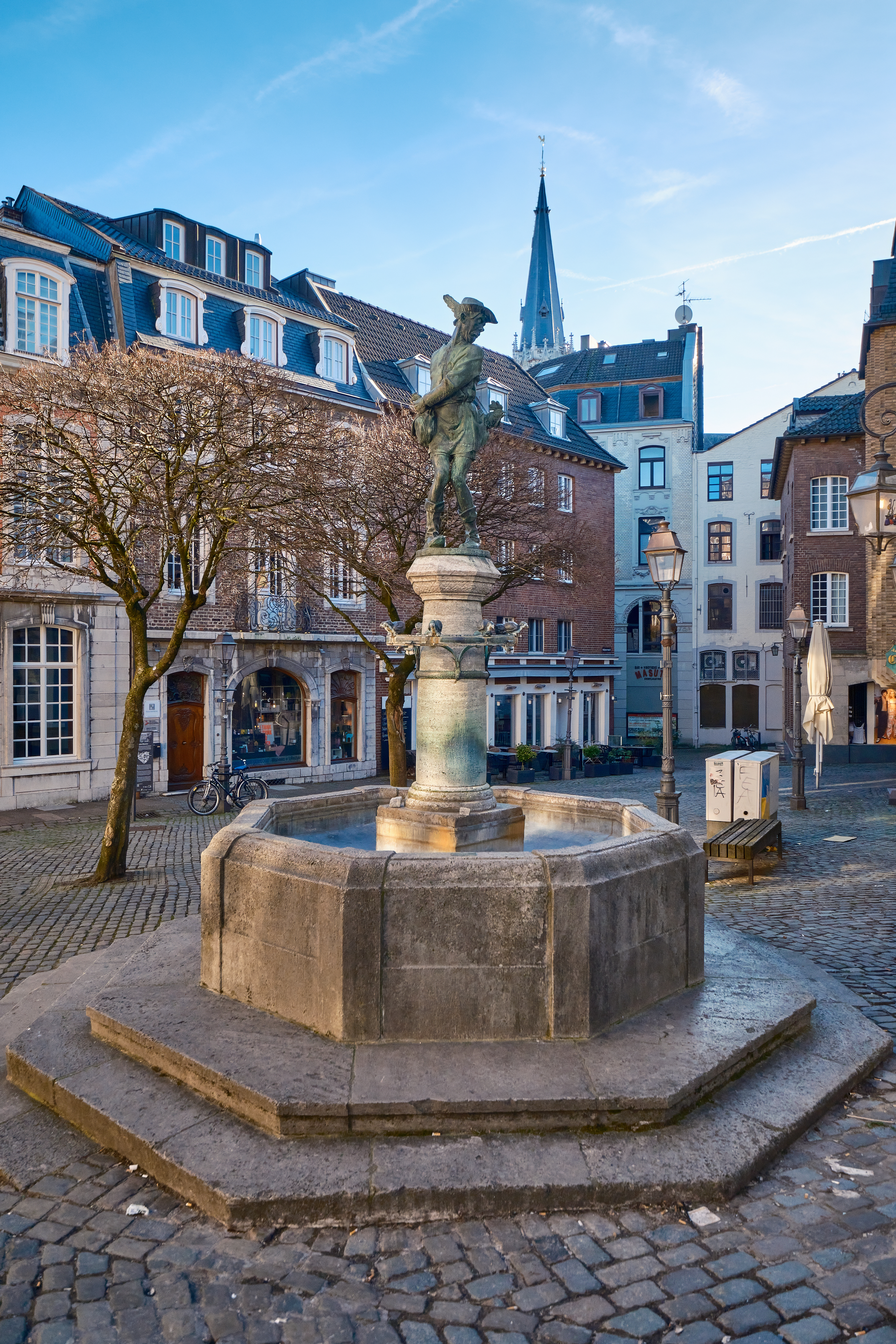
- Hühnerdieb – Slightly farther (≈200 m), this quirky fountain carries a legend about a mischievous chicken thief.
Each of these sites adds depth to your fountain‑hopping adventure and can be explored comfortably on foot. For more details, you can search each name on Wikipedia or the Aachen tourism website.
Travel Tips
| Tip | Details |
|---|---|
| Carry a reusable water bottle | Many of Aachen’s fountains, including Fischpüddelchen, provide clean drinking water—great for staying hydrated while reducing plastic waste. |
| Wear comfortable shoes | Cobblestone streets can be uneven; sturdy, flat shoes make walking between fountains enjoyable. |
| Check opening hours of nearby cafés | The cafés around the fountain open early (around 7 am) and stay open late (until 10 pm), perfect for a coffee break before or after your visit. |
| Use a local map app | Apps like Komoot or Google Maps with the coordinates 50.774650, 6.082776 will guide you straight to the fountain and highlight the surrounding attractions. |
| Respect local customs | Aachen residents value quiet public spaces; keep noise levels low, especially in the early morning. |
| Seasonal clothing | Weather can change quickly, especially in spring and autumn; bring a lightweight rain jacket. |
| Photography etiquette | If you’re using a tripod, be mindful of pedestrians and avoid blocking the pathway. |
| Combine with a city tour | Many guided walking tours of Aachen include a stop at Fischpüddelchen, offering historical context you might otherwise miss. |
Final Thoughts
Fischpüddelchen may not dominate travel guide headlines, but its modest presence captures the heart of Aachen’s everyday charm. Whether you’re a seasoned fountain enthusiast, a history lover, or simply a curious traveler seeking a quiet corner of the city, this little water feature invites you to slow down, listen to the gentle flow, and appreciate the small details that make Aachen unforgettable.
So next time you find yourself wandering the streets of North Rhine‑Westphalia, let the sound of water guide you to Fischpüddelchen—Aachen’s tiny, timeless splash of serenity.
Happy travels, and may your journey be as refreshing as the fountain’s own stream!