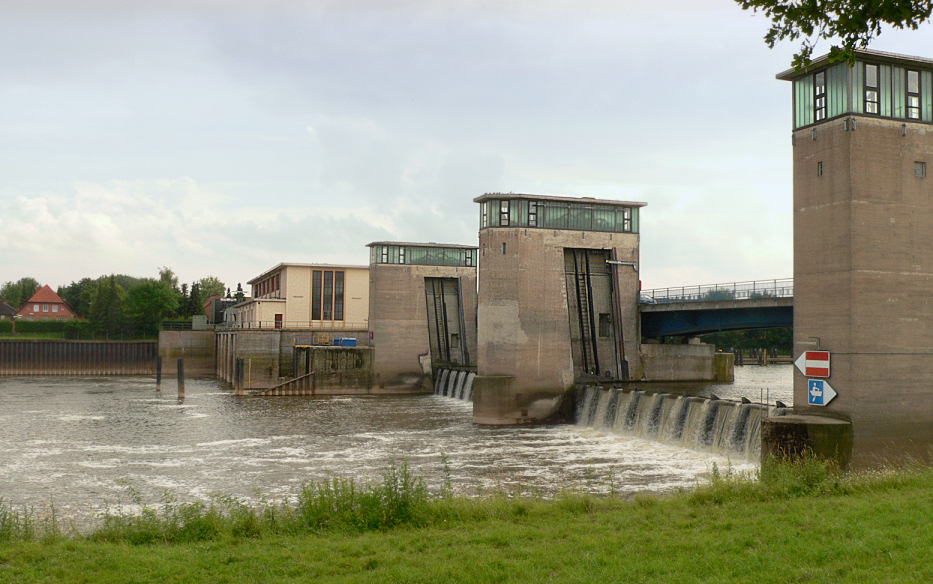
Staustufe Drakenburg – The Hidden Weir Gem of Lower Saxony
Discover the quiet charm of Staustufe Drakenburg, a modest yet captivating weir nestled in the heart of Lower Saxony, Germany. Perfect for river‑side walks, photography, and off‑the‑beaten‑path exploration, this spot offers a slice of authentic German countryside that many travelers overlook.
1. Introduction
If you think Germany’s travel highlights are limited to bustling cities, fairy‑tale castles, and the Alpine peaks, think again. Along the gentle waterways of Lower Saxony lies Staustufe Drakenburg, a humble weir that quietly shapes the landscape and invites visitors to pause, breathe, and soak in the serene ambience. Whether you’re a water‑engineer enthusiast, a nature photographer, or simply a wanderer seeking a peaceful retreat, this unassuming structure delivers a rewarding experience far from the usual tourist crowds.
2. About Staustufe Drakenburg
What Is It?
- Name: Staustufe Drakenburg
- Type: Weir (🚧)
- Location: Drakenburg, Lower Saxony, Germany
- Coordinates: 52.688957 N, 9.210623 E
A weir is a low dam built across a river to regulate water flow, maintain navigation depth, and sometimes generate modest hydro‑electric power. While the exact height and altitude of Staustufe Drakenburg remain undocumented, its presence is vital for local water management, flood control, and ecological balance.
Historical Snapshot
The weir’s origins are tied to the centuries‑long tradition of harnessing the Weser‑region’s waterways for agriculture, transport, and industry. Though specific construction dates are scarce, historical records indicate that such structures were gradually introduced during the 19th‑ and early 20th‑centuries to support the growing needs of nearby villages, including the charming district of Drakenburg. Over time, Staustufe Drakenburg evolved from a purely functional installation into a quiet landmark that locals cherish.
Why It Matters
- Environmental stewardship: By moderating river flow, the weir helps protect downstream habitats and supports fish migration patterns.
- Cultural relevance: The structure is a reminder of the region’s engineering heritage and the close relationship between the community and its waterways.
- Scenic value: The gentle cascade created by the weir provides a picturesque backdrop for sunrise walks and bird‑watching sessions.
For a deeper dive into its background, check the German‑language Wikipedia entry: Staustufe Drakenburg (de).
3. How to Get There
By Car
- From Hannover: Take the A2 eastbound toward Braunschweig, exit at Bückeburg (Exit 23), then follow the B65 south for ~15 km. Turn left onto L 212 toward Drakenburg; the weir is sign‑posted just outside the village.
- From Bremen: Follow the A27 south to the Nienburg interchange, then the B65 eastward. The route is well‑marked and the drive takes roughly 1 hour (≈80 km).
Parking is available in a small lay‑by near the weir, offering easy access to the riverbank trail.
By Public Transport
- Train: The nearest station is Nienburg (Weser) Bahnhof, served by regional RE‑lines from Hannover, Bremen, and Minden. Trains run roughly hourly.
- Bus: From Nienburg, catch the Bus 842 (Nienburg → Drakenburg) which departs every 30 minutes during weekdays. The stop “Drakenburg, Weir” is a short walk from the site.
By Bike
Lower Saxony’s well‑maintained cycling network makes a bike trip a delight. The Weser Cycle Route (WeserRadweg) passes close to Drakenburg, offering scenic riverside paths and bike‑friendly signage.
4. Best Time to Visit
| Season | Highlights | Why Visit |
|---|---|---|
| Spring (April‑May) | Fresh blossoms, migratory birds returning, water levels rising | Ideal for photography and bird‑watching |
| Summer (June‑August) | Warm days, longer daylight, occasional local festivals | Perfect for leisurely walks and picnics |
| Autumn (September‑October) | Golden foliage, calmer river flow, fewer tourists | Great for tranquil reflection and sunset shots |
| Winter (November‑March) | Frost‑kissed water, quiet atmosphere, occasional ice‑formation (safe to view from a distance) | Offers a stark, moody landscape for creative photographers |
Overall, late spring to early autumn provides the most comfortable weather and vibrant scenery. However, the weir’s understated beauty shines year‑round, especially if you enjoy the crisp serenity of winter.
5. What to Expect
- Scenic River Views: The weir creates a gentle cascade that glistens under the sun, framing the surrounding low‑lying fields and the distant silhouettes of historic farmhouses.
- Wildlife Encounters: Keep an eye out for kingfishers, herons, and occasionally otters that frequent the calmer pools downstream.
- Quiet Trails: A modest, well‑kept footpath runs parallel to the water, suitable for casual strolling, jogging, or a reflective pause. Benches placed near the weir invite you to sit and listen to the soft murmur of flowing water.
- Local Vibe: You’ll often hear the faint hum of nearby agricultural activity—tractors, cattle bells—adding an authentic rural soundtrack.
- Photography Opportunities: The combination of water motion, surrounding greenery, and occasional mist makes for compelling long‑exposure shots. Early morning light yields soft pastel tones, while sunset paints the sky in warm amber hues.
6. Nearby Attractions
While Staustufe Drakenburg is the star of the day, the surrounding countryside offers several charming points of interest within a short drive (or bike ride). All distances are measured from the weir.
| Attraction | Type | Distance | Quick Info |
|---|---|---|---|
| Unnamed Fountain | Fountain | 5.2 km | A historic stone fountain set in a small meadow, perfect for a quick photo stop. |
| Unnamed Fountain | Fountain | 5.2 km | Similar in style to the first, this water feature is surrounded by a modest orchard. |
| Unnamed Fountain | Fountain | 5.5 km | Features a decorative wrought‑iron basin and a plaque commemorating local water rights. |
| Spargelbrunnen | Fountain | 5.7 km | Literally “Asparagus Fountain,” celebrating the region’s famed asparagus harvest. |
| Unnamed Weir | Weir | 5.8 km | Another functional water structure offering a comparative look at local engineering. |
Tip: Most of these sites are reachable via the same country roads that lead to Drakenburg, making them ideal for a relaxed half‑day itinerary. If you’re driving, simply follow the signposts toward “Brunnen” (German for fountain) or ask locals for directions.
7. Travel Tips
- Bring Comfortable Footwear – The riverbank path can be uneven and occasionally muddy, especially after rain.
- Pack a Light Picnic – There are no cafés directly at the weir, but the surrounding fields provide ample space for a quiet lunch.
- Check Water Levels – During heavy spring rains, the flow may be stronger; stay behind any safety railings.
- Respect Private Property – Some adjacent lands are privately owned. Stick to marked trails and avoid trespassing.
- Photography Gear – A tripod and neutral‑density filter are useful for capturing the smooth water effect.
- Stay Connected – Mobile coverage is decent but can be spotty near the river; download offline maps beforehand.
- Seasonal Events – The nearby village of Drakenburg occasionally hosts a “Wasserfest” (water festival) in July. Check local calendars for dates if you want to experience regional culture.
Wrap‑Up
Staustufe Drakenburg may not boast the grandeur of a castle or the buzz of a metropolis, but its quiet elegance and authentic countryside vibe make it a must‑visit for travelers seeking a genuine slice of Lower Saxony. From gentle river sounds to nearby historic fountains, the area offers a balanced blend of nature, engineering heritage, and local charm. So load up your camera, hop on a bike, or simply enjoy a leisurely drive—Staustufe Drakenburg awaits, ready to add a tranquil chapter to your German adventure.
Happy travels!