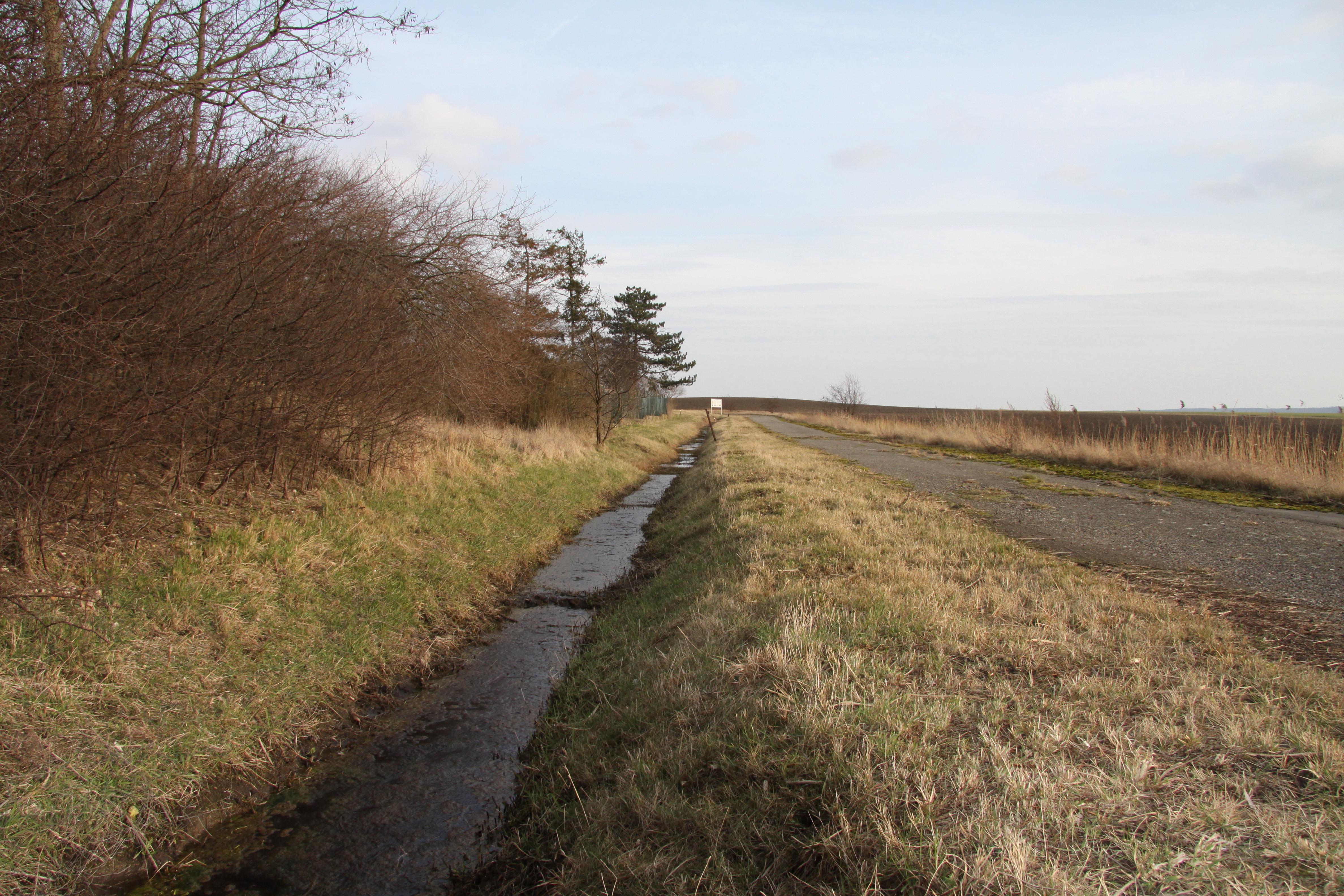
Discover Salzquelle – A Hidden Spring Gem in Lower Saxony
If you’re wandering through the gentle hills of Lower Saxony, a quiet splash of crystal‑clear water awaits you at Salzquelle. Tucked away near the charming village of Sickte, this natural spring offers a peaceful pause for hikers, history buffs, and anyone craving a slice of authentic German countryside.
1. Introduction
Imagine stepping off a forest trail and hearing the soft murmur of water bubbling from the earth itself. The scent of moss and pine fills the air, and a cool mist kisses your skin. That’s the moment you’ll experience at Salzquelle, a modest yet mesmerizing spring in the heart of Lower Saxony. While it doesn’t boast towering waterfalls or bustling tourist crowds, Salzquelle’s unspoiled charm makes it a perfect off‑the‑beaten‑path destination for travelers seeking authentic nature experiences in Germany.
2. About Salzquelle
What Is Salzquelle?
- Type: Natural spring (💧)
- Location: Sickte, Lower Saxony, Germany
- Coordinates: 52.199247 N, 10.601306 E
Salzquelle, which translates roughly to “salt spring,” is part of the historic Salzgraben Salzdahlum water system—a network of channels that once supplied saline water to the nearby Salzdahlum Castle. Although the exact height and altitude of the spring remain undocumented, its presence is a testament to the region’s rich hydro‑geological history.
A Brief Historical Glimpse
The spring’s name hints at a centuries‑old connection to salt extraction, a once‑vital industry in northern Germany. While the spring itself is not a commercial source today, its waters once fed the Salzgraben, an engineered ditch that carried brine from the surrounding marshes to the palace’s salt works. This historic link adds a layer of cultural intrigue for visitors who love to combine nature walks with a touch of local heritage.
Why It Matters
Salzquelle may be small, but it plays an essential role in the local ecosystem. The spring feeds nearby wetlands, supporting a variety of flora and fauna that thrive in the moist, mineral‑rich environment. For birdwatchers, the surrounding reeds and meadows attract species such as the Eurasian reed warbler and the common kingfisher. For photographers, the interplay of light on the water’s surface offers endless creative possibilities.
3. How to Get There
By Car
- From Hannover: Take the A7 south toward Braunschweig, exit at B4 toward Wolfenbüttel, then follow signs to Sickte. The spring is located just outside the village, with parking available at the small lay‑by on Kleinsteinstraße.
- From Hamburg: Follow the A1 south to B209, then head east toward Sickte. The route is well‑marked, and the drive offers scenic views of the Lower Saxony countryside.
By Public Transport
- Train: The nearest regional train station is Sickte Bahnhof, served by Deutsche Bahn’s regional lines. From the station, you can catch a local bus (line R12) toward the village center.
- Bus: The Sickte–Vordorf bus stops within walking distance of the spring. Check the latest timetables on the Verkehrsgemeinschaft Peine website.
On Foot or Bike
If you enjoy cycling, the Lower Saxony Green Trail (Grüner Weg) passes close to Salzquelle. The trail is well‑maintained and suitable for both road bikes and mountain bikes. Hiking enthusiasts can follow the marked forest paths from the Sickte village square; the walk takes roughly 15‑20 minutes and offers gentle elevation changes.
4. Best Time to Visit
| Season | What to Expect | Why It’s Ideal |
|---|---|---|
| Spring (April–June) | Fresh blossoms, lively bird song, moderate temperatures (10‑18 °C). | The forest is lush, and the spring’s flow is at its most vigorous after winter melt. |
| Summer (July–August) | Warm days (20‑25 °C), longer daylight hours. | Perfect for picnics and evening walks; the water remains cool and refreshing. |
| Autumn (September–October) | Golden foliage, crisp air, fewer visitors. | The surrounding woods turn amber, creating a photogenic backdrop. |
| Winter (November–March) | Quiet, occasional frost, occasional snow. | A serene, almost magical atmosphere—just be sure to wear waterproof boots. |
Overall, late spring to early autumn offers the most comfortable conditions for exploring Salzquelle and its surroundings.
5. What to Expect
When you arrive at Salzquelle, you’ll find a modest stone basin where clear water bubbles up from the earth. The spring is surrounded by a small, well‑kept meadow edged with birch and pine trees. A simple wooden bench sits nearby, inviting you to sit, sip, and soak in the tranquility.
- Sensory Experience: The sound of water gently splashing against stone, the cool mist on your face, and the earthy scent of moss create a meditative ambiance.
- Wildlife: Keep an eye out for dragonflies flitting over the surface, and you may spot a kingfisher diving for fish.
- Photography: Early morning light filters through the canopy, casting dappled shadows—ideal for macro shots of water droplets or wide‑angle landscape photos.
Because the spring is not commercialized, there are no souvenir shops or cafés on site. However, the nearby village of Sickte offers a handful of traditional bakeries and cafés where you can enjoy a warm pretzel or a cup of coffee after your nature walk.
6. Nearby Attractions
While Salzquelle is the star of the day, the surrounding area boasts several other natural and cultural points of interest—all within a short drive or bike ride:
| Distance | Attraction | Type | Link |
|---|---|---|---|
| 2.6 km | Local Weir | Weir | Weir (2.6 km) |
| 3.5 km | Secondary Spring | Spring | Spring (3.5 km) |
| 3.5 km | Another Spring | Spring | Spring (3.5 km) |
| 5.0 km | Historic Weir | Weir | Weir (5.0 km) |
| 5.6 km | Scenic Weir | Weir | Weir (5.6 km) |
Tip: Pair your visit to Salzquelle with a short bike ride to one of the nearby weirs. These historic water management structures provide insight into the region’s engineering past and offer additional spots for birdwatching and photography.
For a deeper dive into the historical context of the spring, explore the German‑language Wikipedia page on Salzgraben Salzdahlum, which details the broader water system that once supplied the famous Salzdahlum Castle.
7. Travel Tips
| Tip | Details |
|---|---|
| Footwear | Wear sturdy, waterproof hiking boots—especially in spring when the ground can be slippery. |
| Pack Light | A small daypack with water, snacks, and a rain jacket is sufficient. There are no facilities at the spring itself. |
| Respect Nature | Keep the area clean; carry out any litter. The spring’s ecosystem is delicate. |
| Timing | Arrive early in the morning (especially in summer) to avoid the occasional crowd and capture the best light for photos. |
| Local Cuisine | After your visit, stop by Bäckerei Schmidt in Sickte for fresh rye bread and a slice of German apple cake. |
| Safety | While the water is safe to view, it is not intended for swimming. The depth is unknown, and the terrain can be uneven. |
| Connectivity | Mobile reception can be spotty; consider downloading offline maps of the area beforehand. |
| Seasonal Gear | In winter, bring insulated gloves and a thermos of hot tea to enjoy while you watch the frost‑kissed landscape. |
Final Thought
Salzquelle may not appear on the typical tourist itinerary, but that’s exactly why it feels like a secret treasure. Whether you’re a nature lover, a history enthusiast, or simply a traveler craving a quiet moment away from bustling city streets, this modest spring in Lower Saxony offers a genuine slice of German countryside charm. Pack your walking shoes, follow the coordinates 52.199247 N, 10.601306 E, and let the gentle flow of Salzquelle refresh your spirit.
Happy travels, and may the spring’s serenity stay with you long after you leave!