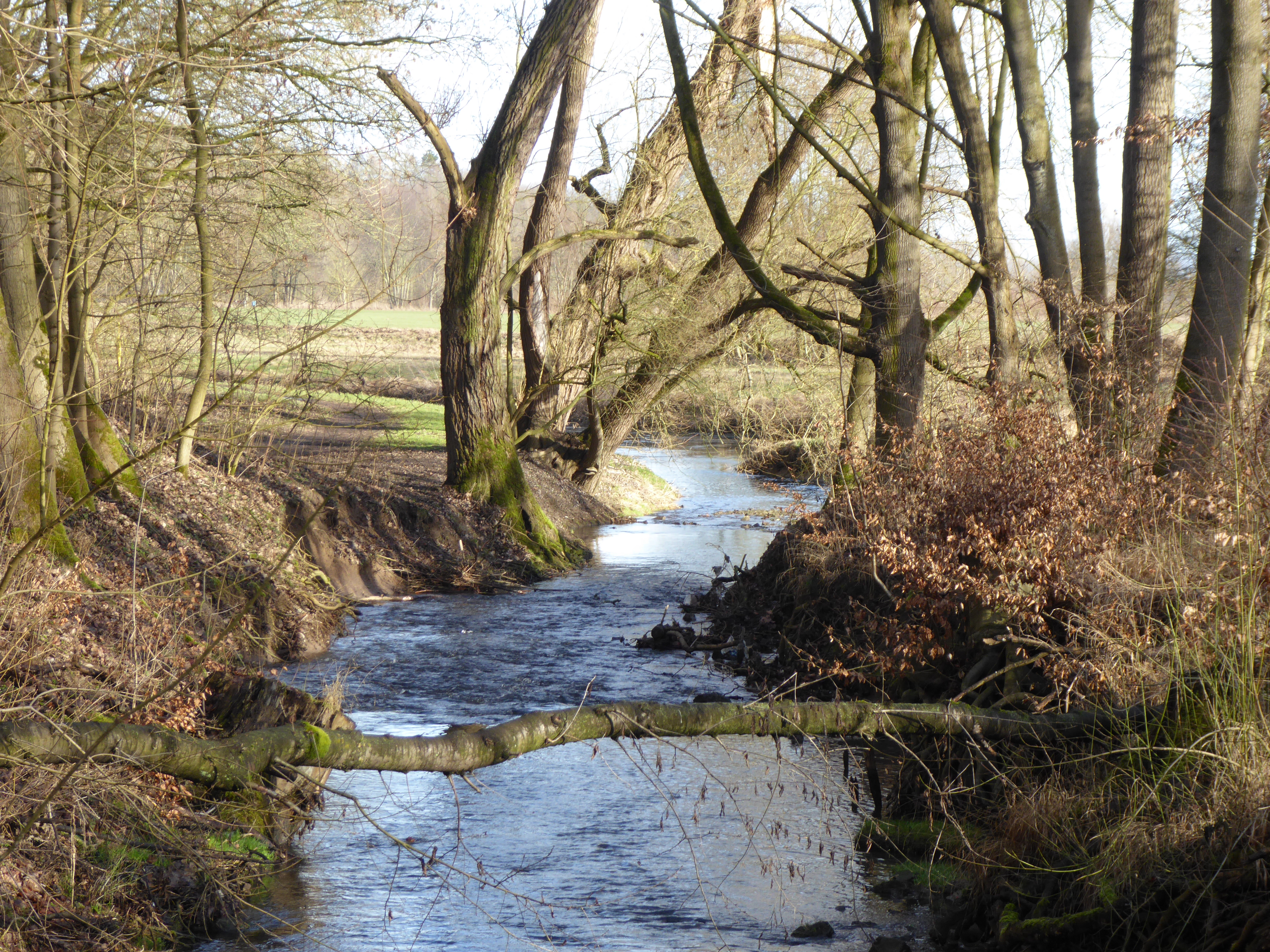
Gronespring – The Hidden Gem of Lower Saxony’s Countryside
Discover the crystal‑clear waters of Gronespring, a modest yet mesmerizing spring tucked away in Rosdorf, Lower Saxony. Whether you’re a nature lover, a photography enthusiast, or simply craving a peaceful escape from the city, Gronespring offers a refreshing slice of German natural heritage.
1. Introduction
Imagine a quiet spot where water bubbles up from the earth at a steady 200–300 liters per second, filling the air with a gentle, soothing sound. That’s Gronespring (German: Grone‑Quelle), a modest spring that may not appear on every tourist map, but whose pristine flow and surrounding woodlands make it a perfect day‑trip destination for anyone traveling through Lower Saxony.
Located just outside the charming village of Rosdorf, the spring sits at the coordinates 51.533502 N, 9.874567 E—a pinpoint that leads you straight into the heart of the German countryside. In this guide, we’ll explore everything you need to know to make the most of your visit: the spring’s story, how to get there, the best seasons to experience it, nearby attractions, and practical travel tips.
2. About Gronespring
A Natural Water Source
Gronespring is a freshwater spring that feeds the Grone River. According to the German Wikipedia entry for the Grone River, the spring discharges 200 to 300 liters per second, a respectable flow for a spring of its size. The water is clear, cool, and constantly replenished by the underground aquifer that runs beneath the Lower Saxony landscape.
Historical Context
While detailed historical records of Gronespring are scarce, the spring has long been part of the local water network that supported agriculture and daily life in Rosdorf and surrounding villages. Springs like Gronespring were historically valued for their reliability, especially before modern plumbing reached rural Germany. The name “Grone” itself is tied to the river that eventually joins the Leine, linking the spring to a larger watershed that has shaped settlement patterns for centuries.
Why It Matters
In today’s world, natural springs are treasured for their ecological importance and recreational value. Gronespring contributes to the biodiversity of the region, providing a habitat for aquatic insects, amphibians, and a host of bird species that rely on clean water sources. For travelers, the spring offers a rare glimpse into an untouched water source—an experience that feels both timeless and revitalizing.
For more technical details, see the Wikipedia entry: Grone (Fluss) – Quelle Grone.
3. How to Get There
By Car
Driving is the most straightforward way to reach Gronespring, especially if you’re exploring the broader Lower Saxony region.
| Starting Point | Approx. Distance | Recommended Route |
|---|---|---|
| Hannover (major city) | ~55 km (35 mi) | Take the A2 eastbound toward Braunschweig, then exit onto B3 toward Rosdorf. Follow local signs to the village center; the spring is just outside town, marked by a small footpath. |
| Göttingen | ~30 km (19 mi) | Head north on B3, turn onto L321 toward Rosdorf. Parking is available at the village’s public lot near the church. |
Parking is free in the village lot, and the spring is a short 5‑minute walk from the lot. The route is well‑signposted, but a GPS or smartphone map using the coordinates 51.533502, 9.874567 ensures you’ll find the exact spot.
By Public Transport
If you prefer trains and buses, the journey is still convenient:
- Train: Catch a regional train (Deutsche Bahn RE or RB) to Rosdorf (Leine) station from Hannover or Göttingen. Trains run roughly hourly.
- Bus: From Rosdorf station, take the local Bus 321 toward the village center. The bus stops within a few minutes’ walk of the spring.
- Walking: The final stretch is a pleasant, well‑maintained path through a small forested area—ideal for a short nature walk before you reach the water’s edge.
Bicycle
Lower Saxony’s countryside is bike‑friendly. The Leine Cycle Route (Leine-Radweg) passes near Rosdorf, offering a scenic, low‑traffic ride to Gronespring. Bring a lock for your bike at the village lot.
4. Best Time to Visit
| Season | What to Expect | Why It’s Ideal |
|---|---|---|
| Spring (April‑May) | Budding trees, lively birdsong, cooler water temperatures. | The spring’s flow is at its freshest after the winter melt, making the water especially clear. |
| Summer (June‑August) | Warm weather, longer daylight hours, vibrant greenery. | Ideal for picnics and photography; the surrounding meadows are in full bloom. |
| Autumn (September‑October) | Golden foliage, crisp air, quieter visitor numbers. | The contrast between amber leaves and the blue‑green water creates striking photos. |
| Winter (November‑March) | Snow‑covered landscape, peaceful silence. | If you enjoy solitude, winter offers a mystical, almost ethereal view of the spring, though the path can be icy. |
Peak visitor season is late spring to early autumn. Arriving early in the morning (around 8 am) helps you beat the small crowds and capture soft, natural light for photos.
5. What to Expect
When you step onto the footpath leading to Gronespring, you’ll be greeted by the gentle sound of water emerging from the earth. The spring’s 200‑300 L/s flow creates a small, bubbling pool that feeds a narrow stream heading toward the Grone River. The water temperature stays cool year‑round, perfect for a quick splash on a hot summer day.
The surrounding area is a mixture of mixed deciduous forest and open meadow, providing ample opportunities for birdwatching. Expect to see species such as the European robin, great tit, and perhaps a common kingfisher skimming the water’s surface.
The site is uncommercialized—there are no cafés or souvenir stalls directly at the spring. However, the nearby village of Rosdorf offers a traditional German bakery where you can pick up fresh pretzels, rye bread, or a slice of Apfelstrudel before heading back to the spring for a picnic.
Because the spring is a natural water source, it is not recommended for drinking without proper filtration. The water is, however, perfect for photographing the crystal‑clear flow and the moss‑covered rocks that line the pool.
6. Nearby Attractions
While Gronespring is the star of the day, the surrounding countryside boasts several other points of interest within a short walk or bike ride:
| Attraction | Distance | Type | Quick Info |
|---|---|---|---|
| [Unnamed Fountain] | 0.2 km | Fountain | A small historic stone fountain, perfect for a quick photo stop. |
| Gesundbrunnen | 1.1 km | Spring | Another natural spring known locally for its “health‑giving” water. |
| [Unnamed Spring] | 1.1 km | Spring | A quiet spring surrounded by wildflowers, ideal for a short meditation. |
| [Unnamed Spring] | 1.1 km | Spring | Similar to the previous spring, offering a serene spot for nature lovers. |
| Am Thie | 1.3 km | Fountain | A decorative fountain set in a small park, often visited by locals. |
Note: While some of these attractions lack dedicated webpages, you can locate them easily using a GPS or by following local signposts from Gronespring. The short distances make them perfect for a leisurely walking tour.
7. Travel Tips
| Tip | Details |
|---|---|
| Wear sturdy walking shoes | The path to the spring includes uneven stones and occasional mud, especially after rain. |
| Bring a reusable water bottle | You can refill it at the village’s public water tap (not the spring itself). |
| Pack a light picnic | There are no on‑site food vendors; a sandwich, fruit, and a pastry from Rosdorf’s bakery make a perfect lunch. |
| Respect the environment | Keep the area clean, stay on marked trails, and avoid disturbing wildlife. |
| Check weather forecasts | Winter visits may require crampons or spikes for icy sections. |
| Photography gear | A wide‑angle lens captures the spring’s flow; a polarizing filter reduces glare on the water surface. |
| Local events | Rosdorf hosts a summer “Kräuterfest” (herb festival) in July—great for combining cultural experiences with your nature outing. |
| Currency | Germany uses the Euro (€). Most small shops accept cash only, so have some on hand. |
| Language | While German is the primary language, many locals in the tourism sector speak basic English. A few polite German phrases (“Bitte,” “Danke”) go a long way. |
Final Thought
Gronespring may not have the grandeur of a waterfall or the fame of a historic monument, but its quiet charm, pristine water, and surrounding natural beauty make it a standout destination for anyone exploring Lower Saxony. Pair it with a stroll through Rosdorf, a bite of local bakery fare, and a few neighboring springs, and you’ve crafted a day‑long adventure that feels both authentic and refreshing.
So grab your walking shoes, load your camera, and set your GPS to 51.533502, 9.874567—the hidden spring of Gronespring is waiting to welcome you. Safe travels!