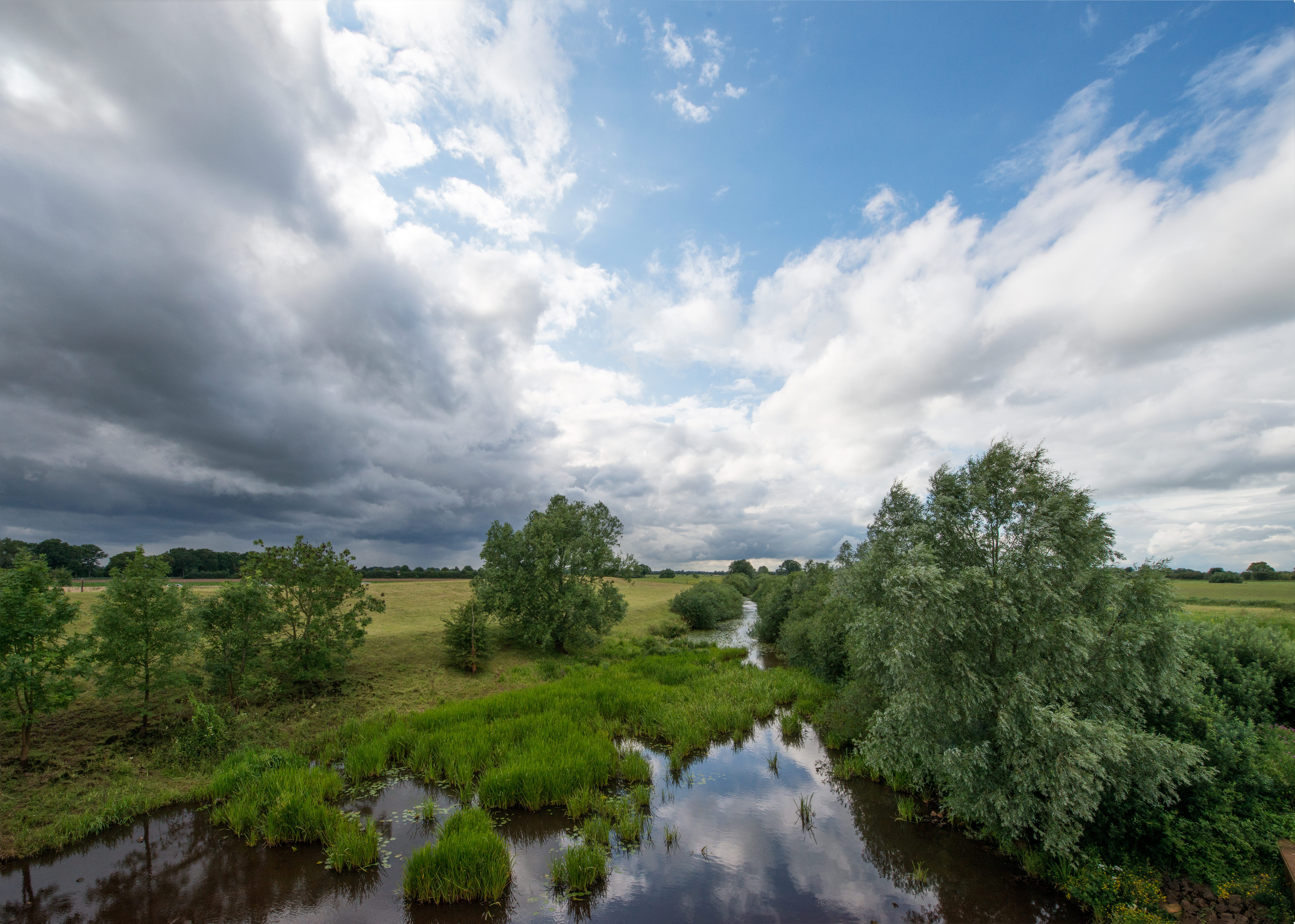
Discover the Hidden Gem of Lower Saxony: Eiter Quellgebiet
If you’ve ever dreamed of stumbling upon a secret spring tucked away in the tranquil German countryside, the Eiter Quellgebiet in Bruchhausen‑Vilsen is the place to make that dream a reality.
1. Introduction
Imagine a crystal‑clear water source bubbling up from the earth, surrounded by rolling fields, historic farms, and the gentle hum of the Weser River nearby. This is Eiter Quellgebiet, a modest yet mesmerizing spring that sits quietly at the heart of Lower Saxony. While it may not have the fame of the Black Forest waterfalls or the Bavarian alpine lakes, its unspoiled charm makes it a perfect spot for nature lovers, photographers, and anyone looking to escape the tourist crowds. In this guide we’ll dive into the spring’s story, how to reach it, the best time to visit, and what else you can explore in the surrounding area.
2. About Eiter Quellgebiet
A Quiet Piece of Natural History
Eiter Quellgebiet (literally “Eiter spring area”) is located at 52.802403 N, 8.993895 E in the municipality of Bruchhausen‑Vilsen, a picturesque town in the district of Diepholz, Lower Saxony. The spring is part of the larger Eiter (Weser) water system, which eventually feeds into the Weser River—one of Germany’s most important waterways. Although the exact height and altitude of the spring are not recorded, its presence has been noted on local maps and in the German Wikipedia entry for Eiter (Weser).
Why It Matters
In a region where agriculture dominates the landscape, natural springs like Eiter have historically provided fresh water for livestock, irrigation, and even small‑scale milling. The spring’s name appears in historic documents that trace the development of Br Bruchhausen‑Vilsen’s water management, highlighting its role in shaping the community’s livelihood. Today, Eiter Quellgebiet is valued more for its ecological and aesthetic qualities, offering a glimpse into the pristine hydrology of the North German Plain.
3. How to Get There
By Car
The most convenient way to reach the spring is by car. From Bremen (≈ 55 km north) or Hanover (≈ 120 km east), follow the A27 towards Rotenburg (Wümme), then take the B215 toward Bruchhausen‑Vilsen. Once you enter the town, follow the signs for “Eiter Quellgebiet” or use a GPS set to the coordinates 52.802403, 8.993895. Parking is available in a small lot just off the local road; the spring is a short, well‑marked walk from the lot.
By Public Transport
- Train: The nearest railway station is Bruchhausen‑Vilsen Bahnhof, served by regional trains from Bremen and Rotenburg.
- Bus: From the station, take the local bus line R31 toward Visselhövede and alight at the Eiter stop (approximately a 5‑minute walk to the spring).
Walking & Cycling
The area is criss‑crossed by scenic bike paths that follow old irrigation canals. If you’re staying in Bruchhausen‑Vilsen, a leisurely 2‑km bike ride (≈ 10 minutes) will bring you straight to the spring—perfect for a sunrise or sunset stroll.
4. Best Time to Visit
| Season | What to Expect | Why It’s Ideal |
|---|---|---|
| Spring (April‑May) | Fresh green shoots, blooming wildflowers, water flow at its peak after winter melt. | The landscape awakens, making photo opportunities abundant. |
| Summer (June‑August) | Warm days, longer daylight, occasional dragonflies hovering over the water. | Ideal for picnics and relaxed walks; the spring’s cool water offers a refreshing contrast. |
| Autumn (September‑October) | Golden foliage, crisp air, fewer visitors. | The golden hour light creates magical reflections on the spring surface. |
| Winter (November‑March) | Quiet, occasional frost on surrounding reeds, water still flowing. | For those who love solitude and the stark beauty of a winter countryside. |
Tip: The spring’s flow is strongest in early spring and after heavy rains, so if you love the sound of bubbling water, aim for those periods.
5. What to Expect
When you arrive at Eiter Quellgebiet, you’ll be greeted by a modest, unassuming water source that emerges from a shallow stone basin. The water is clear, cold, and constantly moving—a soothing soundtrack to the surrounding fields. The site is maintained by the local municipality, so you’ll find a small informational board describing the spring’s role in the local watershed.
Sensory Highlights
- Sight: Crystal‑clear water against a backdrop of emerald grass and occasional birch trees.
- Sound: A gentle, continuous gurgle that blends with distant bird calls.
- Touch: If you’re inclined, the water is safe for a quick hand‑dip—just remember to respect the natural environment.
Photography
The spring’s simplicity makes it a perfect subject for macro shots of water droplets, long‑exposure silhouettes, and wide‑angle landscape frames that capture the open sky of Lower Saxony. Early morning light or the soft glow of golden hour are especially flattering.
6. Nearby Attractions
While Eiter Quellgebiet is the star of the show, the surrounding countryside offers several complementary points of interest—each just a short walk or bike ride away.
| Distance | Attraction | Type | Approx. Travel Time | Link |
|---|---|---|---|---|
| 0.3 km | Local Weir | Weir | 5 min walk | Weir (0.3 km) |
| 0.9 km | Wassermühle (historic water mill) | Weir / Mill | 12 min walk | Wassermühle (0.9 km) |
| 1.7 km | Small Fountain in a meadow | Fountain | 20 min walk / 5 min bike | Fountain (1.7 km) |
| 2.4 km | Another Fountain beside a historic farm | Fountain | 30 min walk / 8 min bike | Fountain (2.4 km) |
| 4.5 km | Larger Weir on a tributary of the Weser | Weir | 10 min drive | Weir (4.5 km) |
These spots are perfect for a relaxed afternoon itinerary: start at the spring, wander to the Wassermühle to learn about historic milling, then follow the trail to the nearby fountains for a refreshing break. The farther weir offers a more substantial water feature and is a great place for bird‑watching.
7. Travel Tips
| Tip | Details |
|---|---|
| Pack Light | The trail to the spring is short but can be uneven. Wear comfortable walking shoes and bring a small backpack with water, snacks, and a rain jacket. |
| Respect the Environment | The spring is part of a protected water system. Avoid littering, stay on marked paths, and refrain from swimming or feeding wildlife. |
| Timing | Arrive early in the morning during peak seasons (spring & summer) to enjoy the tranquility before other visitors arrive. |
| Photography Gear | A tripod is handy for long‑exposure shots of the flowing water. A polarizing filter can reduce glare on the water surface. |
| Local Food | After your visit, stop by the Gasthaus “Zum Eiter” in Bruchhausen‑Vilsen for regional specialties such as Grünkohl (kale) with smoked sausage. |
| Currency & Payments | Most establishments accept cash (Euro) and contactless cards. Smaller farms may prefer cash. |
| Language | While German is the primary language, many locals in tourist areas speak basic English. A few polite German phrases (“Bitte”, “Danke”) go a long way. |
| Safety | The water is cold year‑round; avoid submerging yourself. In winter, icy patches can be slippery— wear traction‑enhanced footwear. |
Final Thoughts
Eiter Quellgebiet may not appear on the typical German travel brochures, but that’s exactly why it’s worth discovering. Its modest spring, surrounded by the gentle rhythm of Lower Saxony’s countryside, offers a rare moment of calm and a chance to connect with nature the way locals have for centuries. Whether you’re a seasoned hiker, a photography enthusiast, or simply a traveler seeking an off‑the‑beaten‑path experience, make sure to add Eiter Quellgebiet to your itinerary—your senses will thank you.
Happy travels, and may the clear waters of Eiter inspire your next adventure!