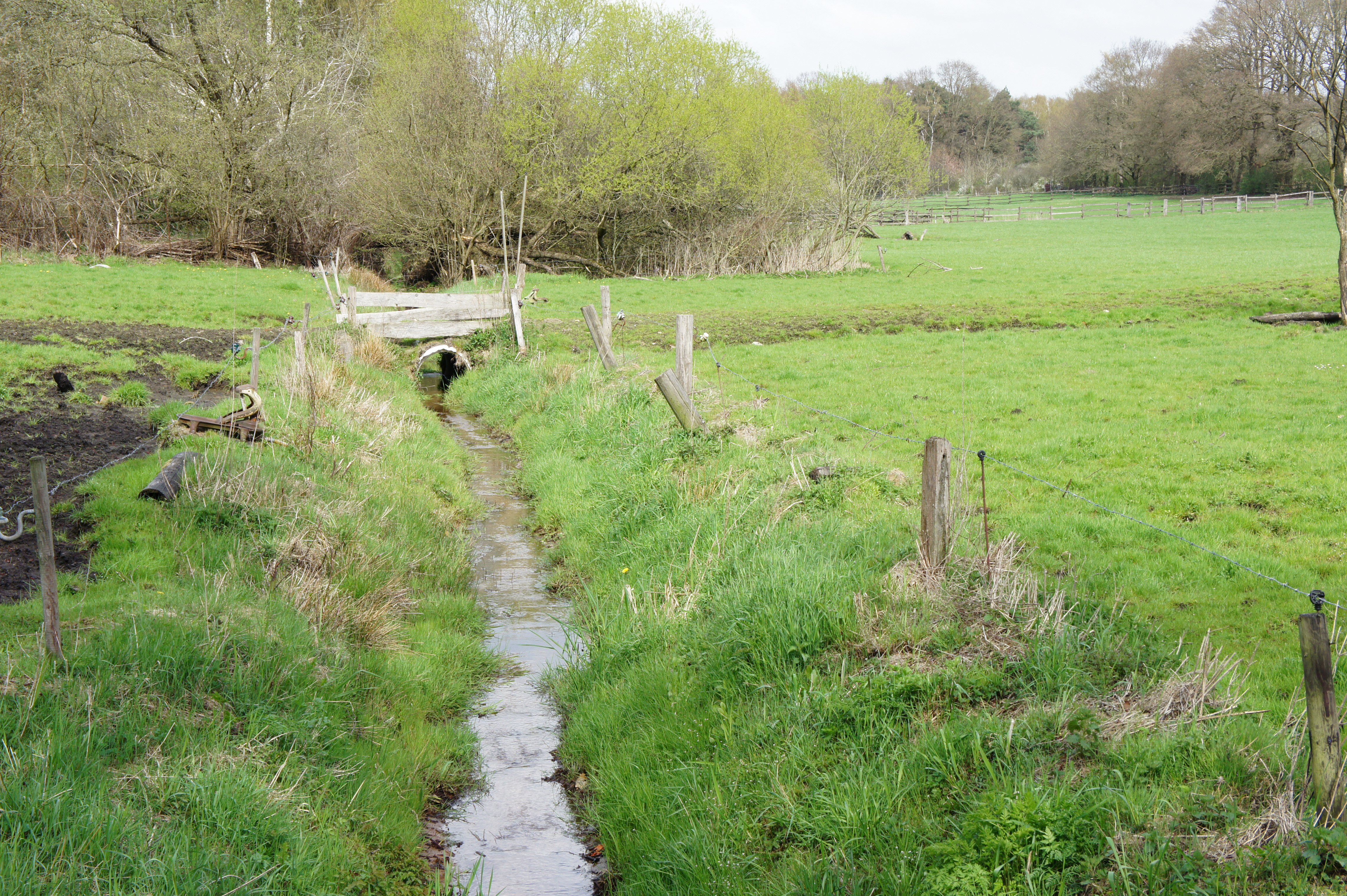
Artesischer Brunnen Kirchkimmen – A Hidden Fountain Gem in Lower Saxony
Discover the tranquil charm of the Artesischer Brunnen Kirchkimmen, a natural monument tucked away in the quiet town of Hude, Lower Saxony. Whether you’re a nature lover, a photography enthusiast, or simply seeking a peaceful spot off the beaten path, this artesian fountain offers a refreshing slice of German countryside.
1. Introduction
Imagine strolling through the gentle rolling fields of Lower Saxony, the crisp air scented with fresh grass, and stumbling upon a crystal‑clear spring that seems to bubble up from the earth itself. That’s the experience awaiting you at Artesischer Brunnen Kirchkimmen – a modest yet captivating fountain that has quietly earned its place among Hude’s protected natural monuments. While it may not have the towering height of famous European fountains, its authenticity, pristine water, and serene setting make it a must‑see for travelers craving an authentic slice of German nature.
2. About Artesischer Brunnen Kirchkimmen
A Natural Monument
Listed in the official register of natural monuments in Hude (see the German Wikipedia entry Liste der Naturdenkmale in Hude), the Artesischer Brunnen Kirchkimmen is recognized for its geological and ecological value. An artesian spring, the fountain draws water from a confined aquifer under pressure, allowing it to flow naturally without the need for pumps. This rare hydro‑geological feature adds scientific interest to its aesthetic appeal.
Historical Roots
While precise historical records for the fountain are scarce, artesian springs have long been valued by local communities across Lower Saxony for providing clean drinking water and supporting agriculture. Over centuries, many such springs became focal points for village life, often marked by simple stone basins or wooden structures. The Kirchkimmen fountain likely served a similar purpose, acting as a communal water source for the surrounding farms and hamlets.
Why It Matters
- Ecological Significance – The constant flow of mineral‑rich water supports a micro‑habitat for aquatic insects, mosses, and small amphibians, contributing to local biodiversity.
- Cultural Heritage – As a listed natural monument, the fountain reflects the region’s respect for preserving natural landmarks that have shaped daily life for generations.
- Scenic Simplicity – Its unassuming stone basin, surrounded by meadowland, offers a perfect backdrop for photography, meditation, or a quiet picnic.
3. How to Get There
By Car
The most straightforward way to reach the Artesischer Brunnen Kirchkimmen is by car:
- From Bremen – Take the A27 south toward Oldenburg, exit at Bremen‑Hude (Exit 14). Follow the signs to Hude town centre and then head east on Kleinbütteler Straße (L 158). The fountain lies just outside the village of Kirchkimmen, marked by a small signpost and a short, well‑maintained gravel path.
- From Hamburg – Follow the A1 south to the Bremen interchange, then continue on the A27 as described above.
Parking is available in a modest lot near the road; the site is free to the public.
By Public Transport
- Train – Hude is served by regional trains on the Bremen‑Oldenburg line (RE 1). Arrive at Hude Bahnhof, then catch the local bus line K65 toward Kirchkimmen (check the latest timetable on the VBN website).
- Bus – If you’re staying in nearby towns such as Oldenburg or Delmenhorst, the VBN bus network offers connections to Hude, where you can transfer to the K65.
By Bike or Foot
The region boasts an extensive network of cycling routes. The Hude–Kirchkimmen stretch is part of the Lower Saxony Cycle Route (Radweg 5), offering a scenic ride through farmland, dotted with wind turbines and historic farmsteads. For avid walkers, the Hude Nature Trail leads directly to the fountain, making it an ideal stop on a day‑long hike.
4. Best Time to Visit
| Season | Why Visit | What to Expect |
|---|---|---|
| Spring (April‑May) | The meadow surrounding the fountain bursts into wildflowers, and the water flow is strong after winter melt. | Mild temperatures, abundant photo‑opportunities with blossoms. |
| Summer (June‑August) | Long daylight hours let you linger longer, and nearby farms often host local festivals. | Warm weather—bring sun protection; occasional crowds on weekends. |
| Autumn (September‑October) | Golden foliage creates a magical atmosphere, and the water remains clear. | Crisp air, fewer tourists, perfect for peaceful contemplation. |
| Winter (November‑March) | The fountain may partially freeze, offering a rare, ethereal view of ice crystals on the stone basin. | Cold temperatures—dress warmly; the site is quiet, ideal for solitude. |
Overall, late spring to early autumn provides the most comfortable conditions for walking and photography, while winter offers a unique, quieter experience for those prepared for the chill.
5. What to Expect
Arriving at the Artesischer Brunnen Kirchkimmen feels like stepping into a living postcard. The fountain’s stone basin sits modestly in a shallow depression, its surface rippling gently as fresh artesian water emerges from a small, natural nozzle. The water is clear, slightly mineral‑laden, and maintains a constant temperature year‑round—an inviting sight on a hot summer day.
Surrounding the fountain are low‑lying grasses and occasional clusters of wild thyme and bluebells (in spring). The sound of the water, combined with the rustle of reeds and distant bird calls, creates a soothing soundscape that encourages lingering. Visitors often:
- Fill reusable bottles with the pure spring water (it’s safe to drink).
- Snap photos of the fountain framed by the open sky, especially during sunrise or golden hour.
- Enjoy a picnic on the nearby meadow, respecting the natural environment and keeping the area tidy.
There are no commercial facilities on site, so plan accordingly—bring water, snacks, and a trash bag for any waste. Signage explains the artesian nature of the spring and its protected status, offering a brief educational moment for curious travelers.
6. Nearby Attractions
While the Artesischer Brunnen Kirchkimmen can easily fill a half‑day, the surrounding countryside offers several additional points of interest within a short drive (or bike ride). Below are the most accessible sites, each showcasing a different facet of Lower Saxony’s natural and cultural heritage.
| Distance | Attraction | Type | Quick Link |
|---|---|---|---|
| 5.6 km | Quelle in Raseneisenerztrichter | Spring | View on Google Maps |
| 5.7 km | Unnamed Weir | Weir | — |
| 7.2 km | Unnamed Fountain | Fountain | — |
| 7.3 km | Second Weir | Weir | — |
| 8.0 km | Third Fountain | Fountain | — |
Note: The nearby attractions are modest water‑related sites (springs, weirs, fountains) that highlight the region’s abundant groundwater. They are perfect for a relaxed drive or bike ride, allowing you to compare different water features and enjoy varied scenery.
Bonus Nearby Spot:
If you have extra time, consider visiting Hude’s historic town centre, just a few minutes away. The medieval St. Johannes Church and the Hude Market Square offer charming cafés, local crafts, and a glimpse into the town’s history.
7. Travel Tips
- Pack Light, Pack Right – Bring comfortable walking shoes, a reusable water bottle (you can refill at the fountain), and a lightweight rain jacket.
- Respect the Natural Monument – The fountain is protected; avoid climbing on the stone basin or removing any rocks or plants.
- Timing is Key – Arrive early on weekends during summer to beat the small crowd that gathers for picnics.
- Photography Hacks – Use a polarizing filter to reduce glare on the water surface, and experiment with low angles to emphasize the spring’s gentle flow.
- Public Transport Pass – If you’re traveling from Bremen or Hamburg, a VBN regional ticket covers train and bus connections to Hude, saving you money and hassle.
- Local Cuisine – After your visit, stop at Café am Markt in Hude for a slice of Friesischer Kuchen (German cream cake) and a cup of locally roasted coffee.
- Seasonal Events – Check the Hude municipality website for any “Naturdenkmale” open‑day events, where guides may give deeper insight into the fountain’s geology.
Wrap‑Up
The Artesischer Brunnen Kirchkimmen may not appear on every travel brochure, but its quiet allure, geological intrigue, and pastoral setting embody the very essence of Lower Saxony’s hidden treasures. Whether you’re mapping a road‑trip across northern Germany, cycling through the countryside, or simply seeking a spot to pause and sip pure spring water, this artesian fountain offers a genuine, unfiltered experience of German nature.
So, pack your camera, hop on the train to Hude, and let the gentle burble of Kirchkimmen’s waters guide you into a moment of calm—one that will linger long after you’ve left the meadow behind.
Happy travels, and may your path be as clear and refreshing as the spring at Artesischer Brunnen Kirchkimmen!