Discover Winklerbrunnen – A Hidden Spring Gem in Bad Soden am Taunus, Hesse
If you think the German countryside is all castles and forests, think again. Nestled in the charming spa town of Bad Soden am Taunus lies Winklerbrunnen, a modest yet captivating spring that invites travelers to pause, sip, and soak in the tranquil atmosphere of Hesse.
1. Introduction
Imagine strolling through a leafy park, the air scented with pine and the distant hum of a town’s historic fountains. You turn a corner and spot a crystal‑clear water source bubbling from the earth—Winklerbrunnen. Though small in size, this spring is part of Bad Soden’s rich tradition of healing waters that have drawn visitors for centuries. Whether you’re a local day‑tripper, a wellness enthusiast, or a curious traveler exploring the Taunus region, Winklerbrunnen offers a quiet moment of natural beauty that’s easy to miss—unless you know where to look.
2. About Winklerbrunnen
Description
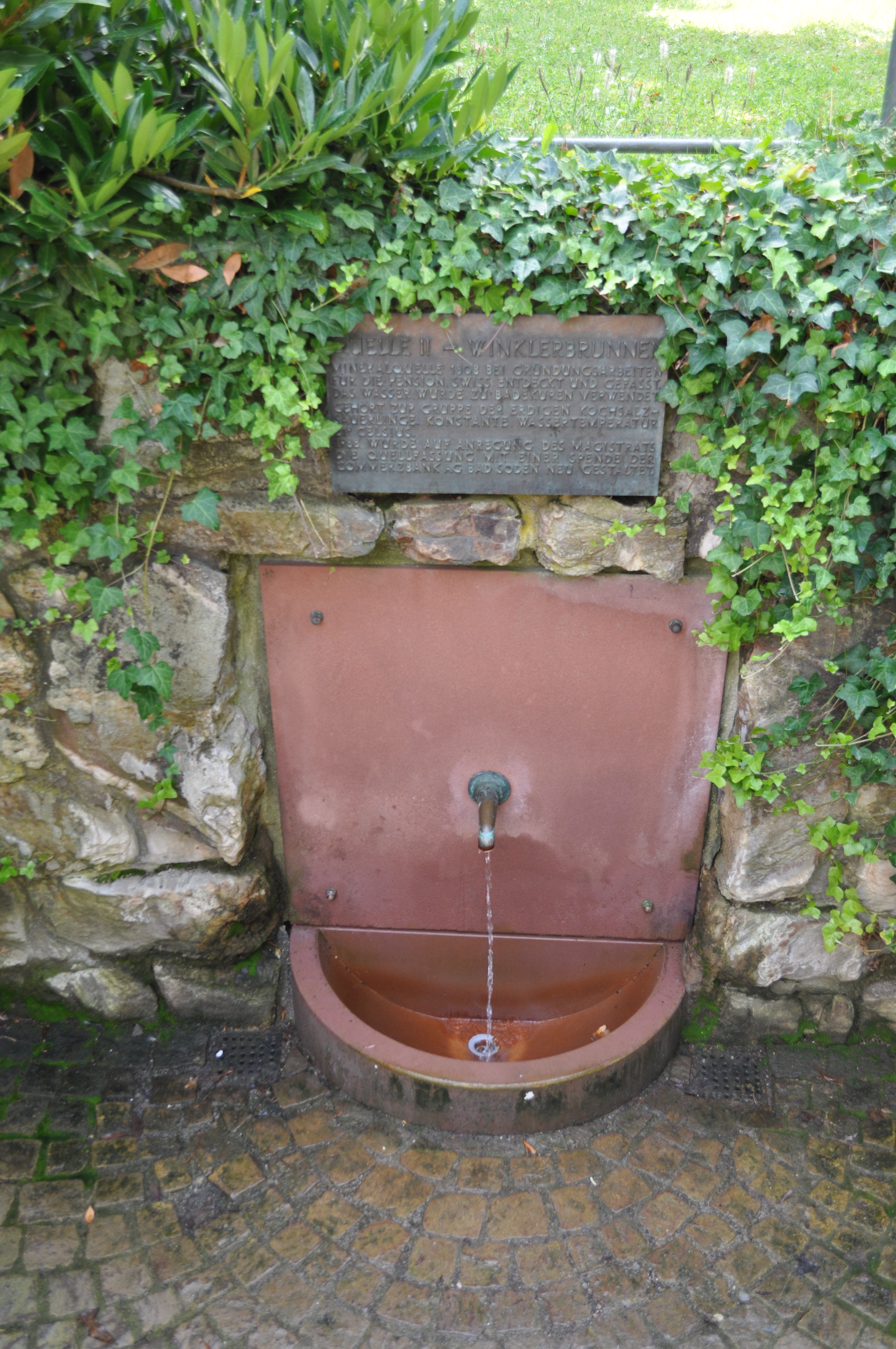
Winklerbrunnen (German for “Winkel Spring”) is a natural water spring located at 50.141341 N, 8.497041 E in the heart of Bad Soden am Taunus, a town celebrated for its mineral‑rich spa waters. The spring emerges from a modest stone basin, surrounded by well‑kept garden paths and benches—perfect for a brief rest or a reflective pause.
History & Significance
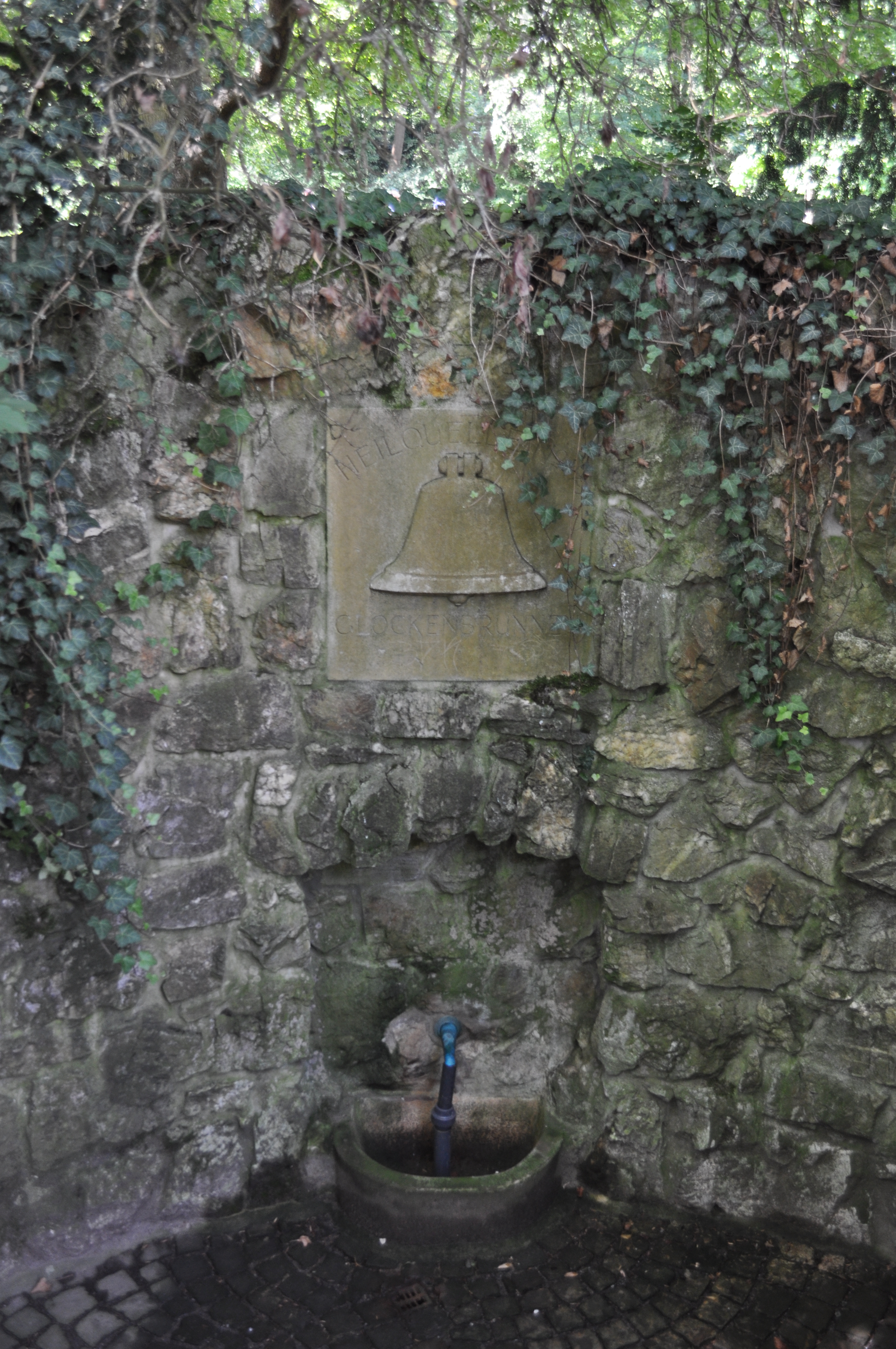
Bad Soden’s reputation as a “Kurort” (spa town) dates back to the 19th century, when the therapeutic qualities of its mineral springs attracted aristocrats and physicians alike. While the town is famous for larger fountains such as the Glockenbrunnen, Winklerbrunnen represents the quieter side of this hydro‑heritage. Its name appears in local archives and on the German Wikipedia page for Winklerbrunnen (Bad Soden), confirming its place in the cultural landscape of Hesse.
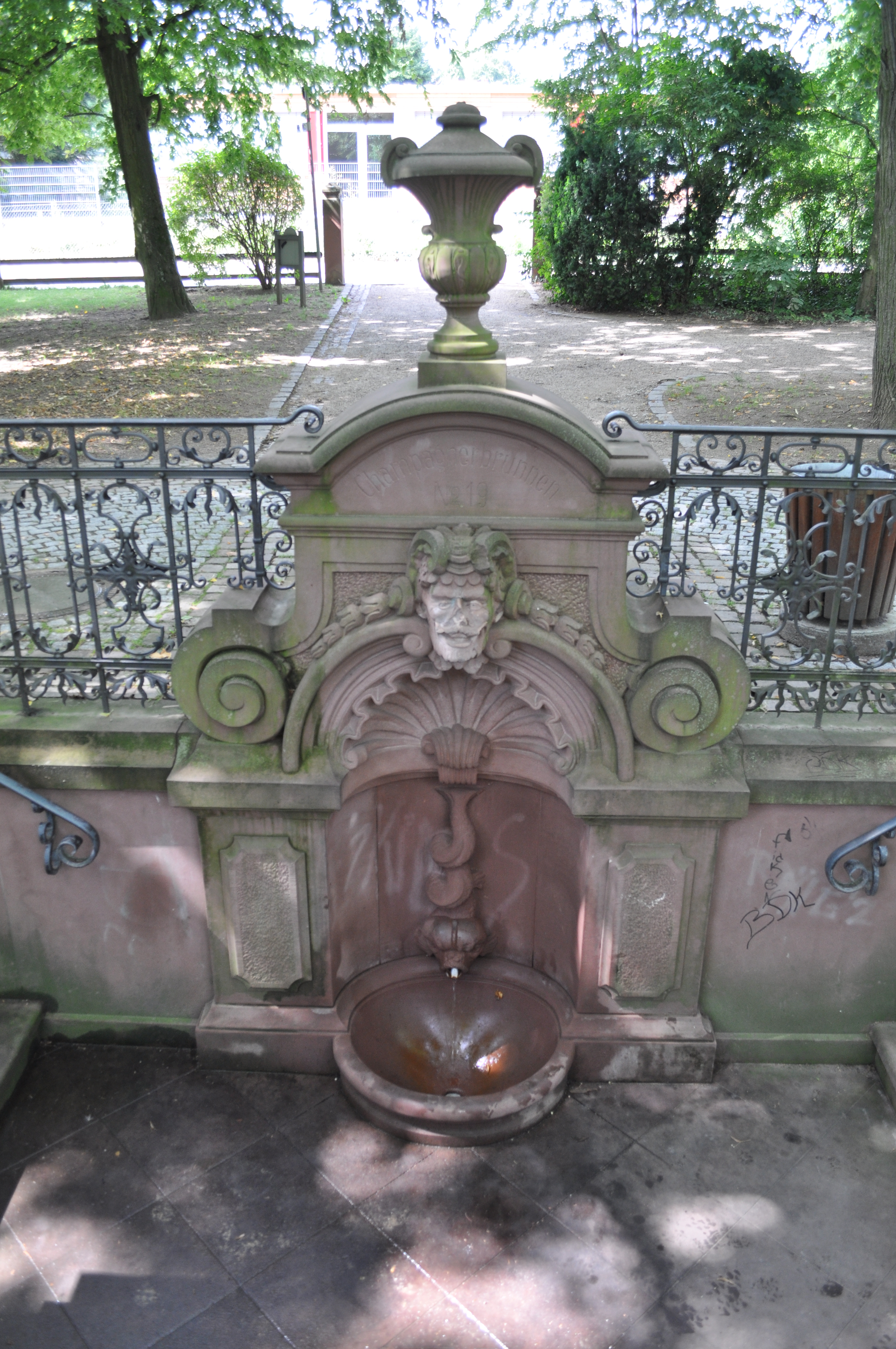
The spring’s water is part of the same underground aquifer that feeds the nearby Milchbrunnen, Champagnerbrunnen, and Solbrunnen—each historically believed to possess distinct health benefits. Though the exact mineral composition of Winklerbrunnen isn’t publicly documented, the collective reputation of Bad Soden’s springs suggests a gentle balance of calcium, magnesium, and trace elements, making the water refreshing and subtly invigorating.
3. How to Get There
By Train
- From Frankfurt: Take a regional train (RMV) to Bad Soden (Taunus) Bahnhof. The journey takes roughly 25 minutes.
- From Wiesbaden: Direct trains run to Bad Soden, with a travel time of about 15 minutes.
Both stations are within a short walking distance of the town centre where Winklerbrunnen is located.
By Car
- From Frankfurt Airport: Follow the A5 north to the A66 exit for Bad Soden. The drive is about 30 km (≈ 20 minutes) depending on traffic.
- Parking: The town offers several free public parking spots near the main promenade. Look for signs directing visitors to the “Kurpark” area; Winklerbrunnen sits just a few minutes’ walk from there.
By Bike or Foot
Bad Soden’s compact layout makes it ideal for cycling or walking. The Taunus Trail (Taunuswanderweg) passes close to the spring, offering a scenic route through vineyards and forested hills. If you’re staying in nearby towns like Soden‑Süd or Soden‑Nord, a leisurely 2–3 km bike ride will bring you straight to Winklerbrunnen.
4. Best Time to Visit
| Season | Why Visit | Weather Tips |
|---|---|---|
| Spring (April‑June) | The park surrounding the spring bursts with blossoms, and the water feels especially crisp after the winter thaw. | Light jacket; occasional rain showers. |
| Summer (July‑August) | Warm days make the cool spring water a refreshing stop during a town stroll. | Sunscreen, water bottle, and a hat for midday sun. |
| Autumn (September‑October) | Golden foliage creates a postcard‑perfect backdrop; fewer tourists mean a peaceful experience. | Layered clothing; early evenings can be cool. |
| Winter (November‑March) | The spring takes on a serene, almost magical quality when dusted with light frost; nearby cafés provide cozy warmth. | Warm coat, gloves; daylight hours are shorter. |
Overall, late spring to early autumn offers the most comfortable weather for outdoor exploration, but the spring’s charm endures year‑round.
5. What to Expect
When you arrive at Winklerbrunnen, you’ll find a modest stone basin where clear water gently bubbles to the surface. The surrounding area is landscaped with low hedges, ornamental trees, and a few benches—creating a small oasis amid the town’s historic promenade.
- Sensory Experience: The sound of the water, the scent of nearby pine, and the sight of sunlight dancing on the surface combine for a calming moment.
- Photography: The spring’s simple design makes it an excellent subject for minimalist photography. Capture the water’s movement against the backdrop of the town’s classic architecture.
- Health Benefits: While there are no official claims specific to Winklerbrunnen, locals often sip the water for its refreshing taste and the subtle mineral content shared by Bad Soden’s springs.
Nearby, you’ll notice a cluster of other historic fountains—each with its own name and legend—forming a “spring trail” that invites a gentle wander.
6. Nearby Attractions
While Winklerbrunnen is the star of the moment, Bad Soden’s spa heritage means you’re never far from another water‑related landmark. All of the following are within a short walk (0.0‑0.2 km) and make perfect additions to your itinerary:
- Glockenbrunnen (Bell Spring) – A larger fountain known for its resonant chimes.
- Milchbrunnen (Milk Spring) – Named for its milky‑white water, historically praised for soothing skin conditions.
- Champagnerbrunnen (Champagne Spring) – Bubbly water that inspired the playful name; a favorite spot for families.
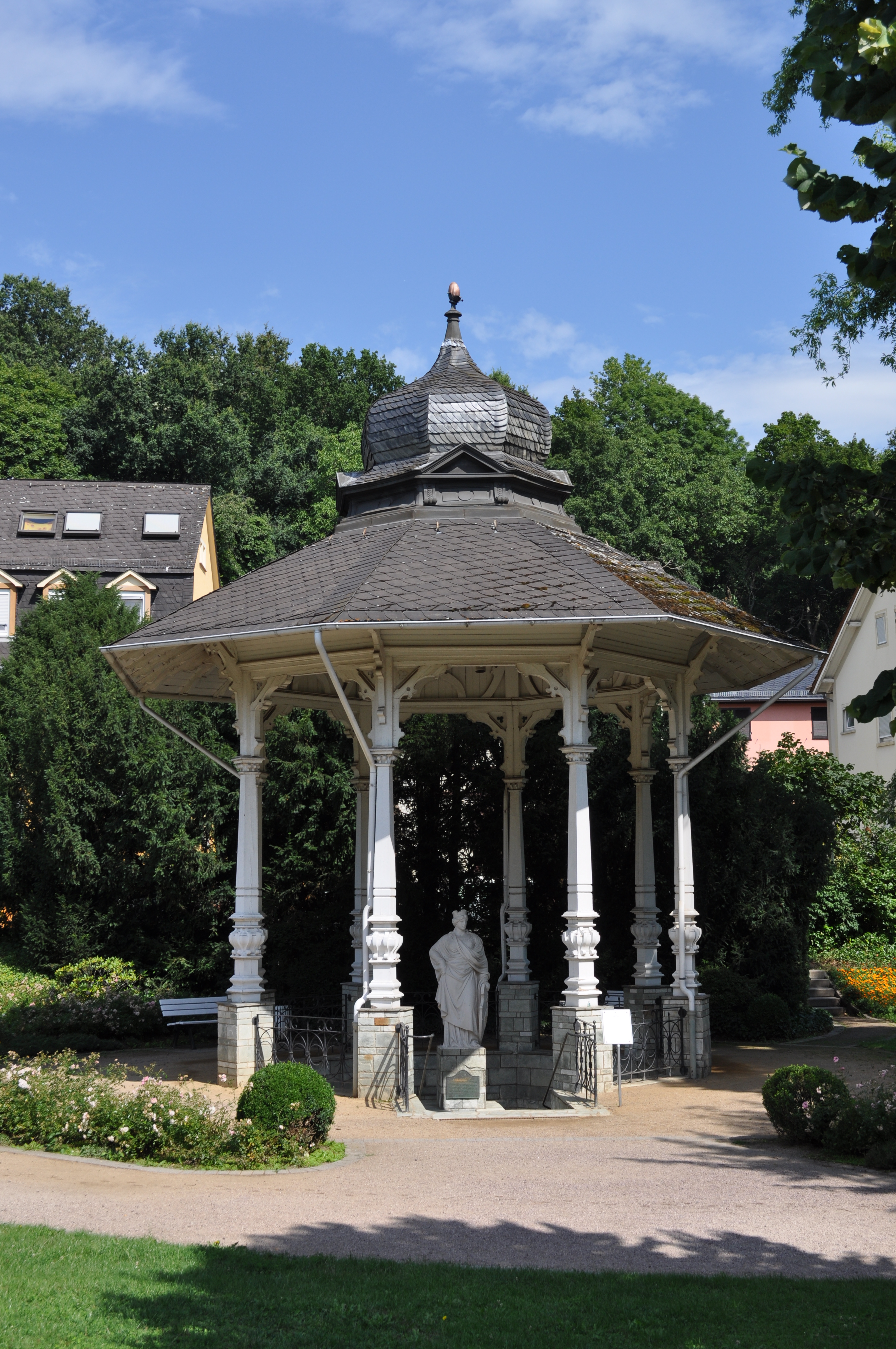
- Solbrunnen (Sun Spring) – Positioned in a sunny clearing, perfect for a quick sun‑bathing break.
- Sauerbrunnen (Sour Spring) – Slightly acidic water, historically used for digestive relief.
Beyond the springs, the Kurpark Bad Soden offers landscaped gardens, a historic spa building, and a small museum dedicated to the town’s healing water tradition. For a broader view of the Taunus region, consider a short bus ride to the Taunus Tower (Taunuswarte) for panoramic vistas over Hesse.
7. Travel Tips
| Tip | Details |
|---|---|
| Bring a reusable water bottle | You can refill it directly from Winklerbrunnen (check local signage for any drinking restrictions). |
| Wear comfortable shoes | The cobblestone streets and park paths are best enjoyed on sturdy, flat‑soled footwear. |
| Check the town’s event calendar | Bad Soden hosts seasonal festivals (e.g., the “Kurparkfest” in summer) that often feature live music near the springs. |
| Combine with a spa day | Many local hotels and wellness centers offer “Kur” packages that include access to the mineral baths—perfect after a spring walk. |
| Respect the environment | The springs are part of a protected water system; avoid littering and stay on marked paths. |
| Language | While German is the primary language, most tourist information points have English brochures. A few basic German phrases—“Wo ist der Winklerbrunnen?” (Where is the Winklerbrunnen?)—go a long way. |
| Timing | Early mornings (before 9 am) are the quietest, giving you a peaceful setting for photos or meditation. |
Final Thoughts
Winklerbrunnen may not boast the grandeur of a cathedral or the height of a mountain peak, but its understated charm captures the essence of Bad Soden am Taunus: a town where water, history, and hospitality flow together. A quick stop at this spring can transform an ordinary day trip into a memorable encounter with Hesse’s natural heritage. So pack your camera, lace up your walking shoes, and let the gentle burble of Winklerbrunnen guide you to a moment of calm in the heart of Germany’s spa country.
Happy travels, and may the springs of Bad Soden refresh both body and soul!