Stoltze‑Brunnen – Frankfurt’s Hidden Neorenaissance Fountain
Discover the story, charm, and surrounding treasures of the Stoltze‑Brunnen, a lesser‑known historic fountain tucked in the heart of Frankfurt am Main, Hesse.
1. Introduction
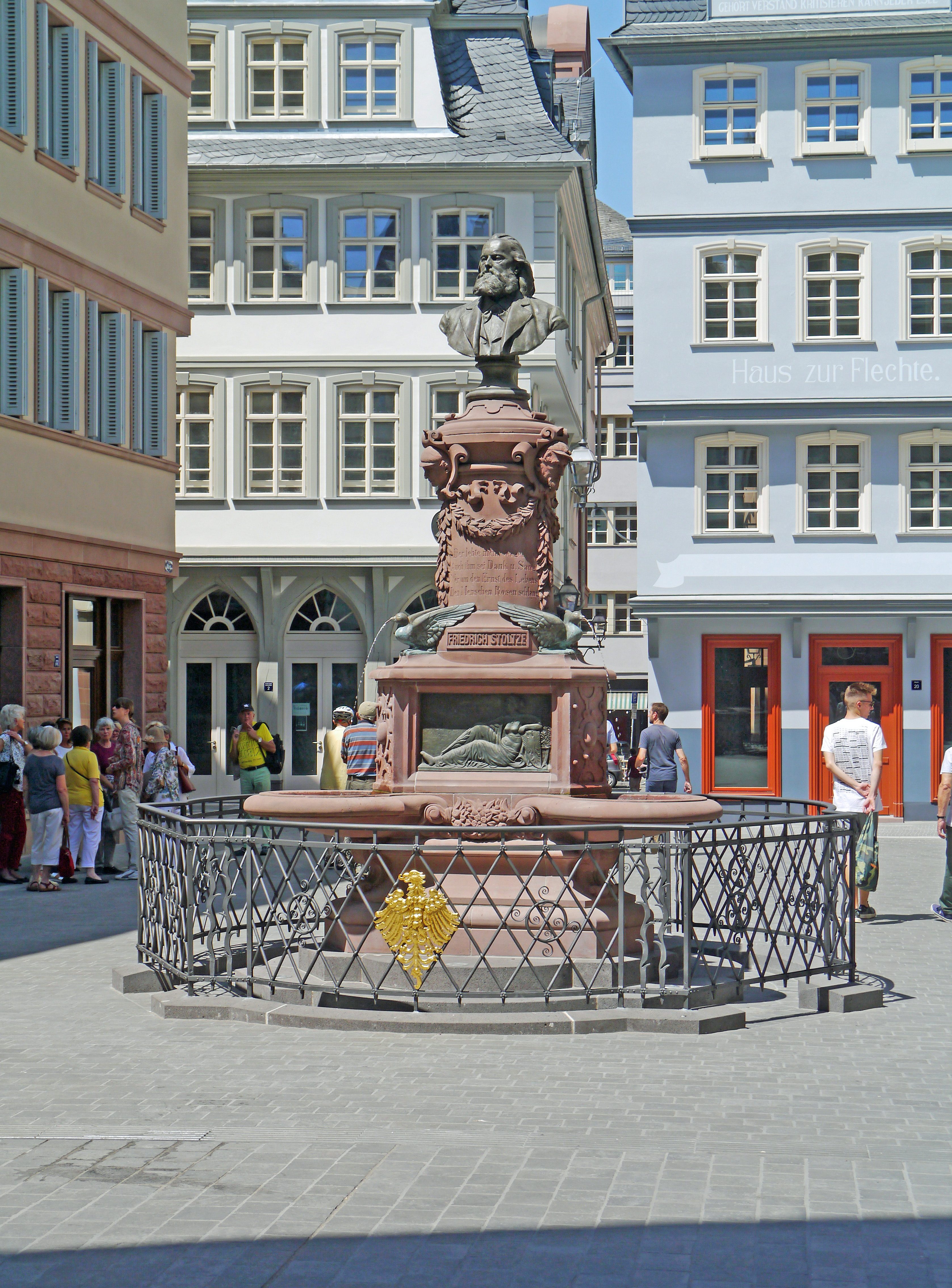
If you think Frankfurt’s skyline is all glass towers and bustling financial districts, you’ve missed one of the city’s quiet, artistic gems: Stoltze‑Brunnen. Nestled amid the historic Alt‑Sachsenhausen quarter, this 19th‑century neorenaissance fountain offers a serene pause for travelers, photographers, and locals alike. With its elegant sandstone shaft, bronze bust of the beloved poet F. Stoltze, and a gentle cascade of water, the fountain is a perfect illustration of how public art can weave literature, history, and urban life together.
In this guide we’ll take you through everything you need to know—history, how to get there, the best visiting times, what you’ll see on site, nearby attractions, and practical travel tips—so you can add Stoltze‑Brunnen to your Frankfurt itinerary with confidence.
2. About Stoltze‑Brunnen
A Neorenaissance Tribute
Stoltze‑Brunnen was unveiled in 1895 as a monument of the neorenaissance style, a revival of Renaissance aesthetics that was popular in late‑19th‑century Germany. The fountain was designed by the architect F. Schierholz at the request of the city’s “Lokalpatriot” and celebrated Heimatdichter (regional poet) Friedrich Stoltze (1816‑1891).
The monument features a tiered layout: a shallow water basin at the base, a richly relief‑carved sandstone column rising above, and a bronze bust of Stoltze perched near the top. While the original bronze bust is a historic piece, many of the current statues are faithful copies that preserve the original’s artistic intent.
Why It Matters
Stoltze‑Brunnen is more than a decorative water feature; it’s a cultural landmark that honors Frankfurt’s literary heritage. Friedrich Stoltze, a native of the city, wrote poetry that celebrated local customs, dialect, and the everyday lives of Hessian citizens. By placing his likeness in a public space, the city turned the fountain into a living tribute—one that invites passersby to reflect on the region’s artistic roots while enjoying a moment of calm in an otherwise fast‑paced urban environment.
The fountain’s sandstone column bears intricate reliefs typical of neorenaissance ornamentation, echoing motifs found in contemporary civic buildings. Though its exact height and altitude are not documented, the structure’s proportional elegance makes it a striking focal point within the surrounding streetscape.
3. How to Get There
By Public Transport
- U‑Bahn: Take line U4 or U5 to the „Eiserner Steg“ or „Schweizer‑Straße“ stations. Both stops are a 5‑minute walk to the fountain.
- S‑Bahn: The S3, S4, S5, S6 lines stop at „Frankfurt Hauptwache“. From there, walk north along Zeil and turn onto Börsenstraße; the fountain sits near the intersection with Bockenheimer Landstraße.
By Tram or Bus
- Tram 11 or 12: Get off at „Bockenheimer Warte“; the fountain is a short stroll eastward.
- Bus 36: Alight at „Münsterplatz“ and walk south toward the river Main; the fountain lies just a few blocks away.
By Car or Bicycle
- Driving: Parking in the Alt‑Sachsenhausen area is limited, but several public car parks (e.g., „Parkhaus Bockenheim“) are within a 10‑minute walk.
- Bike: Frankfurt’s extensive bike‑lane network makes cycling a pleasant option. Use the Mainradweg along the river and follow signs to the historic center.
Coordinates & Map
- Latitude: 50.110788
- Longitude: 8.683913
Plug the coordinates into any navigation app for a precise route.
4. Best Time to Visit
| Season | Why It Works | Tips |
|---|---|---|
| Spring (April‑May) | Blossoming trees along the Main and milder temperatures make the surrounding streets picture‑perfect. | Bring a light jacket; early mornings are less crowded. |
| Summer (June‑August) | Long daylight hours allow for extended wandering, and the fountain’s water reflects the sun beautifully. | Stay hydrated; consider visiting in the early evening for a romantic glow. |
| Autumn (September‑October) | Golden foliage adds a warm backdrop, and the cooler air is ideal for strolling. | Capture the changing colors; the fountain’s stone looks especially warm in autumn light. |
| Winter (November‑March) | While the fountain may be quieter, the surrounding historic buildings are illuminated for holiday markets. | Dress warmly; the fountain may be partially frozen, offering a unique, serene atmosphere. |
Overall, late spring to early autumn provides the most comfortable weather for an outdoor visit, but the fountain is accessible year‑round.
5. What to Expect
Arriving at Stoltze‑Brunnen, you’ll first notice the gentle sound of water flowing into the shallow basin—a soothing soundtrack that contrasts with Frankfurt’s urban hum. The sandstone column rises in three distinct levels, each adorned with subtle relief patterns reminiscent of Renaissance scrollwork. At the top, the bronze bust of Friedrich Stoltze gazes outward, inviting you to pause and consider the poet’s legacy.
The surrounding area is a blend of cobblestone streets, historic half‑timber houses, and modern cafés. You’ll often see locals sipping coffee on nearby terraces, making the fountain a natural meeting point. Photographers love the play of light on the water and the bronze, especially during sunrise or golden hour.
Because the fountain is public and free of charge, there are no opening hours to worry about—simply arrive, enjoy, and leave as you wish. However, be respectful: avoid climbing on the stonework, and keep the basin clean for future visitors.
6. Nearby Attractions
Stoltze‑Brunnen sits within a compact “fountain district,” making it easy to explore several other historic water features on foot. Below are the top five attractions within a 0.2 km radius, each with a brief description and a link to its Wikipedia page for deeper research.
-
Minervabrunnen – 0.1 km
A classical marble fountain dedicated to the Roman goddess Minerva, featuring a seated figure holding a spear. Ideal for lovers of mythology. -
Gerechtigkeitsbrunnen – 0.1 km
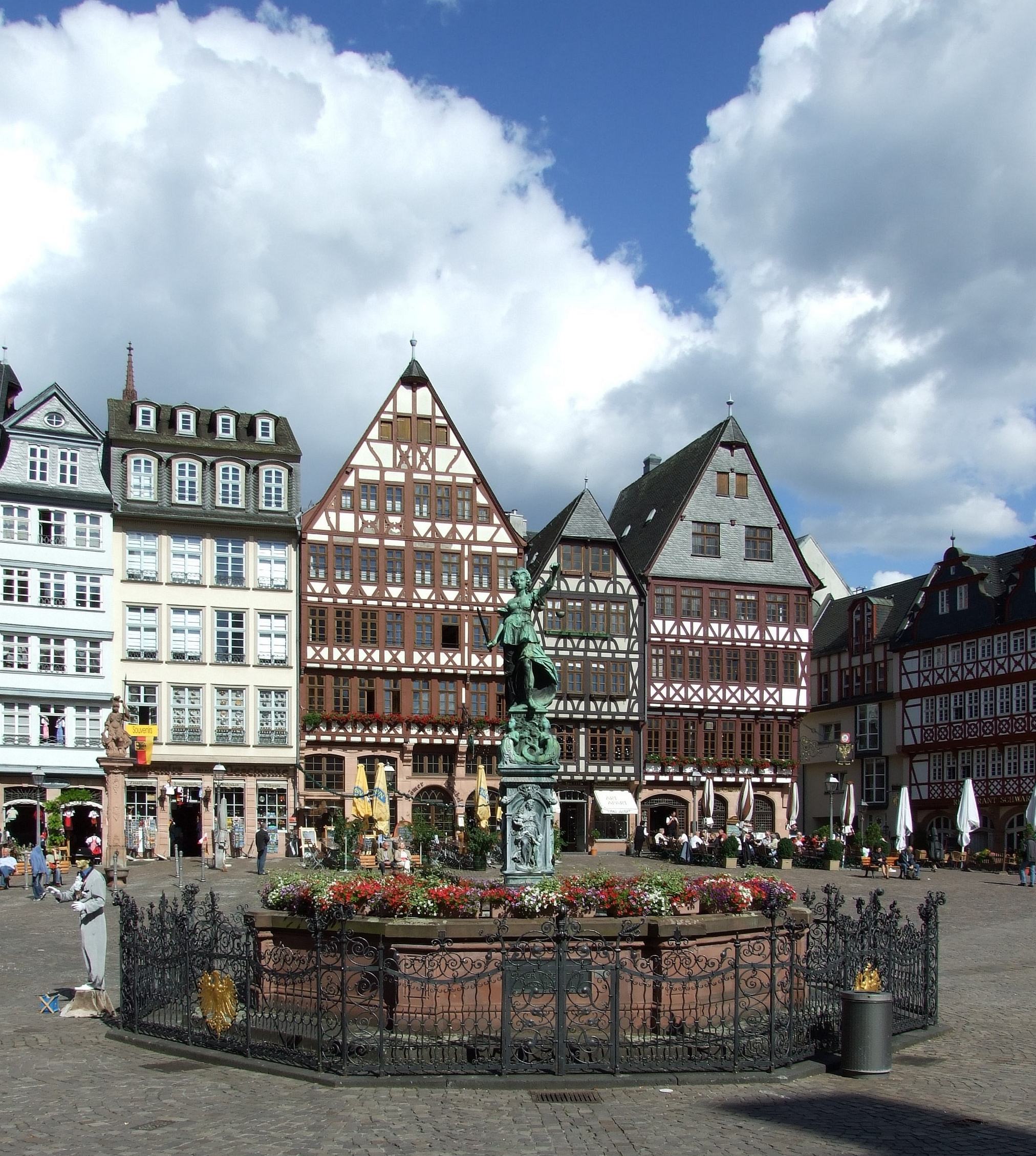
This “Justice Fountain” showcases a bronze statue of Lady Justice, complete with scales and sword—perfect for a quick photo stop. -
Atlasbrunnen – 0.2 km
A striking monument depicting the Titan Atlas bearing the heavens, symbolizing strength and endurance. -
Herkulesbrünnchen – 0.2 km
A charming little fountain portraying the hero Hercules, often surrounded by playful street art. -
Schöppenbrunnen – 0.2 km
Named after the “Schöppen” (court officials), this fountain combines functional design with historic motifs.
All five sites are reachable within a 5‑minute walk, allowing you to craft a delightful “Fountain Trail” that showcases Frankfurt’s dedication to public art and water architecture.
7. Travel Tips
| Tip | Details |
|---|---|
| Wear comfortable shoes | Cobblestone streets can be uneven; sturdy walking shoes ensure a pleasant stroll between fountains. |
| Bring a compact umbrella | Even in summer, sudden showers are common in Germany. An umbrella protects you while you admire the water features. |
| Camera ready | Early morning or late afternoon provides the best natural lighting for the bronze bust and water reflections. |
| Check local events | Frankfurt’s cultural calendar often includes open‑air concerts or markets near the fountains; timing your visit can add an extra layer of experience. |
| Stay hydrated | Especially in summer, carry a reusable water bottle. Public drinking fountains are plentiful throughout the city. |
| Respect the site | The fountain is a protected historic monument; avoid touching the bronze bust and keep the basin clean. |
| Combine with culinary stops | The Alt‑Sachsenhausen district offers traditional Hessian apple wine (Apfelwein) taverns—perfect for a post‑visit refreshment. |
| Use a transit app | Apps like RMV or DB Navigator give real‑time updates for U‑Bahn, S‑Bahn, tram, and bus services, ensuring smooth connections. |
Final Thought
Stoltze‑Brunnen may not appear on every mainstream travel brochure, but it embodies the quiet elegance and literary pride that define Frankfurt’s historic core. Whether you’re a poetry enthusiast, an architecture lover, or simply a traveler seeking a peaceful corner in a bustling city, this neorenaissance fountain offers a memorable stop. Pair it with the surrounding fountains for a compact yet enriching cultural walk, and you’ll leave Frankfurt with a deeper appreciation for the city’s artistic soul.
Ready to add Stoltze‑Brunnen to your itinerary? Pack your camera, hop on the U‑Bahn, and let the gentle splash of water guide you into Frankfurt’s timeless charm. Safe travels!