Discover Quirinsbrunnen – Frankfurt’s Hidden Historic Fountain
If you think you’ve seen every landmark in Frankfurt am Main, think again. Tucked away near the bustling Wendelsplatz lies Quirinsbrunnen, a modest yet captivating fountain that whispers stories of medieval trade routes, city gates, and centuries‑old civic pride. In this travel guide we’ll uncover the history, give you practical ways to reach it, and show how to make the most of a visit to one of Hesse’s best‑kept secrets.
1. Introduction
When you stroll through Frankfurt’s modern skyline, it’s easy to overlook the quiet corners where history still flows—literally. Quirinsbrunnen (pronounced “Kvee‑rins‑broom‑en”) is one such spot: a sandstone obelisk crowned with a shallow basin, set against the backdrop of the city’s historic core. Though the fountain itself is modest in size, its name carries the weight of a vanished gate, a bustling merchant escort, and a city that once guarded its southern trade routes. For travelers who love historic fountains in Germany, Frankfurt attractions, and off‑the‑beaten‑path gems, Quirinsbrunnen offers a perfect blend of culture, photography, and a moment of calm in the heart of the city.
2. About Quirinsbrunnen
A Brief Description
Quirinsbrunnen is a sandstone fountain featuring an upright obelisk that supports a shallow water basin. The exact height of the monument is not documented, but its proportions are typical of 16th‑century civic fountains: sturdy, functional, and designed to complement the surrounding architecture rather than dominate it.
Historical Roots
The fountain takes its name from the Quirin Gate (German: Quirintor), which once stood at the site of today’s Wendelsplatz. The gate was a crucial checkpoint for merchants traveling south from Frankfurt, and it was here that the gatekeeper would assemble an escort to protect caravans on the dangerous road ahead. In 1552, the gate was demolished—part of a broader urban renewal that reshaped Frankfurt’s medieval walls.
To commemorate the gate’s former presence, the city council erected a sandstone obelisk with a basin in front of the former gate’s location. Over the centuries, the monument evolved into the fountain we see today, serving both as a source of water and a symbolic reminder of Frankfurt’s mercantile heritage.
Why It Matters
Quirinsbrunnen may not be as tall or ornate as the famous Zunftbrunnen (also known as the Handwerkerbrunnen), but its significance lies in its connection to the city’s early trade infrastructure. The fountain marks the spot where merchants once gathered under the watchful eye of the city’s officials—making it a tangible link to Frankfurt’s rise as a commercial hub in the Holy Roman Empire. For history buffs, the fountain offers a subtle yet powerful narrative about how public spaces and utilities were intertwined with civic authority in medieval Europe.
3. How to Get There
| Mode of Transport | Details |
|---|---|
| Public Transit | The fountain sits just a short walk from Wendelsplatz and Hauptwache stations. Both are served by multiple U‑Bahn lines (U1, U2, U3, U8) and numerous tram routes. If you’re staying near Frankfurt Hauptbahnhof (the main train station), hop on a regional train or S‑Bahn to Hauptwache, then exit toward the historic center. |
| Walking | Frankfurt’s Alt‑Sachsenhausen district is pedestrian‑friendly. From the Römer (the city’s iconic town hall), head west along Neue Mainzer Straße for about 10 minutes; you’ll arrive at the fountain’s location near Wendelsplatz. |
| Bike/ E‑Scooter | The city’s bike‑share system (Nextbike, Call a Bike) and e‑scooter rentals are abundant. Ride along the Main River promenade and cross the Eiserner Steg bridge; the route brings you directly to the fountain’s vicinity. |
| Car | Parking in the immediate area is limited, but the nearby Parking Garage Hauptwache (address: Domstraße 13) offers short‑term spots. From the garage, it’s a 3‑minute walk to Quirinsbrunnen. |
Coordinates: 50.100911, 8.692502 – simply paste these into your GPS or Google Maps for pinpoint accuracy.
4. Best Time to Visit
- Spring (April–June): The surrounding streets blossom with lilacs and cherry trees, creating a picturesque backdrop for photos. Temperatures are mild (10‑20 °C), perfect for a leisurely stroll.
- Early Autumn (September–October): The city’s foliage turns golden, and the crowds thin out after the summer tourist peak. The fountain’s sandstone glows warmly in the soft autumn light.
- Winter: While the fountain remains accessible year‑round, colder weather can make the stone feel slick. If you don’t mind brisk air, a quiet winter visit offers an almost meditative atmosphere—just be sure to bundle up!
Avoid peak lunchtime on Saturdays when the nearby market stalls can cause temporary foot‑traffic congestion.
5. What to Expect
Approaching Quirinsbrunnen, you’ll notice a sandstone obelisk rising from a modest water basin. The water gently circulates, creating a soothing sound that contrasts with the city’s hum. The fountain’s design is intentionally simple, allowing the surrounding historic buildings—brick facades, half‑timbered houses, and the occasional modern glass storefront—to take center stage.
Visitors often pause to read the small plaque (in German) that explains the fountain’s connection to the former Quirin Gate. Take a moment to imagine medieval merchants gathering here, awaiting their escorted departure southward. The area around the fountain is a public square, so you’ll see locals sipping coffee at nearby cafés, students scrolling through textbooks, and tourists snapping photos.
Because the fountain is part of a public water system, the basin stays clean year‑round, though swimming is, of course, prohibited. The site is wheelchair accessible and well‑lit after dark, making it safe for evening walks.
6. Nearby Attractions
Quirinsbrunnen sits in a cluster of historic fountains and cultural sites, making it an ideal starting point for a mini‑tour of Frankfurt’s water‑works heritage. Below are the most notable spots within a 0.5 km radius:
| Attraction | Distance | Highlights |
|---|---|---|
| Unnamed Fountain 1 | 0.1 km | A small decorative fountain tucked behind a local bakery—perfect for a quick photo. |
| Unnamed Fountain 2 | 0.2 km | Features a bronze statue of a local poet; often used as a meeting point. |
| Zunftbrunnen / Handwerkerbrunnen | 0.5 km | One of Frankfurt’s most famous fountains, depicting the city’s guilds with intricate stone reliefs. |
| Affenbrunnen | 0.5 km | Known as the “Monkey Fountain,” it showcases playful sculpted monkeys spouting water—great for families. |
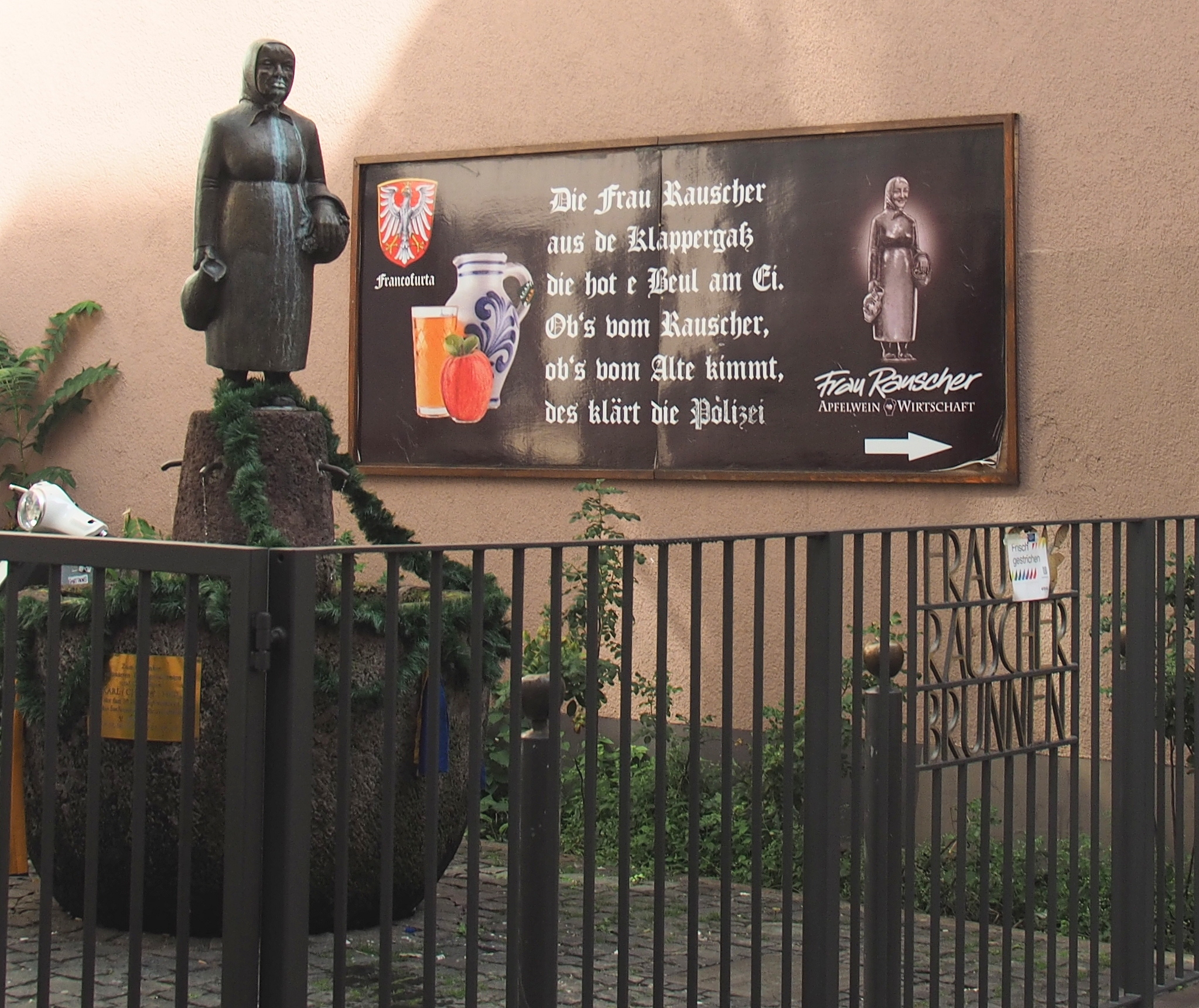
| Fraa Rauscher Fountain | 0.5 km | A historic monument honoring a beloved local benefactor, surrounded by a small garden. |
For more details on each fountain, consult the Wikipedia list of Frankfurt fountains, which offers photos, historical notes, and exact locations.
7. Travel Tips
- Combine with a Walking Tour – Many guided tours of Frankfurt’s Alt‑Sachsenhausen include Quirinsbrunnen as a stop. If you prefer self‑guided exploration, download a free city map from the Frankfurt tourism website and follow the “Fountain Trail” (German: Brunnenweg).
- Bring a Portable Charger – The fountain area is perfect for snapping photos, but charging stations are scarce. A small power bank will keep your phone alive for those high‑resolution shots.
- Mind the Weather – The stone can become slippery when it rains. Wear shoes with good grip, especially if you plan to explore the nearby Zunftbrunnen, which has a larger water feature.
- Cash is King – While most cafés accept cards, some small street vendors near the fountain still prefer cash (Euro). Keep a few bills handy for a quick snack.
- Respect the Space – As a public monument, the fountain is a gathering place for locals. Keep noise levels low, avoid climbing on the obelisk, and dispose of litter in the provided bins.
- Check Event Calendars – Frankfurt hosts seasonal markets and cultural festivals near Wendelsplatz. Visiting during a market day adds a lively atmosphere, but expect larger crowds.
- Language Note – Signage around the fountain is primarily in German. A quick translation app can help you read the plaque and learn more about the Quirin Gate’s history.
Final Thought
Quirinsbrunnen may not dominate travel brochures, but its quiet charm and deep-rooted history make it a must‑see for travelers seeking authentic Frankfurt experiences. Whether you’re a history enthusiast, a fountain aficionado, or simply a curious wanderer, this modest sandstone monument invites you to pause, reflect, and imagine the bustling medieval city that once guarded its southern trade routes. So lace up your walking shoes, grab a coffee, and let the gentle flow of Quirinsbrunnen guide you through the heart of Hesse’s vibrant capital.
Happy travels, and may every fountain you discover bring a splash of wonder to your journey!