Goepfert‑Brunnen – Frankfurt’s Forgotten Kinetic Fountain
Discover the story behind a modern ruin, the best way to reach it, and what else to explore in the vibrant heart of Hesse.
Introduction
If you think Frankfurt am Main is only about skyscrapers, banking districts, and the famous Römer, think again. Tucked away in the city’s bustling western quarter lies Goepfert‑Brunnen, a once‑dynamic kinetic fountain that now stands silent, its aluminum rotors frozen in time. This “modern ruin” may not splash water any longer, but it still captures the imagination of photographers, art lovers, and curious travelers who crave off‑the‑beaten‑path experiences. In this guide we’ll dive into the fountain’s history, explain how to get there, suggest the ideal visiting windows, and point you toward nearby attractions that round out a perfect Frankfurt day trip.
About Goepfert‑Brunnen
A kinetic masterpiece turned modern ruin
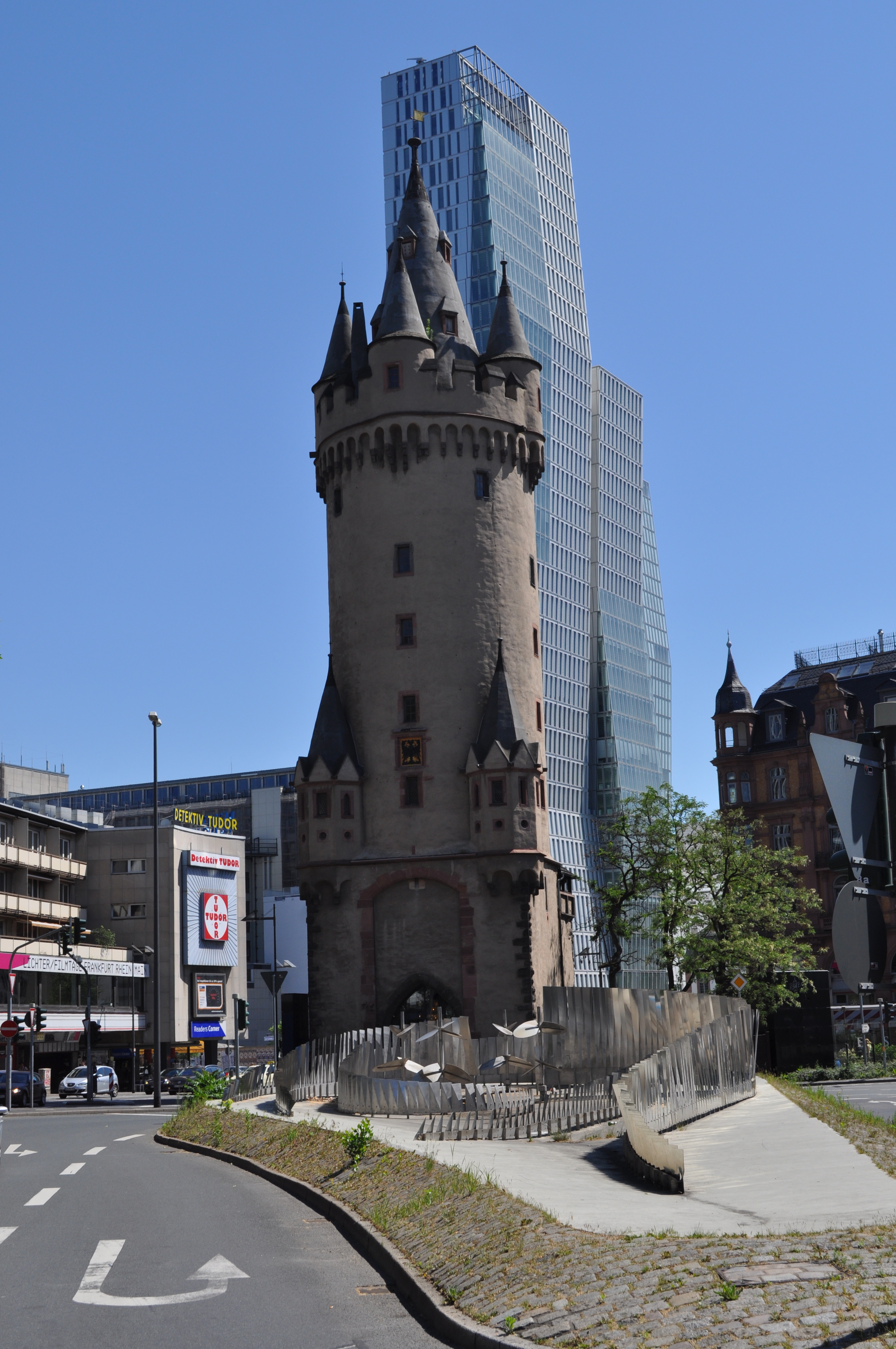
Goepfert‑Brunnen was originally conceived as a defekte kinetische Zierbrunnenanlage—a decorative kinetic water installation. Its design combined rotating aluminum rotors with a cascade of water, creating shimmering light reflections that danced across the surrounding pavement. The movement of the rotors, powered by the water flow, turned the fountain into a living sculpture, a rare example of kinetic art in a public space.
In 2005 the water supply was permanently shut off. Without the flowing water the rotors could no longer spin, and the fountain has since remained dry and motionless. While the kinetic element is gone, the structure itself still commands attention. The rust‑tinged aluminum arms, the sculptural silhouette, and the surrounding urban landscape give Goepfert‑Brunnen a post‑industrial aesthetic that photographers love to capture at sunrise or dusk.
Why it matters
Even in its dormant state, Goepfert‑Brunnen tells a broader story about Frankfurt’s relationship with public art and urban renewal. The fountain was part of a wave of early‑2000s installations that aimed to bring interactive, technology‑driven art to everyday spaces. Its current condition sparks conversation about maintenance, the lifespan of kinetic works, and how cities can preserve—or repurpose—such pieces. For visitors, the fountain offers a thought‑provoking contrast: a sleek, futuristic design juxtaposed against the timeless rhythm of the city.
How to Get There
By public transport
- U-Bahn: Take line U1 or U2 to the Bockenheimer Warte station. From there, it’s a 5‑minute walk (≈400 m) north‑west along Bockenheimer Landstraße.
- S-Bahn: The S5 or S6 stop at Frankfurt Hauptbahnhof (central station). Transfer to the U‑Bahn (U1/U2) toward Römer and alight at Bockenheimer Warte.
- Tram: Tram line 12 or 18 also serves the Bockenheimer Warte stop, providing a convenient alternative if you’re staying near the city centre.
By bike or on foot
Frankfurt’s extensive bike‑share network (e.g., Nextbike, Deutsche Bahn Call a Bike) has stations within a 300‑meter radius of the fountain. The city’s flat terrain and dedicated bike lanes make a leisurely ride a pleasant option, especially on sunny days.
By car
If you’re driving, use the address Bockenheimer Landstraße 1‑3, 60325 Frankfurt am Main. Parking is limited; the nearest public garage is Parkhaus Bockenheimer Warte (≈5‑minute walk). Remember that Frankfurt’s inner‑city traffic can be heavy during rush hour, so public transport is often faster.
Coordinates
- Latitude: 50.117370
- Longitude: 8.679391
You can paste these coordinates into any navigation app for precise guidance.
Best Time to Visit
| Season | Why it works | Tips |
|---|---|---|
| Spring (April‑May) | Mild temperatures, blooming trees along Bockenheimer Landstraße create a fresh backdrop for photos. | Bring a light jacket; early morning light is soft and ideal for capturing the aluminum rotors. |
| Summer (June‑August) | Long daylight hours let you linger. Evening golden hour highlights the metal’s texture. | Arrive before sunset to see the fountain silhouette against the sky. |
| Autumn (September‑October) | Warm hues of fallen leaves contrast with the industrial feel of the fountain. | Watch for occasional rain; the wet pavement can reflect the rotors beautifully. |
| Winter (November‑March) | Fewer tourists, quiet atmosphere. Snow on the surrounding streets adds a surreal element. | Dress warmly; the fountain’s dry state makes it safe to walk around even in icy conditions. |
Overall, early mornings or late afternoons provide the most dramatic lighting for photography, while weekdays tend to be less crowded than weekends.
What to Expect
When you arrive at Goepfert‑Brunnen, you’ll notice a sleek, rectangular basin surrounded by a low concrete platform. The centerpiece consists of several aluminum rotors—now static—arranged in a symmetrical pattern. The water jets that once powered them are absent, leaving a dry stone basin that collects rainwater during storms.
- Visual experience: The metallic surfaces catch the sun, producing subtle glints that change throughout the day. In overcast weather, the rotors appear matte, giving the fountain a more contemplative mood.
- Soundscape: Without water, the area is quiet, punctuated only by the hum of nearby traffic and occasional footsteps. This silence can feel meditative, especially if you pause to reflect on the piece’s history.
- Photographic opportunities: Look for reflections on the wet pavement after rain, or frame the rotors against the skyline of Frankfurt’s high‑rise district. The contrast between the fountain’s modernist design and the surrounding historic buildings makes for striking compositions.
- Accessibility: The surrounding platform is level and wheelchair‑friendly. Handrails are present along the edges, ensuring safe navigation for all visitors.
Even though the kinetic element is gone, the site still invites curiosity. You might find local residents sitting nearby, reading, or simply enjoying a coffee from a street vendor. The fountain’s “modern ruin” status often sparks conversations about urban art preservation—perfect for travelers who love to engage with locals.
Nearby Attractions
While Goepfert‑Brunnen is the star of the day, the surrounding area offers several other fountains and points of interest within walking distance. Here’s a quick guide with links you can explore further:
| Attraction | Distance | What to see |
|---|---|---|
| Medusenbrunnen | 0.1 km | A striking marble sculpture of the mythic Medusa, perfect for myth‑themed photography. |
| Renaissance‑Brunnen | 0.2 km | Features ornate stonework reminiscent of the Renaissance period, offering a historic contrast to Goepfert‑Brunnen’s modernism. |
| Struwwelpeter‑Brunnen | 0.4 km | Inspired by the famous German children’s book, this whimsical fountain delights families. |
| [Other local fountains] | 0.2‑0.3 km | Small decorative water features scattered around Bockenheimer Landstraße, each with its own unique design. |
After soaking in the atmosphere of Goepfert‑Brunnen, consider a short stroll to Bockenheimer Depot, a former tram depot turned cultural venue, or grab a bite at one of the many cafés lining the street. The area’s mix of art, history, and modern urban life makes it an ideal micro‑tour of Frankfurt’s lesser‑known cultural scene.
Travel Tips
- Check the weather – Since the fountain is dry, rain can create temporary reflections that are fantastic for photos, but you’ll want to protect your camera gear.
- Bring a portable charger – If you plan to spend time photographing, a power bank ensures your phone or camera stays alive.
- Combine with a café break – The nearby Café Bockenheimer offers excellent espresso and a selection of pastries, ideal for a quick recharge.
- Respect the site – Although the fountain is no longer functional, it remains a public artwork. Avoid climbing on the rotors or littering.
- Use a map app with offline capability – Cellular service can be spotty near the inner city’s underground stations; having offline maps ensures you won’t get lost.
- Timing for photography – For the best contrast, aim for the “golden hour” (approximately one hour after sunrise or before sunset). The low angle of the sun accentuates the aluminum’s sheen.
- Accessibility – The area is wheelchair‑friendly, but the nearby cobblestone streets can be uneven. A sturdy pair of walking shoes is advisable for all visitors.
Wrap‑up
Goepfert‑Brunnen may no longer spout water, but its silent, metallic arms still tell a compelling story of Frankfurt’s artistic ambition and the inevitable passage of time. Whether you’re a photography enthusiast, a cultural explorer, or simply a traveler seeking a quiet spot away from the city’s bustling financial district, this kinetic‑turned‑modern‑ruin fountain offers a unique, reflective experience. Pair it with nearby fountains, a stroll through Bockenheimer’s lively streets, and a cup of coffee, and you’ll have a memorable slice of Frankfurt that most guidebooks overlook.
Ready to discover the hidden charm of Goepfert‑Brunnen? Pack your camera, hop on the U‑Bahn to Bockenheimer Warte, and step into a piece of kinetic history frozen in time. Safe travels!