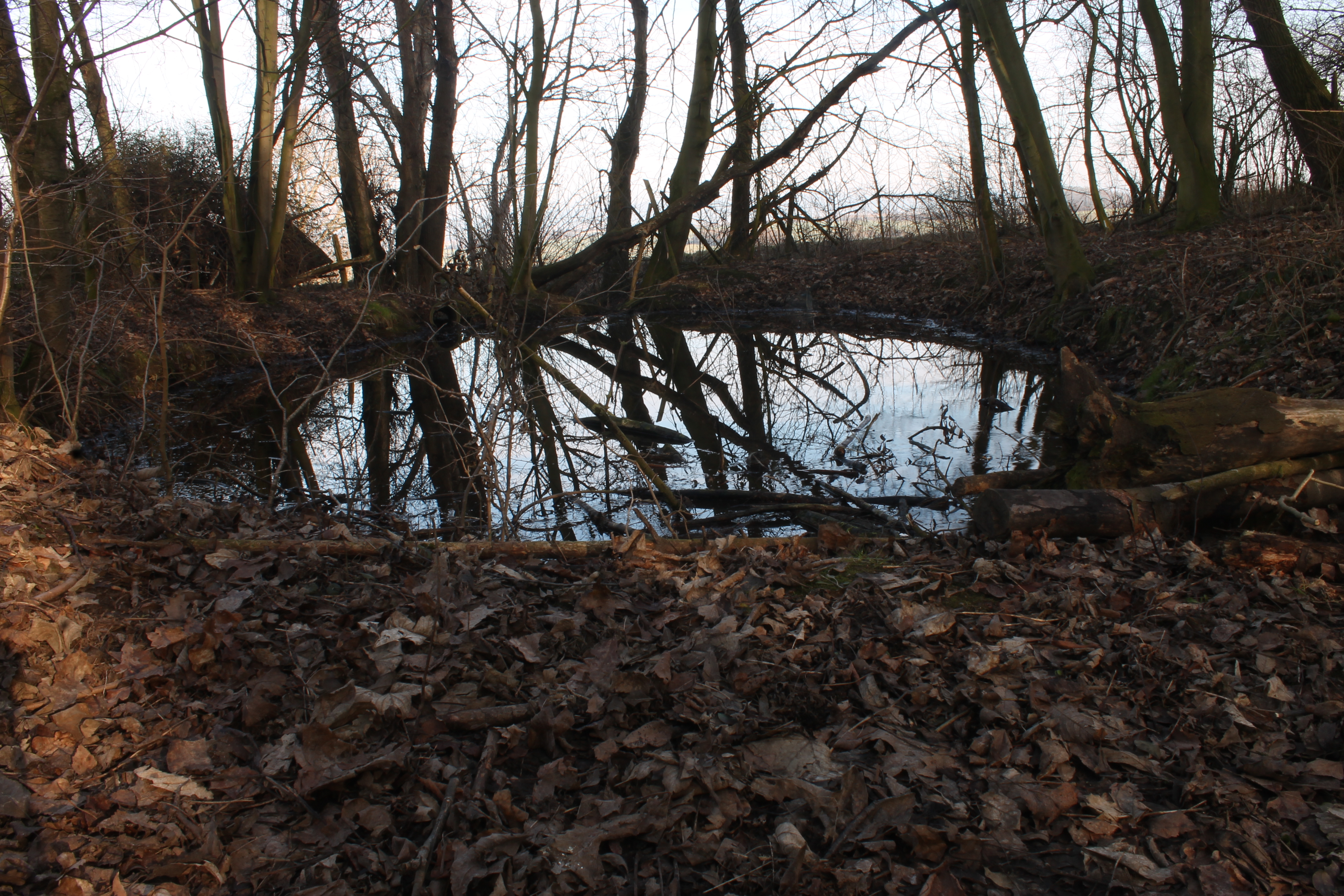
Glisborn – A Hidden Spring Gem in Gudensberg, Hesse, Germany
Discover the tranquil beauty of Glisborn, a pristine spring tucked away in the rolling hills of Hesse. Whether you’re a nature lover, a history buff, or simply looking for a peaceful day‑trip off the beaten path, Glisborn offers a refreshing slice of German countryside charm.
1. Introduction
Imagine stepping into a quiet forest clearing where the air smells of fresh earth and pine, and a gentle trickle of crystal‑clear water bubbles up from the ground. That’s Glisborn – a modest yet mesmerizing spring located just outside the historic town of Gudensberg in the heart of Hesse, Germany. While it may not have the fame of the Rhine or the Black Forest, Glisborn captures the essence of German natural heritage: unspoiled, accessible, and steeped in local legend.
If you’re planning a road trip through central Germany, a weekend hike in the Kellerwald‑Edersee region, or a cultural tour of medieval towns, make sure to add Glisborn to your itinerary. This article will guide you through everything you need to know – from its quiet history to practical travel tips – so you can experience the spring at its best.
2. About Glisborn
A Brief Description
Glisborn is a natural spring (German: Quelle) that emerges from the limestone-rich subsoil of the Gudensberg area. Its GPS coordinates are 51.199785 N, 9.383390 E, placing it within a lush, mixed‑forest landscape that is typical of the Weser‑Uplands. The water flows into a small, shallow pool before joining nearby streams that eventually feed the Eder River.
Historical Significance
Although precise records of Glisborn’s origins are scarce, the spring has been part of local folklore for centuries. In medieval times, springs like Glisborn were often considered sacred, believed to possess healing properties, and used as communal water sources for nearby farms and villages. The name “Glisborn” itself derives from the Old High German word “glis” (meaning “bright” or “shining”) combined with “born” (spring), hinting at the sparkling quality of its waters.
Over the years, the spring remained largely untouched by industrial development, preserving its natural state. Today, it is a quiet spot for hikers, birdwatchers, and anyone looking to pause and listen to the gentle murmur of flowing water.
Why It Matters
Glisborn exemplifies the cultural landscape of Hesse, where natural features are intertwined with centuries‑old settlement patterns. For eco‑tourists, it offers a glimpse into Germany’s commitment to protecting small water bodies that support local biodiversity. The surrounding forest hosts a variety of flora—blueberries, wild garlic, and ferns—and fauna such as the European green woodpecker and the common reed bunting, making the area a modest hotspot for wildlife observation.
3. How to Get There
By Car
- From Kassel (≈ 30 km north): Take the A7 southbound, exit at Kassel‑West (Exit 28), then follow signs for Gudensberg on B7. After passing the town centre, turn right onto Kreisstraße 1052 (signposted “Glisborn”). The spring is signposted a few kilometers beyond the village of Wahlsburg.
- From Marburg (≈ 25 km south): Drive north on the A44, exit at Gudensberg (Exit 18), then follow local roads toward the Kellerwald forest. Parking is available at the small lay‑by near the trailhead.
The drive is scenic, with rolling hills and occasional vineyards. Parking spots are limited but usually free; arrive early in peak season to secure a spot.
By Public Transport
- Train: The nearest railway station is Gudensberg on the Kassel–Marburg line. Trains run hourly from both Kassel and Marburg.
- Bus: From Gudensberg station, take Bus 721 toward Wahlsburg. Get off at the “Glisborn” stop (approximately 5 minutes after the last major stop). The bus drops you within a short walking distance of the spring.
Walking & Cycling
The region is criss‑crossed by well‑maintained hiking and cycling paths. The Weser‑Uplands Trail (WeserUplandsweg) passes within 2 km of Glisborn, making it an ideal detour for long‑distance trekkers. Bicyclists will appreciate the gentle gradients and the opportunity to explore nearby villages en route.
4. Best Time to Visit
| Season | What to Expect | Why Visit |
|---|---|---|
| Spring (April‑May) | Budding trees, vibrant wildflowers, and moderate temperatures (10‑18 °C). | Ideal for photography and spotting early‑season birds. |
| Summer (June‑August) | Warm days (20‑26 °C) and lush green canopy. | Perfect for a cool dip in the spring’s pool and picnicking under shade. |
| Autumn (September‑October) | Golden foliage, crisp air, and fewer crowds. | Excellent for tranquil walks and mushroom foraging in the surrounding woods. |
| Winter (November‑March) | Snow‑covered landscape, quiet atmosphere. | A magical, almost mystical setting for winter walkers; however, paths may be icy. |
Overall, late spring to early autumn offers the most comfortable conditions for exploring Glisborn and its surrounding forest. If you prefer solitude, aim for weekdays in September or early October.
5. What to Expect
The Setting
Upon arriving at the marked trailhead, a short, well‑signposted path leads you through a mixed‑forest of beech, oak, and spruce. The ground is soft with leaf litter, and the scent of pine needles fills the air. After about 10‑15 minutes of gentle walking, you’ll hear the soft gurgle of water before the spring comes into view.
The Spring Itself
Glisborn emerges from a shallow, stone‑lined basin, its water crystal‑clear and constantly flowing at a modest rate. The pool is shallow enough for wading, and many visitors enjoy dipping their feet—or even taking a brief swim—especially during the warm summer months. The surrounding rocks are covered with moss, giving the area a timeless, almost fairy‑tale feel.
Wildlife & Flora
- Birds: Look up to spot the European green woodpecker drumming on nearby trunks, or listen for the melodic song of the common nightingale.
- Plants: In spring, you’ll find clusters of wood anemones and early‑blooming crocuses. Summer brings abundant blueberries and wild strawberries.
- Insects: Dragonflies often hover above the water, while butterflies flutter among the meadow patches.
Amenities
Glisborn is a natural site without commercial facilities. There are no cafés, restrooms, or souvenir shops on site. However, the nearby village of Gudensberg offers a selection of bakeries, restaurants, and public toilets. Bring your own water, snacks, and a reusable bag for any trash—leave the area as pristine as you found it.
6. Nearby Attractions
While Glisborn is the star of the show, the surrounding Hesse countryside boasts several other natural and cultural points of interest that can easily be combined into a day‑trip itinerary.
| Attraction | Distance from Glisborn | What to See | Link |
|---|---|---|---|
| Sonneborn (spring) | 1.6 km | Another clear, bubbling spring set in a quiet forest glade. | Sonneborn (spring) |
| Landgrafenborn (spring) | 2.2 km | A historic spring associated with the medieval Landgraves of Hesse. | Landgrafenborn (spring) |
| Unnamed Fountain | 2.7 km | Small ornamental fountain located near the village of Melsungen; great for a quick photo stop. | — |
| Unnamed Fountain | 2.8 km | Rustic stone fountain beside a walking trail that leads to the Edersee viewpoint. | — |
| Weir (Stauwehr) | 4.8 km | A modest weir on the Eder River, offering scenic riverbank walks and bird‑watching platforms. | — |
Tip: Combine these spots with a visit to Gudensberg Castle (a medieval hilltop fortress) and the Edersee reservoir for a full‑day adventure that blends nature, history, and leisure.
7. Travel Tips
| Tip | Details |
|---|---|
| Pack Light, Pack Right | Bring sturdy walking shoes, a waterproof jacket (weather can change quickly), and a small towel if you plan to wade in the spring. |
| Respect the Environment | Glisborn is a protected natural spring. Avoid littering, stay on marked paths, and do not disturb the flora or wildlife. |
| Timing | Arrive early in the morning during summer weekends to avoid the small crowds that gather for picnics. |
| Photography | The best light is early morning or late afternoon when the forest canopy creates soft, dappled illumination. A polarizing filter helps reduce glare on the water surface. |
| Food & Drink | No vending machines are available on site. Stock up in Gudensberg or bring a packed lunch. Local Hesse specialties—Handkäse mit Musik and Apfelwein—are perfect for a post‑hike treat. |
| Safety | The spring’s pool is shallow but can be slippery when moss-covered. Watch your step, especially after rain. |
| Connectivity | Mobile signal can be spotty in the forest. Download offline maps (e.g., Komoot or Google Maps Offline) before you set out. |
| Seasonal Closures | In heavy winter snow, the trail may be temporarily closed for safety. Check local tourism websites or the Gudensberg municipality page for updates. |
Final Thoughts
Glisborn may be a modest spring, but its charm lies in the quiet intimacy it offers travelers seeking a break from bustling tourist hotspots. With its crystal‑clear waters, surrounding forest, and proximity to other Hesse attractions, it’s an ideal destination for a day of nature immersion or a peaceful pause on a longer hiking adventure.
So lace up your boots, pack a reusable water bottle, and set your GPS for 51.199785 N, 9.383390 E. Let the gentle murmur of Glisborn guide you into the heart of Hesse’s natural heritage—where every splash of water tells a story of centuries past, and every breath of forest air feels like a fresh start.
Happy travels, and may your journey to Glisborn be as clear and refreshing as its waters!